BUDI95 Explained: Who Gets RON95 Petrol at RM1.99 a Litre
Malaysia's targeted RON95 fuel subsidy keeps petrol at RM1.99 a litre for eligible citizens. Here is how BUDI95 works, who qualifies, and the monthly quota.
In-depth reporting on Malaysia and the region.
Malaysia's targeted RON95 fuel subsidy keeps petrol at RM1.99 a litre for eligible citizens. Here is how BUDI95 works, who qualifies, and the monthly quota.

Malaysia has transformed into one of the world's largest exporters of AI-related hardware, driven by massive semiconductor and data centre investments. Yet political instability threatens the policy consistency that underpins this remarkable economic turnaround.
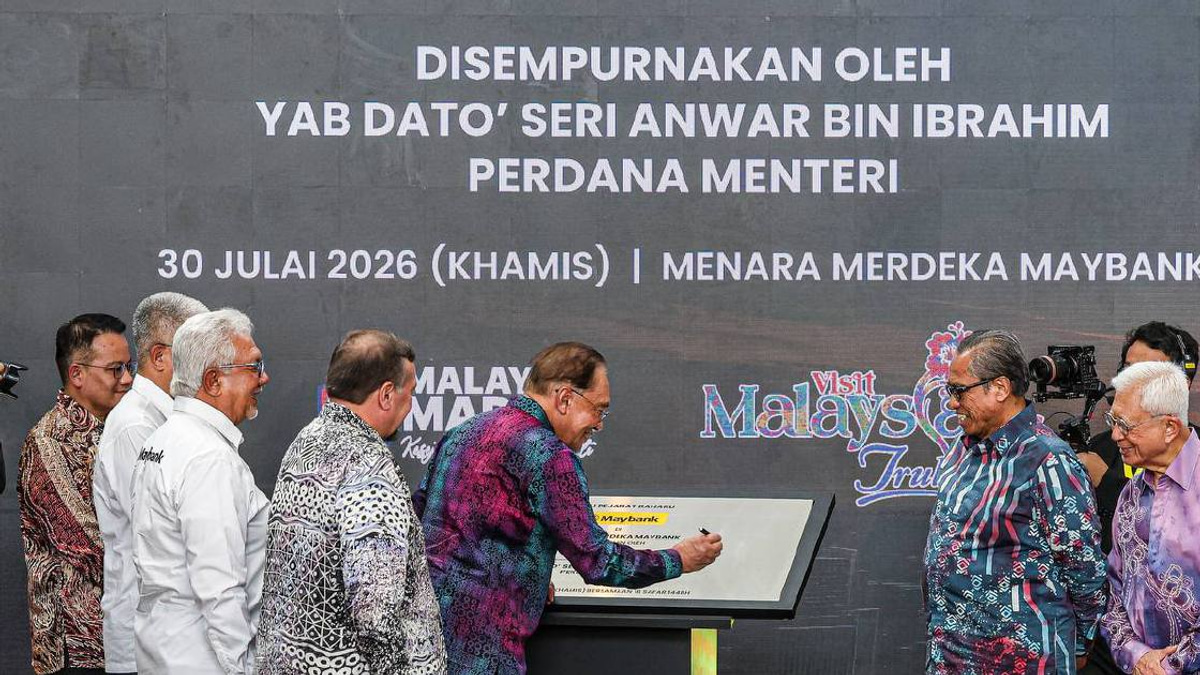
Malayan Banking Bhd has formally opened its new headquarters at Menara Merdeka in Kuala Lumpur. Prime Minister Datuk Seri Anwar Ibrahim officiated the landmark launch event for the country's largest banking institution.

Malaysia's Ministry of Entrepreneur Development and Cooperatives is consulting stakeholders nationwide to gather budget proposals for 2027, focusing on productivity, capital access, and market opportunities for small businesses.
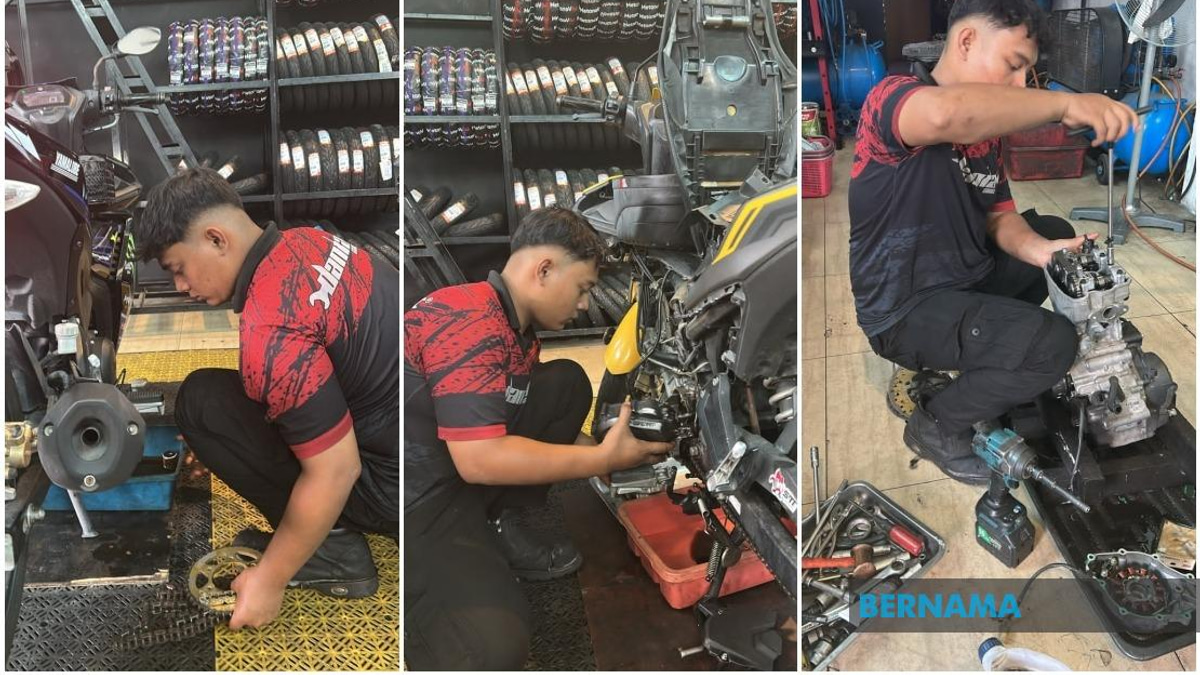
Malaysia's Academy in Industry programme is creating pathways for disadvantaged youth while helping companies fill skilled worker gaps. The initiative combines workplace training with formal qualifications across key sectors.
Tabung Haji has successfully resolved RM12.6 billion in investment losses through a government-backed recovery plan initiated in 2018, with profit distributions improving to 3.50 per cent for 2025 from 1.25 per cent in the bailout year.
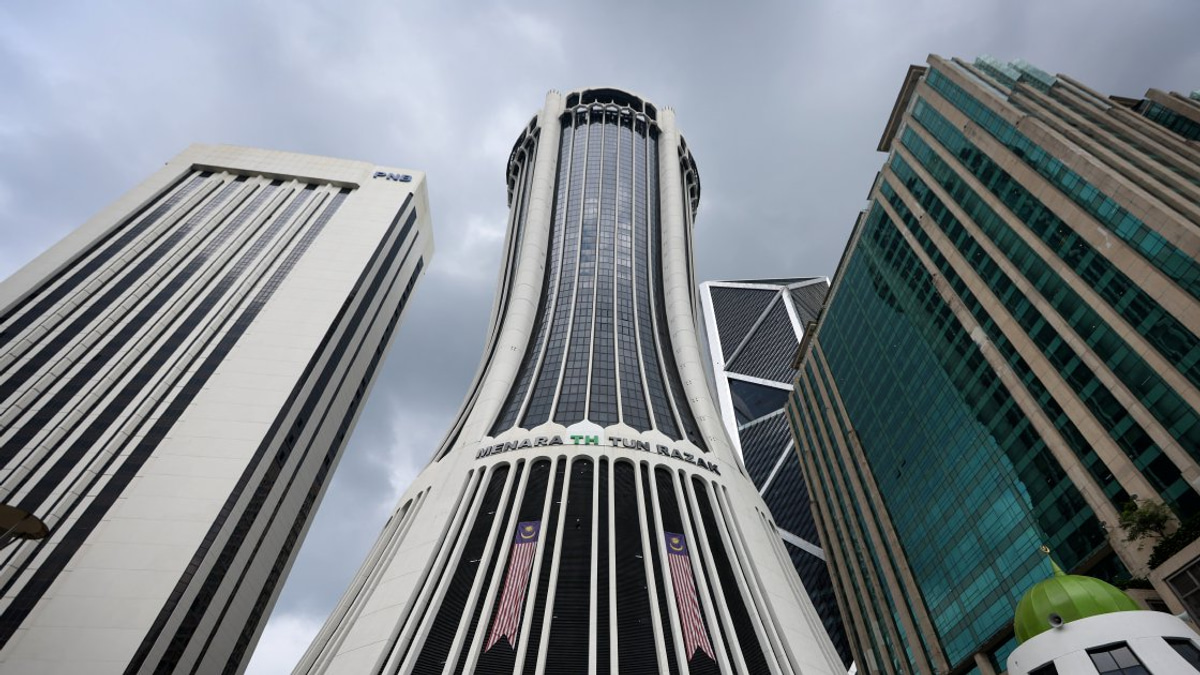
Prime Minister Datuk Seri Anwar Ibrahim has attributed Tabung Haji's near-collapse to greed, poor governance, and financial mismanagement, signalling the government's determination to overhaul the pilgrim fund's operations.
Malaysia's appeal to foreign investors is spurring domestic companies to expand operations, with local investment now representing 45% of total approved investments under the MADANI Government.
Prime Minister Anwar Ibrahim has declared Lembaga Tabung Haji fully restored after identifying and addressing serious governance issues from previous years, as the Cabinet released the complete Royal Commission of Inquiry report.

A Royal Commission of Inquiry has cautioned that Malaysia's RM88 billion government guarantee backing Tabung Haji depositors will only be drawn upon if the pilgrimage board's recovery plan stumbles, potentially threatening national fiscal stability.
Malaysia has achieved nearly RM5 billion in budget savings through expenditure control measures implemented across all government ministries and agencies since April 2026, Deputy Finance Minister Liew Chin Tong announced.
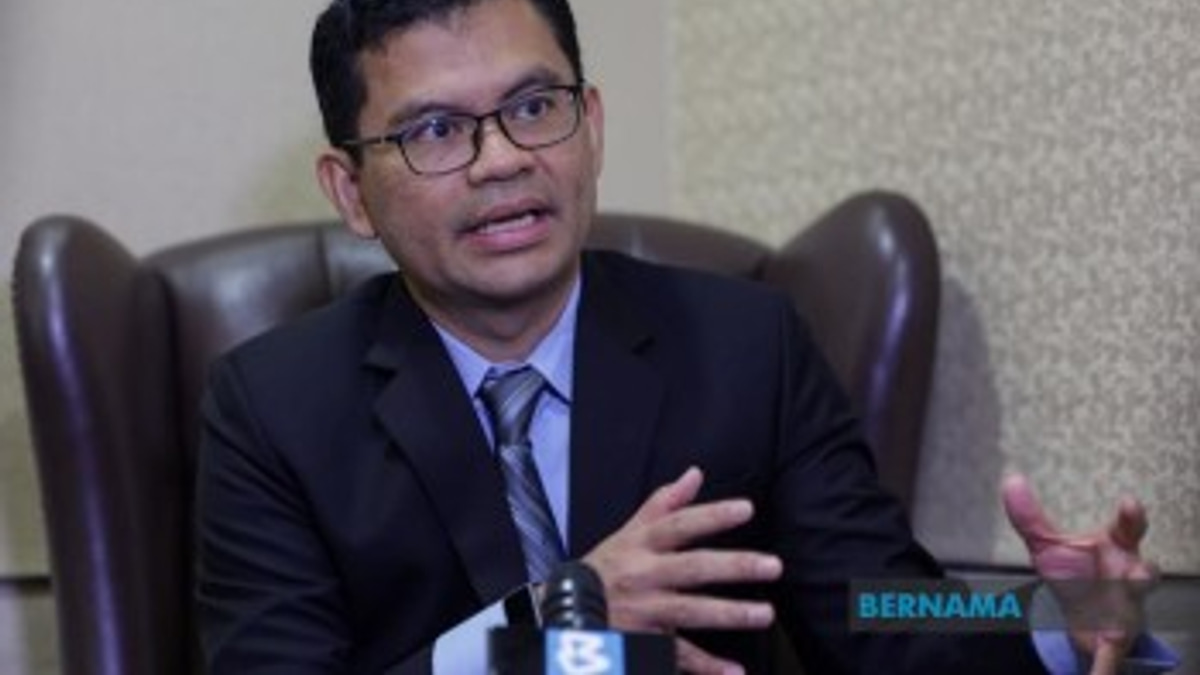
Malaysia's government will focus on raising worker incomes and tackling wage stagnation before expanding its tax system, Economy Minister Akmal Nasrullah declared, pushing back against OECD recommendations for broader-based taxation and consumption taxes.
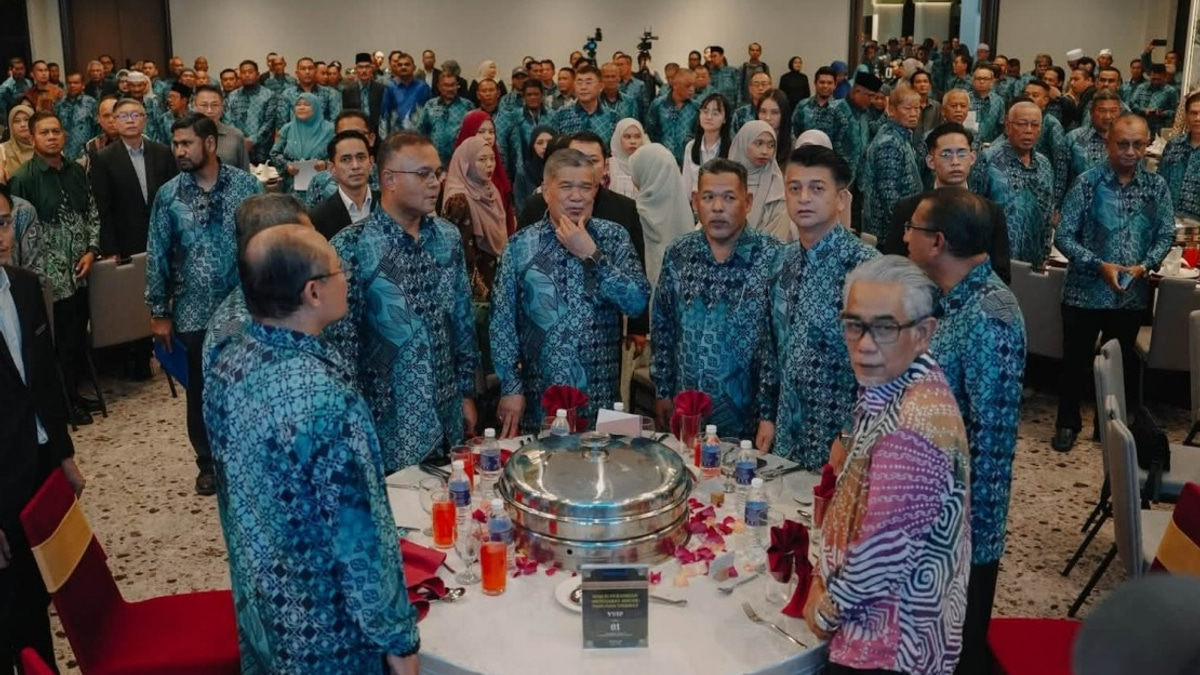
Malaysia's National Fishermen's Association (NEKMAT) has posted a profit exceeding RM25 million in 2025, more than doubling the previous year's RM11 million result, reflecting strengthened operational efficiency and commitment to the domestic fisheries sector.

Deputy Prime Minister Zahid Hamidi says Malaysia will benefit economically from its involvement with the Bahrain Grand Prix through increased tourism and heightened global visibility that could attract foreign investment.

Malaysia's Ministry of Economy has deployed 57.42% of its 2026 development budget, achieving fourth-best performance among government ministries and surpassing the national spending average of 45.93%.
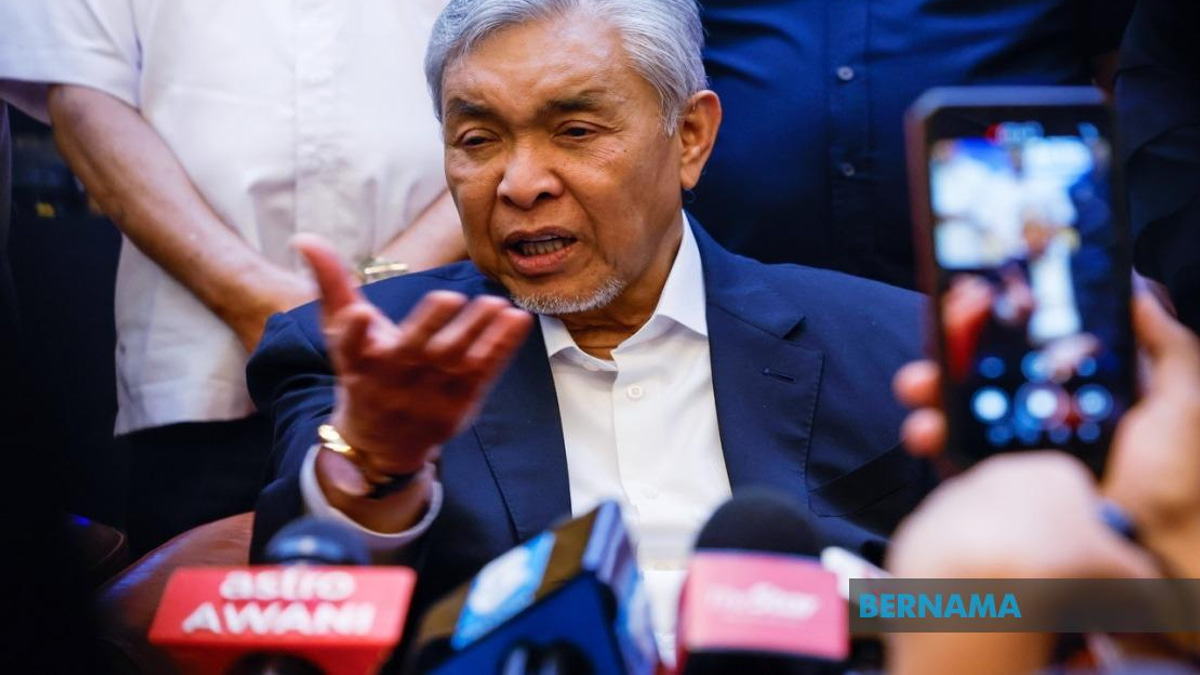
Deputy Prime Minister Ahmad Zahid Hamidi has called for the incoming Negeri Sembilan government to adopt business-friendly policies that empower local entrepreneurs and position the state as a competitive economic hub on the international stage.
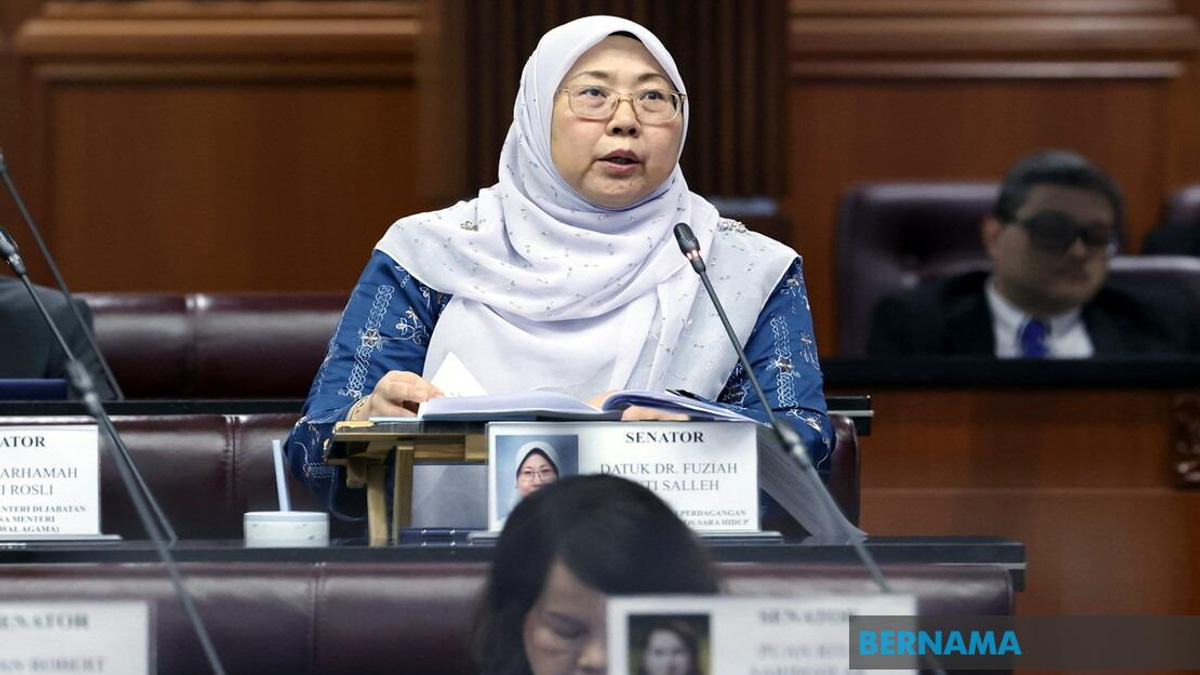
Malaysia's Senate has endorsed the Competition (Amendment) Bill 2026, granting the Malaysia Competition Commission enhanced enforcement capabilities to tackle sophisticated anti-competitive practices in the digital economy and address rising living costs.
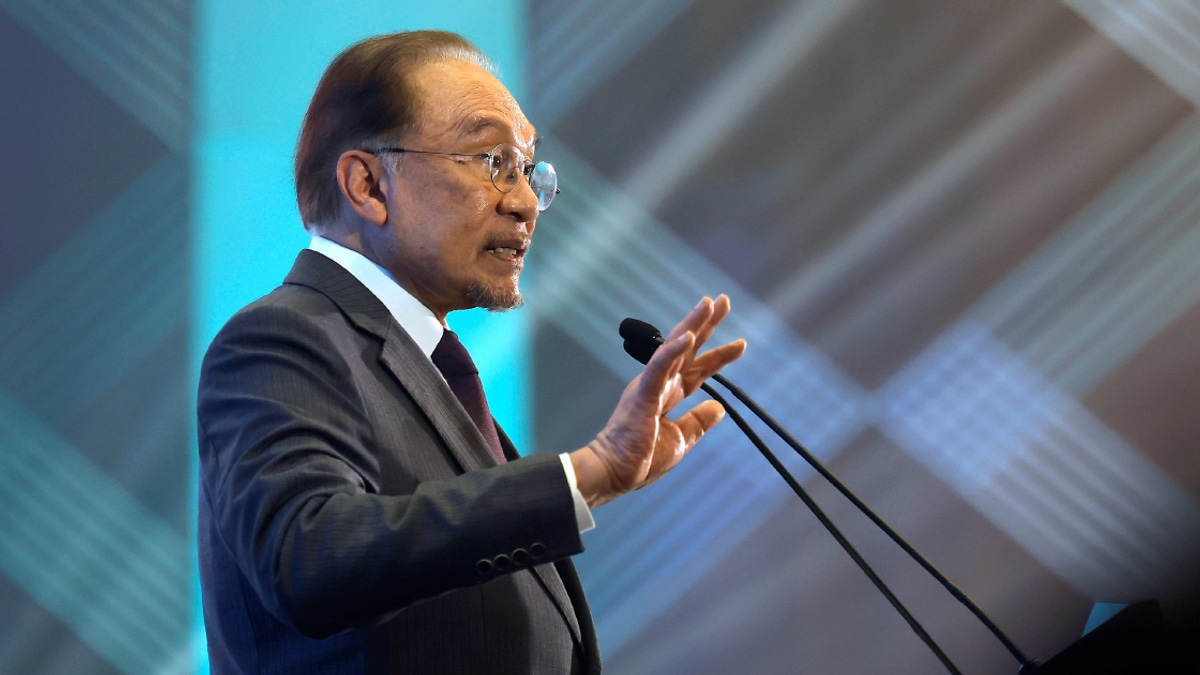
Prime Minister Anwar Ibrahim has highlighted Malaysia's capacity to host prestigious international events, citing the return of Formula 1 racing to the Sepang International Circuit as evidence of the nation's organisational strength and infrastructure.
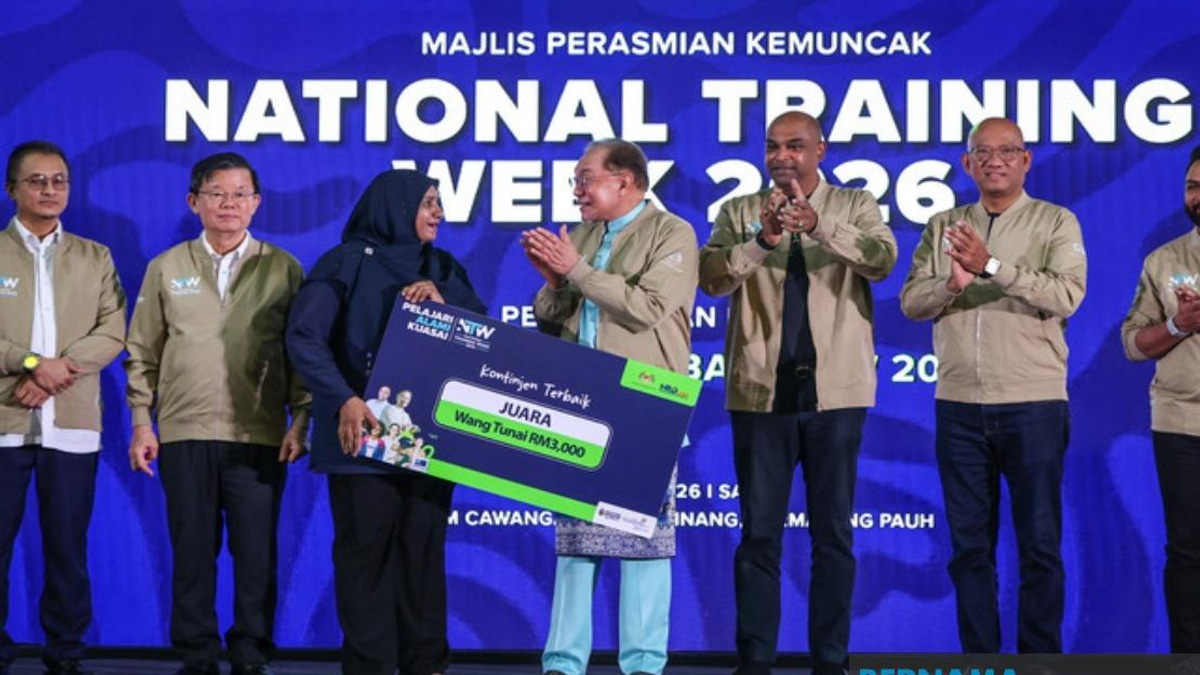
Malaysia has reached its highest GNI per capita of USD12,380 under PM Anwar Ibrahim's leadership, positioning the country just USD1,996 away from World Bank high-income nation status by 2027.

Prime Minister Anwar Ibrahim unveiled a RM5 million funding initiative in Penang to strengthen Bumiputera companies' presence in Malaysia's semiconductor supply chain, part of efforts to democratise high-tech sector participation.
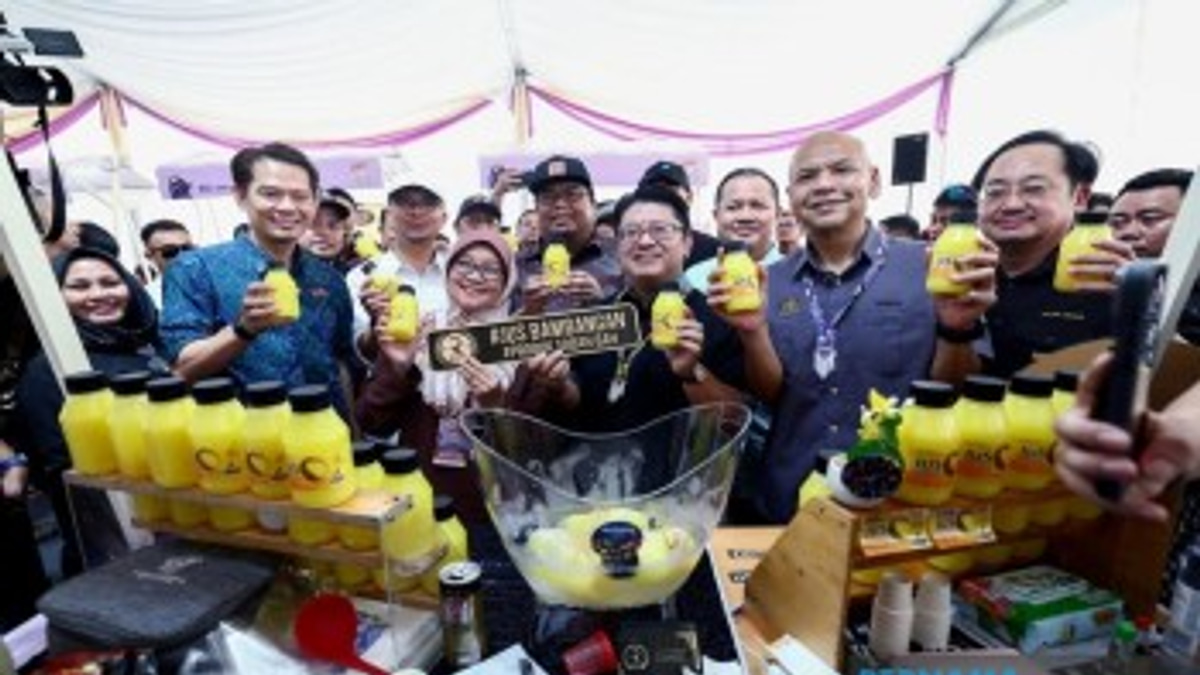
The JOM MALAYSIA movement is positioned to accelerate Sabah product exports globally, aligning with the state's Sabah Maju Jaya 2.0 agenda. The initiative connects entrepreneurs, government, and industry players to strengthen economic opportunities.
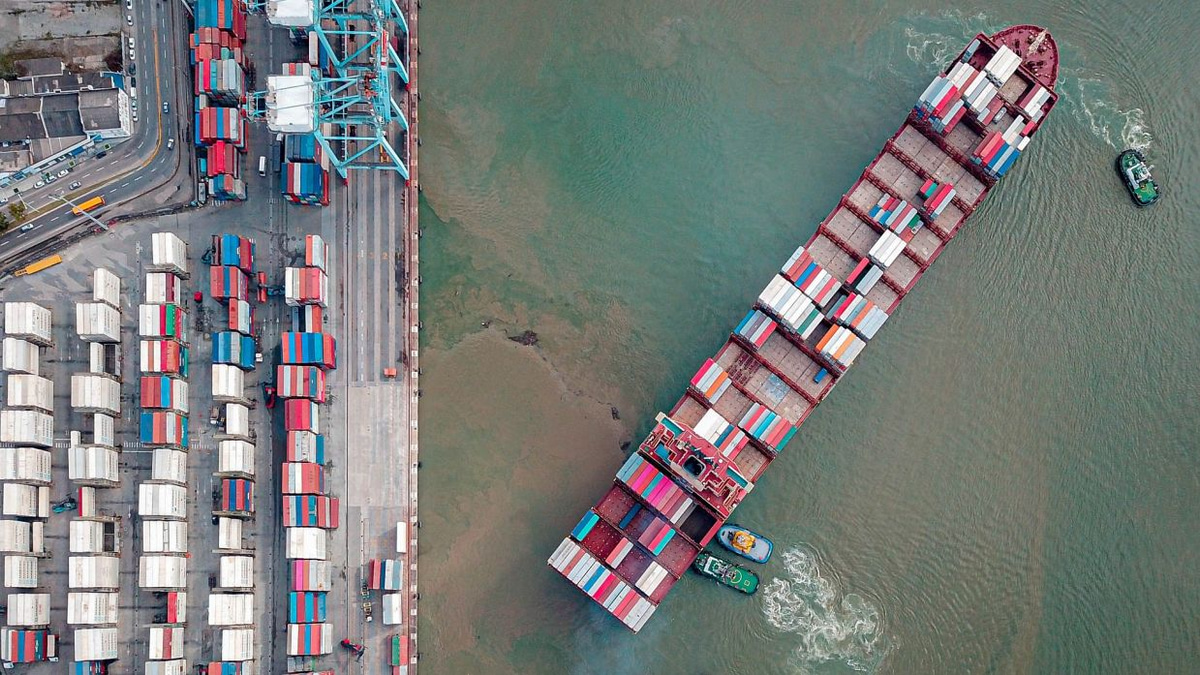
Malaysia has secured placement in a lower US tariff tier, with a 10% duty taking effect from July 24 under Section 301 measures. The country was rewarded for commitments to enforce forced labour laws.
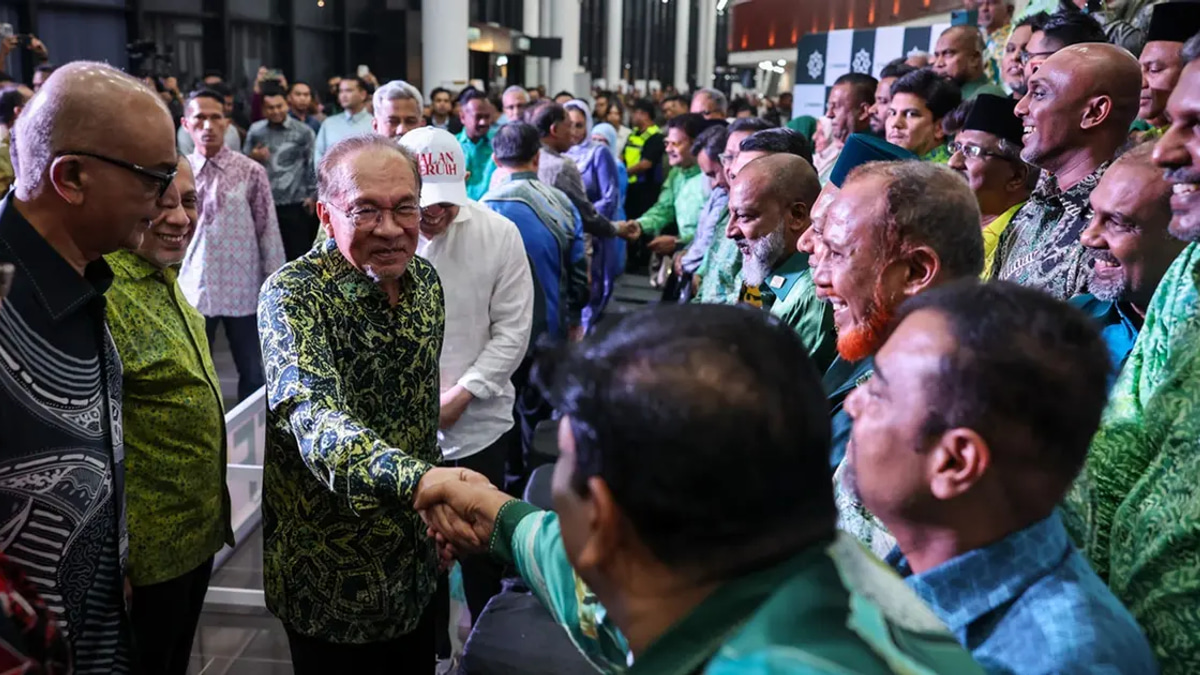
Prime Minister Anwar Ibrahim has directed ministers to resolve critical foreign worker shortages in Malaysia's restaurant sector within one month, while maintaining strict immigration controls.
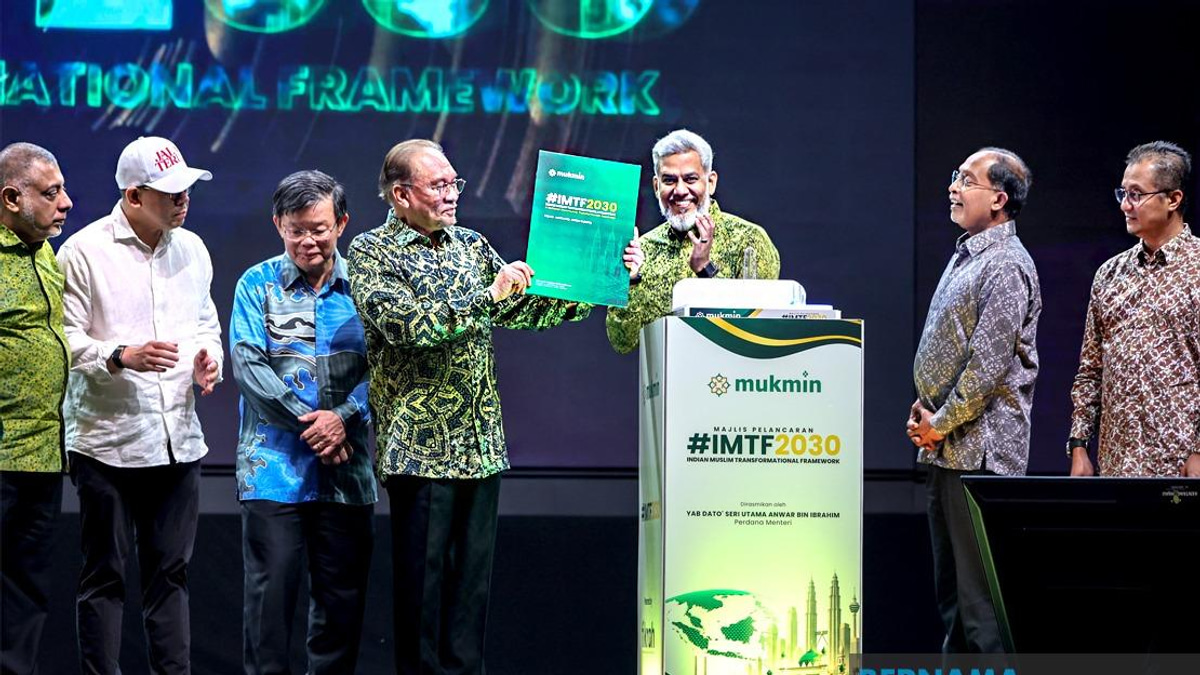
Prime Minister Datuk Seri Anwar Ibrahim has instructed government ministries to resolve foreign worker hiring bottlenecks within 30 days, with restaurants identified as the priority sector facing acute staffing shortages.
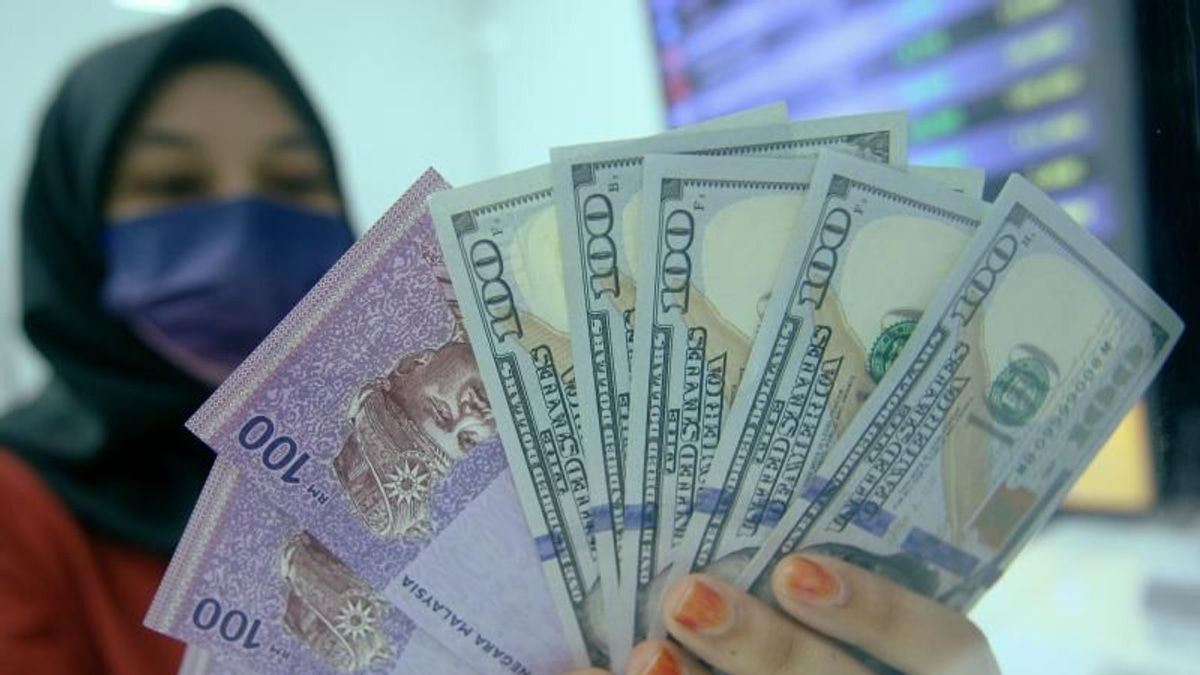
The ringgit opened stronger against most major currencies on Friday but retreated against the US dollar as risk aversion spread through markets, prompted by fresh American trade tariffs targeting Malaysia and 59 other nations.
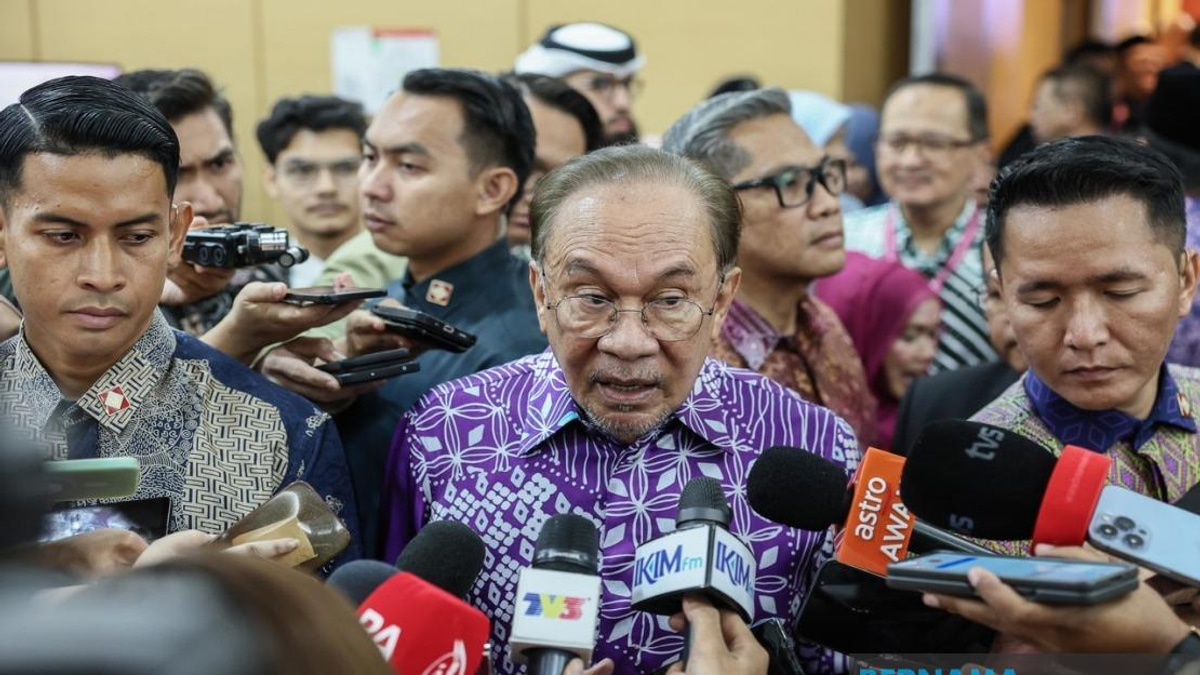
Prime Minister Anwar Ibrahim has called for Malaysia's economic policies to be guided by moral purpose and human dignity rather than pursuing growth as an end in itself, amid rapid technological transformation.
Malaysia's Economy Ministry is developing new laws to combat rent-seeking and Ali Baba schemes involving foreign nationals, aiming to protect local businesses and improve competitive fairness across the economy.
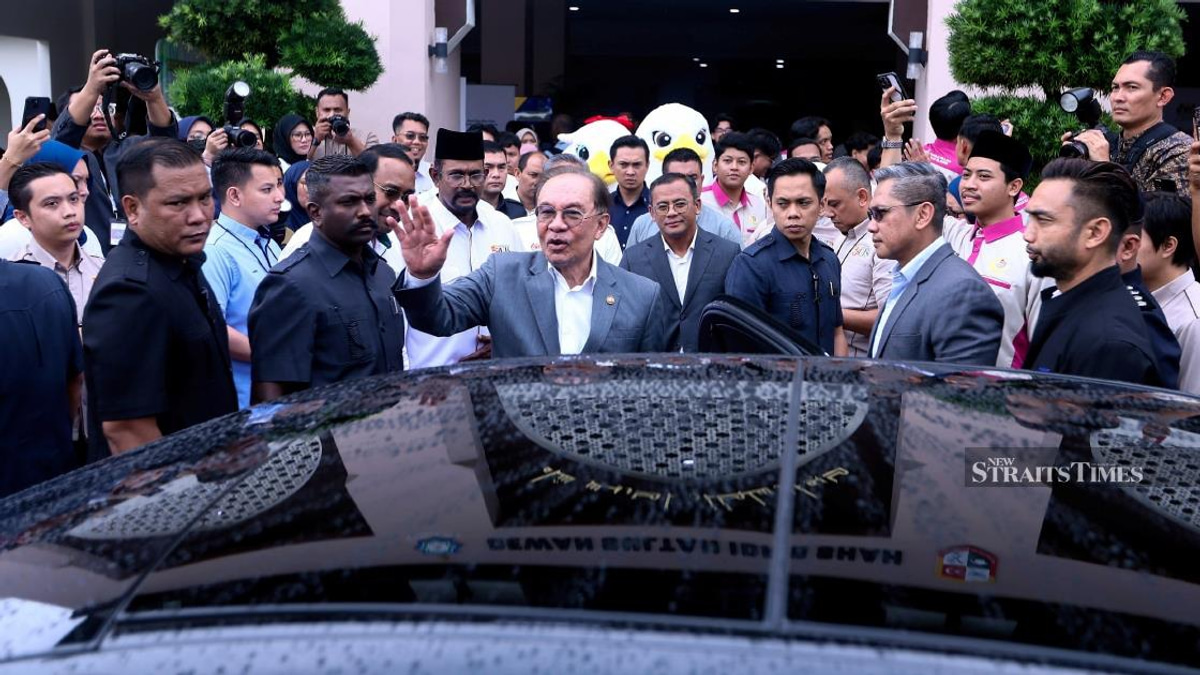
Prime Minister Anwar Ibrahim has defended Malaysia's fuel pricing strategy, pointing to the government's RM40 billion annual subsidy commitment as evidence that further price reductions would endanger the nation's financial stability.
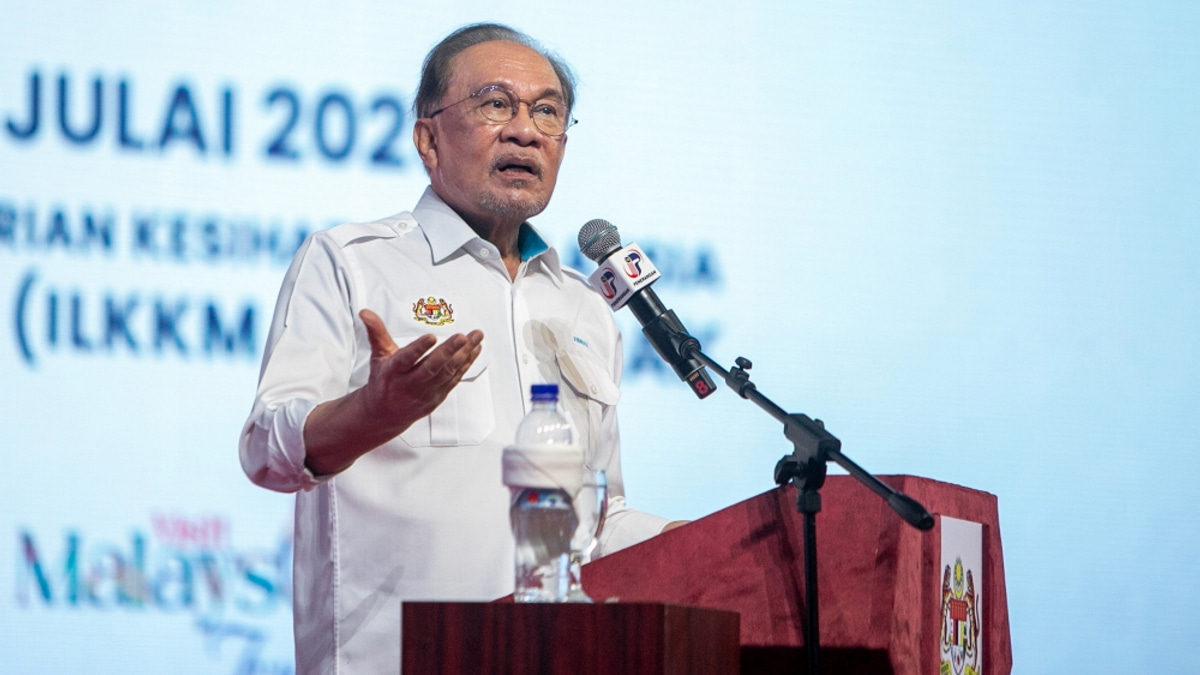
Prime Minister Anwar Ibrahim has defended Malaysia's fuel pricing approach as necessary for protecting citizens, while warning of the risks associated with accumulating public debt if subsidies are withdrawn without careful planning.
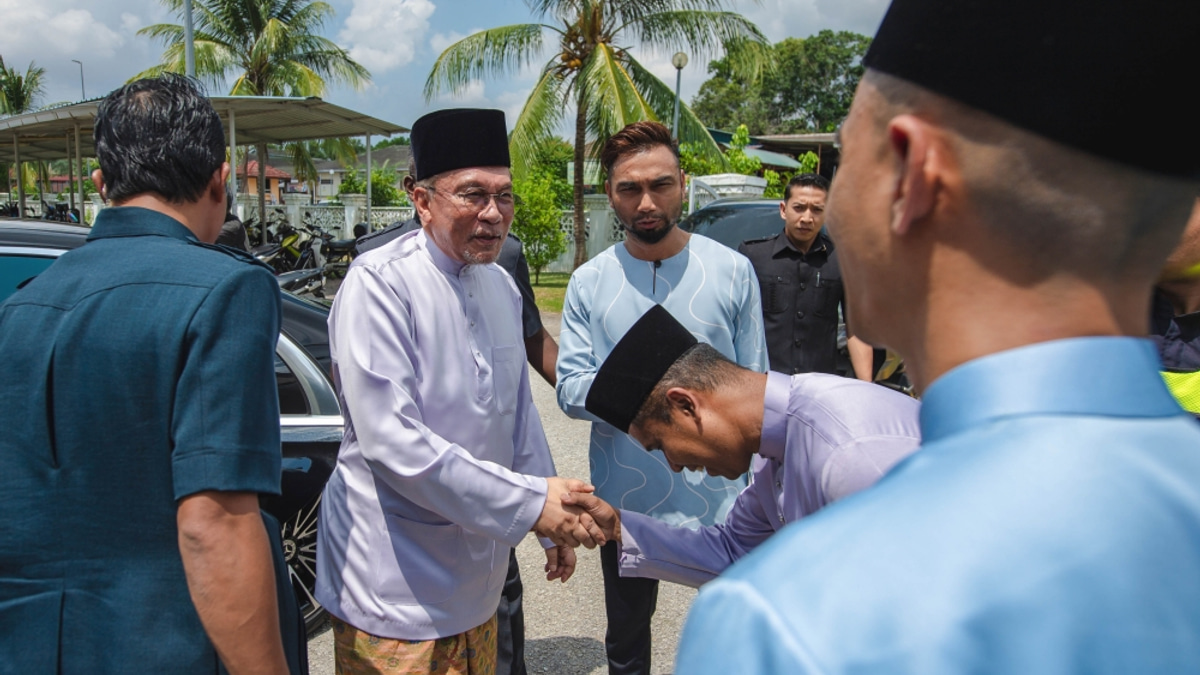
Prime Minister Anwar Ibrahim acknowledged that Malaysia's stronger-than-expected second-quarter economic growth has not translated into relief for struggling households and small enterprises, signalling the government's awareness of a widening gap between headline figures and ground-level reality.
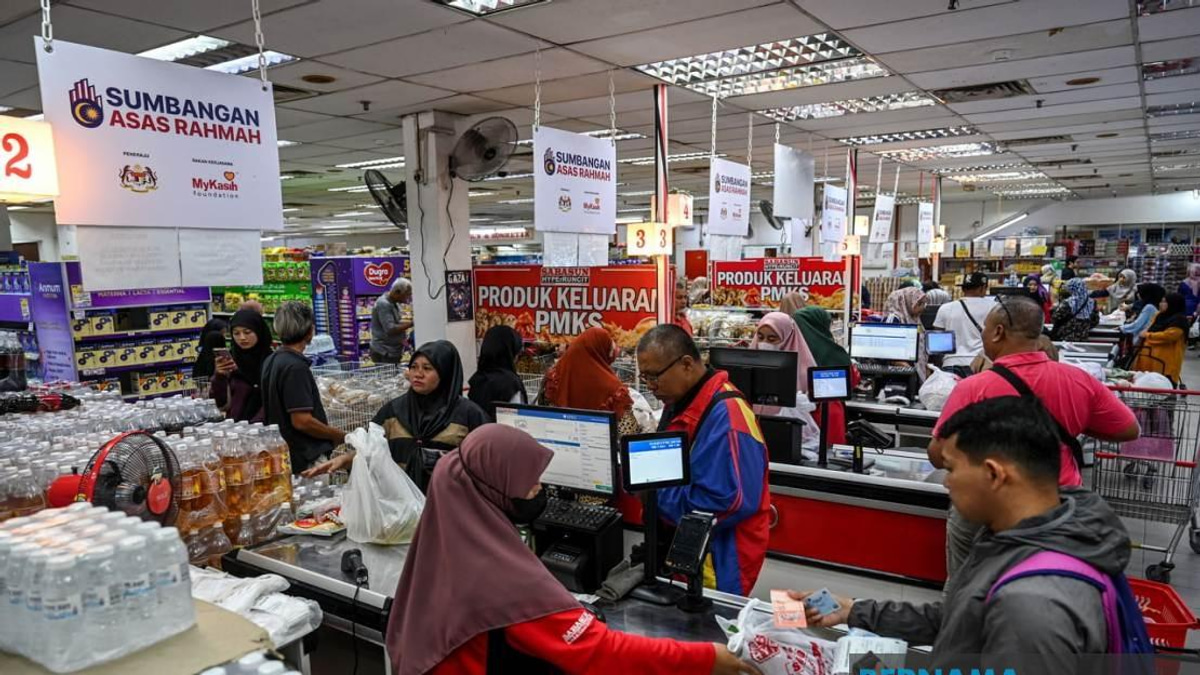
Malaysia's Domestic Trade and Cost of Living Ministry will increase Rahmah MADANI Sales Programmes to address affordability challenges, particularly in high-cost areas like Labuan and Limbang.
Prime Minister Anwar Ibrahim has indicated the government is exploring higher assistance under the STR and SARA welfare schemes, contingent on Malaysia's economic performance and to be reviewed in the upcoming Budget.
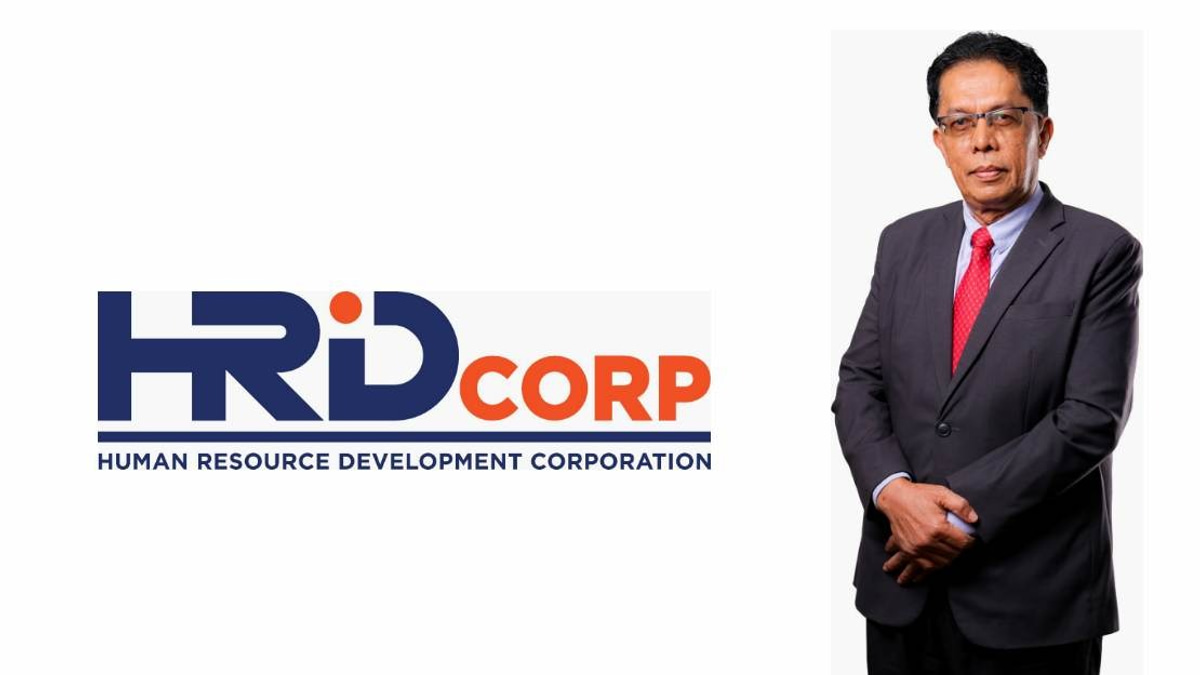
The Human Resource Development Corporation is rolling out the fourth National Training Week beginning July 20, offering thousands of free courses nationwide in partnership with the Ministry of Human Resources to promote lifelong learning among all Malaysians.
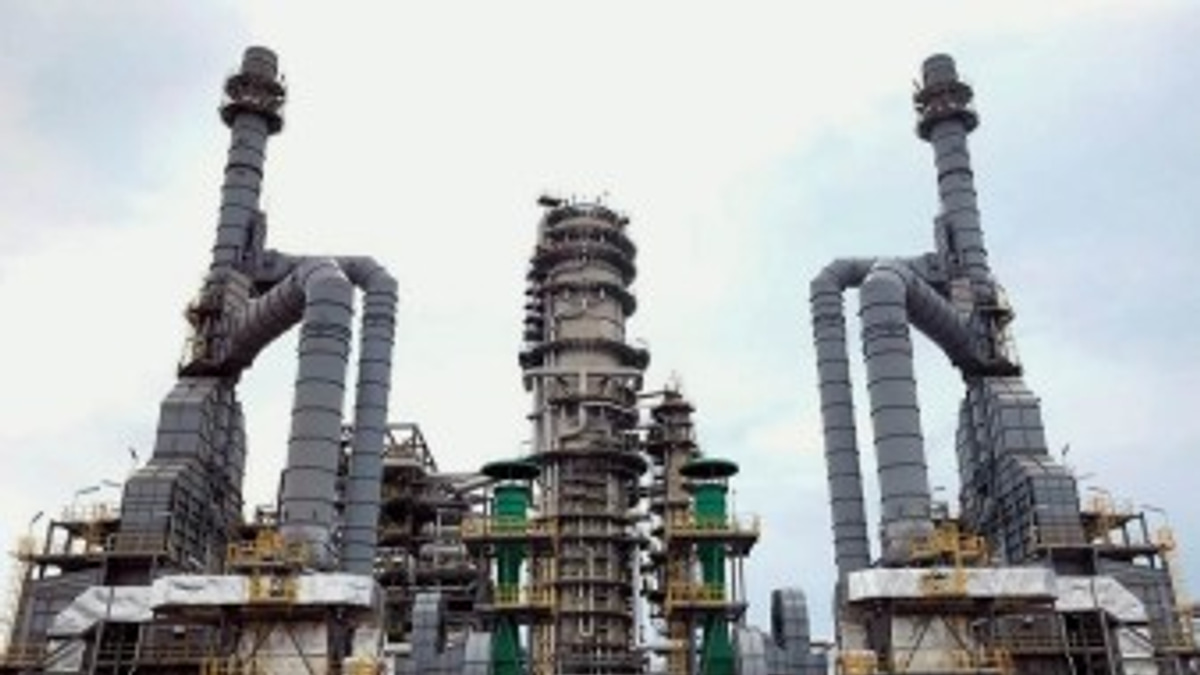
An economist has advised that Malaysia's proposed petroleum reserve should form part of a comprehensive economic security strategy rather than function as an isolated energy initiative, encompassing food security, critical minerals, semiconductors and digital infrastructure.
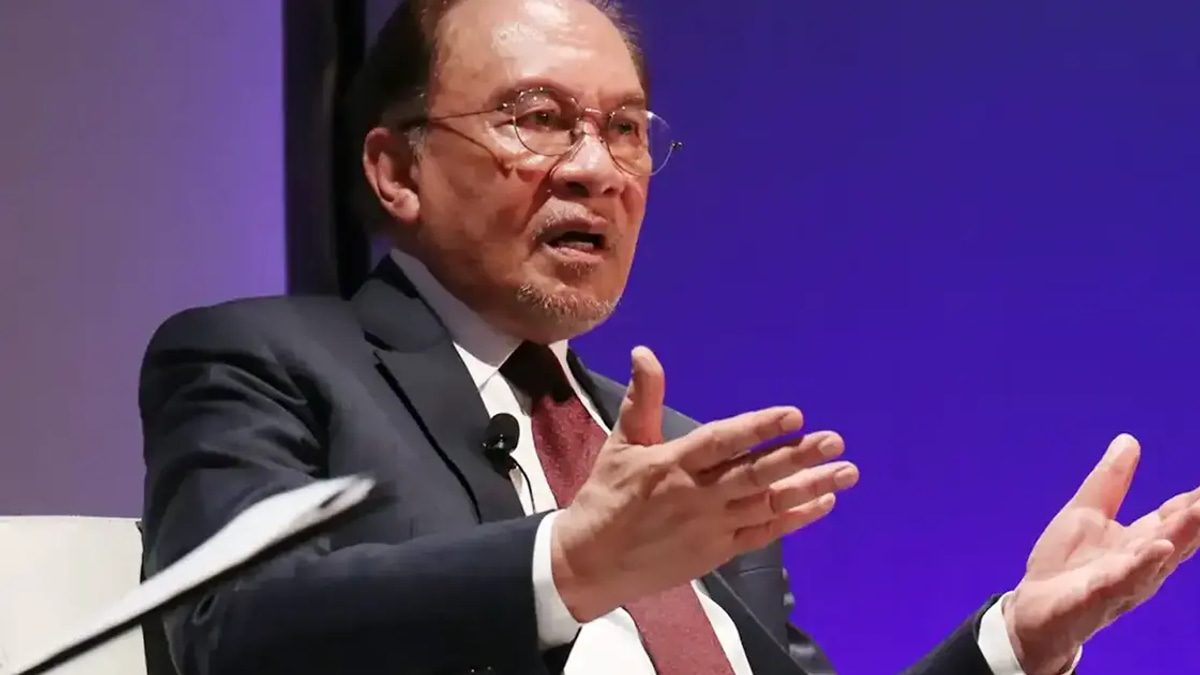
Prime Minister Anwar Ibrahim has highlighted Malaysia's second-quarter GDP expansion as evidence of the economy's durability, attributing the performance to comprehensive reforms implemented since 2022.

Malaysia's economy expanded 5.8% in the second quarter, prompting Prime Minister Anwar Ibrahim to express gratitude for the nation's economic trajectory during Friday prayers in Nilai.
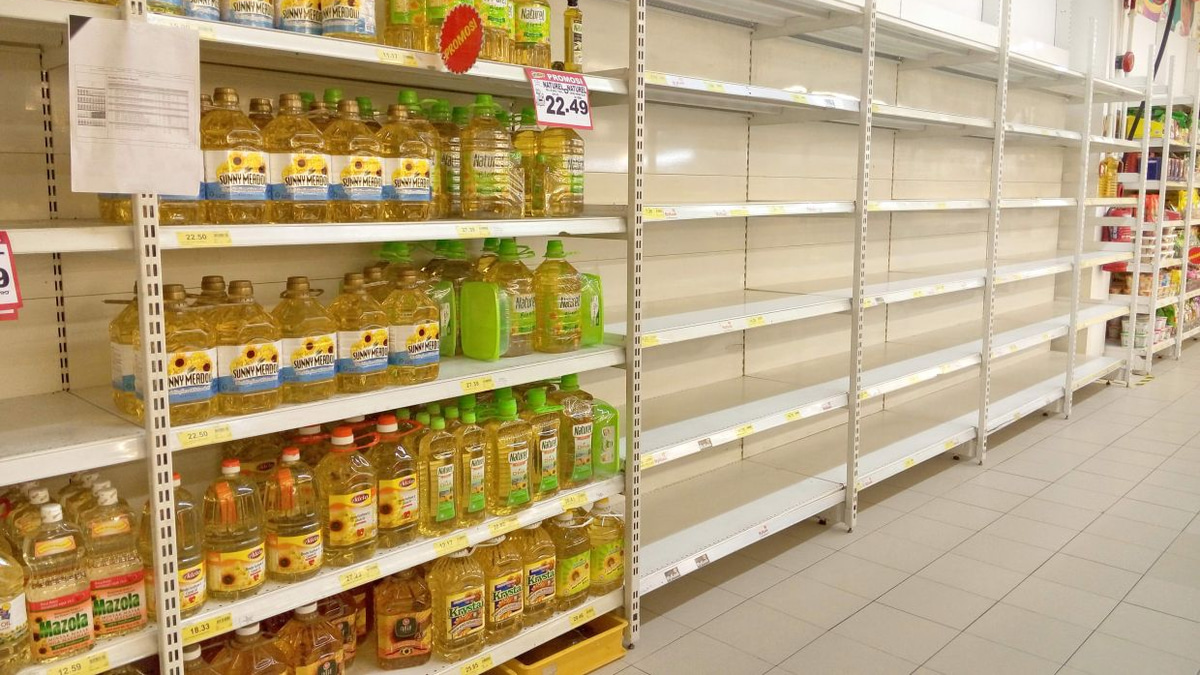
Malaysia's Public Accounts Committee has uncovered RM10.879 billion in cooking oil subsidies that never reached intended beneficiaries between 2019 and February 2025, exposing critical flaws in government subsidy administration and market oversight.
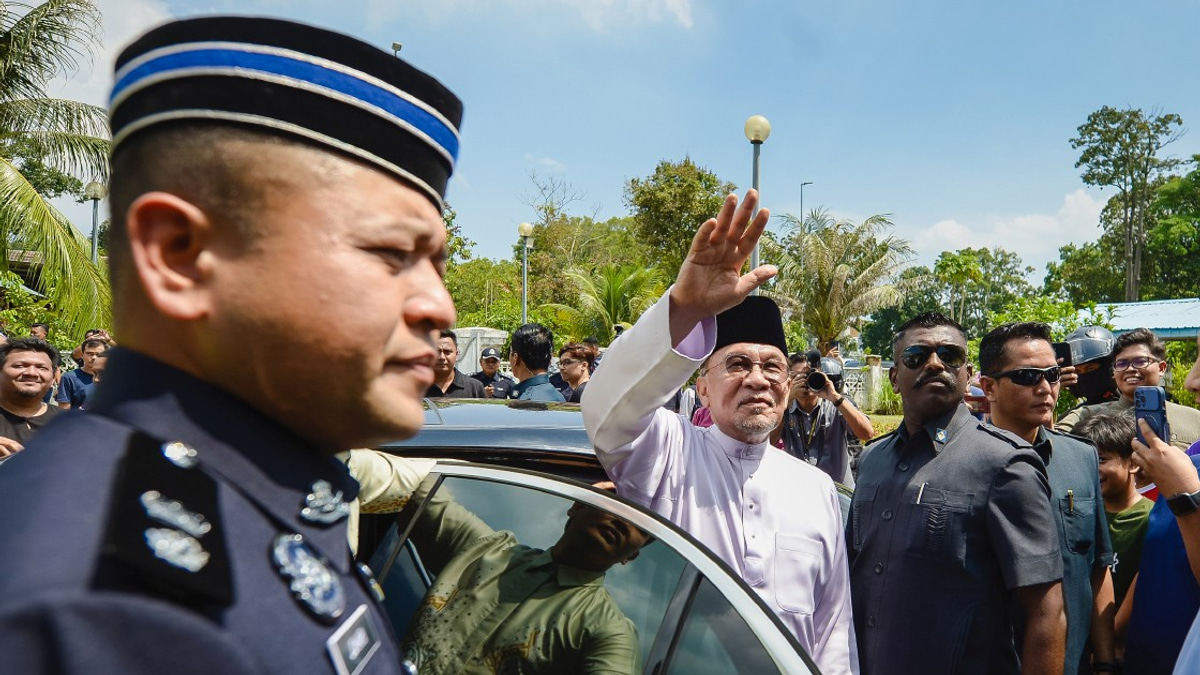
Prime Minister Datuk Seri Anwar Ibrahim welcomed Malaysia's second-quarter economic expansion of 5.8%, marking an acceleration from the first quarter's 5.4% growth rate.
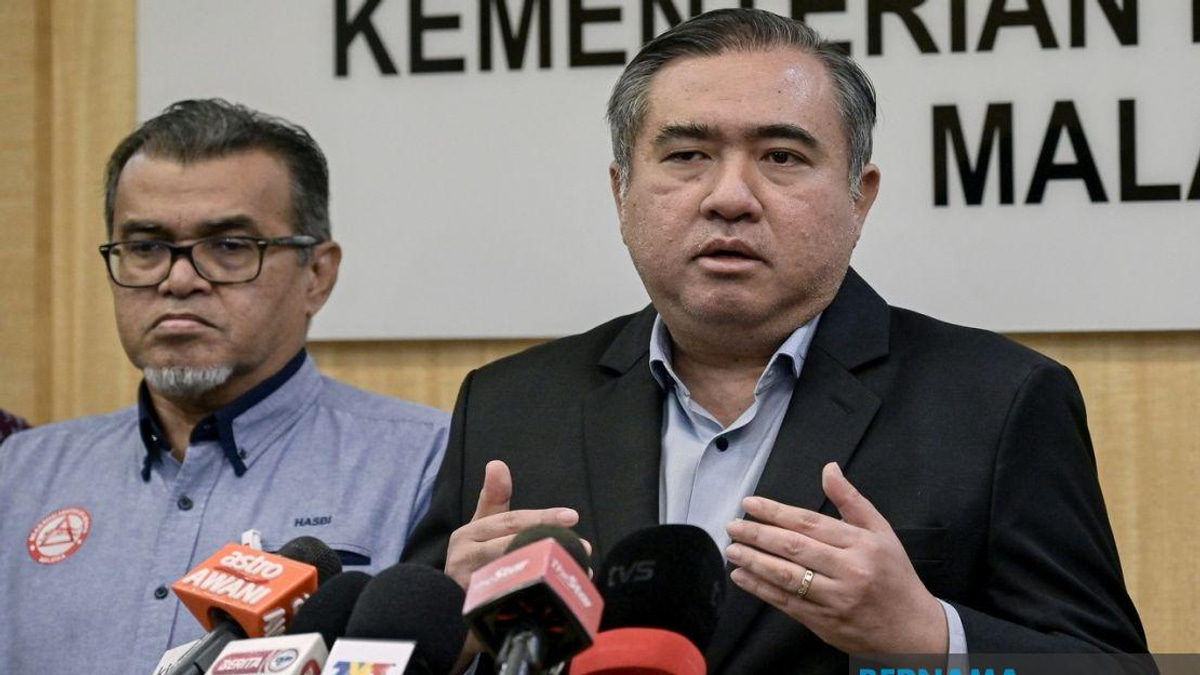
Transport Minister Anthony Loke has reaffirmed that the government does not interfere in management appointments at port operators, even when foreign nationals assume leadership roles, as long as Malaysian ownership stays above 51 per cent.
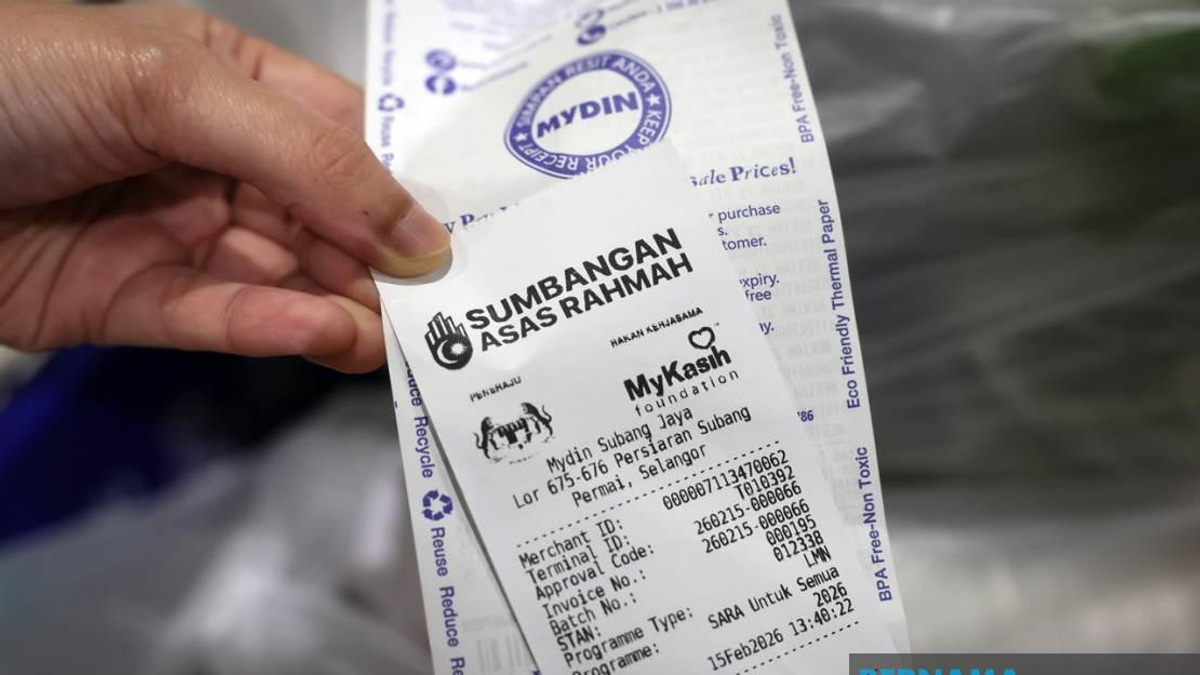
Malaysia's SARA cashless assistance scheme has achieved near-complete uptake among its 9 million monthly recipients, with transaction values reaching RM3.45 billion this year. The programme demonstrates strong effectiveness in easing cost-of-living pressures.
Parliament has passed the National Trust Fund (KWAN) Bill 2026, broadening Malaysia's approach to preserving wealth from natural resources beyond oil and gas. Finance Minister II Amir Hamzah emphasises the need for other resource sectors to contribute alongside Petronas.
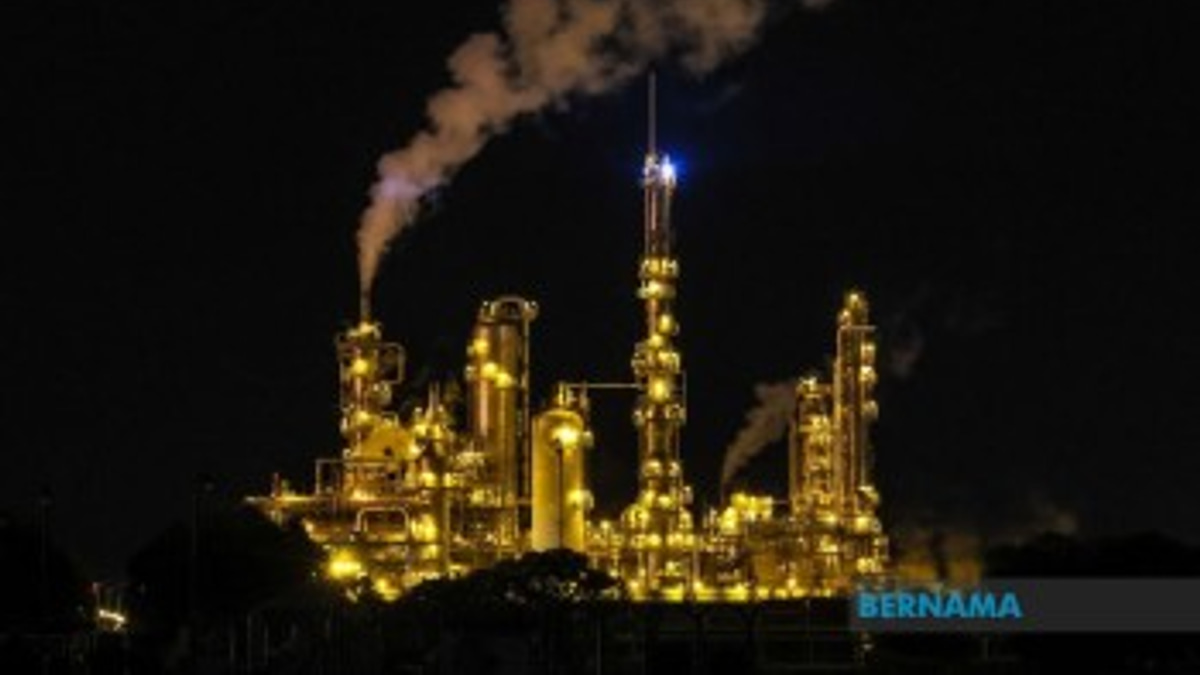
An economist recommends Malaysia adopt a measured, cost-effective strategy for building petroleum reserves rather than replicating large-scale models from developed nations, prioritising fiscal sustainability and thorough risk assessment.
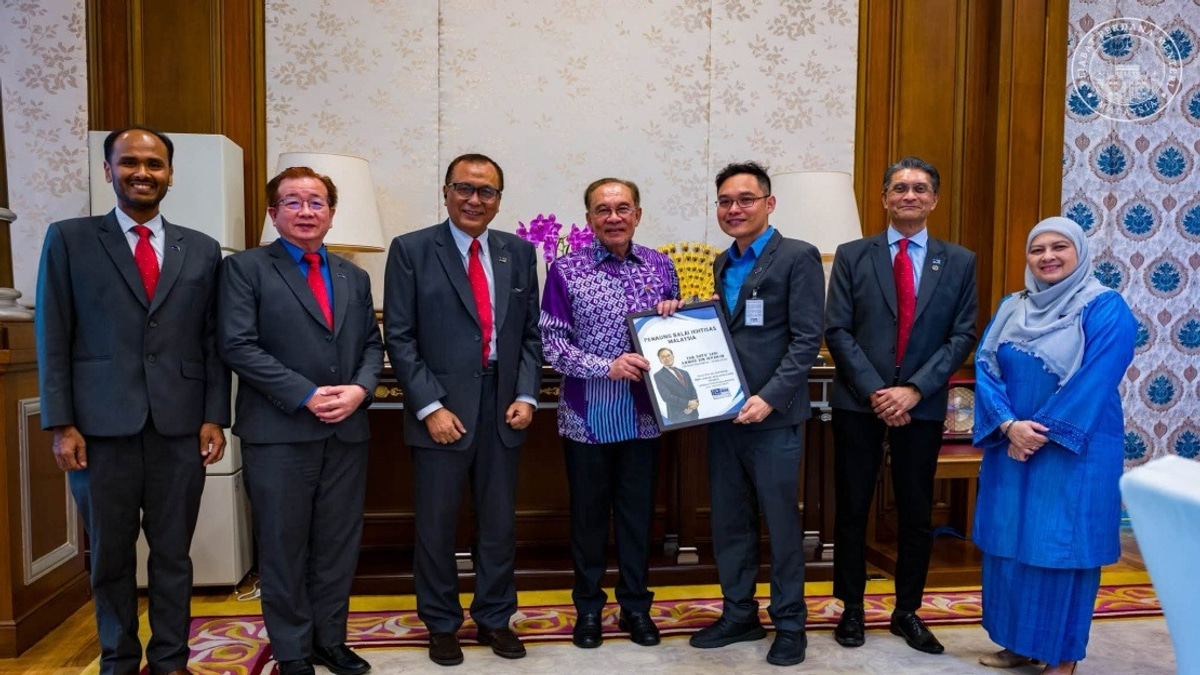
Prime Minister Datuk Seri Anwar Ibrahim has highlighted artificial intelligence and professional talent development as cornerstones of Malaysia's regional competitiveness, during talks with Balai Ikhtisas Malaysia.
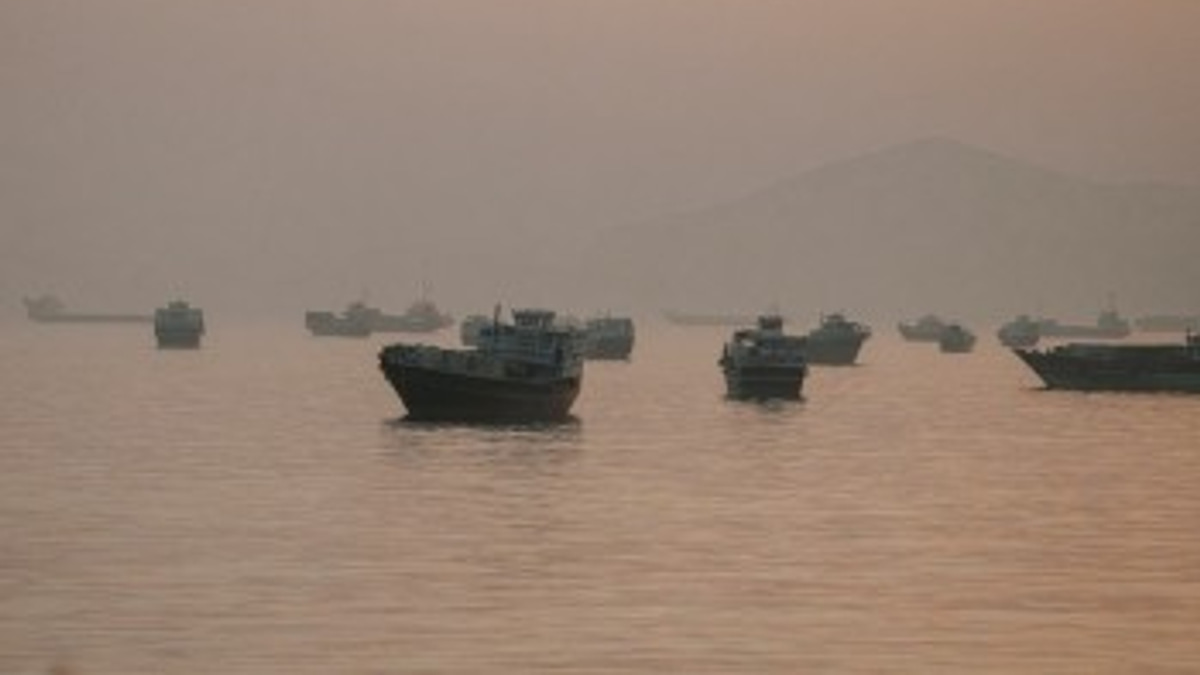
Malaysia's Economy Minister has urged businesses and the public to prepare for potential economic fallout from geopolitical tensions affecting the Strait of Hormuz, warning of inflationary pressures across supply chains.
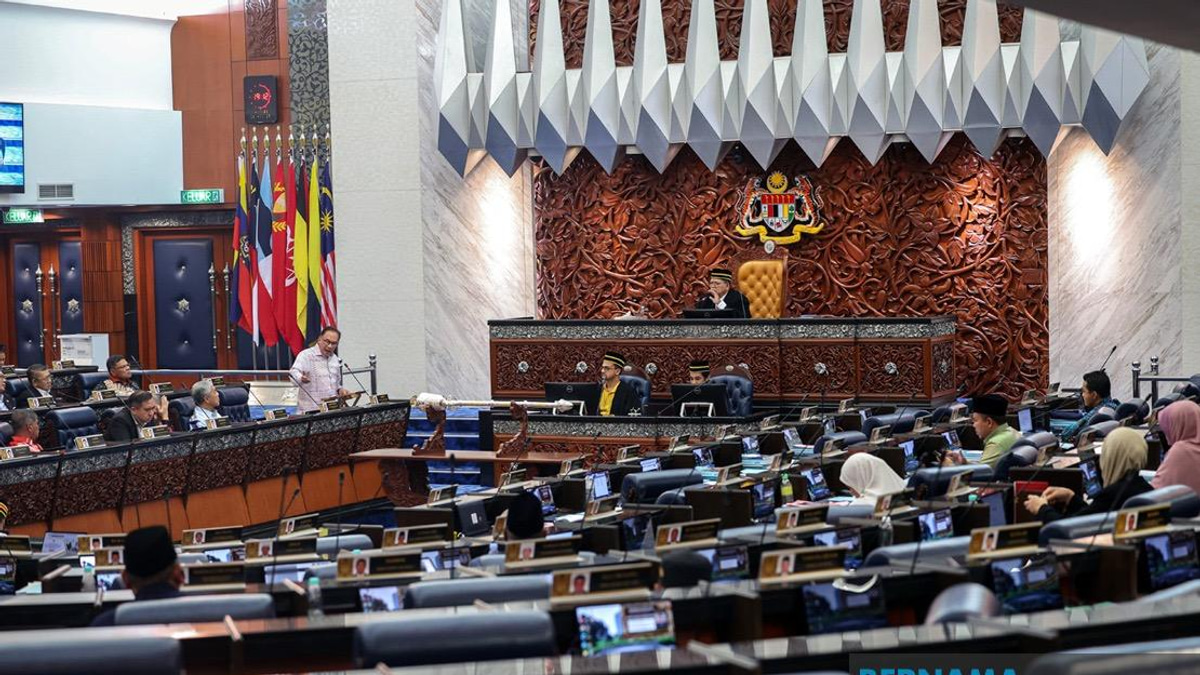
Malaysia's parliament has approved a motion to channel RM14.5 billion from Malaysian Government Investment Issues proceeds to the Development Fund, addressing fiscal deficit financing for 2026.
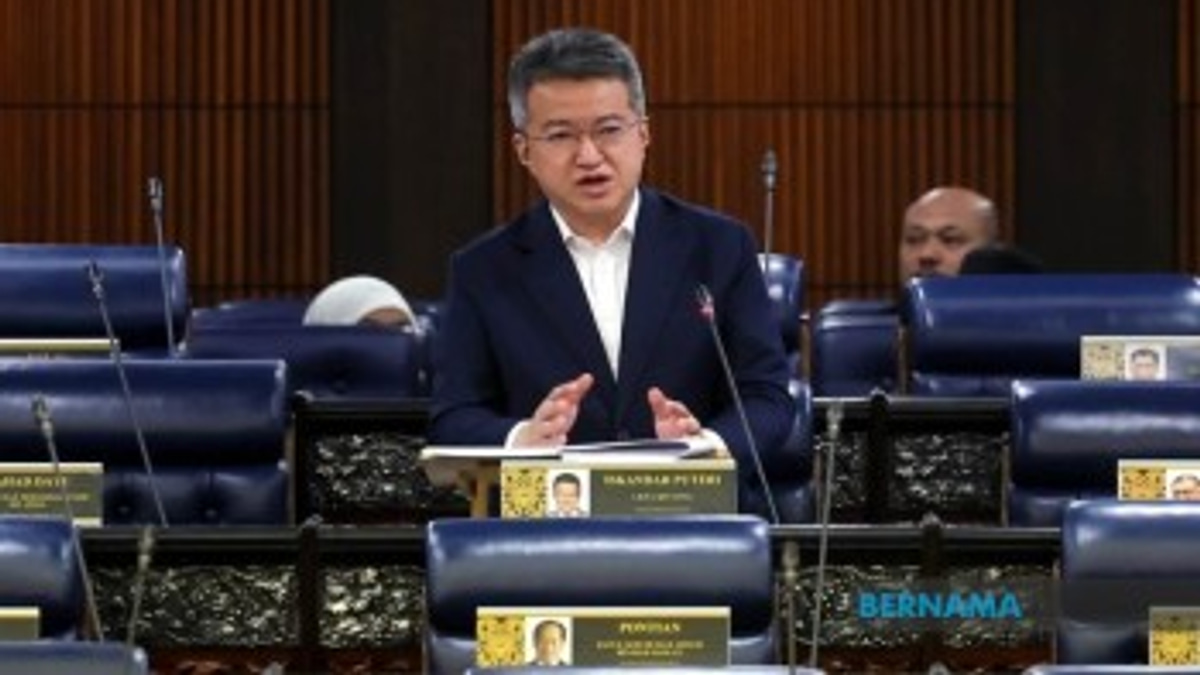
Deputy Finance Minister Liew Chin Tong says Malaysia's fiscal projections for Budget 2027 remain on track despite oil price volatility increasing subsidy expenditure by RM40 billion, with higher petroleum revenue helping offset the burden.
Malaysia's Ministry of Human Resources is intensifying efforts to create competitive employment opportunities in rural regions, implementing wage reforms and skills programmes to discourage youth migration to urban centres.
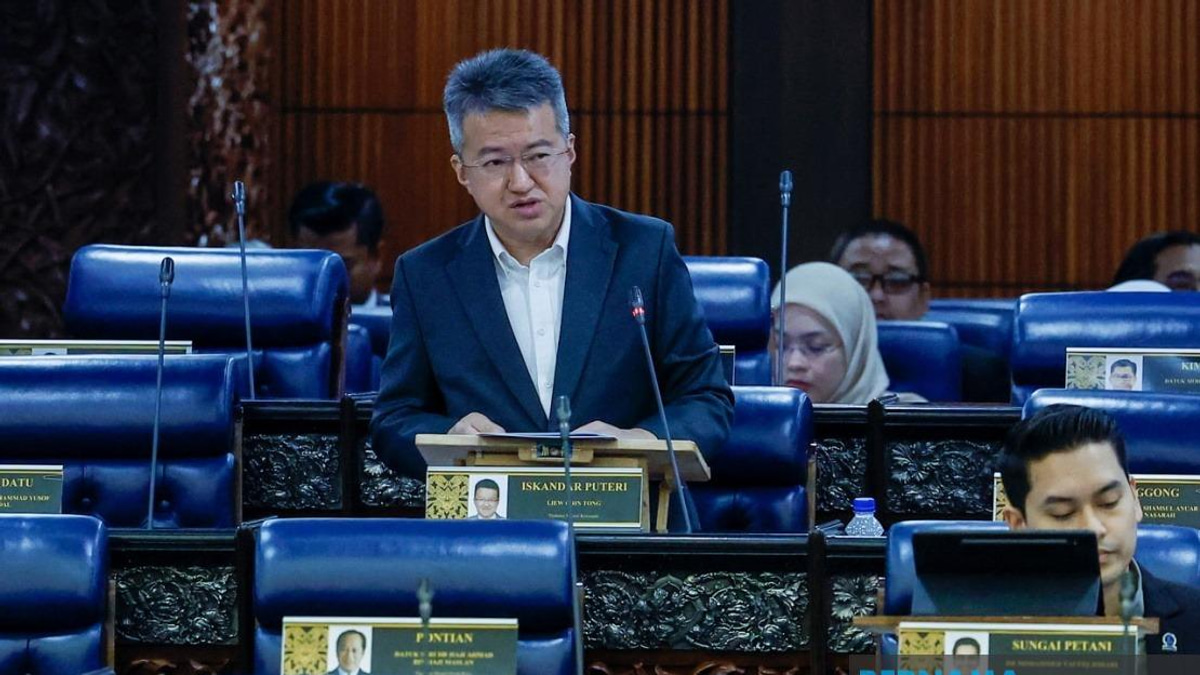
Malaysia's federal government has pledged that a RM1.5 billion increase in Sabah's interim special grant will not diminish the state's development and operating allocations, Deputy Finance Minister Liew Chin Tong confirmed in Parliament.
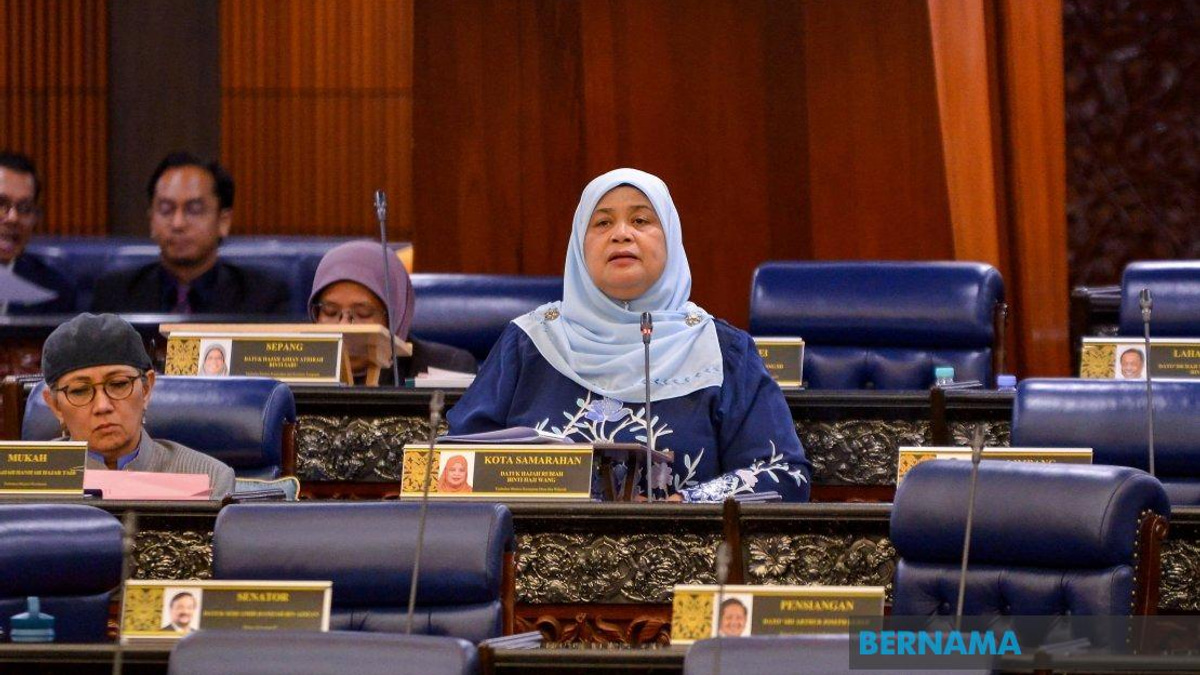
Malaysia is overhauling its TVET 2.0 framework with direct industry accreditation to ensure graduates meet labour market demands. The initiative emphasises advanced technology skills, entrepreneurship, and rural economic development.
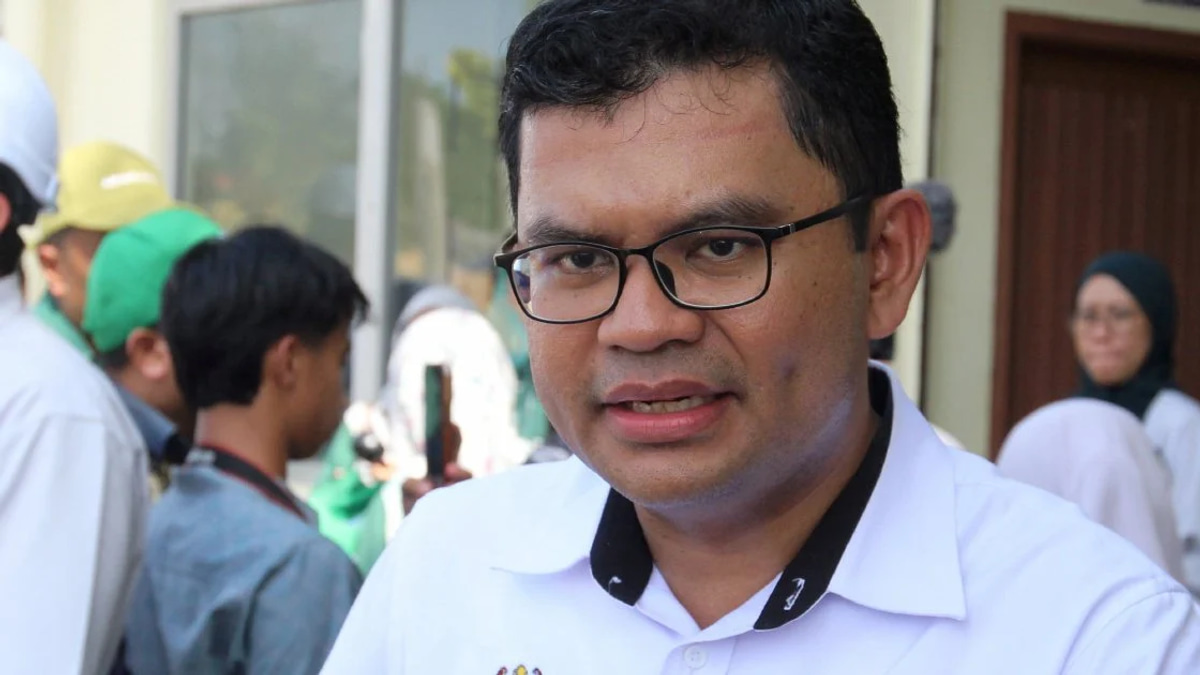
Malaysia's government has tasked two ministries with evaluating proposals from the plastics industry, which is grappling with widespread supply chain disruptions affecting manufacturers across Southeast Asia.
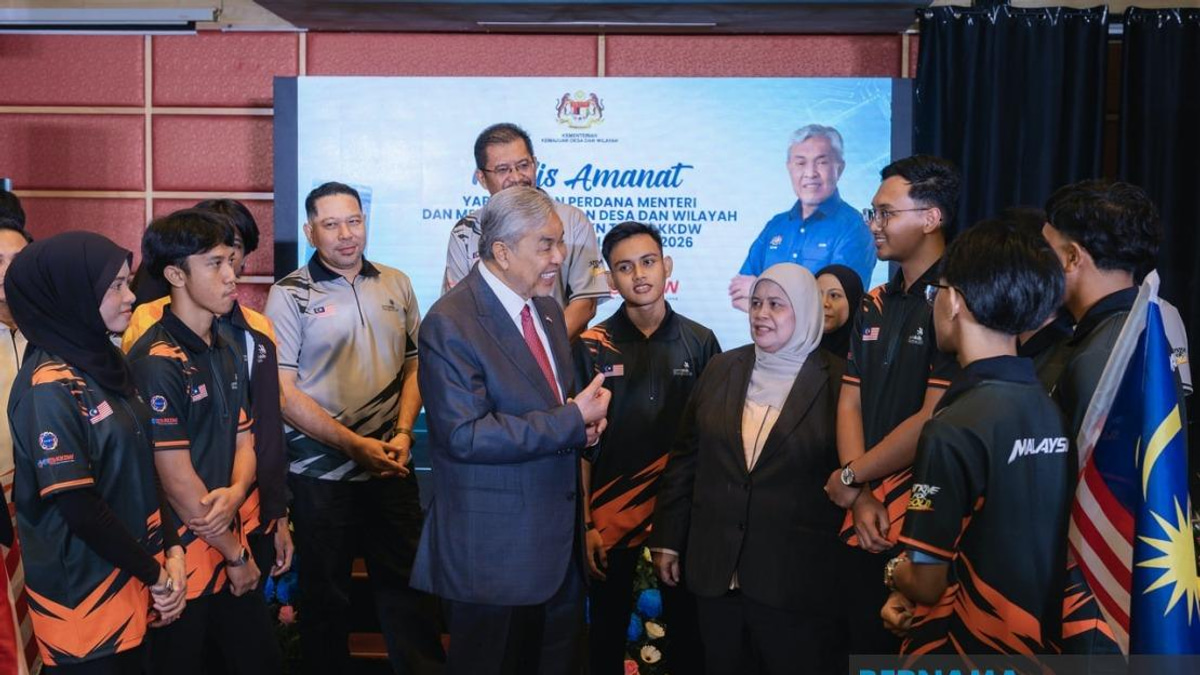
Deputy Prime Minister Ahmad Zahid has committed to fully fund umrah pilgrimages for Malaysian TVET participants who secure gold medals at the WorldSkills Competition 2026 in Shanghai, along with their parents.
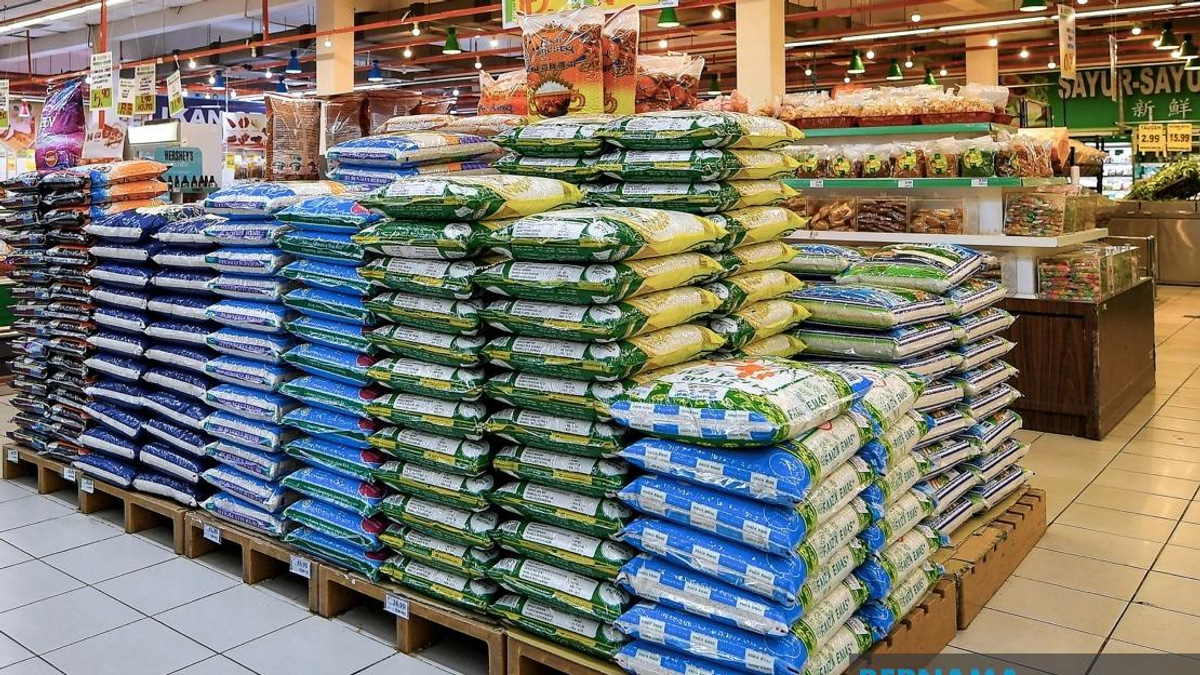
Malaysia's rice supply remains secure with a six-month buffer stock in place, Economy Minister Akmal Nasrullah confirmed. The government has pledged to keep Local White Rice prices stable while supporting paddy farmers with RM45.98 million in incentives.
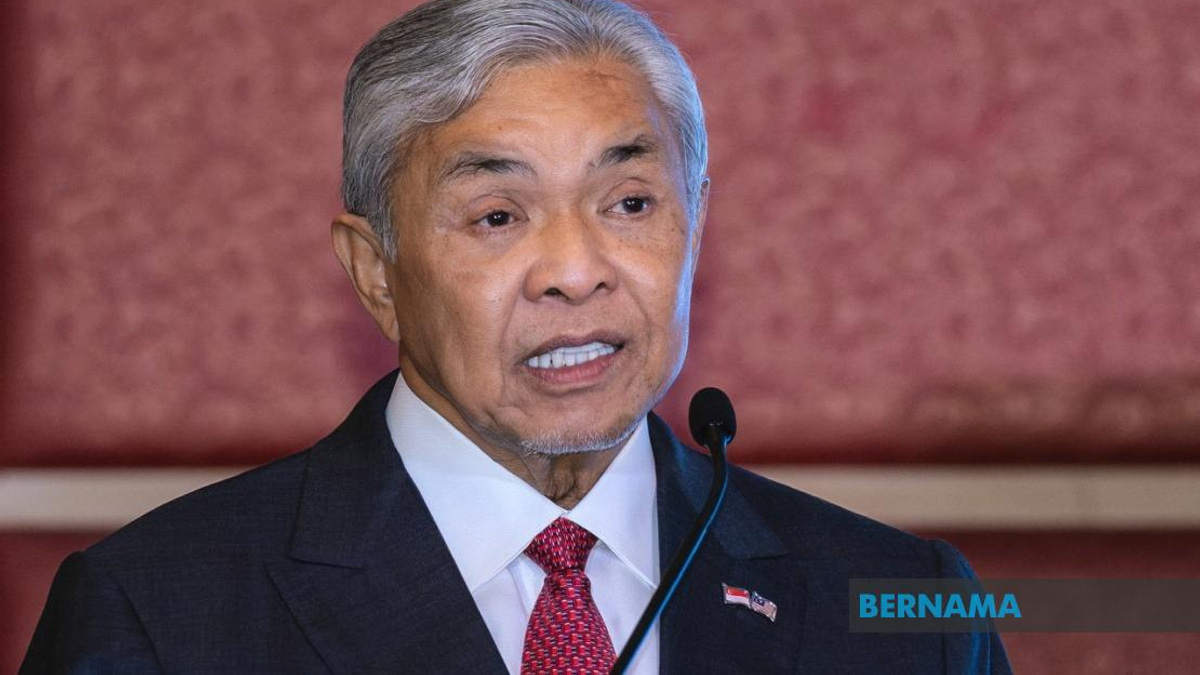
Deputy Prime Minister Ahmad Zahid Hamidi has pledged that Malaysian TVET graduates will enjoy near-perfect employment prospects through coordinated industry engagement, with job offers coming before course completion.
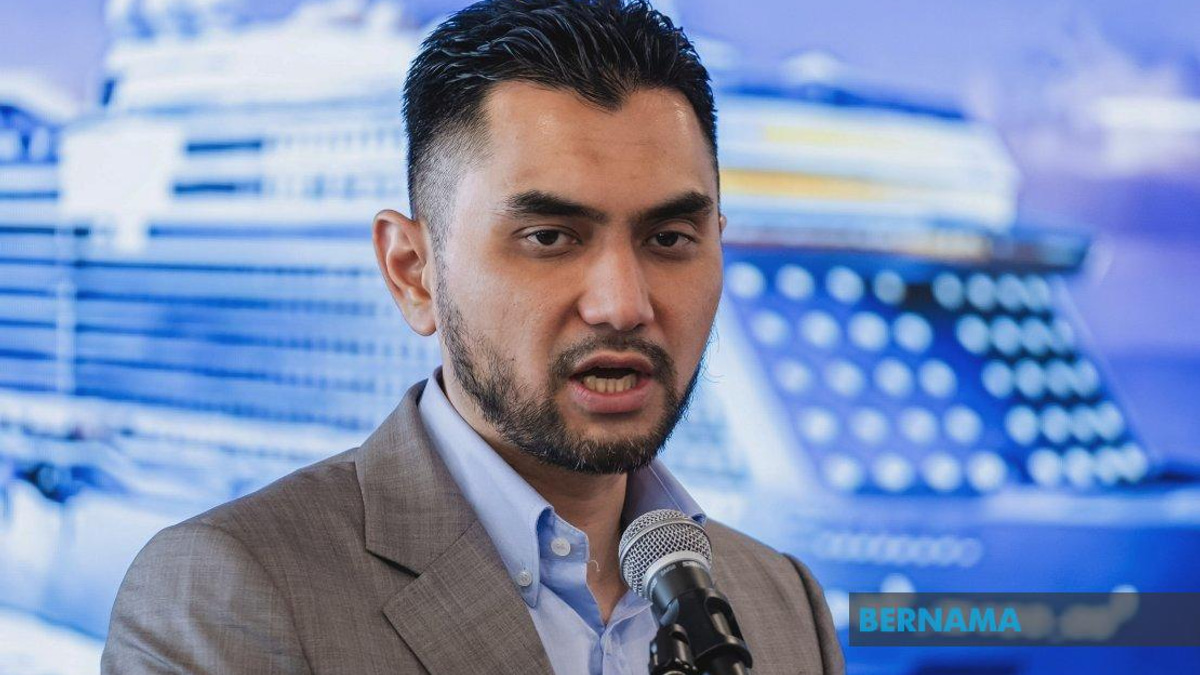
A Ministry of Human Resources study across three major Malaysian regions demonstrates that flexible work arrangements significantly enhance worker productivity and operational efficiency, with 81% of Klang Valley employees reporting improved job performance.
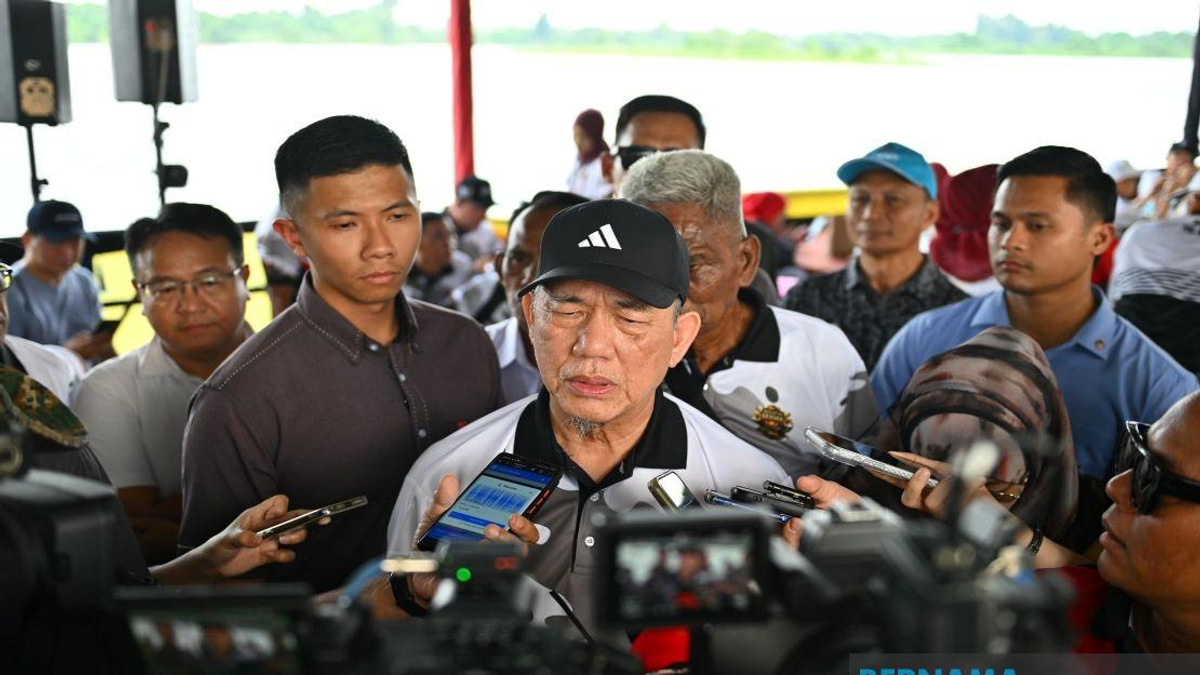
Deputy Prime Minister Datuk Seri Fadillah Yusof has assured Malaysians that the nation's energy supply remains secure despite escalating tensions in the Strait of Hormuz, with Petronas and the Prime Minister engaged in multilevel negotiations to safeguard energy security.
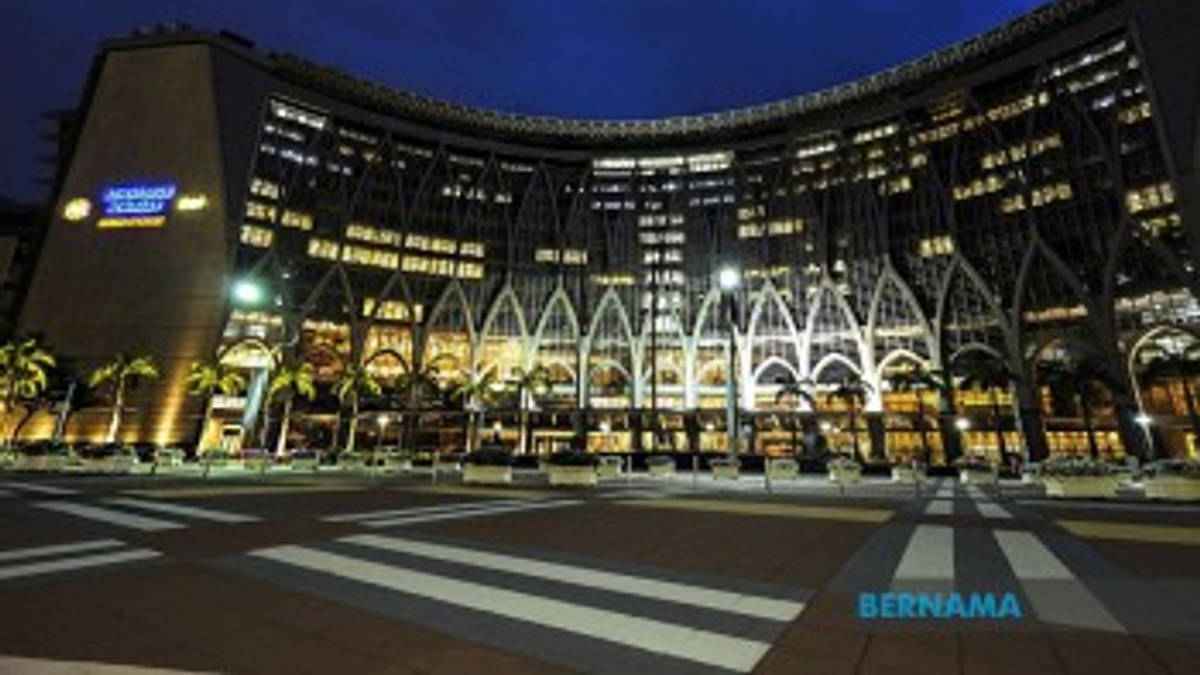
Malaysia's Finance Ministry has assured Parliament that the federal government's statutory debt will remain below the 65% GDP ceiling in 2026, even as the nation navigates regional geopolitical tensions and economic uncertainties.
Malaysia's economic outlook brightens as MBSB Investment Bank upgrades its 2026 GDP growth forecast to 4.5%, driven by robust export performance and stable inflation. The central bank is expected to maintain interest rates at 2.75%.
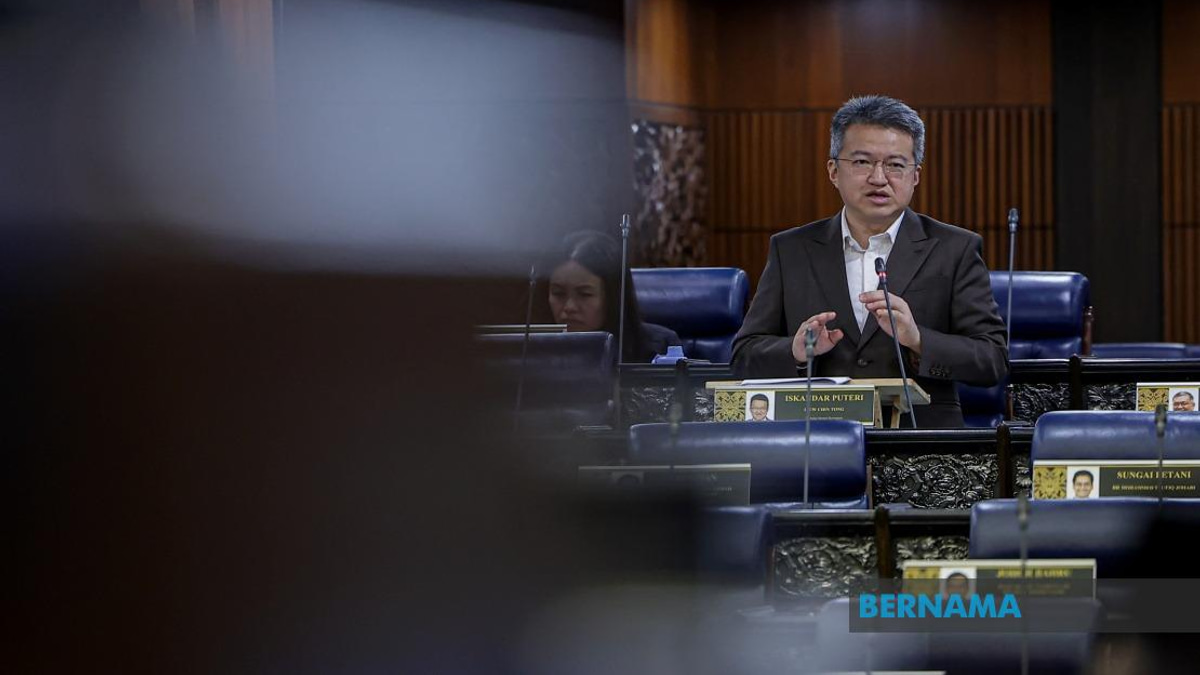
The Malaysian government is implementing sweeping governance reforms to restore international confidence following the 1MDB scandal, Deputy Finance Minister Liew Chin Tong told Parliament, citing record investments and improved competitiveness rankings.
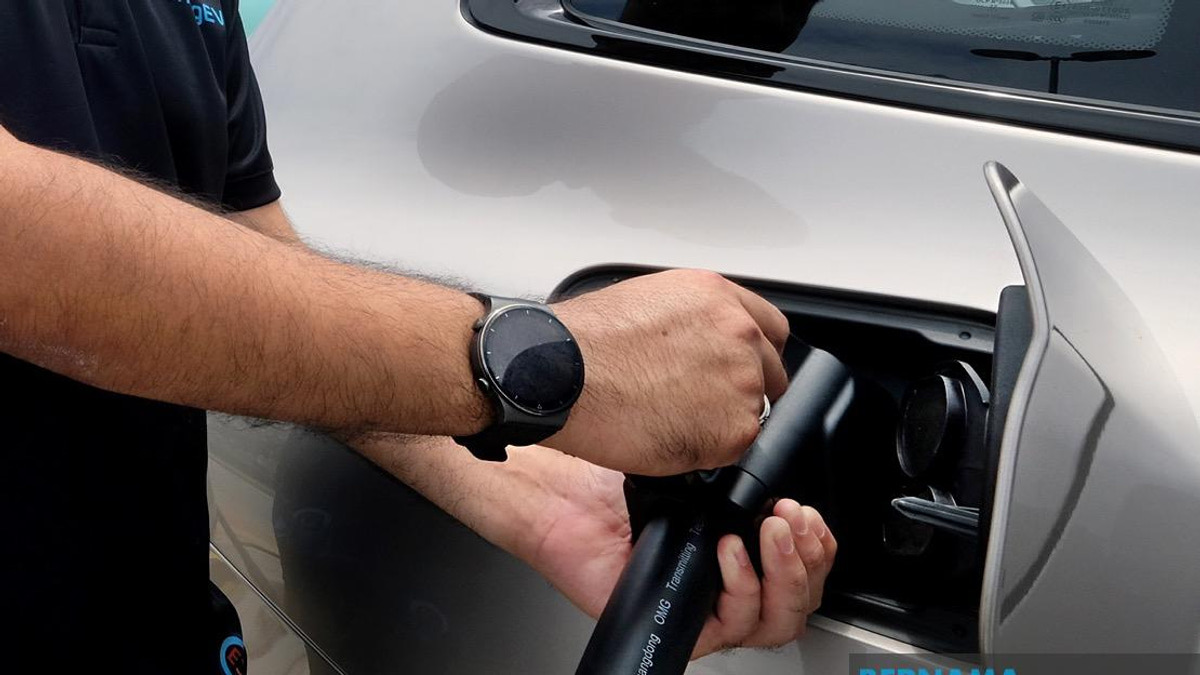
Malaysia has deployed 6,416 public electric vehicle chargers nationwide as of May 2026, comprising 2,143 DC fast chargers and 4,273 AC units, according to the Ministry of Investment, Trade and Industry.
%22%2F%3E%3C%2Fpattern%3E%3C%2Fdefs%3E%3Crect%20width%3D%22100%25%22%20height%3D%22100%25%22%20fill%3D%22url(%23ph4g2zwg)%22%2F%3E%3Crect%20width%3D%22100%25%22%20height%3D%22100%25%22%20fill%3D%22url(%23ph4g2zwp)%22%2F%3E%3Ctext%20x%3D%2250%25%22%20y%3D%2250%25%22%20text-anchor%3D%22middle%22%20dominant-baseline%3D%22central%22%20fill%3D%22rgba(255%2C255%2C255%2C0.95)%22%20font-family%3D%22Georgia%2C%20'Times%20New%20Roman'%2C%20serif%22%20font-weight%3D%22700%22%20font-size%3D%22170%22%20letter-spacing%3D%22-0.02em%22%3EMalaysia%3C%2Ftext%3E%3C%2Fsvg%3E)
Malaysia's Halal Home Grown Champion programme has generated RM187.91 million in potential sales for 313 halal enterprises, including 158 Bumiputera and 52 women-owned firms, positioning the nation to expand its global halal market leadership.
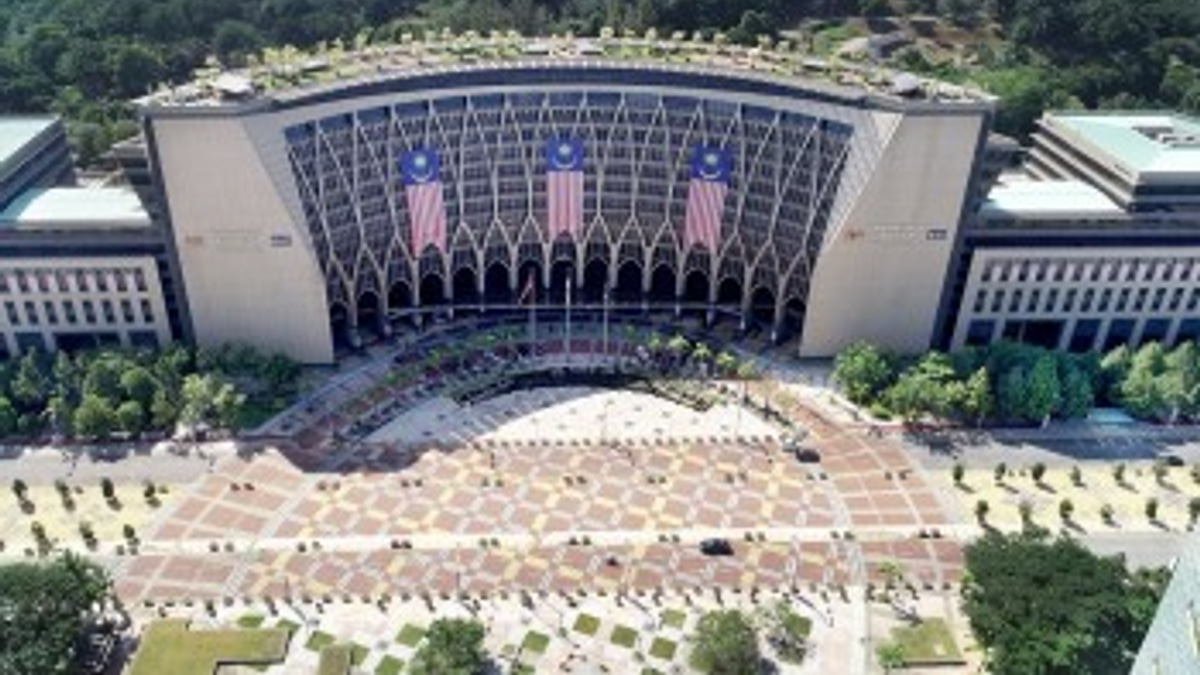
The MADANI government is reinforcing its commitment to financial stability through coordinated efforts with Bank Negara Malaysia and the banking sector, introducing consumer-friendly products and targeted relief for businesses affected by global economic headwinds.
%22%2F%3E%3C%2Fpattern%3E%3C%2Fdefs%3E%3Crect%20width%3D%22100%25%22%20height%3D%22100%25%22%20fill%3D%22url(%23ph24476g)%22%2F%3E%3Crect%20width%3D%22100%25%22%20height%3D%22100%25%22%20fill%3D%22url(%23ph24476p)%22%2F%3E%3Ctext%20x%3D%2250%25%22%20y%3D%2250%25%22%20text-anchor%3D%22middle%22%20dominant-baseline%3D%22central%22%20fill%3D%22rgba(255%2C255%2C255%2C0.95)%22%20font-family%3D%22Georgia%2C%20'Times%20New%20Roman'%2C%20serif%22%20font-weight%3D%22700%22%20font-size%3D%22170%22%20letter-spacing%3D%22-0.02em%22%3EMalaysia%3C%2Ftext%3E%3C%2Fsvg%3E)
Malaysia's growing household food waste is driven by rising incomes and changing lifestyles, particularly in urban areas and wealthier states, according to outgoing Chief Statistician Datuk Seri Dr Mohd Uzir Mahidin.
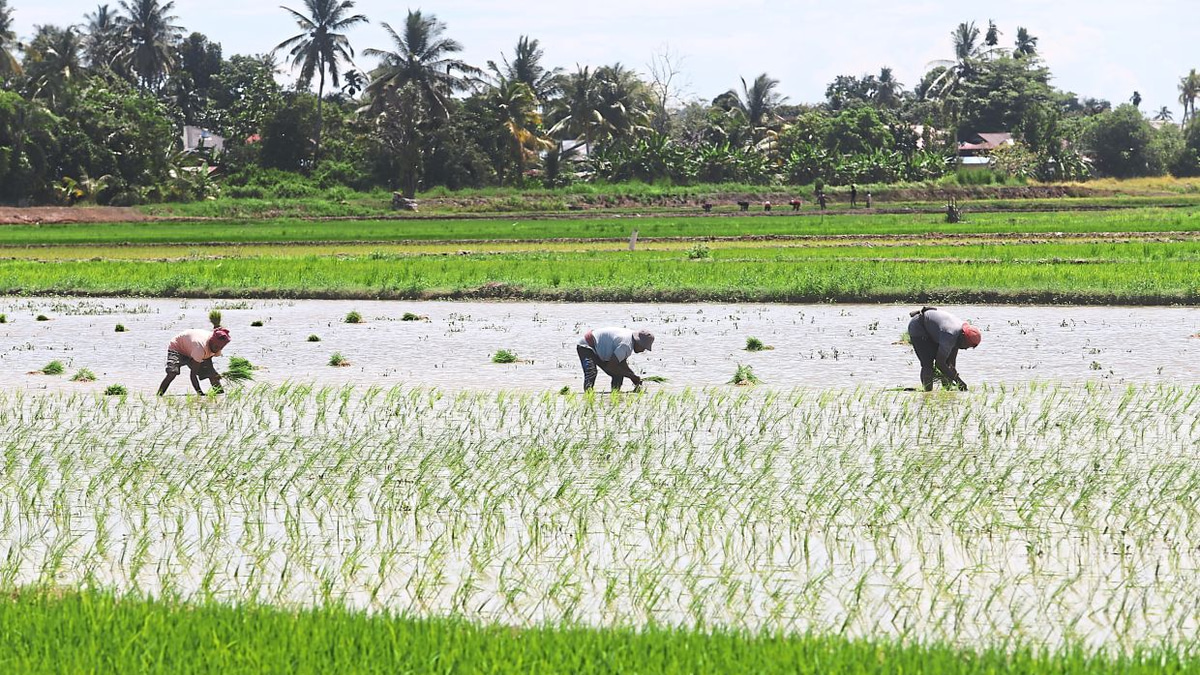
Malaysia has maintained stable food prices despite Middle East tensions disrupting global oil and plastic supplies through targeted government subsidies, increased agricultural incentives, and strategic stockpiling, though long-term resilience requires boosting domestic production.
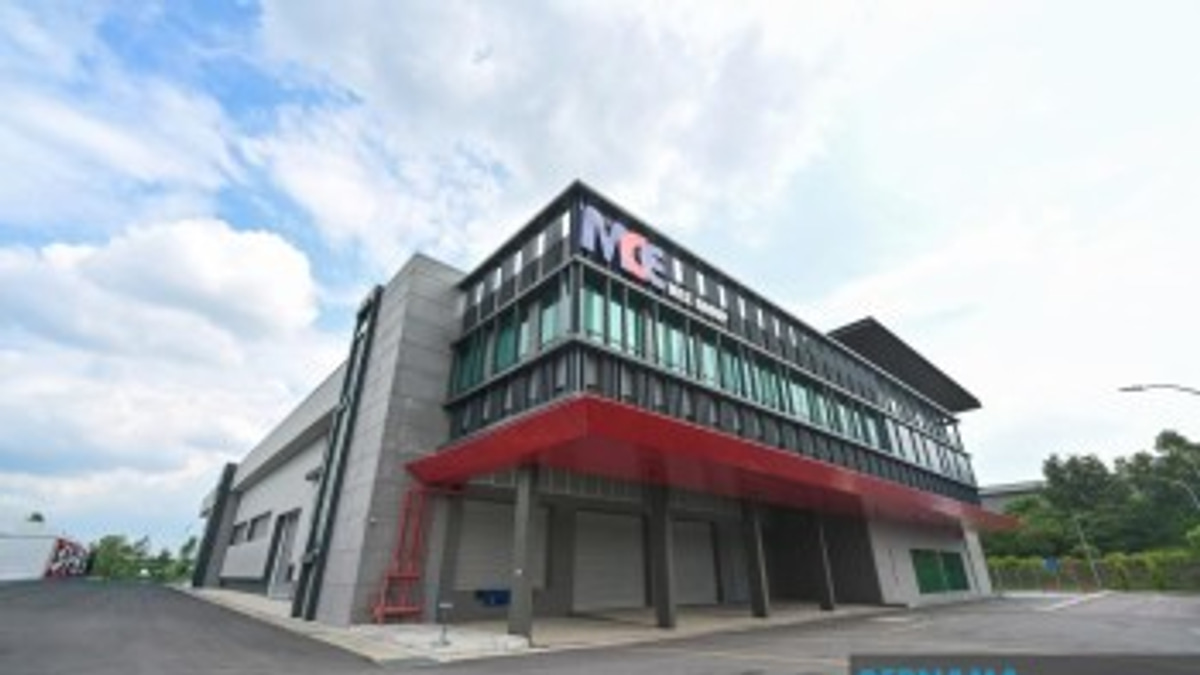
MCE Holdings has unveiled a RM50 million automotive electronics manufacturing facility in Serendah as part of a broader RM200 million investment strategy to expand Malaysia's advanced automotive capabilities and serve regional and international markets.
CIMB Treasury researchers anticipate Bank Negara Malaysia will hold its benchmark interest rate at 2.75% this Thursday, supported by easing global oil markets and moderating inflation expectations across the region.
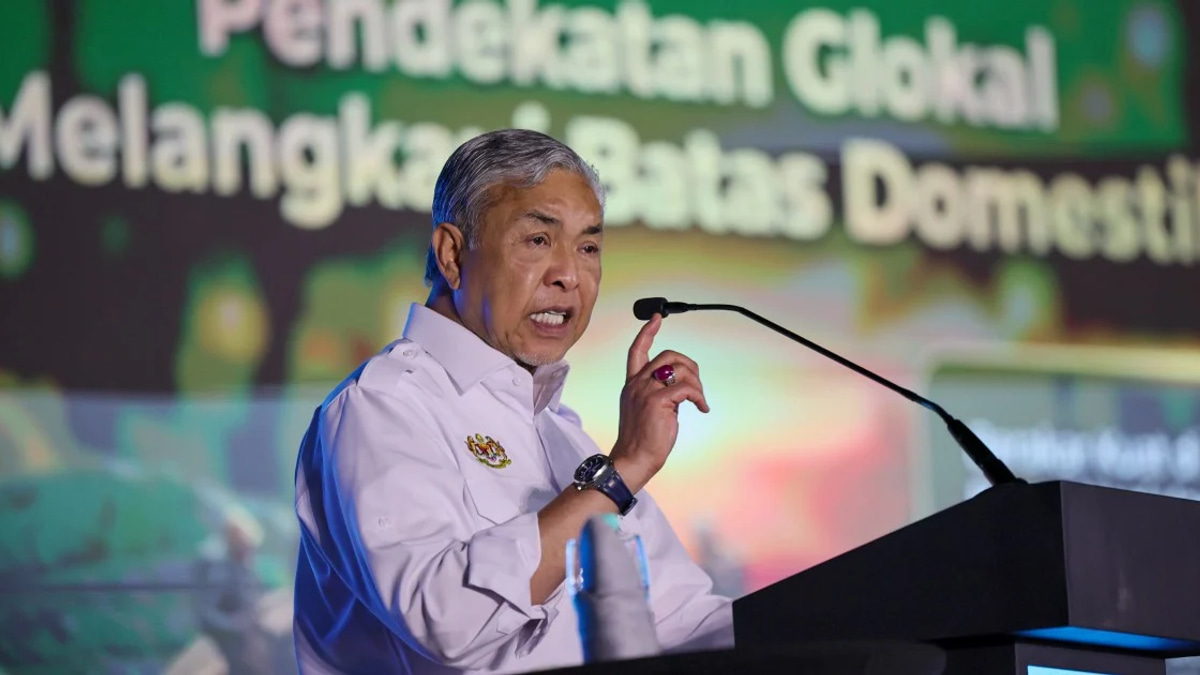
Deputy Prime Minister Ahmad Zahid Hamidi has emphasised that Malaysia's National Rural Economic Agenda should serve as a strategic blueprint, ensuring rural communities advance in harmony with global development priorities and international standards.
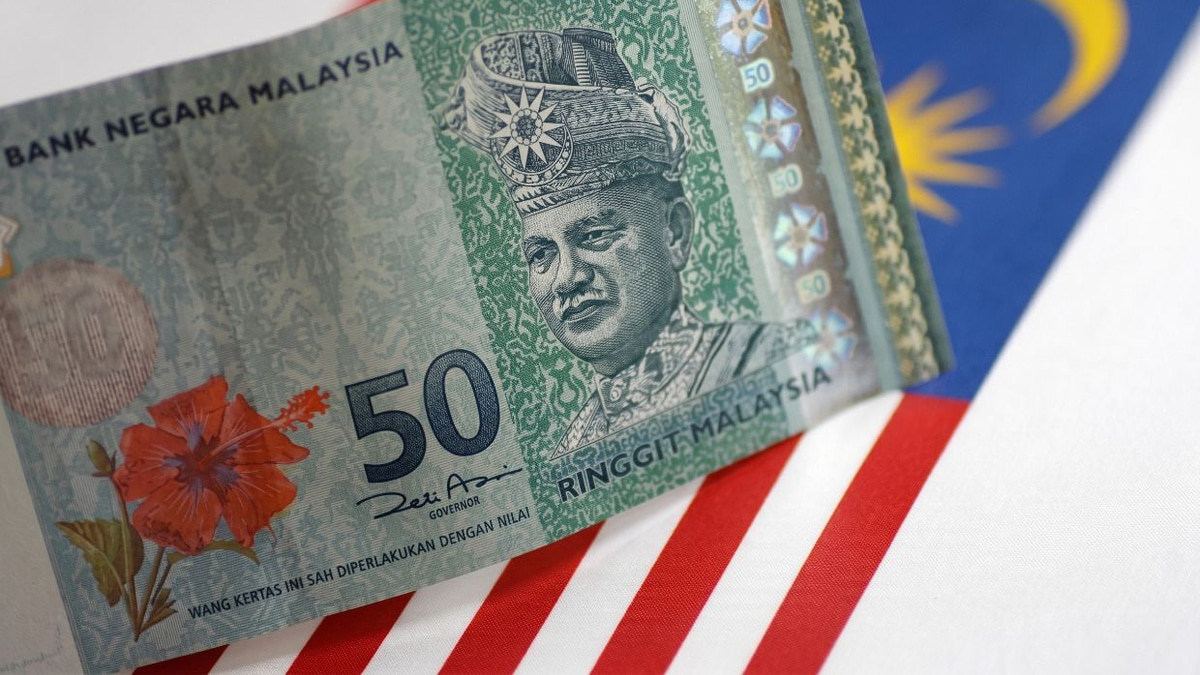
The ringgit is expected to rebound after a weak first half, with Bank Negara Malaysia's push to encourage foreign-exchange inflows and Malaysia's solid trade performance supporting currency recovery through year-end.
Malaysia's Small and Medium Enterprises Association is pushing lending agencies to release regular transparency reports and strengthen whistleblower protections to eliminate cronyism and political interference from MSME financing decisions.
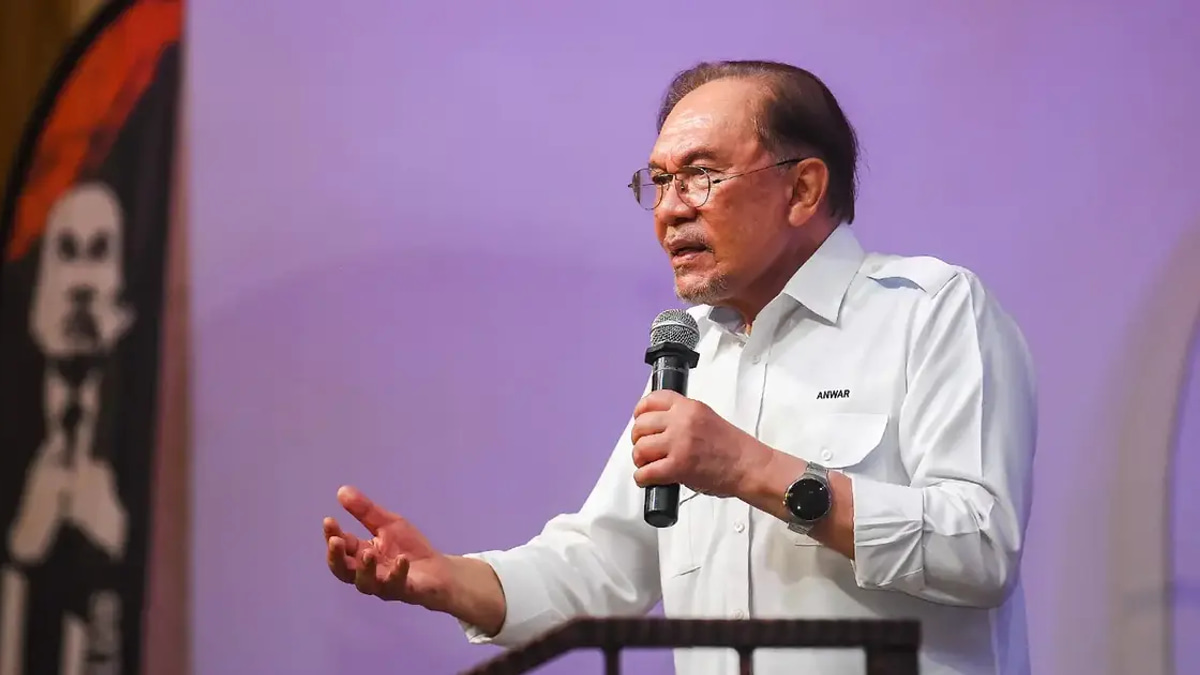
Prime Minister Anwar Ibrahim has expressed concern over mounting delays in affordable housing delivery across Johor, citing sharp property price increases that have priced out young people and new families from the property market.
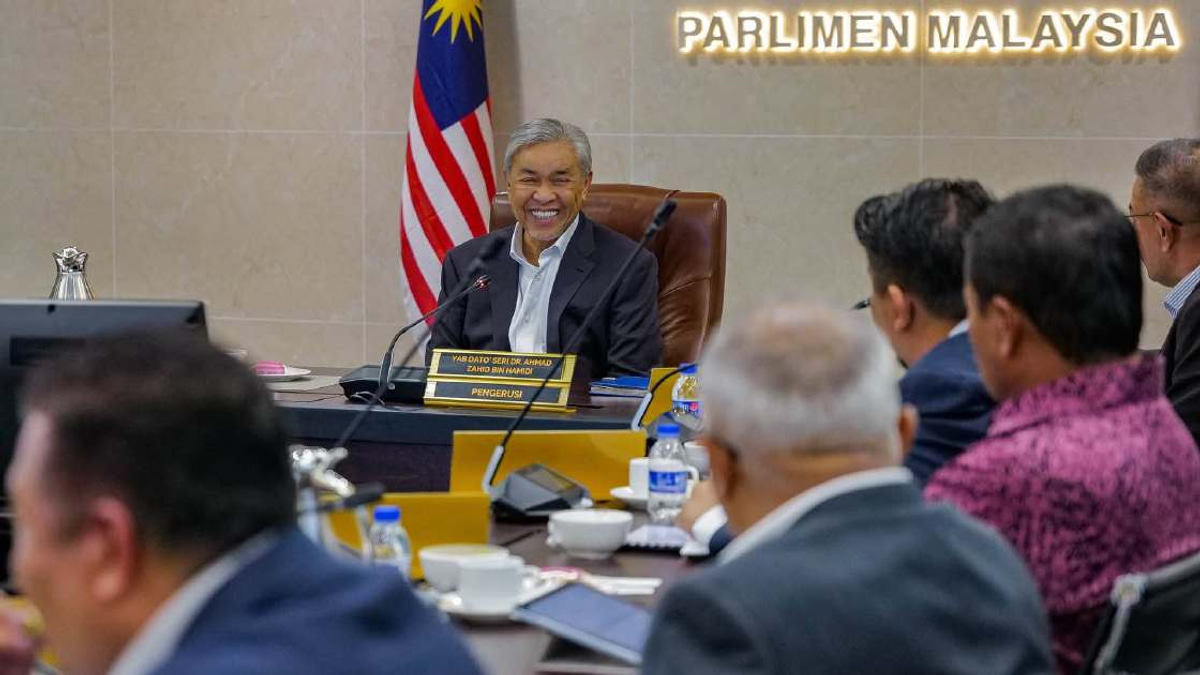
Deputy Prime Minister Ahmad Zahid Hamidi has unveiled plans to restructure Malaysia's foreign worker management framework, emphasising greater inter-agency coordination and responsiveness to sector-specific labour needs.

Prime Minister Anwar Ibrahim has highlighted the government's expanded cash assistance programme as evidence of the Madani economic reform agenda's success, with some families now receiving up to RM1,800 in direct support.
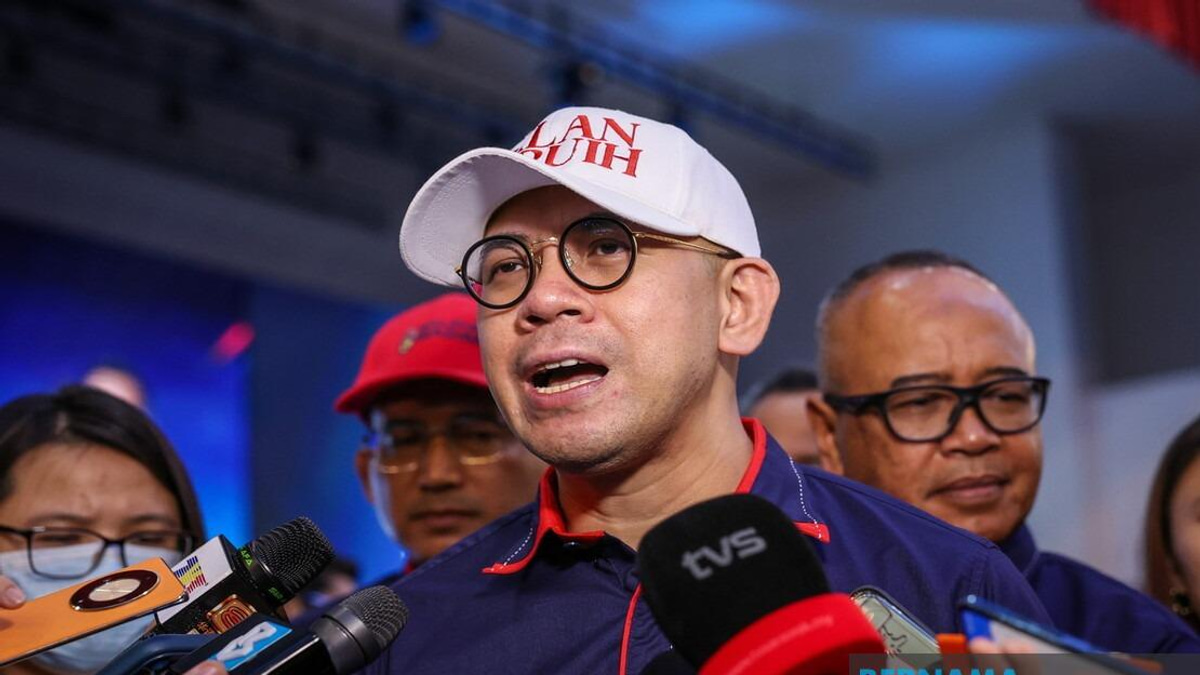
Micro, small and medium enterprises represent 97 per cent of Malaysia's business transactions and contribute approximately 52 per cent of GDP, Deputy Prime Minister Ahmad Zahid said, emphasising their vital role in job creation and economic stability.
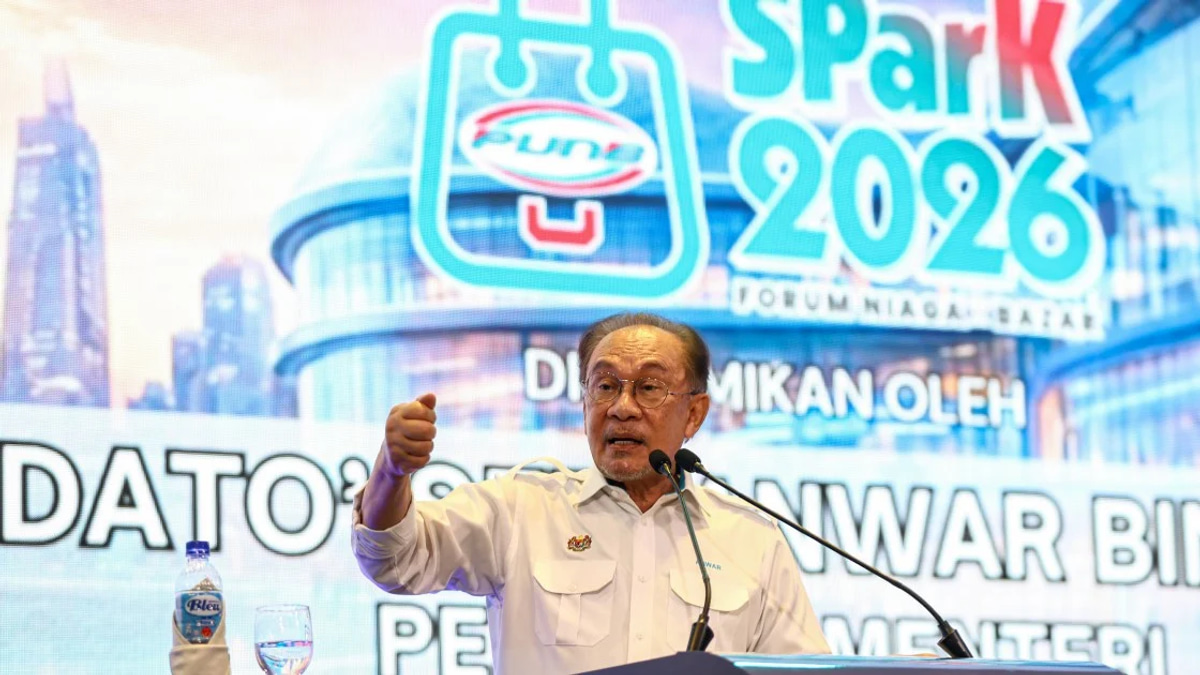
Prime Minister Anwar Ibrahim has demanded an overhaul of Bumiputera financing mechanisms, urging an end to political patronage in fund allocation and calling for merit-based assessment of entrepreneurs seeking business capital.
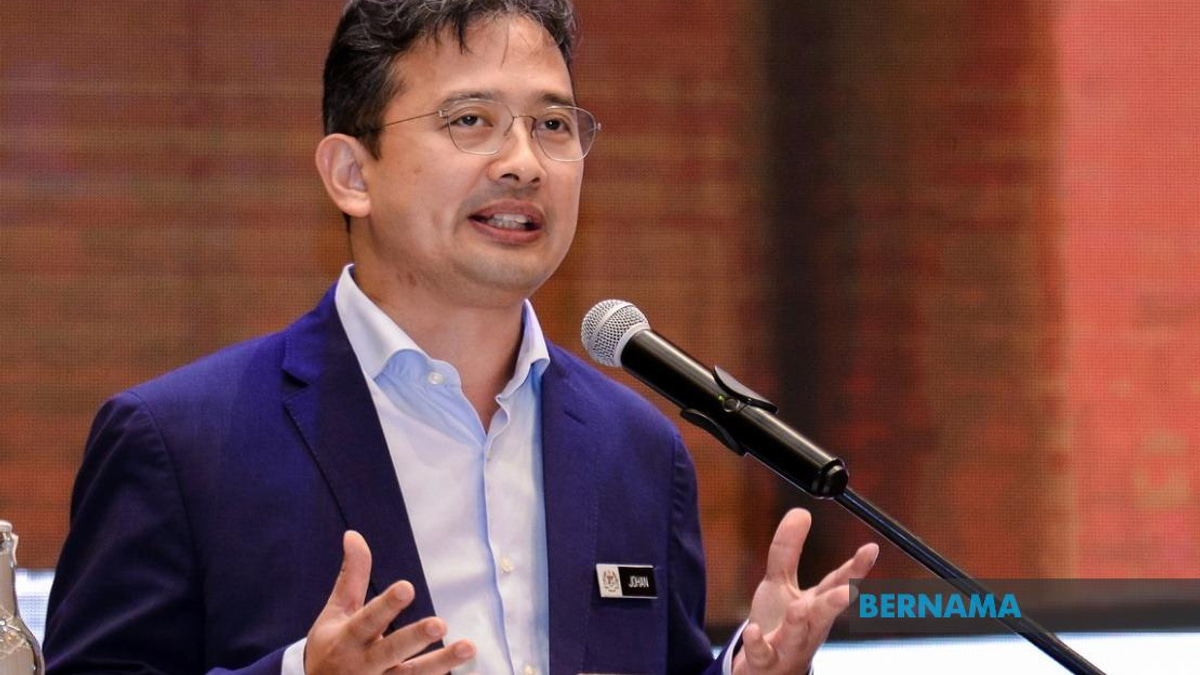
The government's new BUDI Diesel subsidy scheme has already served nearly 200,000 private diesel vehicle owners since launching on July 1, with Treasury officials reporting smooth operations and only minor accessibility issues during the crucial first days.
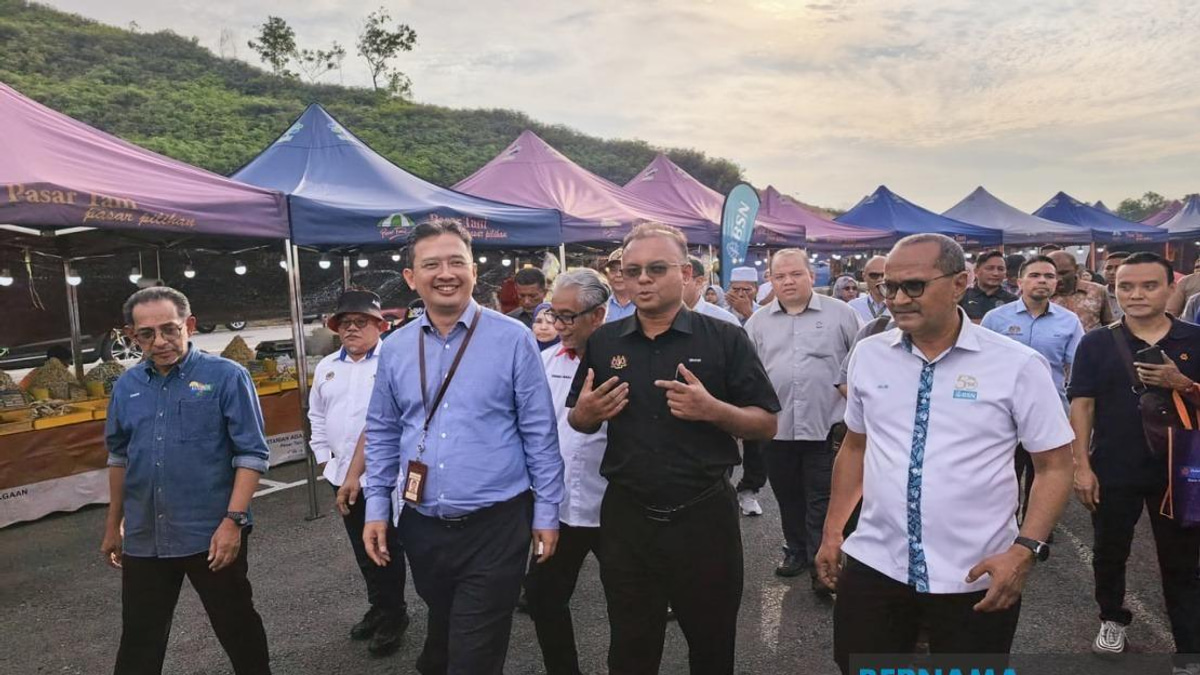
Malaysia's government is ramping up on-the-ground campaigns to inform entrepreneurs about RM5 billion in available micro-financing, with Treasury officials and banking partners engaging traders directly at markets to improve uptake.
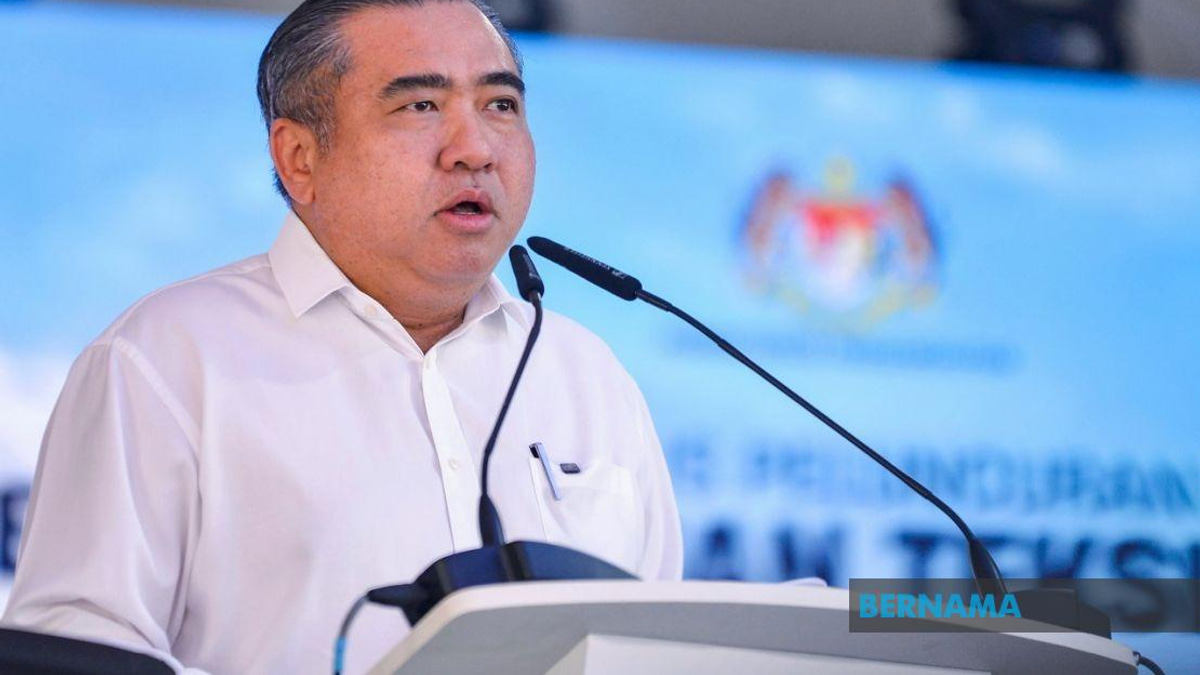
Malaysia's MADANI Taxi Reform Programme grants taxi drivers outright vehicle ownership through a new financing model, replacing the traditional leasing system. The initiative features Proton S70 sedans and digital integration to boost driver earnings.
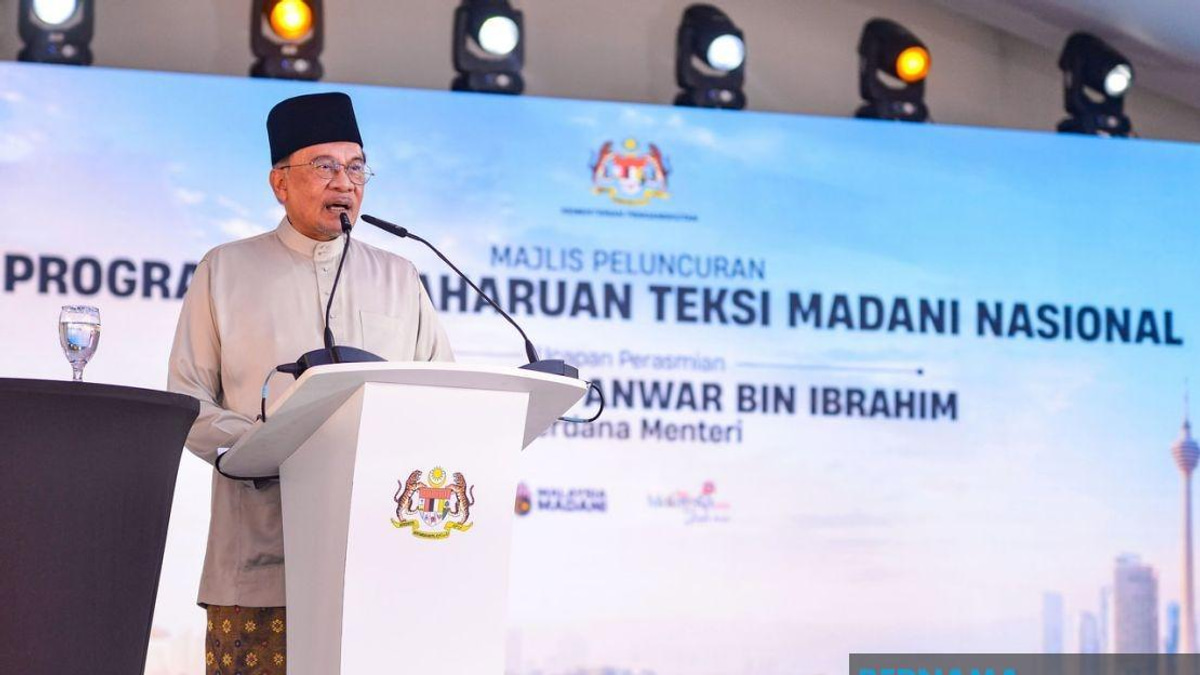
Prime Minister Anwar Ibrahim has injected an extra RM10 million into the taxi replacement programme following strong initial uptake, while securing a partnership with Proton to offer affordable financing for the S70 model.
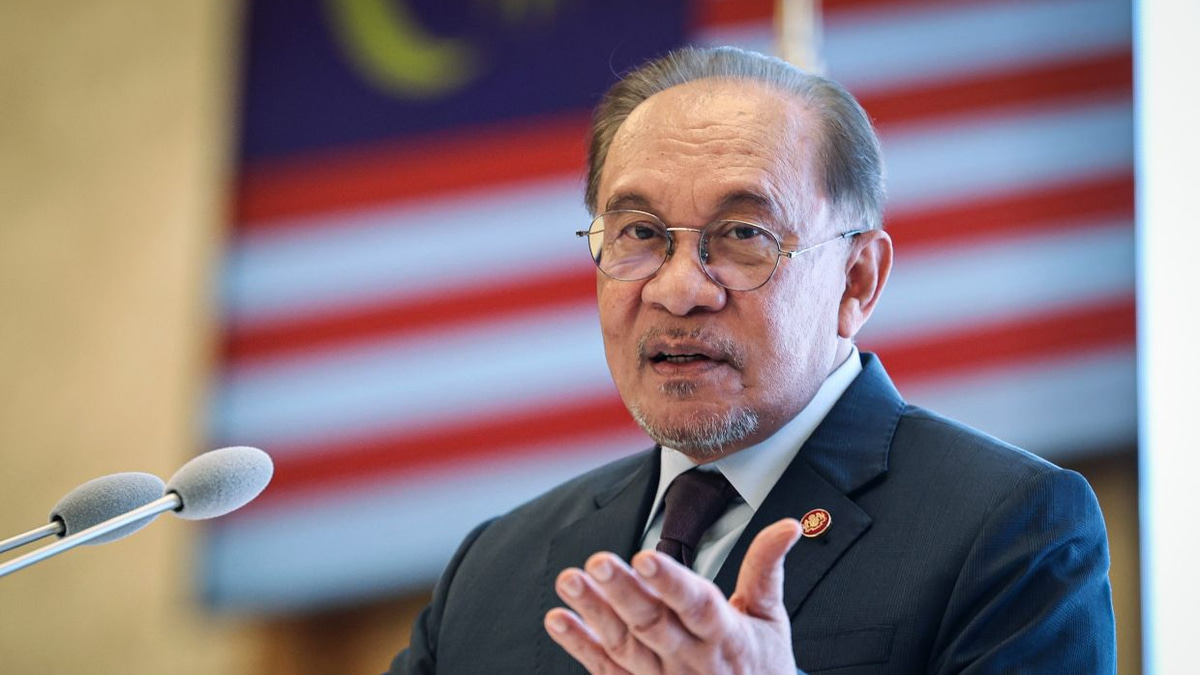
Prime Minister Anwar Ibrahim underscores Malaysia's significance as a trading nation positioned on critical global supply routes, emphasising ASEAN centrality and economic diversification across West Asia, Central Asia, Africa and Latin America.
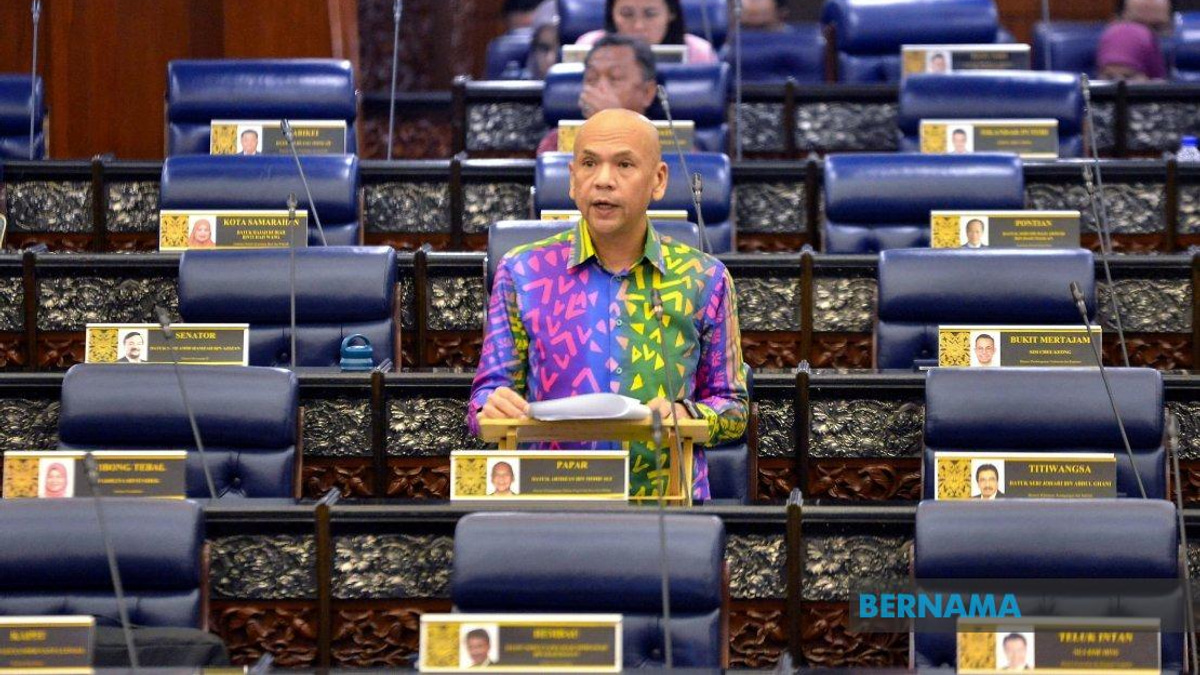
The Malaysia Competition Commission will gain authority to pay cash rewards to whistleblowers and grant penalty cuts up to 40% for early-admitting enterprises under proposed amendments strengthening cartel enforcement.
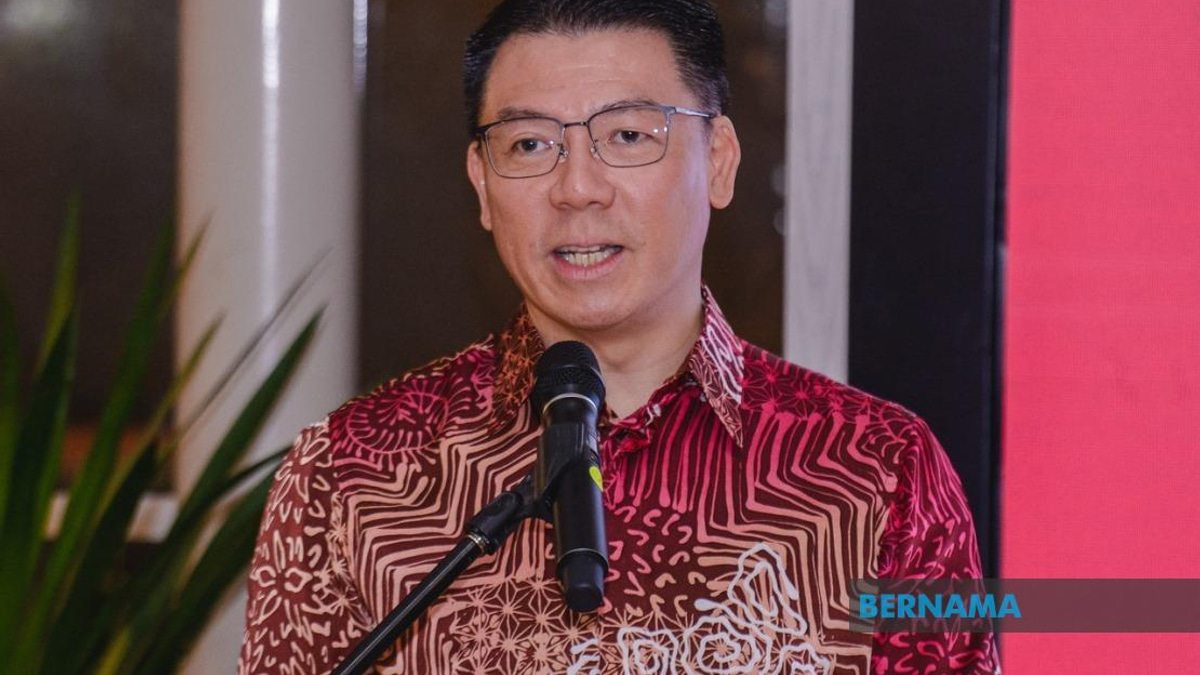
Malaysia's Housing Ministry will offer a 10 per cent discount on home purchases during AREC 2026 in July, aimed at easing buyer financial burden. The initiative, developed with REHDA, supports the government's affordability agenda.
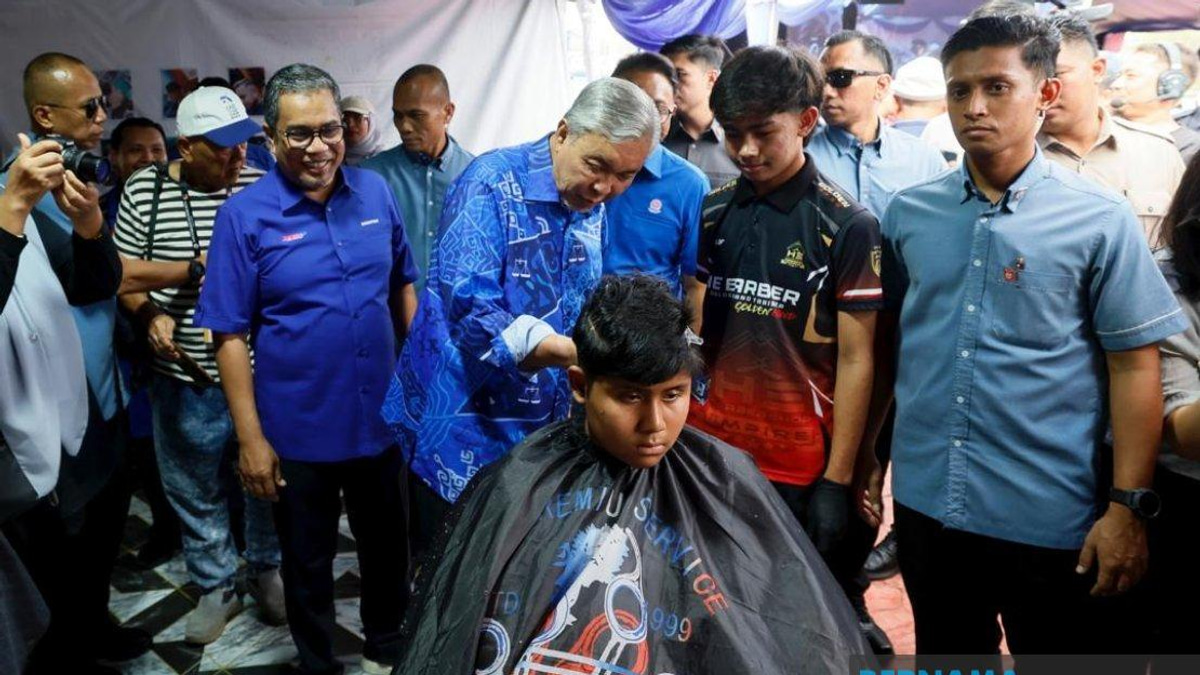
Malaysia's unemployment rate improved to 2.9 per cent last year from 3.2 per cent in 2024, according to Deputy Prime Minister Ahmad Zahid Hamid, who credited expanded skills training and vocational education initiatives.
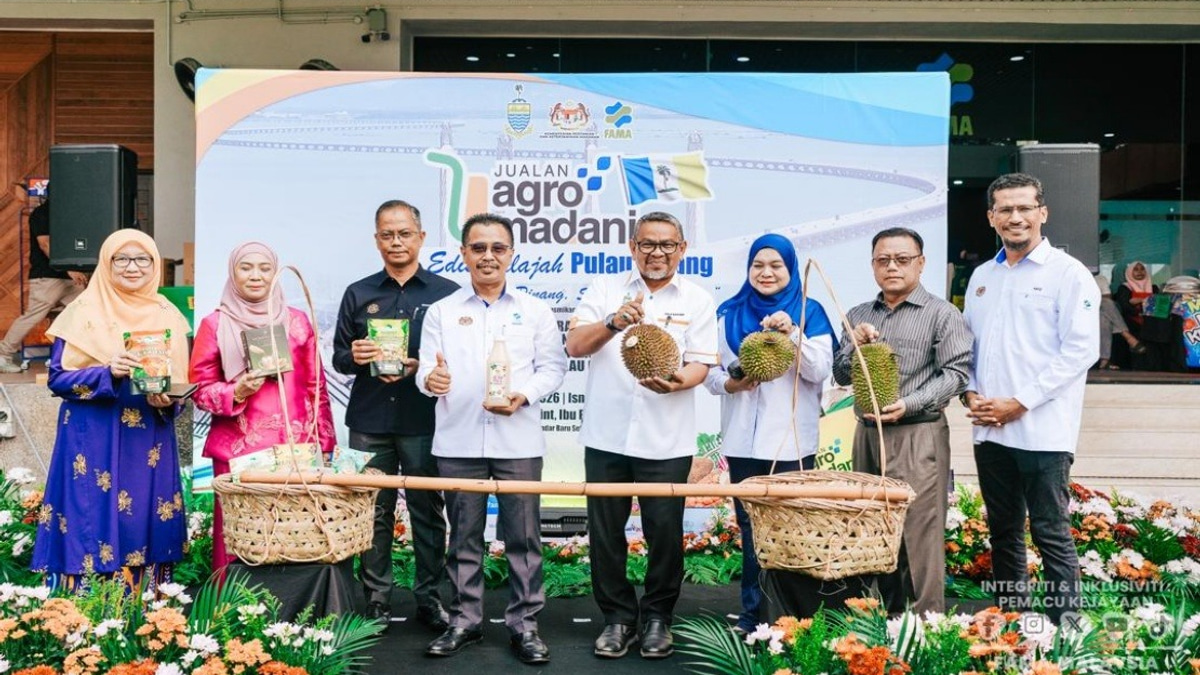
Malaysia's Federal Agricultural Marketing Authority has recorded RM46.72 million in sales through its Agro MADANI programme in the first five months of 2024, conducting 1,833 nationwide events to connect farmers and producers directly with consumers.
Malaysia's People's Income Initiative has lifted 7,787 households out of poverty in nearly three years, with participants earning over RM2,000 monthly. The scheme complements existing anti-poverty efforts.
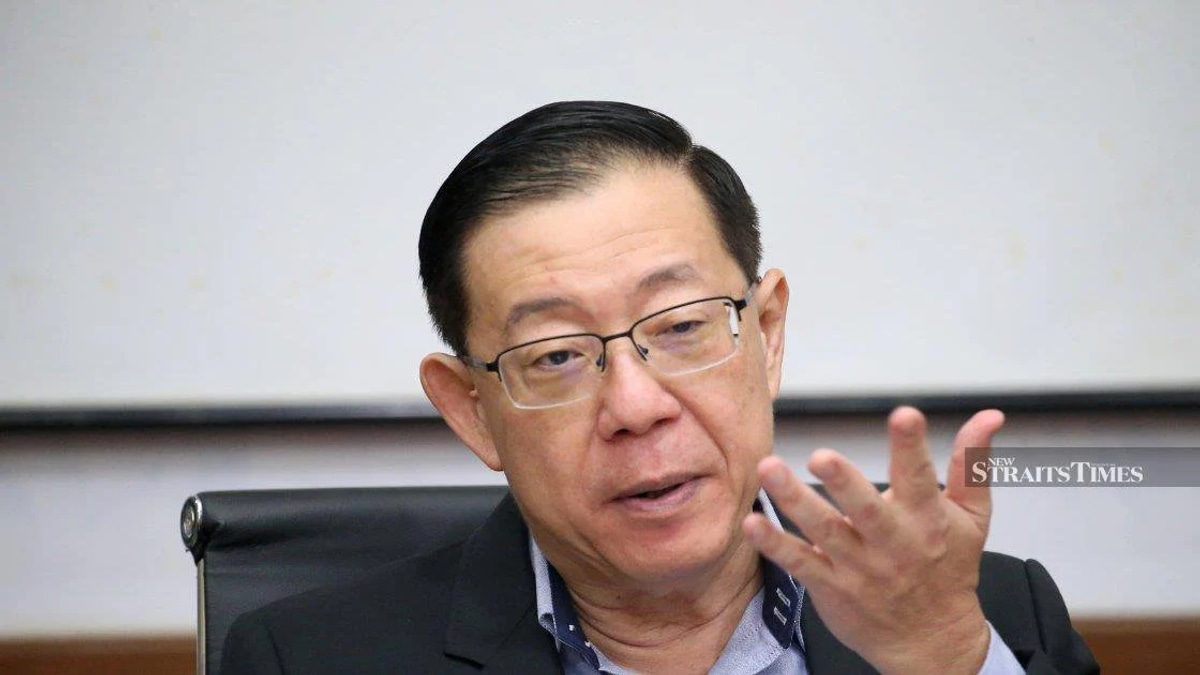
DAP lawmaker Lim Guan Eng has called on Prime Minister Anwar Ibrahim to immediately restore RM2.8 billion in federal funding that Penang claims was shortchanged between 2023 and 2025.
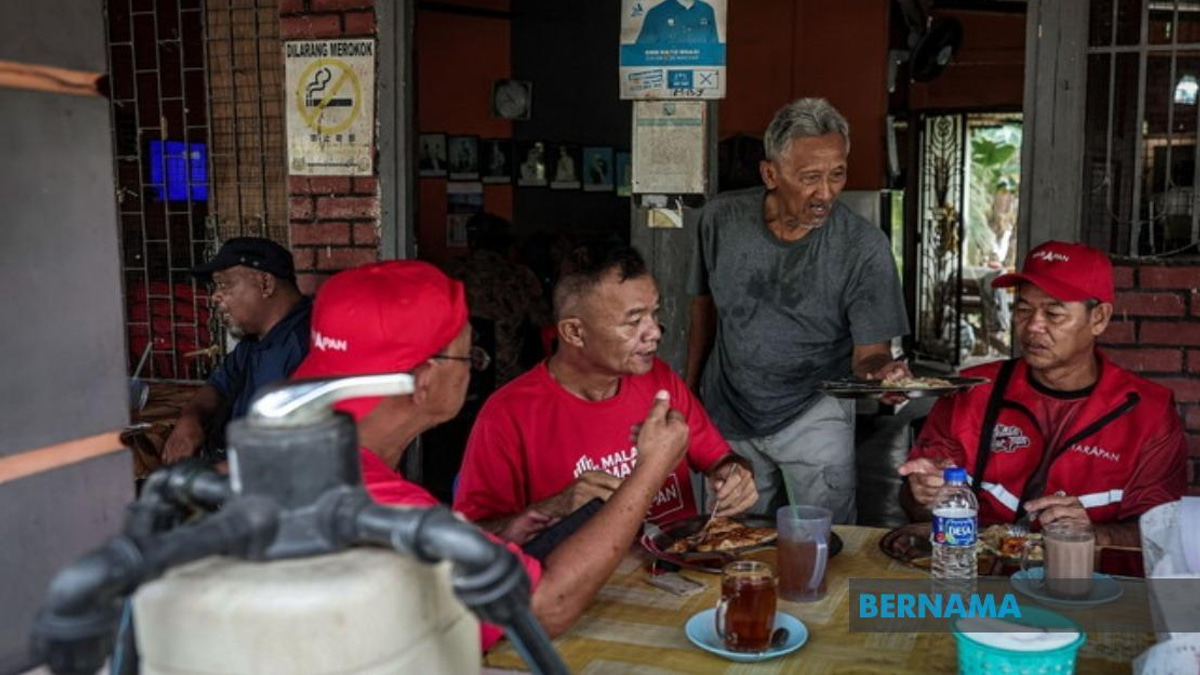
The Johor state election campaign has delivered an unexpected economic boost to petty traders and food vendors across the state, with business owners reporting significant increases in daily sales and customer footfall.
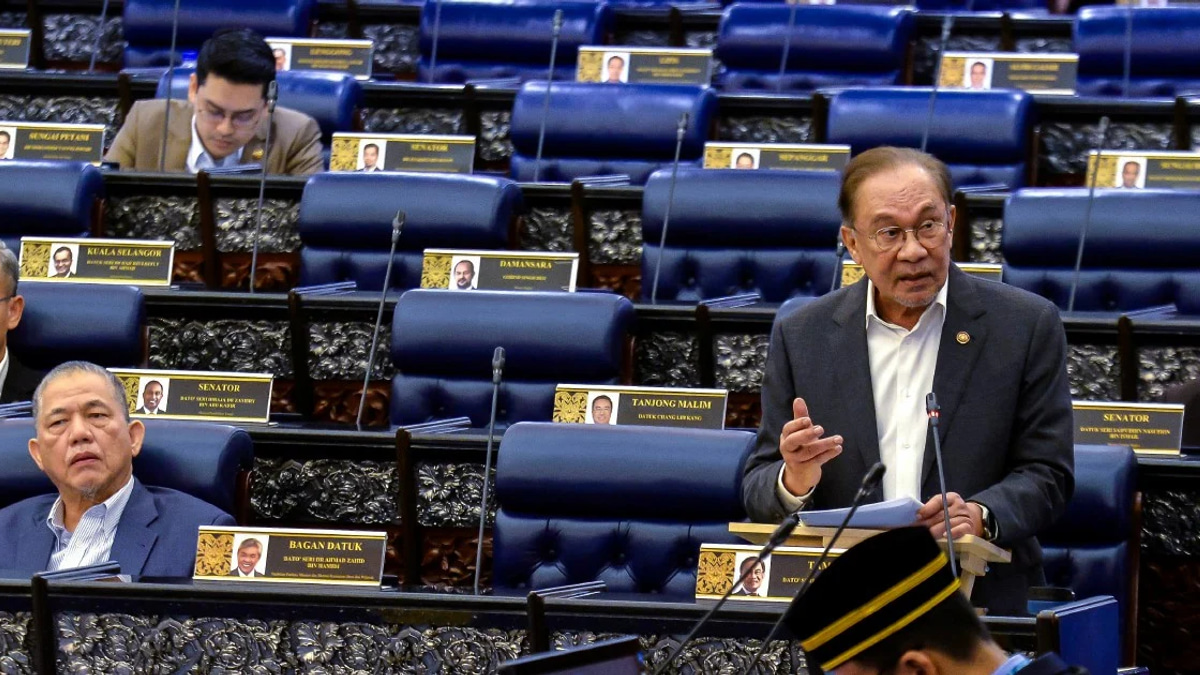
Malaysia's household debt has climbed to RM1.73 trillion, equivalent to 84.4 per cent of GDP, according to Prime Minister Anwar Ibrahim, raising concerns about consumer financial health.
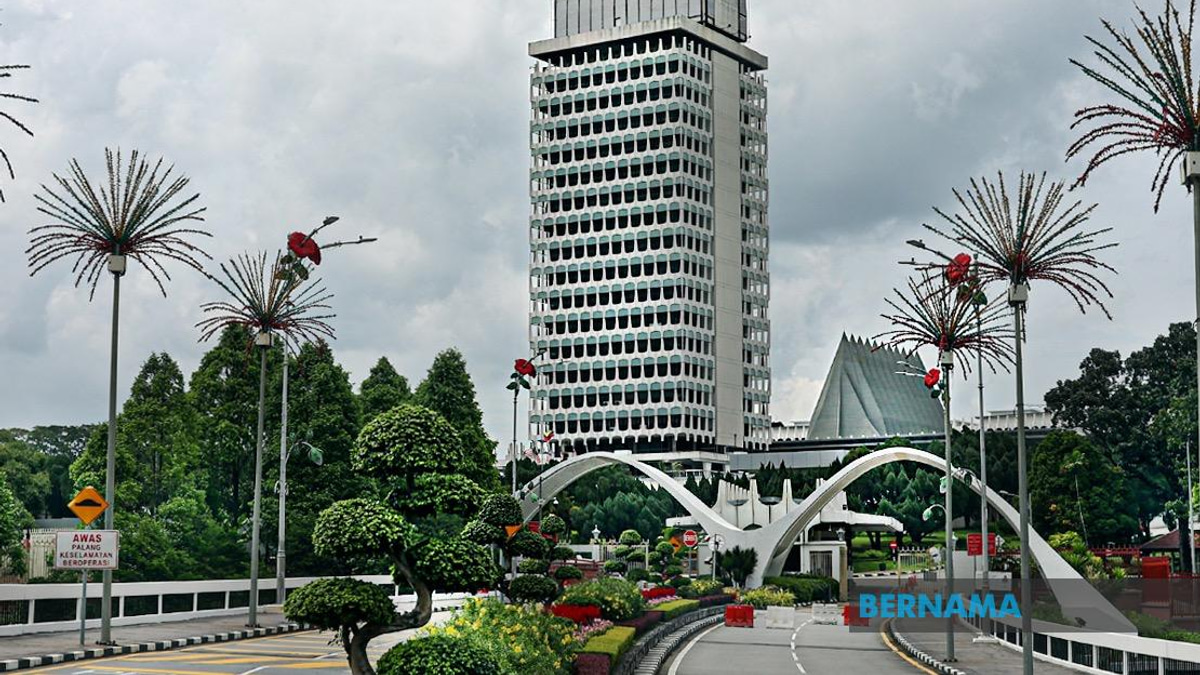
Parliament's July sitting will examine proposed changes to SUHAKAM's financial structure and the widening disconnect between official inflation figures and household spending pressures, reflecting growing economic anxieties.
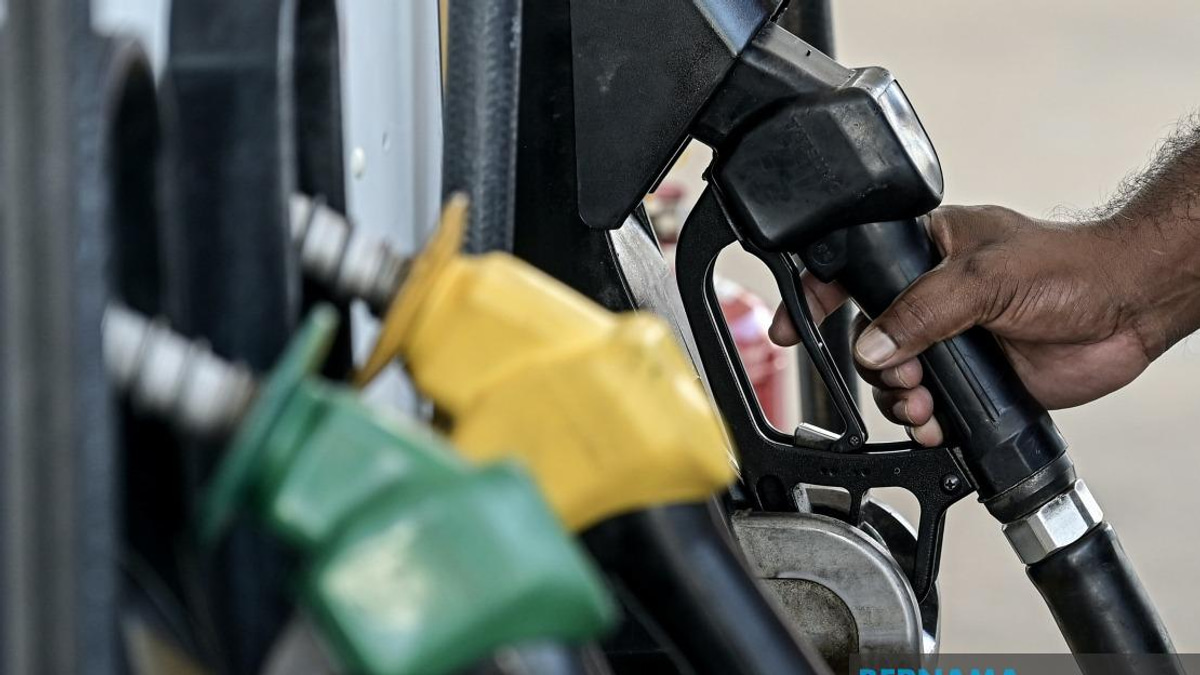
Malaysia launches its expanded BUDI Diesel initiative on July 1, extending subsidised fuel at RM2.10 per litre to approximately 700,000 private vehicle owners nationwide, representing a major expansion from the previous scheme.
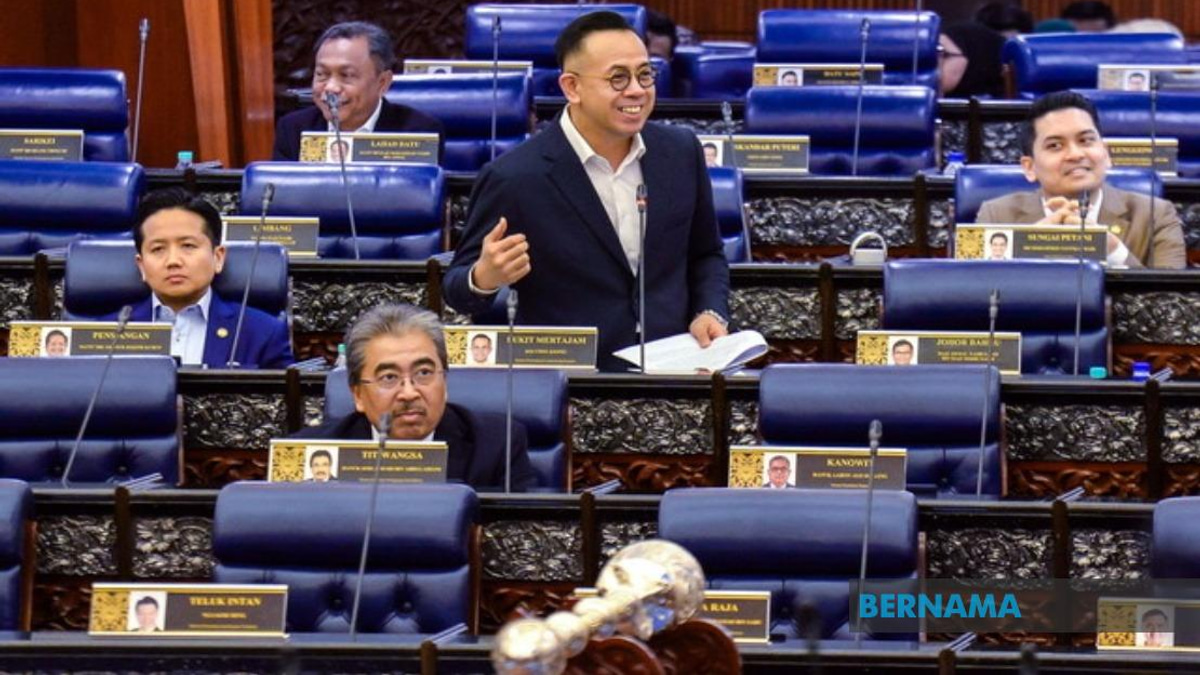
Malaysia's KUSKOP ministry has invested nearly RM3 billion since 2023 to support Bumiputera entrepreneurs, with measurable outcomes including 20% sales increases and 150 companies expanding operations.
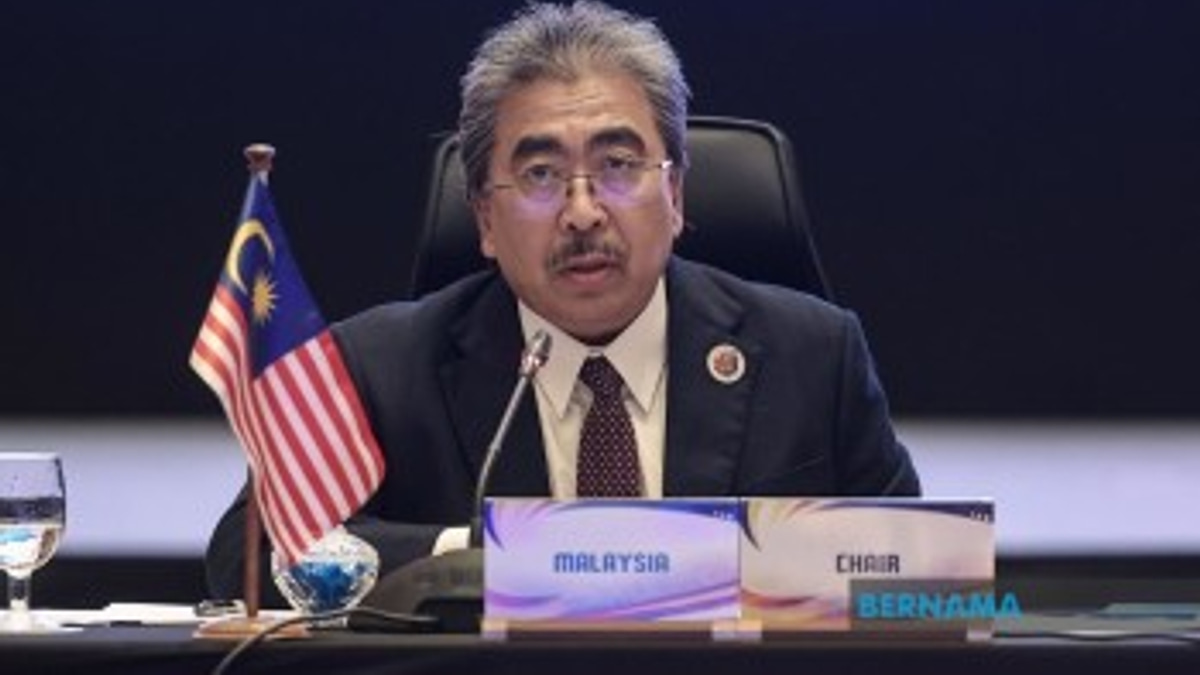
Malaysia's Investment, Trade and Industry Minister Datuk Seri Johari Abdul Ghani has called for the World Trade Organization to adapt to contemporary economic realities, warning that the institution risks losing relevance if it fails to address modern concerns around supply chain security and strategic competition.
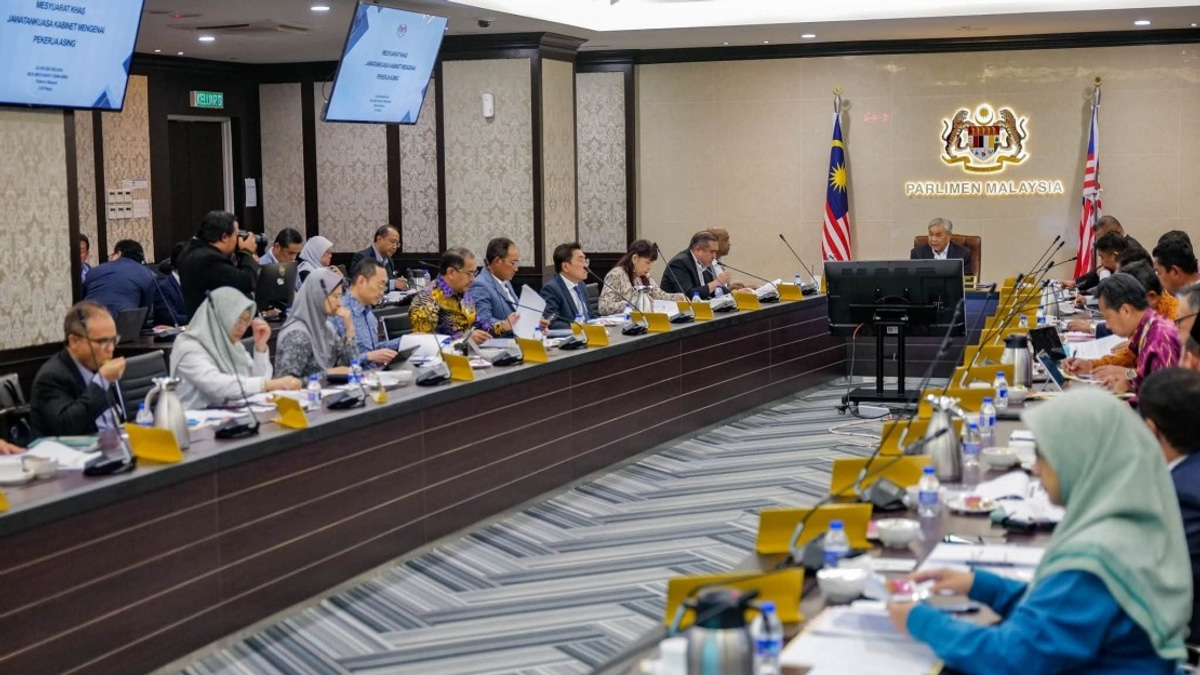
Malaysia's government will restructure its foreign worker management system to enhance coordination and efficiency. The One Stop Centre will now operate under the Human Resources Ministry, with strategic reviews of labour requirements and continued focus on reducing dependence on migrant workers.
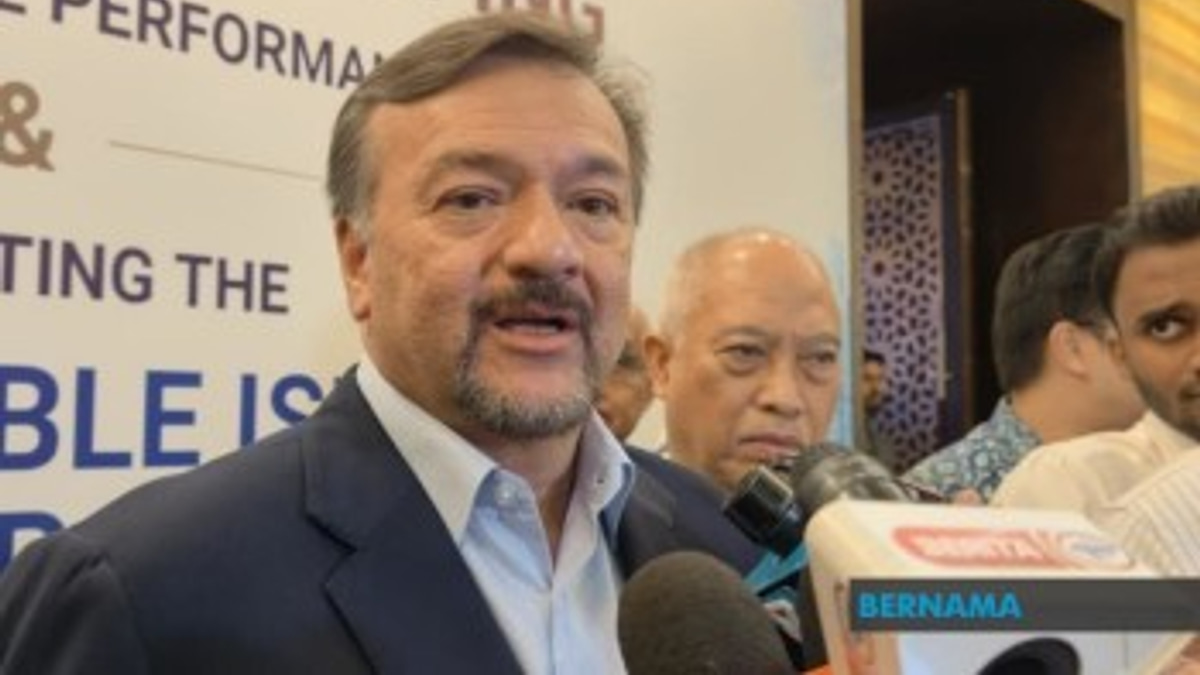
Malaysia's Finance Ministry and banking sector have jointly agreed to eliminate the RM1 interbank ATM withdrawal fee starting July 1, expanding cash access across 14,000 machines nationwide and easing costs for rural communities.
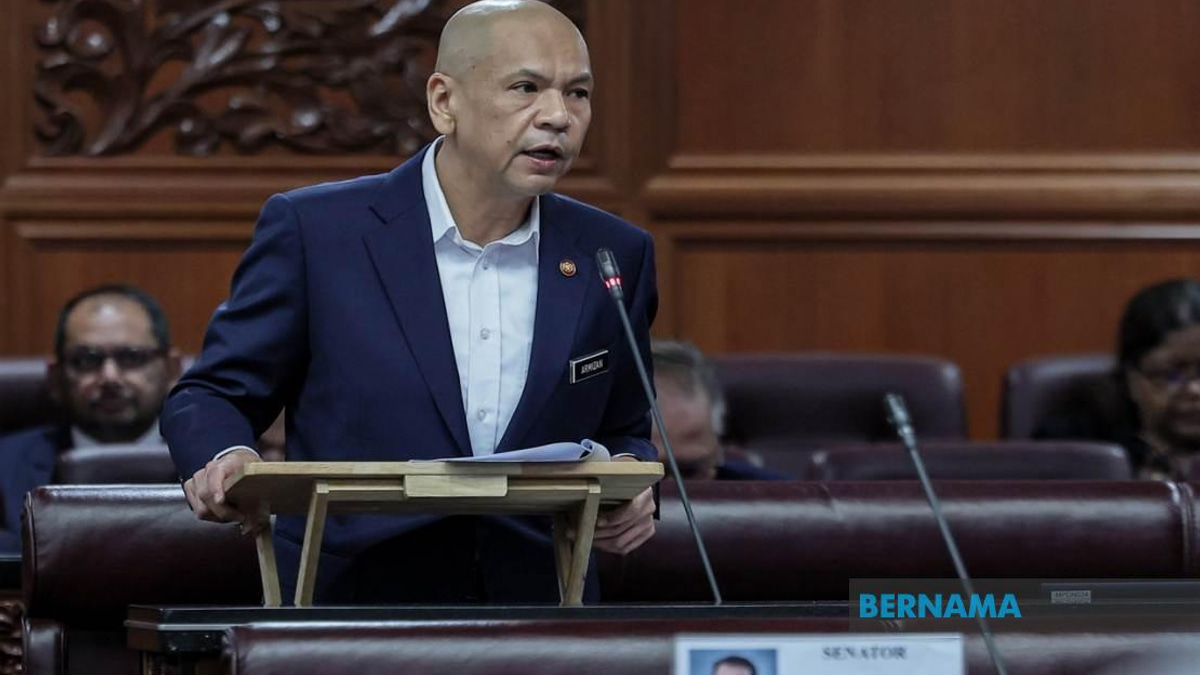
The Ministry of Domestic Trade and Cost of Living has conducted 15,881 Rahmah MADANI Sales events nationwide between January and June 2024, covering all state constituencies and Federal Territory zones in a bid to ease living costs.
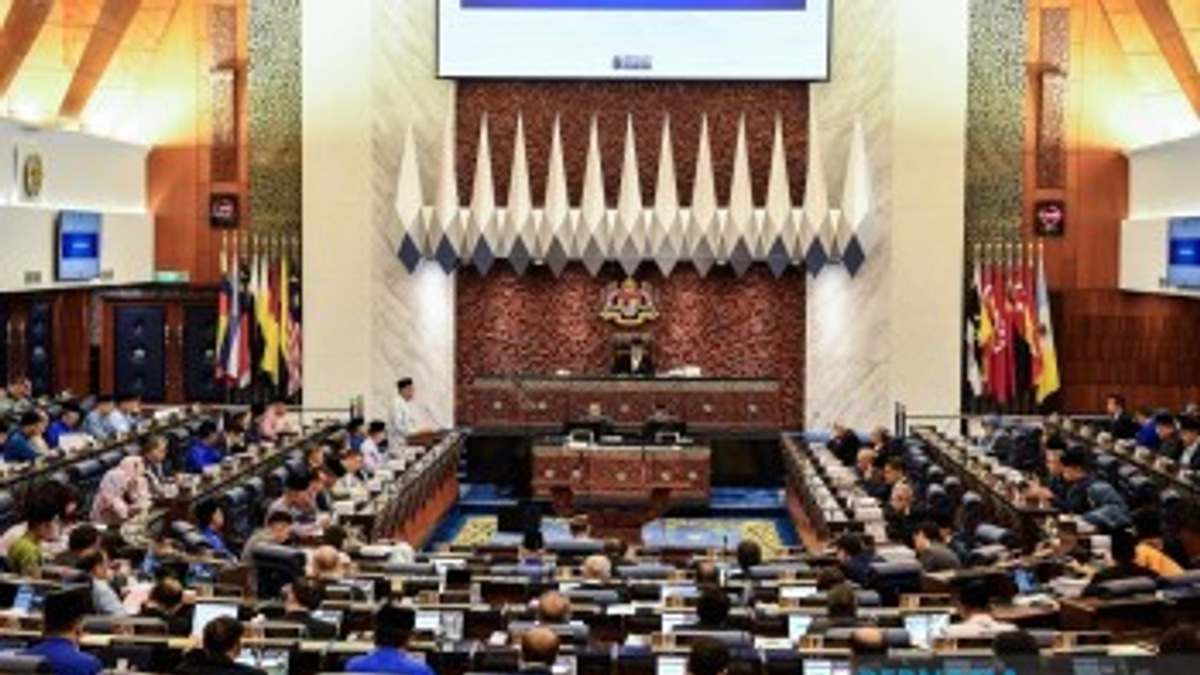
Malaysia's Ministry of Investment, Trade and Industry has approved nearly RM774.4 billion in manufacturing investments since 2020, with over 86% realised so far, generating 416,914 jobs and prioritising high-value sectors like semiconductors and green technology.
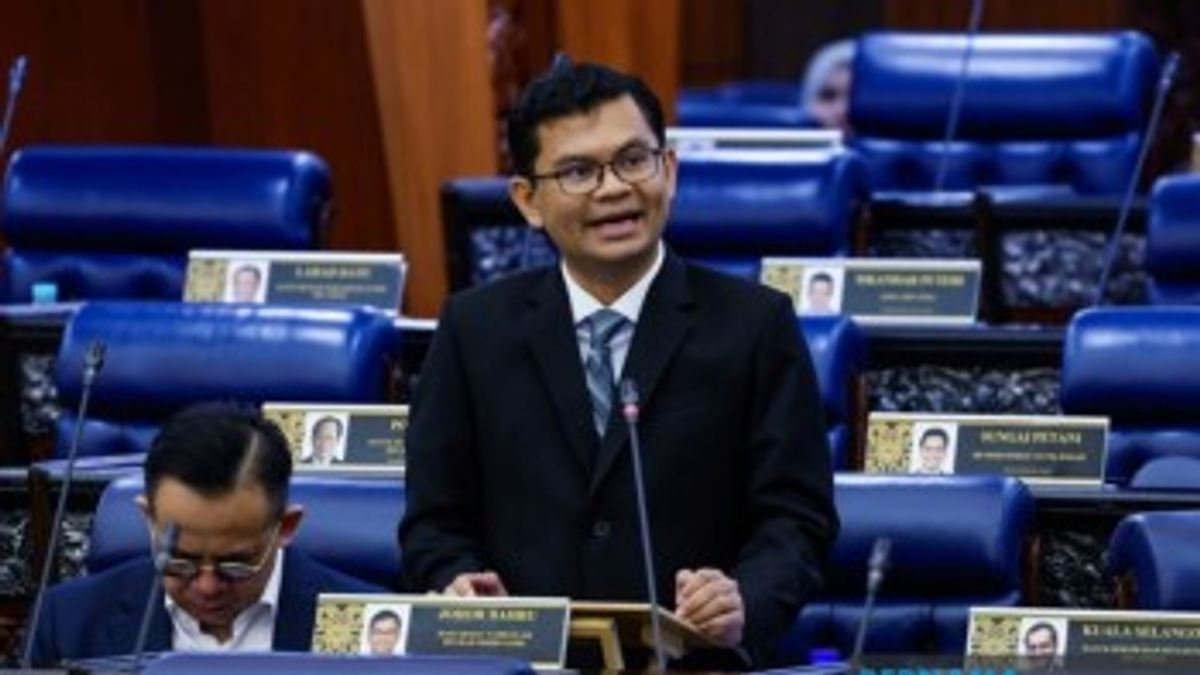
Malaysia is executing 120 government decisions to counter global supply chain disruptions, with 27 fully implemented and 93 in progress. Economy Minister Akmal Nasrullah told Parliament the crisis will likely persist into 2026.
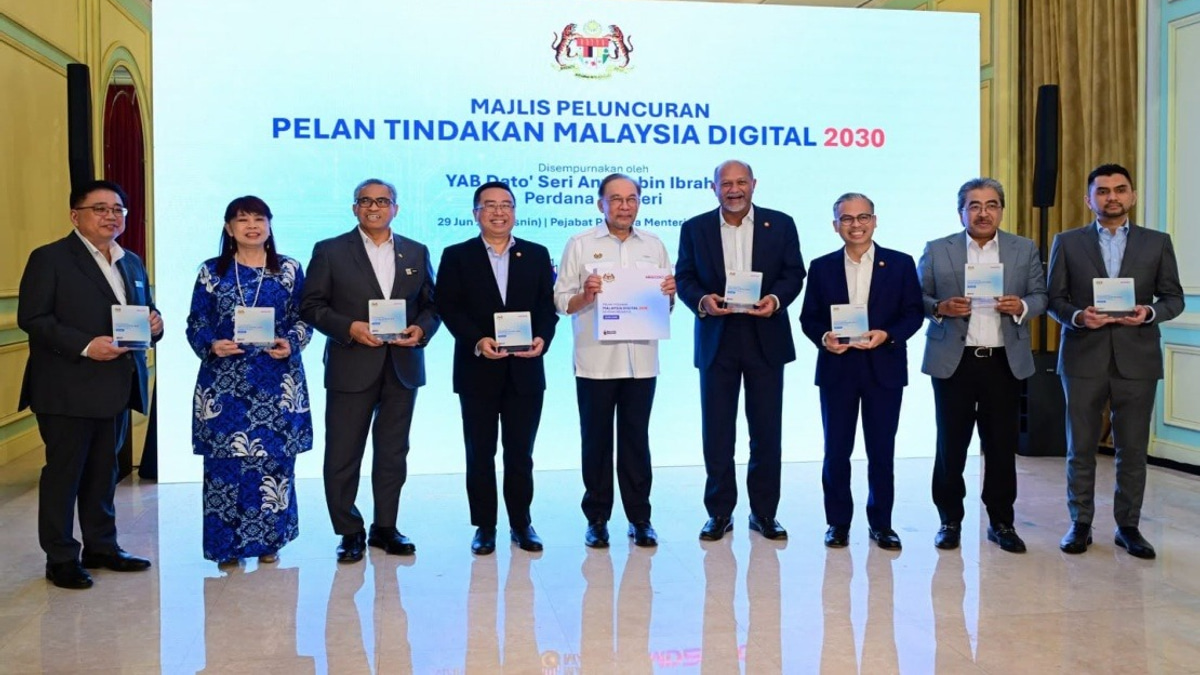
Malaysia's civil service has successfully saved RM1.99 million through a paperless initiative that eliminated 116,405 reams of paper. The achievement was highlighted during a digital economy council meeting chaired by Prime Minister Anwar Ibrahim.
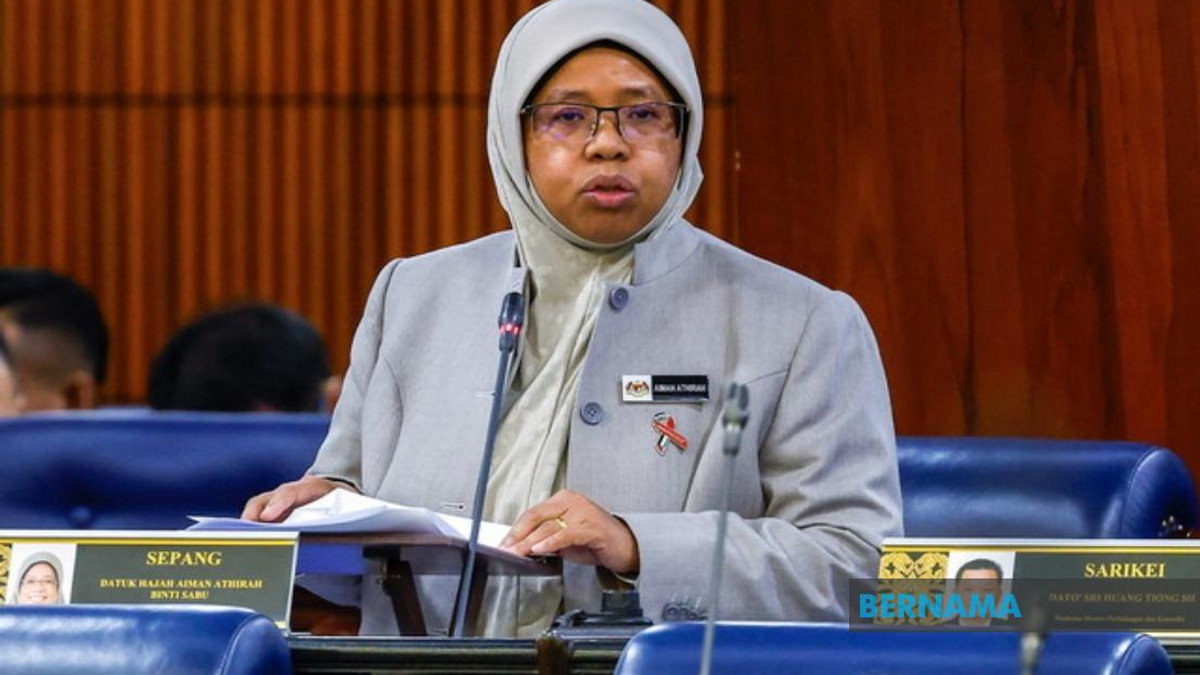
Malaysia faces a significant housing glut, with 32,800 completed residential units valued at RM16.37 billion remaining unsold as of the first quarter of 2024, reflecting structural imbalances in the property market.
The Dewan Rakyat convenes today to examine how regional instability affects Malaysia's tourism sector and assess security readiness along the sensitive Malaysia-Thailand border in Langkawi.
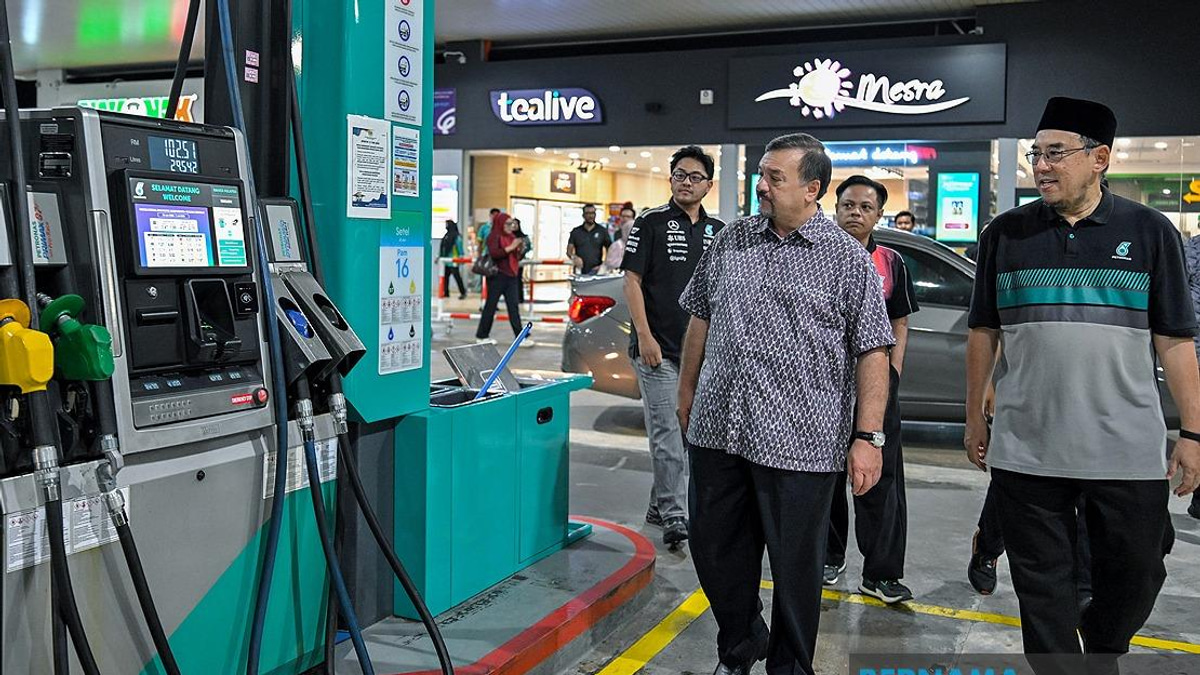
Malaysia's BUDI MADANI Diesel programme has processed more than 18,000 quota applications in its opening 48 hours, with officials reporting no technical glitches as the scheme expands subsidised fuel access to eligible vehicle owners.
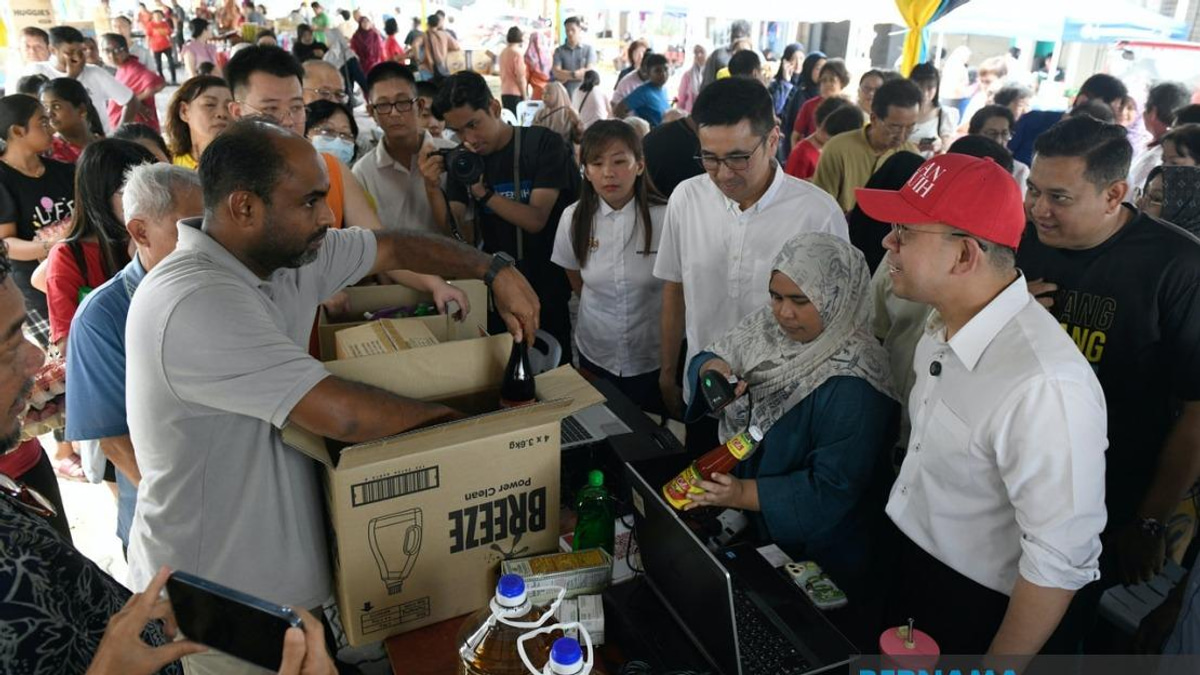
Malaysia's Ministry of Entrepreneur and Cooperatives Development is intensifying grassroots efforts to empower MSMEs and cooperatives in the thriving wholesale and retail sector, which recorded RM175 billion in sales in April 2026.
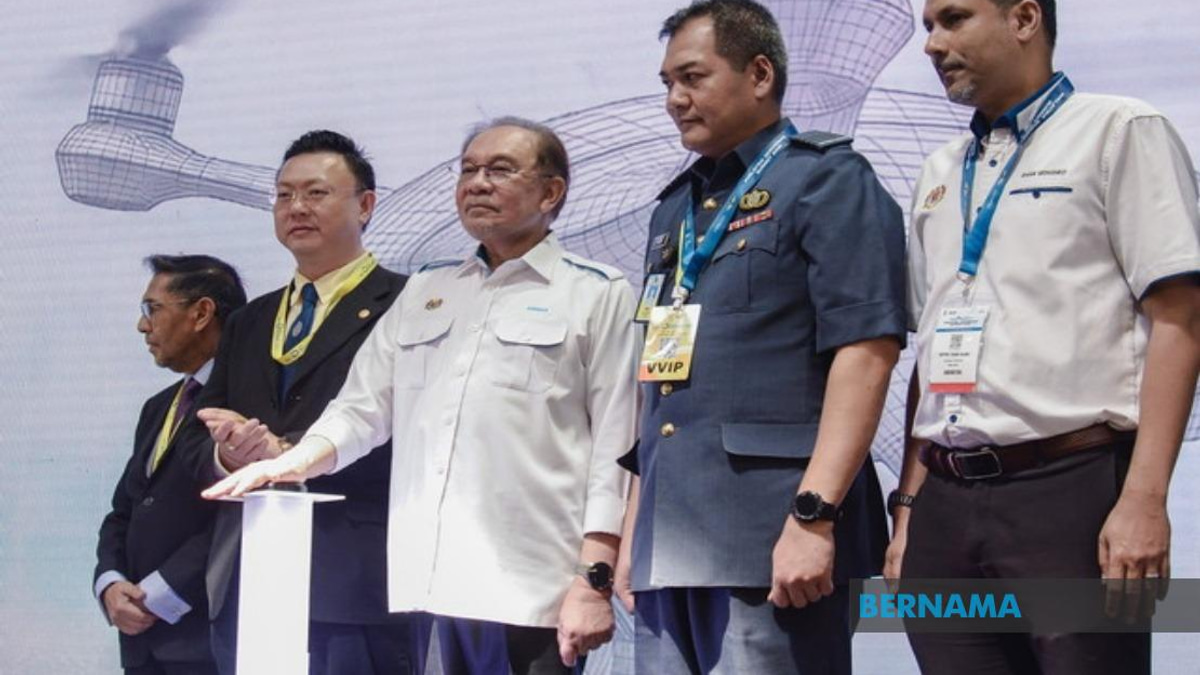
Prime Minister Anwar Ibrahim has called for Malaysia to rapidly scale up its unmanned aerial vehicle industry, highlighting the sector's potential as a catalyst for economic growth and innovation amid a projected global market worth USD55 billion by 2030.
%22%2F%3E%3C%2Fpattern%3E%3C%2Fdefs%3E%3Crect%20width%3D%22100%25%22%20height%3D%22100%25%22%20fill%3D%22url(%23ph2dh0sg)%22%2F%3E%3Crect%20width%3D%22100%25%22%20height%3D%22100%25%22%20fill%3D%22url(%23ph2dh0sp)%22%2F%3E%3Ctext%20x%3D%2250%25%22%20y%3D%2250%25%22%20text-anchor%3D%22middle%22%20dominant-baseline%3D%22central%22%20fill%3D%22rgba(255%2C255%2C255%2C0.95)%22%20font-family%3D%22Georgia%2C%20'Times%20New%20Roman'%2C%20serif%22%20font-weight%3D%22700%22%20font-size%3D%22136%22%20letter-spacing%3D%22-0.02em%22%3EGovernment%3C%2Ftext%3E%3C%2Fsvg%3E)
Prime Minister Anwar Ibrahim has unveiled plans for a comprehensive affordable housing initiative targeting civil servants nationwide, aiming to ease the financial burden on Malaysia's public sector workforce and boost retention rates.
%22%2F%3E%3C%2Fpattern%3E%3C%2Fdefs%3E%3Crect%20width%3D%22100%25%22%20height%3D%22100%25%22%20fill%3D%22url(%23ph5nkk4g)%22%2F%3E%3Crect%20width%3D%22100%25%22%20height%3D%22100%25%22%20fill%3D%22url(%23ph5nkk4p)%22%2F%3E%3Ctext%20x%3D%2250%25%22%20y%3D%2250%25%22%20text-anchor%3D%22middle%22%20dominant-baseline%3D%22central%22%20fill%3D%22rgba(255%2C255%2C255%2C0.95)%22%20font-family%3D%22Georgia%2C%20'Times%20New%20Roman'%2C%20serif%22%20font-weight%3D%22700%22%20font-size%3D%22194%22%20letter-spacing%3D%22-0.02em%22%3ECabinet%3C%2Ftext%3E%3C%2Fsvg%3E)
Malaysia's government is escalating efforts to address foreign worker concerns through a dedicated Cabinet committee. Deputy Prime Minister Zahid will lead discussions involving multiple agencies to tackle challenges across sectors including food and beverage operations.
%22%2F%3E%3C%2Fpattern%3E%3C%2Fdefs%3E%3Crect%20width%3D%22100%25%22%20height%3D%22100%25%22%20fill%3D%22url(%23ph2ihu4g)%22%2F%3E%3Crect%20width%3D%22100%25%22%20height%3D%22100%25%22%20fill%3D%22url(%23ph2ihu4p)%22%2F%3E%3Ctext%20x%3D%2250%25%22%20y%3D%2250%25%22%20text-anchor%3D%22middle%22%20dominant-baseline%3D%22central%22%20fill%3D%22rgba(255%2C255%2C255%2C0.95)%22%20font-family%3D%22Georgia%2C%20'Times%20New%20Roman'%2C%20serif%22%20font-weight%3D%22700%22%20font-size%3D%22272%22%20letter-spacing%3D%22-0.02em%22%3EAnwar%3C%2Ftext%3E%3C%2Fsvg%3E)
Prime Minister Anwar Ibrahim has directed local authorities nationwide to expedite approval processes, targeting faster project turnaround times to enhance Malaysia's competitive edge in attracting international investment and supporting domestic economic growth.

Prime Minister Anwar Ibrahim's recent diplomatic engagements in Russia and Turkmenistan have yielded tangible benefits for Malaysian consumers, with the unity government attributing a reduction in subsidised diesel prices directly to these high-level negotiations.
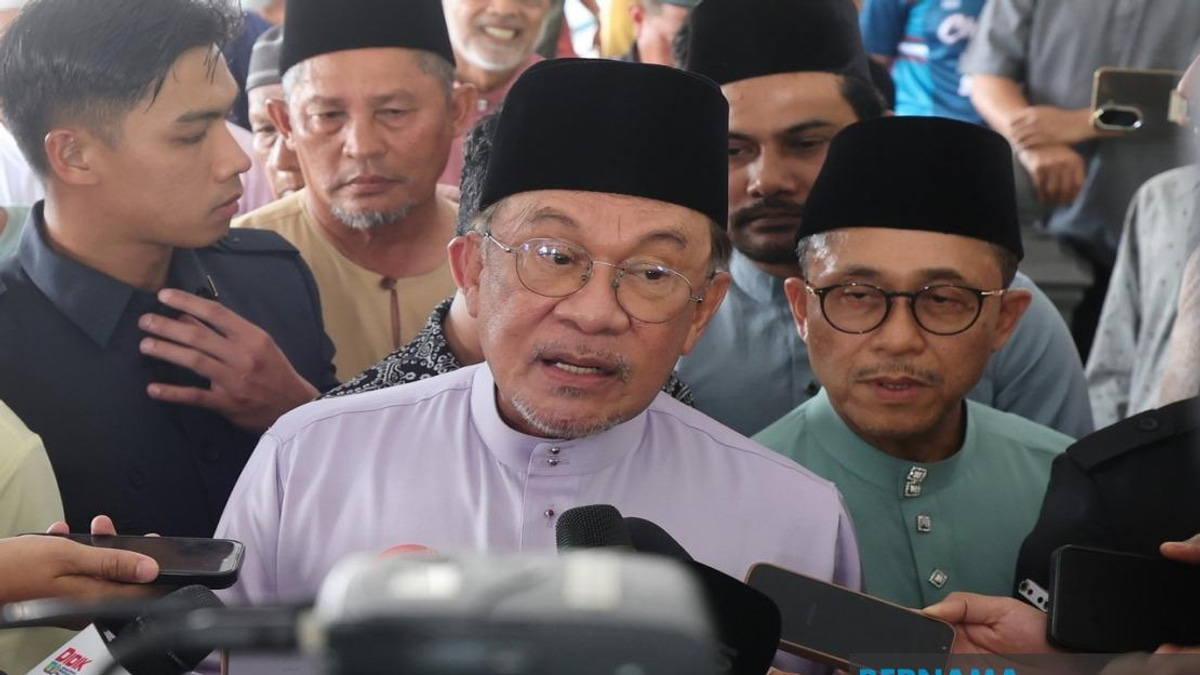
Prime Minister Anwar Ibrahim has ordered Malaysia's local authorities to accelerate approval processes for housing and industrial projects, citing inconsistent procedures that drive up costs and delay development.
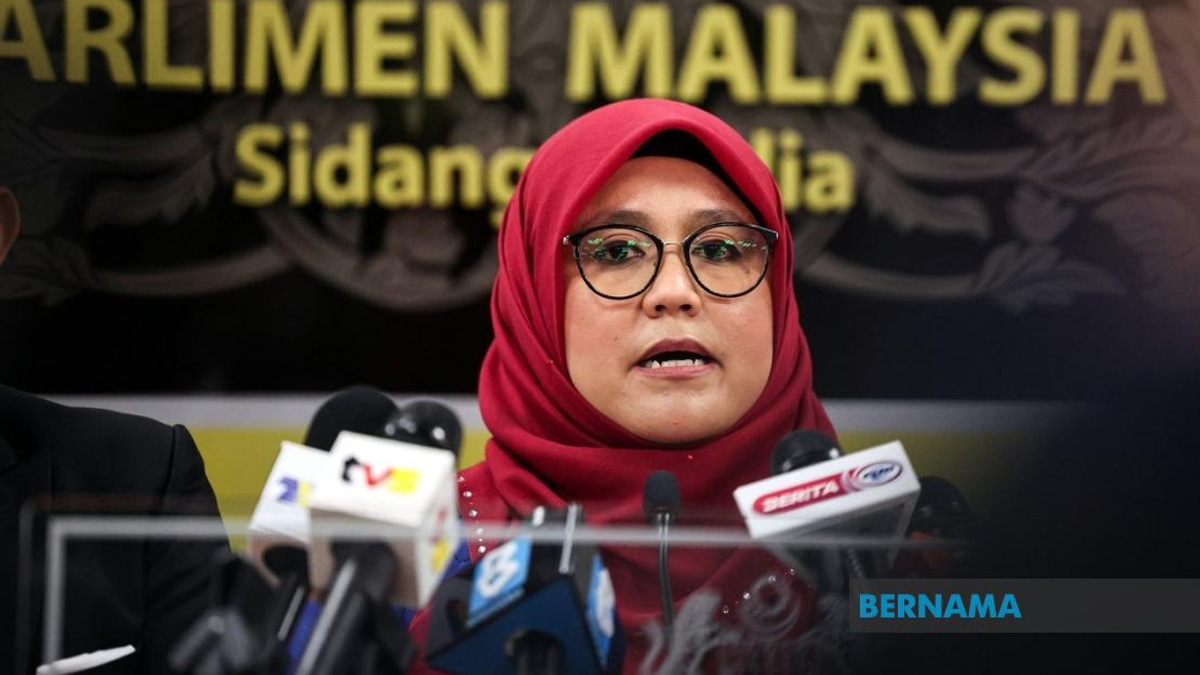
Malaysia's Public Accounts Committee identifies unregulated hospital billing practices—including equipment, medicines, and diagnostic tests—as the primary driver of escalating health insurance premiums, calling for urgent legislative reform.
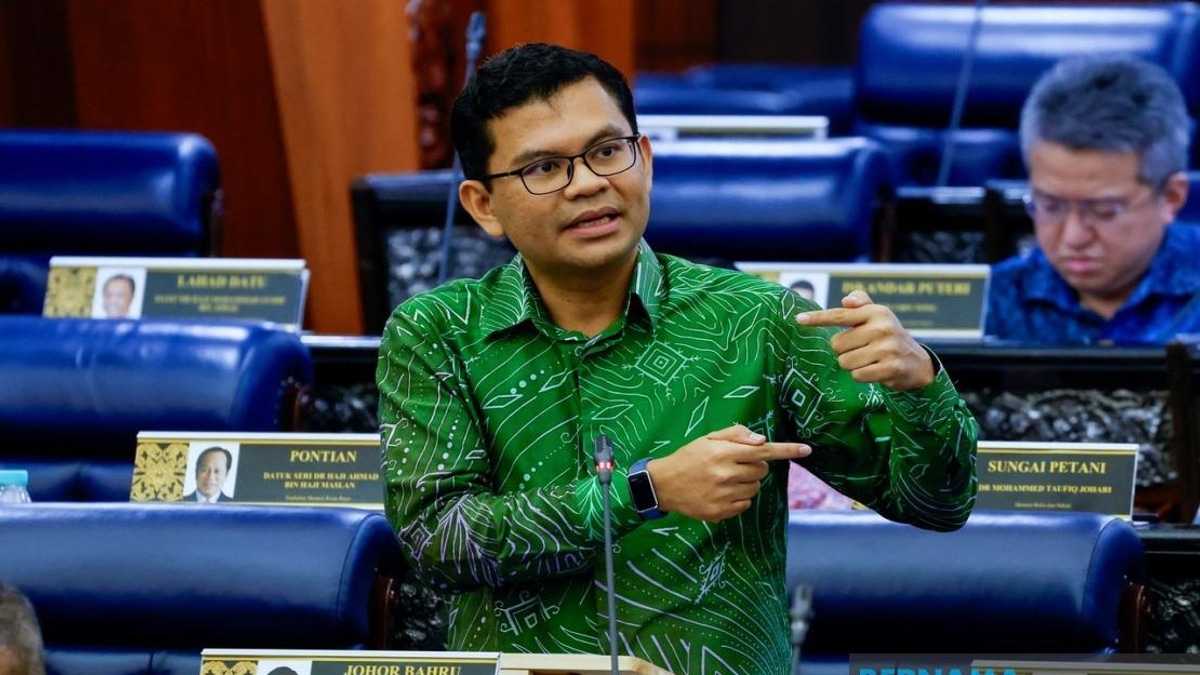
Malaysia's labour market remains stable with joblessness declining to 6,197 people by late June, representing a 20 per cent drop from May. Government job placement schemes have accelerated redeployment efforts.