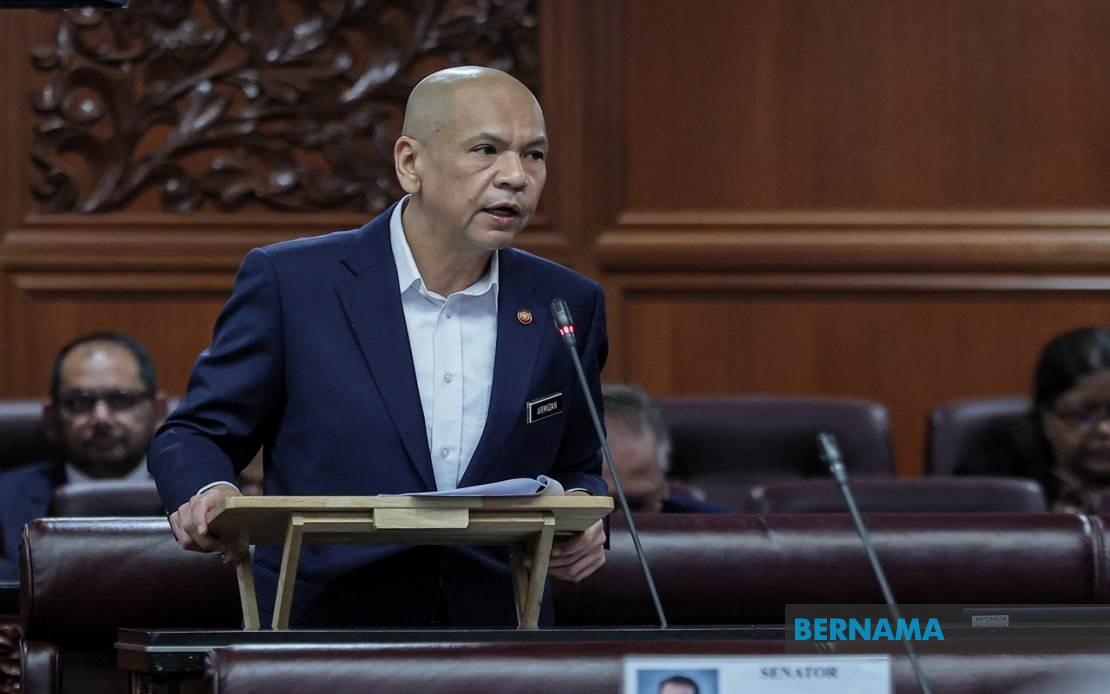
The Malaysian government has significantly scaled up its Rahmah MADANI Sales Programme (PJRM), conducting 15,881 discount sales events across the country during the first half of 2024. Minister Datuk Armizan Mohd Ali disclosed this figure to Parliament, emphasising the government's commitment to sustaining and expanding the initiative that has become central to its cost-of-living relief strategy. The comprehensive rollout covers all 600 state constituencies as well as all 40 Federal Territory zones spanning Putrajaya, Kuala Lumpur, and Labuan, demonstrating the government's determination to reach both urban and rural populations.
The trajectory of growth for the PJRM reveals the government's escalating focus on this intervention mechanism. The programme saw dramatic expansion from 6,870 sessions in 2023 to 12,419 in 2024, and projections indicate it will reach 25,708 sessions by 2025. This meteoric growth reflects not merely increased enthusiasm but rather a structured, budgeted approach to managing inflationary pressures. The original target of 23,040 sessions for 2025 has been revised upward to 30,000, a decision that Prime Minister Datuk Seri Anwar Ibrahim justified as a necessary response to economic headwinds triggered by regional instability in West Asia and its ripple effects on global energy and supply chains.
The institutionalisation of PJRM represents a fundamental departure from previous government discount initiatives. Rather than relying on ad hoc bargain sales organised sporadically, the MADANI administration has embedded the programme into the permanent national budget framework starting 2024. This formalisation includes dedicated activity codes and specified funding allocations, signalling that cost-of-living support through retail price interventions is now a long-term government function rather than a temporary measure. For Malaysian consumers accustomed to unpredictable relief initiatives, this structural change offers greater certainty and planning capability.
Implementation has evolved through five distinct strategic pillars that distinguish the current approach from earlier efforts. The second pillar establishes fixed annual targets and scheduling frequencies for every constituency and zone, moving away from the haphazard nature of earlier bargain sales. This systematic scheduling ensures equitable distribution of sales events across the country and allows local authorities and retailers to plan accordingly. The third pillar focuses on private-sector collaboration, with the government securing 2,695 strategic retail partners as of late June. This partnership model leverages the distribution networks and consumer reach of established retail businesses, multiplying the government's own logistical capacity.
The fourth strategic element expands public accessibility through multiple delivery channels tailored to different contexts and consumer behaviours. In-store sales leverage existing retail infrastructure, while open-air markets appeal to price-conscious shoppers and support traditional traders. Mobile sales reach remote or underserved communities where physical retail presence is limited. Thematically targeted events aligned with seasonal festivals, paydays, and back-to-school periods demonstrate understanding of consumer purchasing patterns and cash-flow cycles. This multi-channel approach acknowledges that not all Malaysians shop in the same way or at the same times, requiring flexibility in programme design.
A particularly innovative development is the fifth pillar: the introduction of a comprehensive PJRM calendar beginning in 2025. By providing advance notice of event dates, times, and locations for every state constituency and zone, the government enables citizens to integrate these sales into their household budgeting and shopping routines. This transparency and forward-planning capability transforms PJRM from something consumers might stumble upon into a dependable, anticipated component of their cost management strategy. For families operating on tight budgets, such predictability has genuine value in stretching household expenditure.
The political context underlying this expansion merit examination. Datuk Iskandar Dzulkarnain Abdul Khalid, representing Kuala Kangsar under the Perikatan Nasional banner, initiated the parliamentary question that prompted Armizan's detailed response. This suggests that cost-of-living concerns transcend partisan lines and remain a pressing issue across the political spectrum. The government's detailed articulation of the programme's growth and strategic underpinnings indicates a recognition that public anxiety about household expenses continues and requires sustained, visible policy responses.
For Southeast Asian context, Malaysia's systematic approach to retail price intervention through government-coordinated sales offers a model distinct from subsidy regimes common in neighbouring countries. Rather than permanently lowering prices or direct cash transfers, the PJRM approach uses periodic promotional events to create purchasing power relief while maintaining market mechanisms. This hybrid approach avoids some of the budgetary and inflationary risks associated with permanent subsidies while still delivering tangible relief to consumers.
The private-sector partnership dimension carries implications for retail business models and consumer expectations. Engaging 2,695 retail partners requires significant coordination and incentive alignment. Retailers participate presumably because the events drive foot traffic and increase transaction volumes, but the government's involvement also signals implicit price expectations. This public-private collaboration in managing consumer prices through supply-side interventions represents an evolving approach to economic governance in Malaysia, one that recognises the limits of purely monetary or fiscal policy in addressing immediate cost-of-living pressures.
Looking forward, the government's revised target of 30,000 sessions by 2025, up from the initial 23,040, demonstrates confidence in the programme's effectiveness and acceptability. However, scaling to this level requires maintaining retailer engagement, securing funding, and coordinating logistics across 600 constituencies. Sustaining momentum will depend on demonstrating tangible benefits to both consumers and business partners, maintaining the quality and consistency of discounted goods offered, and preventing the programme from becoming perceived as merely performative or tokenistic.
The breadth of coverage claimed—all 600 state constituencies and all 40 Federal Territory zones—suggests the government views this as a nationwide entitlement programme rather than targeted relief. This universalism carries political logic, as it avoids accusations of favouritism, but it also raises questions about programme efficacy and whether universal coverage might dilute impact compared to more targeted approaches. The emphasis on institutional permanence and scale suggests the government intends PJRM as a cornerstone of its economic management strategy, at least through the current electoral cycle and potentially beyond.

