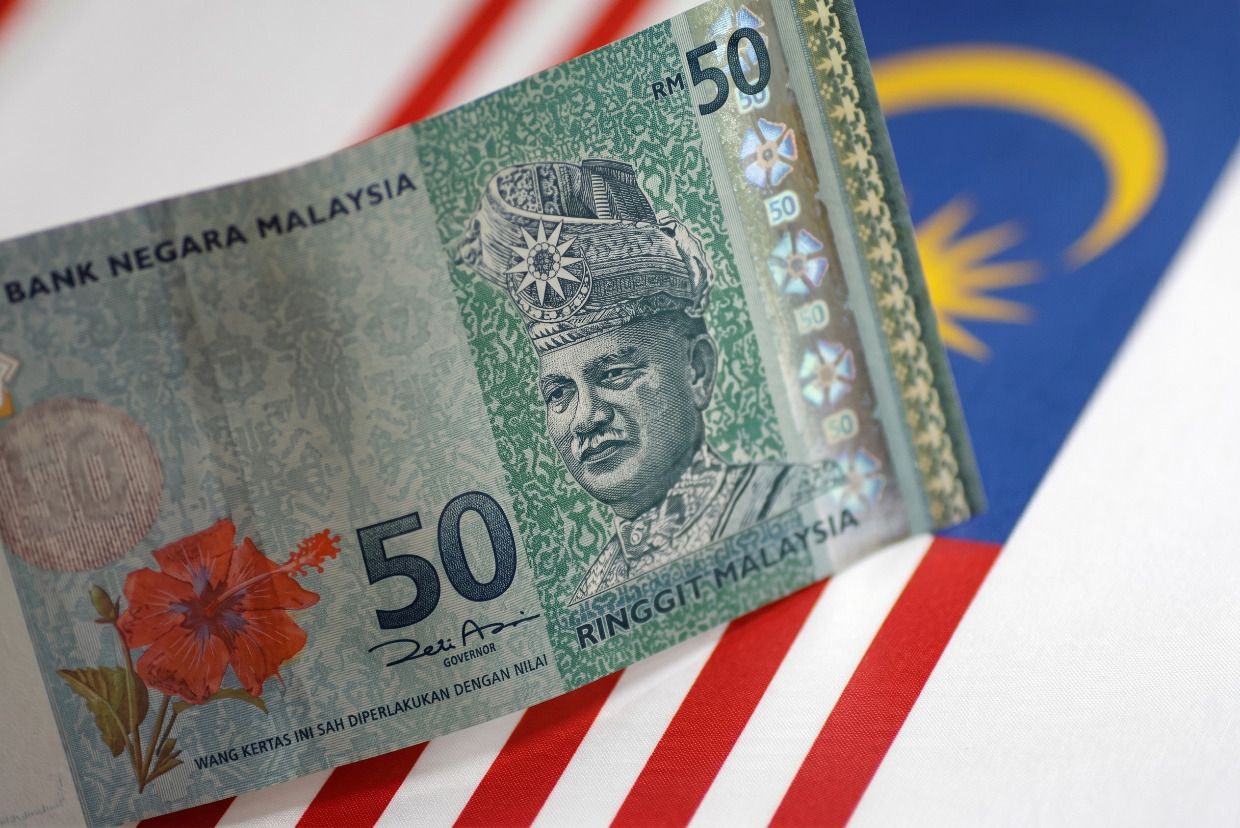
Malaysia's ringgit is positioned for a meaningful recovery after underperforming regional peers during the first half of the year, underpinned by a combination of policy initiatives and strengthening economic fundamentals that analysts argue will drive the currency higher through 2024. With Bank Negara Malaysia implementing fresh measures to encourage companies to repatriate and convert overseas earnings, strategists at major international banks see the currency appreciating significantly from current levels, reversing the weakness that saw it hit levels not seen since 1998.
Royal Bank of Canada projects the ringgit will trade at 3.95 per dollar by the end of 2024, representing a substantial gain from the 4.0722 level where it closed on the previous Friday. Australia & New Zealand Banking Group has offered an even more optimistic forecast, predicting the ringgit could reach 3.80 per dollar—a level not witnessed since 2015. These projections reflect growing confidence among international analysts that policy tailwinds and economic momentum will combine to support currency appreciation despite ongoing global uncertainties.
Bank Negara's commitment, articulated on June 24, to intensify efforts aimed at boosting foreign-exchange inflows marks a pivotal moment for currency performance. The central bank's strategy focuses specifically on encouraging the repatriation and conversion of companies' overseas earnings, addressing what analysts identify as a key mechanism linking Malaysia's substantial trade surplus to actual currency performance. This targeted approach differs from broad monetary policy adjustments, instead leveraging Malaysia's structural economic advantages to drive capital flows that naturally strengthen the ringgit.
The currency has already demonstrated responsiveness to these policy signals, outperforming all regional Asian peers since the central bank's June announcement. This immediate reaction suggests markets have confidence in the central bank's ability to execute its stated objectives and that the measures address genuine barriers preventing companies from converting foreign earnings into ringgit. The outperformance underscores that investor sentiment has shifted notably in the ringgit's favour within a relatively short timeframe.
Malaysia's underlying economic position provides substantial support for currency strength. The nation recorded a record monthly trade surplus of 40 billion ringgit in May, with total exports surging 45 percent year-on-year—performance driven partly by strong global demand for the country's electrical and electronic products and capitalisation on the artificial intelligence boom fuelling data centre expansion. This robust export performance creates the foreign-exchange receipts that, once repatriated and converted, strengthen the ringgit in foreign exchange markets.
Global investor appetite for Malaysian assets has intensified considerably, with foreign funds purchasing approximately $2.1 billion of local bonds through June 29. This represents the largest monthly inflow into the bond market since May 2025, reflecting the attractiveness of ringgit-denominated debt at current yields and growing confidence in the Malaysian economy's trajectory. Such portfolio inflows provide additional currency support beyond the trade-driven fundamentals, creating multiple channels through which ringgit strength can develop.
The central bank's current initiatives build on the success of similar programmes implemented in 2024, when comparable efforts to boost foreign-exchange inflows contributed to a remarkable ringgit recovery that saw the currency rank as Asia's strongest performer for that year. That experience demonstrates the effectiveness of Bank Negara's policy toolkit when deployed to address specific foreign-exchange challenges and provides historical precedent for the projections analysts are offering for 2024.
However, the ringgit's recovery trajectory faces material headwinds that warrant investor caution. The Federal Reserve's increasingly hawkish stance towards monetary policy could support dollar strength globally, creating resistance to regional currency appreciation including the ringgit. Simultaneously, Malaysia faces domestic political uncertainties surrounding upcoming state elections that will effectively serve as a referendum on Prime Minister Anwar Ibrahim's governance and support for his ruling coalition ahead of scheduled national polls.
RBC macro strategist Abbas Keshvani emphasises that Malaysia's solid trade surplus and reliable inflows into ringgit-denominated debt provide genuine fundamentals supporting currency outperformance within Asia. Critically, he identifies the conversion measures as a crucial transmission mechanism—the link between Malaysia's trade surplus and actual currency performance. Without these measures encouraging companies to convert foreign earnings, the trade surplus alone would not automatically translate into currency strength.
ANZ's FX analyst Kausani Basak points to concrete evidence of policy effectiveness, noting that foreign currency deposits by businesses increased during March through May and highlighting that Bank Negara's measures will facilitate converting those deposits into ringgit. This process directly strengthens the currency while simultaneously reducing external vulnerabilities associated with large foreign-currency-denominated corporate liabilities. Basak additionally identifies resilient foreign direct investment inflows as an additional source of ringgit strength that should accumulate as the year progresses.
The convergence of these supportive factors—policy initiatives specifically designed to address foreign-exchange supply constraints, record trade surpluses reflecting structural competitiveness, strong foreign portfolio demand for Malaysian debt, and technology-driven export growth—creates a substantive foundation for the analyst forecasts of ringgit appreciation. For Malaysian investors and businesses, this outlook suggests the currency weakness that characterised the first half may prove temporary, with normalisation to stronger levels possible if central bank measures deliver as intended and global political uncertainties do not substantially deteriorate.

