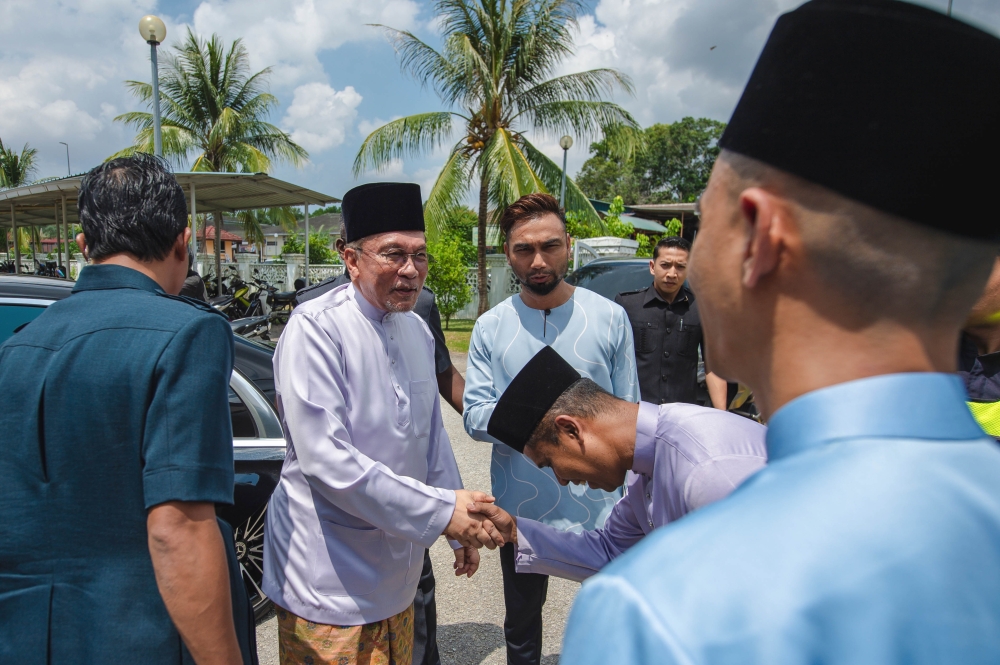
Prime Minister Datuk Seri Anwar Ibrahim has struck a cautious tone about Malaysia's economic performance, cautioning that robust second-quarter GDP figures mask persistent difficulties confronting ordinary families and small-to-medium enterprises across the country. While Malaysia's economic expansion outpaced analyst expectations, Anwar emphasized that the government recognizes the disconnect between favourable macroeconomic indicators and the lived experiences of citizens who continue to face affordability pressures and business challenges.
The remarks reflect a delicate political balancing act as the administration attempts to project competence through improved economic metrics while simultaneously addressing public frustration over the rising cost of living. By acknowledging the struggles of ordinary Malaysians and MSMEs, Anwar seeks to demonstrate empathy and awareness of ground realities that statistical averages often fail to capture. This positioning is significant for a government that has staked considerable credibility on economic management and inclusive growth policies.
The gap between headline growth numbers and household-level economic experience has become increasingly pronounced in recent years across Southeast Asia. Malaysia's second-quarter performance, which exceeded market expectations, reflects strength in specific sectors and economic components, yet this growth has not been evenly distributed across all segments of society. The prime minister's acknowledgement suggests recognition that conventional GDP metrics, while important for investor confidence and international economic standing, do not adequately reflect the financial strain experienced by significant portions of the Malaysian population.
Small and medium enterprises represent a critical segment of Malaysia's economy, employing millions and contributing substantially to GDP and employment generation. Yet these businesses operate under mounting pressures including rising operational costs, tight profit margins, and limited access to affordable financing. The government's awareness of MSME difficulties carries implications for policy direction, potentially signalling renewed focus on business support measures, subsidy adjustments, or targeted relief programmes. Such acknowledgement from the highest level of government suggests that policymakers recognize the importance of maintaining political support among this economically vital constituency.
Household affordability remains a pressing concern throughout Malaysia, with citizens confronting elevated expenses for housing, food, utilities, and transportation. Wage growth has not kept pace with inflation in many sectors, compressing disposable incomes and forcing families to make difficult budgeting choices. The prime minister's comments indicate government awareness that these everyday financial pressures are not adequately addressed by positive aggregate economic growth figures, which can obscure challenges faced by middle and lower-income households.
Anwar's nuanced messaging reflects broader challenges facing governments globally in the post-pandemic economic environment, where monetary tightening, supply chain disruptions, and geopolitical tensions have created economic pressures that feel acute to ordinary citizens even as traditional growth metrics improve. For Malaysian policymakers, balancing the need to maintain macroeconomic stability and investor confidence with immediate relief for struggling households and businesses presents a complex policy dilemma with significant political dimensions.
The government's policy response to these acknowledged difficulties will carry substantial implications for Malaysia's trajectory. Enhanced support for MSMEs through improved financing mechanisms, training programmes, or temporary cost relief could strengthen small business resilience. Similarly, targeted assistance for lower and middle-income households, whether through expanded subsidy schemes or progressive tax adjustments, might ease immediate pressures. However, such measures must be calibrated carefully to avoid unsustainable fiscal positions or inflation pressures.
Regionally, Malaysia's experience reflects broader patterns in Southeast Asia, where several economies have achieved respectable growth rates amid widespread public concern over cost of living. Thailand, Indonesia, and the Philippines face similar dynamics of aggregate growth coexisting with household economic stress. Malaysia's approach to addressing this challenge could offer lessons for neighbouring nations grappling with similar disconnects between macroeconomic indicators and citizen welfare.
The political stakes of managing this economic narrative are considerable. Public opinion regarding government economic performance ultimately hinges more on household financial circumstances than on GDP growth rates. If the government fails to translate its growth achievements into tangible improvements in ordinary Malaysians' financial situations, support for the administration's economic policies may erode regardless of impressive headline figures. Conversely, demonstrable progress on affordability and MSME support could generate political goodwill that extends beyond the immediate economic sphere.
Looking ahead, policymakers face pressure to demonstrate that economic growth serves broad-based prosperity rather than benefiting a narrow set of sectors or income groups. Anwar's public acknowledgement of ongoing struggles represents an important first step in recognizing this imperative. Whether the government translates this awareness into substantive policy adjustments that meaningfully improve circumstances for struggling households and businesses will prove essential for validating the administration's economic stewardship.

