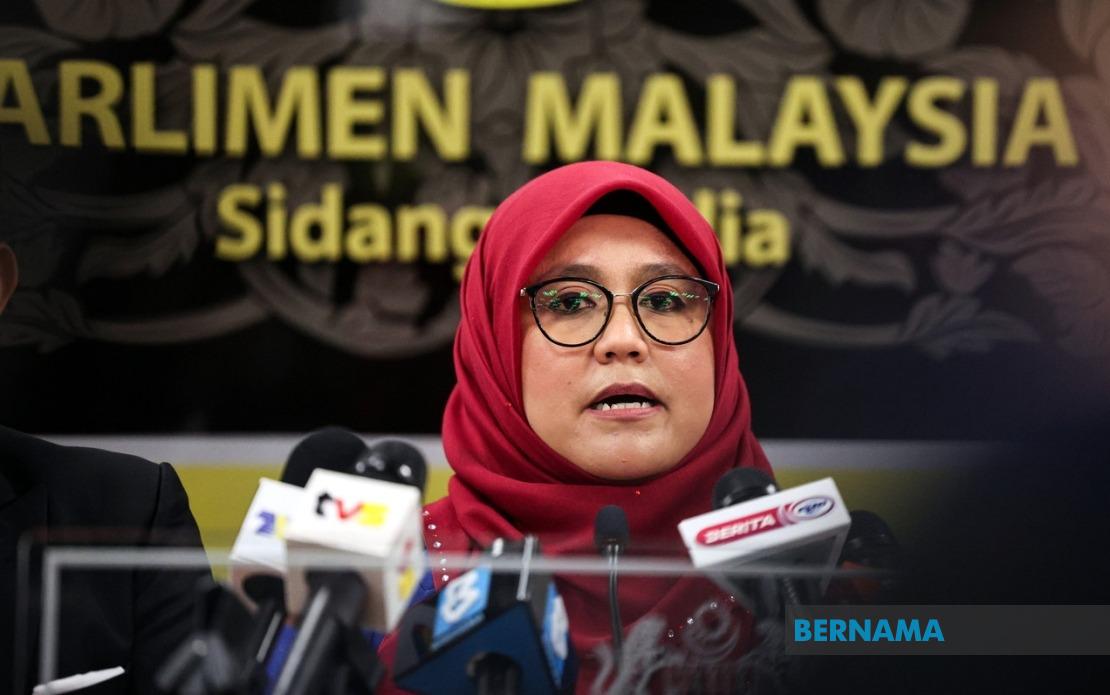
The Public Accounts Committee has pinpointed unregulated and opaque billing practices at private hospitals as the chief culprit behind Malaysia's rising health insurance premiums, rather than the fees charged by medical professionals themselves. PAC chairman Datuk Mas Ermieyati Samsudin revealed that while doctors' professional fees have remained under regulatory supervision since 2013, the full spectrum of ancillary hospital charges—encompassing pharmaceuticals, diagnostic procedures, medical equipment, and laboratory services—continues to operate in an uncontrolled environment, allowing costs to escalate without meaningful oversight.
This regulatory disparity has created a widening gap in the healthcare marketplace where hospitals face no restrictions on pricing for the items and services that often constitute the bulk of patient bills. The PAC's investigation found that hospitals routinely exploit this absence of oversight by bundling unrelated costs into medicines and diagnostic services, effectively disguising operational expenses as clinical necessities. These hidden charges cover everything from nursing personnel to utilities and heating systems, which should theoretically be transparent line items but instead appear embedded within pharmaceutical and equipment costs. The situation has become so entrenched that many hospitals operate without standardised billing frameworks, making it nearly impossible for patients, insurers, or regulators to understand the actual cost composition of even routine medical procedures.
The committee's report details widespread examples of price discrimination, a particularly troubling practice where hospitals apply different rates to patients depending on their payment method. Those presenting insurance guarantee letters face substantially higher charges than individuals paying out-of-pocket or through deferred claims processes, effectively penalising those with coverage and artificially inflating overall insurance claims. Meanwhile, the practice of unbundling—separating basic consumables like pillowcases, alcohol swabs, and clinical waste disposal into individual line items—further obscures true service costs and inflates patient invoices. Hospitals typically classify these routine materials as included in standard room charges, yet patients increasingly see them invoiced separately, representing an invisible surcharge on care.
The pharmaceutical sector presents an equally troubling picture, with Malaysia's medicine supply chain exhibiting significant mark-ups at each distribution stage. The PAC investigation uncovered instances where generic formulations carry higher price tags than their branded innovator counterparts—a market inversion that defies economic logic and suggests deliberate pricing manipulation. More critically, over 1,500 medicines registered in Malaysia have only a single manufacturer, effectively creating monopoly conditions that eliminate price competition and enable suppliers to impose elevated rates without fear of substitution. This concentration of supply is particularly damaging in a country with an ageing population facing rising chronic disease burdens, where medicines represent an ever-larger proportion of healthcare expenditure.
The committee's findings carry significant implications for ordinary Malaysians navigating an increasingly expensive healthcare landscape. As insurance premiums climb annually, families must allocate larger portions of household budgets to coverage, while those unable to afford insurance face devastating medical bills. The situation disproportionately affects middle-income earners who earn too much to qualify for public healthcare subsidies but lack sufficient resources to absorb premium increases without lifestyle sacrifices. Beyond individual households, rising insurance costs create systemic inefficiencies that ripple through the economy, as employers shoulder higher contributions for employee health schemes and employees see wage increases absorbed by premium growth.
To rectify these structural deficiencies, the PAC submitted seventeen recommendations targeting both legislative gaps and operational inadequacies. The committee explicitly called for amendments to the Private Healthcare Facilities and Services Act 1998, a quarter-century-old statute that predates modern hospital business models and fails to address non-professional charge regulation. Legislative reform should grant the Ministry of Health explicit authority to oversee and regulate private hospital charges beyond the narrow confines of doctors' fees, bringing the regulatory framework into alignment with contemporary healthcare economics. Simultaneously, the health ministry and the Ministry of Domestic Trade and Cost of Living should establish binding price-regulation mechanisms for medicines and medical equipment, potentially including mechanisms to negotiate direct procurement from manufacturers—particularly Malaysian-based producers—thereby reducing dependence on intermediaries and potentially cartels that inflate prices.
The implementation of the Diagnosis-Related Group (DRG) payment system emerged as a central plank in the PAC's reform agenda. This system, successfully deployed in numerous developed healthcare markets, ties reimbursement to standardised treatment packages rather than itemised services, theoretically reducing financial incentives for unbundling and unnecessary procedural proliferation. The committee emphasised expediting this implementation rather than allowing it to languish in bureaucratic limbo, as delays prolong the period during which private hospitals can continue existing opaque billing practices. Complementary to DRG implementation, parliamentarians debated calling for greater transparency within the insurance sector itself, potentially requiring clearer communication of coverage limitations and encouraging consumer understanding of what drives premium increases.
Parliamentary discourse on the committee's findings revealed rare cross-factional agreement that Malaysia's current healthcare regulatory architecture requires substantial reinforcement. Government and opposition members alike urged strengthened cooperation between the Ministry of Health, Bank Negara Malaysia, and relevant stakeholders to address the structural drivers of medical cost inflation. Beyond regulation, members advocated substantial increases in public healthcare system funding, recognising that inadequate public investment creates de facto pressure toward private care utilisation, which in turn justifies premium increases. The suggestion to implement a temporary freeze on fee increases at university hospitals until sufficient alternative capacity exists reflects concern that current pricing trends exclude increasingly large population segments from accessing quality care.
Some parliamentarians advanced more contentious proposals, including higher taxation on private hospitals deriving substantial profits from medical tourism. This suggestion carries merit given that international patients often pay premium rates that subsidise operations, yet Malaysian citizens bear the costs through inflated insurance premiums. The asymmetry between prices charged to foreign medical tourists and domestic patients represents an invisible wealth transfer from ordinary Malaysians to hospital shareholders and international healthcare arbitrageurs. More broadly, the committee's investigation reveals a healthcare sector where market failures—monopolistic supplier arrangements, information asymmetries, and regulatory vacuums—have created an environment permitting sustained price inflation disconnected from underlying cost improvements or productivity gains.
The implications for Southeast Asia extend beyond Malaysia's borders, as the region's healthcare systems increasingly depend on private hospital networks serving growing middle classes. The pricing pathologies identified in the PAC report likely exist across regional economies, suggesting that Malaysian reforms could establish templates for neighbouring countries confronting similar challenges. However, meaningful reform requires political will to challenge entrenched hospital industry interests that benefit from current opacity and regulatory ambiguity. The coming months will reveal whether the government prioritises consumer healthcare affordability or accommodates hospital sector preferences for continued unregulated pricing. The PAC's seventeen recommendations represent a comprehensive roadmap; implementation now becomes the essential test of commitment to healthcare system reform.

