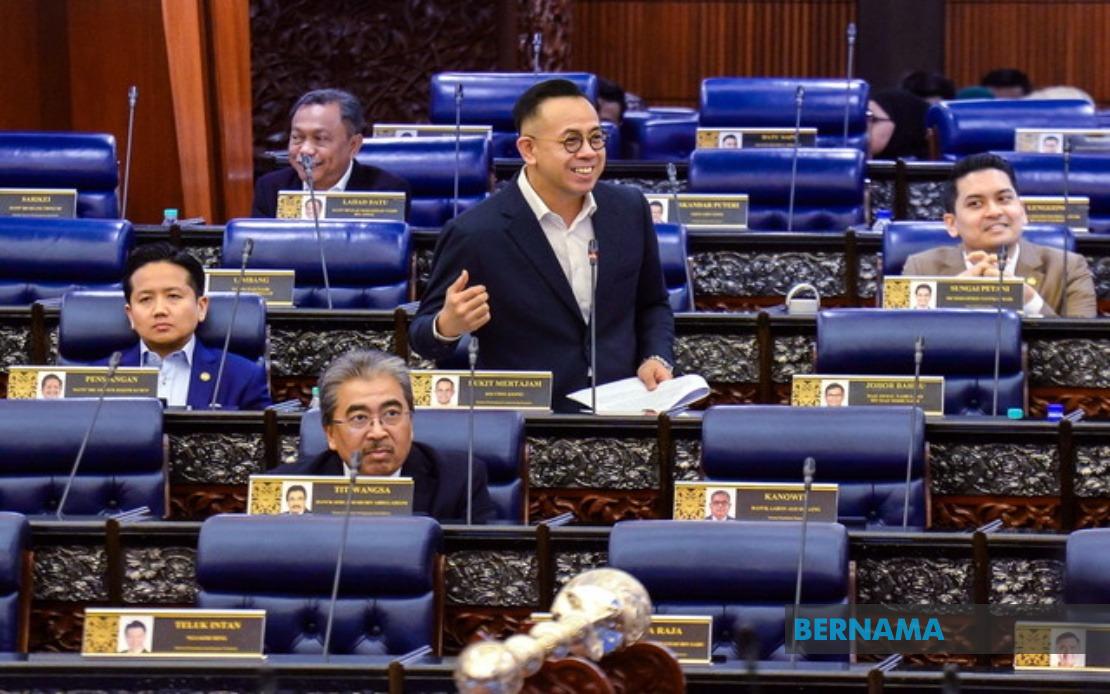
The Ministry of Entrepreneur and Cooperative Development, known locally as KUSKOP, has channelled nearly RM3 billion into targeted programmes designed to strengthen Bumiputera entrepreneurship over the past two-and-a-half years, according to Minister Steven Sim Chee Keong. The investment reflects a deliberate policy focus on building capacity within Malaysia's indigenous business community, a cornerstone of the government's broader economic empowerment strategy that extends beyond simple financial transfers to encompass skills development and business scaling.
When presenting findings to Parliament in late June, Sim outlined a framework for evaluating programme success that moves beyond conventional spending metrics. The ministry tracks concrete business outcomes rather than merely counting disbursed funds, measuring impact through indicators such as minimum 20 per cent revenue growth among participating entrepreneurs and tangible expansion by approximately 150 firms that have successfully increased their operational scale. This outcomes-focused approach reflects an attempt to justify public expenditure through demonstrable business performance rather than activity counts, though questions about long-term sustainability remain pertinent for observers of Malaysia's entrepreneurial ecosystem.
The financing approval pipeline reveals accelerating momentum in KUSKOP's lending and grant mechanisms. During the first five months of 2025 alone, the ministry sanctioned RM5 billion in financing benefiting close to 180,000 entrepreneurs spanning various ethnic backgrounds and business sectors nationwide. This distribution across multiple racial groups suggests that while Bumiputera empowerment remains a specific policy priority, KUSKOP's broader remit encompasses supporting the wider Malaysian entrepreneurial base, a positioning that potentially reduces political sensitivities around targeted assistance programmes.
Focusing specifically on Bumiputera entrepreneurs, KUSKOP-affiliated agencies allocated RM1.407 billion to support more than 53,000 indigenous businesspeople between 2025 and May 2026. Within this cohort, youth engagement constitutes a strategic emphasis, with over 11,400 young Bumiputera entrepreneurs receiving more than RM251 million in assistance. This generational focus addresses persistent concerns about ensuring that economic opportunity reaches younger business leaders rather than concentrating benefits among established stakeholders, potentially creating a more dynamic and innovative entrepreneurial layer over time.
Beyond financing, KUSKOP has integrated halal industry development into its empowerment framework, recognising the commercial potential of this sector for Malaysian entrepreneurs seeking regional and global market access. The ministry assists business owners in obtaining halal certification through various support programmes, acknowledging that certification represents both a regulatory necessity and a valuable market differentiator. For Bumiputera entrepreneurs particularly, halal industry positioning offers an avenue to compete in Muslim-majority markets across Southeast Asia and beyond, where Malaysian halal credentials carry established credibility.
Addressing structural barriers to entrepreneurial development, parliament heard discussion of establishing comprehensive support mechanisms through a single coordinating body. KUSKOP designated SME Corp Malaysia as its central coordinating agency, tasked with consolidating financing, grants, and other support offerings into an accessible framework. This institutional arrangement reflects recognition that aspiring entrepreneurs frequently struggle to navigate fragmented assistance programmes distributed across dozens of government agencies, a coordination problem that has historically hindered programme effectiveness.
SME Corp's expanded coordination role encompasses information provision, applicant channelling, and connecting Bumiputera entrepreneurs with appropriate agencies based on their specific requirements. The agency serves as a centralised reference point within a complex bureaucratic landscape, theoretically reducing transaction costs for business owners seeking government support. Complementing this administrative consolidation, KUSKOP has developed a dedicated portal listing support offerings from more than 60 government agencies, creating a virtual single window for entrepreneurs researching available assistance.
For Malaysian entrepreneurs and policymakers, the RM3 billion investment and its documented outcomes represent both progress and ongoing challenge. The 20 per cent sales growth threshold and 150-company expansion metric suggest measurable impact, yet the scale of government support relative to Malaysia's total entrepreneurial population raises questions about programme penetration and whether assistance reaches underserved segments. The concentration of youth-focused initiatives within Bumiputera assistance acknowledges demographic realities but also highlights the continuing need to build sustainable business ecosystems rather than relying primarily on government capital injection.
The halal industry emphasis carries particular significance for Southeast Asian context, where Malaysia positions itself as a regional halal hub and standard-setter. By channelling Bumiputera entrepreneurs toward this sector through certification support and market development programmes, KUSKOP aligns microeconomic entrepreneurship policy with broader foreign policy and economic positioning objectives. This integration of enterprise development with sectoral strategy represents a more sophisticated approach than indiscriminate financing, potentially yielding sustained competitive advantage.
Moving forward, the success of these initiatives depends substantially on post-financing support and business sustainability metrics beyond the initial programme period. While the RM5 billion approval rate during 2025's first five months demonstrates institutional capacity for capital deployment, the long-term viability of assisted enterprises remains a critical measurement often neglected in official presentations. Malaysian policymakers and observers should monitor not merely the number of entrepreneurs receiving assistance or immediate sales growth, but the proportion of supported businesses surviving and expanding independently three to five years post-programme, a metric that would more accurately reflect genuine entrepreneurial empowerment versus temporary financial support.

