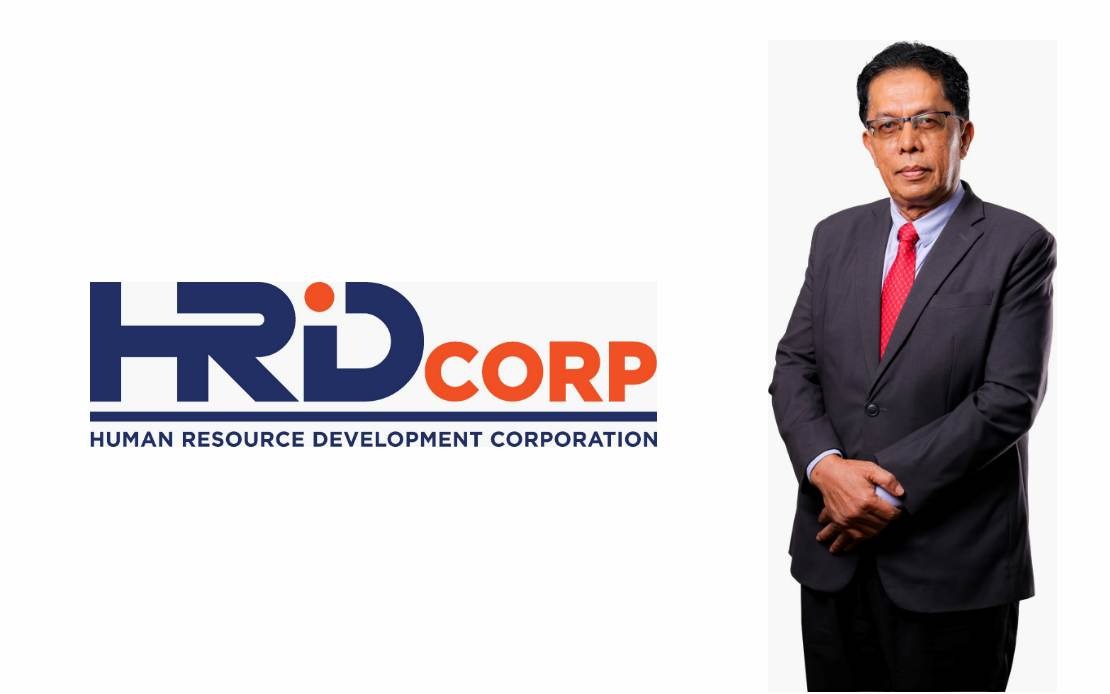
Malaysia's Human Resource Development Corporation (HRD Corp) is launching an ambitious nationwide skills initiative designed to democratise access to professional training, with the fourth edition of the National Training Week (NTW) 2026 commencing on July 20. The initiative, unveiled in Sandakan on July 19, represents a significant commitment to workforce development across all demographic segments, offering comprehensive training opportunities at no cost to participants regardless of age or background. By positioning this campaign as a national movement rather than a routine annual event, organisers aim to embed lifelong learning as a core cultural value among Malaysian workers, entrepreneurs, and citizens.
The programme reflects a deliberate strategic choice to position Sabah as a focal point for human capital development, with Sandakan's selection as the launch venue serving as recognition of the state's strategic importance to Malaysia's broader economic agenda. This geographic emphasis underscores growing recognition that skills development must be geographically inclusive, extending beyond urban centres to ensure rural and regional populations gain access to contemporary training opportunities. The focus on Sabah also signals acknowledgment that economic diversification across all regions requires equitable distribution of workforce development resources, supporting the nation's commitment to balanced national development.
The curriculum offered through NTW 2026 demonstrates acute awareness of emerging economic sectors and digital transformation imperatives shaping Malaysia's labour market. Courses spanning artificial intelligence prompting, digital marketing, AI animation, and drone operations directly address skill gaps in high-growth sectors commanding premium wages and career advancement opportunities. Complementary offerings in autism support and language development reflect recognition that inclusive economic participation requires addressing social care needs and communication barriers. Vehicle maintenance programming speaks to persistent demand for skilled trades, while inclusion of pathways for gig workers, entrepreneurs, and homemakers acknowledges that modern Malaysian employment extends far beyond traditional corporate structures.
Coordination between HRD Corp and the Ministry of Human Resources (KESUMA) represents institutionalisation of skills development as a priority across Malaysia's human resource ecosystem. This inter-agency collaboration enables consolidation of expertise, resource allocation, and training delivery mechanisms, creating coherent rather than fragmented pathways for learners. HRD Corp chairman Datuk Rusli Jaafar's emphasis on collaboration with industry practitioners and accredited training institutions ensures that curriculum content maintains relevance to actual workplace requirements, reducing the persistent gap between educational outcomes and employer expectations.
The incentive scheme recognising top-performing 2025 SPM students from the Batu Sapi parliamentary constituency exemplifies integration of secondary-school transition support into the broader lifelong learning ecosystem. By awarding 149 high-achieving students with special recognition and access to advanced skills pathways, the programme creates linkage between academic excellence and professional development opportunities, encouraging sustained engagement with skill acquisition beyond compulsory education. This approach acknowledges that Malaysia's competitive advantage increasingly depends on cultivating talent early and providing clear trajectories from secondary education into emerging sectors.
Flexibility in course delivery through both online and in-institution formats represents pragmatic accommodation of Malaysia's diverse geographical and demographic circumstances. Remote learners in rural areas and employed professionals with inflexible schedules can access content digitally, while hands-on technical training requiring supervised practice can occur at designated physical locations. This hybrid model maximises participation potential by removing logistical barriers that historically excluded working professionals and geographically distant populations from upskilling opportunities.
The carnival infrastructure surrounding NTW 2026 transforms the initiative from transactional course catalogue into experiential engagement opportunity. Interactive components including knowledge-sharing sessions, career advisory services, and training agency exhibitions create immersive environments where participants can explore diverse pathways, interact with industry representatives, and develop comprehensive understanding of available opportunities. This carnival approach recognises that informed participation in skills development requires more than information distribution; it demands interactive exposure to possibilities and direct dialogue with practitioners.
The roadshow format extending across Malaysia before culminating in Penang on July 25 and 26 ensures national geographic coverage while building anticipatory momentum. Sequential launches across different regions allow customisation to regional economic priorities and labour market characteristics, ensuring training portfolios reflect local industry structures and skill demands. The staggered approach also facilitates participant attendance without overwhelming individual venues, enabling more meaningful interaction between learners and programme facilitators.
For Malaysian workers concerned about remaining competitive amid technological disruption and changing employment patterns, NTW 2026 provides structured access to contemporary skills that might otherwise require significant personal investment. The removal of financial barriers to training democratises access to credentials and competencies increasingly essential for career resilience and advancement. Southeast Asian regional context amplifies this initiative's significance, as Malaysia competes with regional neighbours for foreign direct investment and technology sector concentration; a skilled, adaptable workforce maintained through continuous learning becomes differentiated competitive advantage.
The programme also addresses pressing equity considerations within Malaysia's labour market. Explicit inclusion of homemakers, retirees, and gig workers recognises that human capital development benefits extend beyond formal employment sectors, supporting broader social participation and economic security across diverse population groups. For women returners to the workforce and non-traditional workers, access to contemporary skills pathways creates genuine alternative employment possibilities beyond conventional corporate hierarchies.
As Malaysia navigates digital transformation accelerating across all economic sectors, the timing of NTW 2026 reflects realistic assessment that workforce adaptation cannot occur through passive reliance on initial education credentials. Continuous reskilling and upskilling throughout working life represents the new occupational reality, making accessible training infrastructure a public good justifying government-backed coordination. The initiative establishes this principle institutionally while providing immediate tangible opportunity for skills acquisition across all Malaysian demographics.

