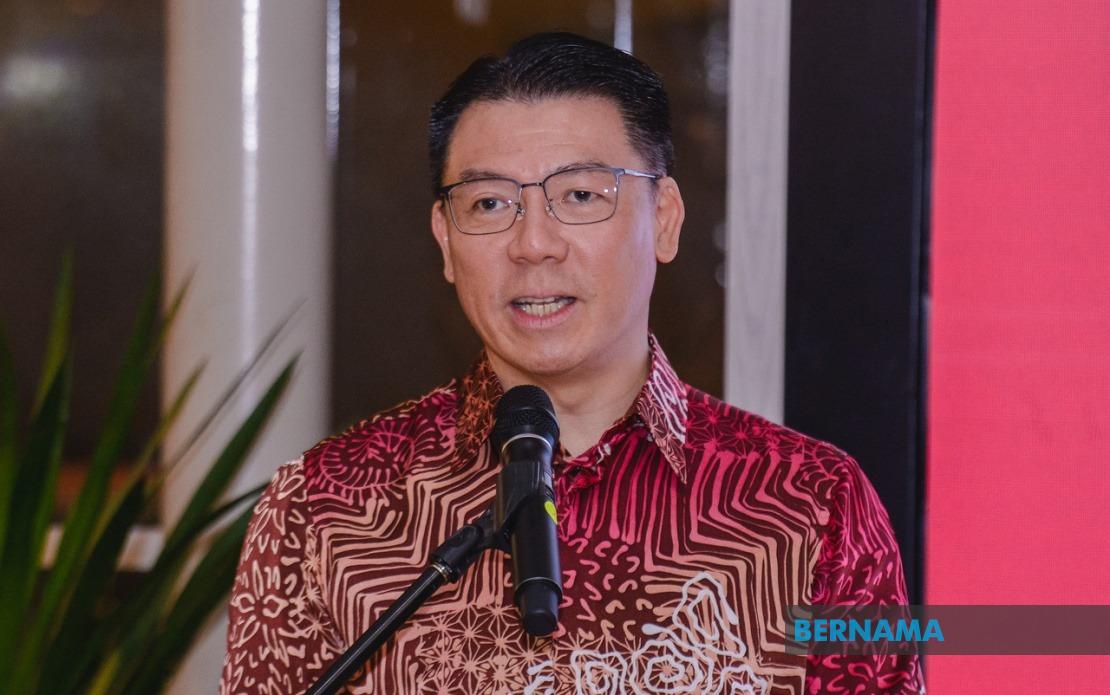
Housing and Local Government Minister Nga Kor Ming has unveiled a 10 per cent discount scheme on residential purchases during the ASEAN Real Estate Conference 2026, scheduled for July 29 to August 1 at the Malaysia International Trade and Exhibition Centre (MITEC) in Kuala Lumpur. The initiative represents a strategic effort to address persistent affordability challenges that have constrained property ownership among Malaysian households, particularly those attempting to meet the mandatory 10 per cent deposit under standard Sale and Purchase Agreements.
The discount programme has been developed through a collaborative arrangement between the Ministry of Housing and Local Government (KPKT) and the Real Estate and Housing Developers' Association Malaysia (REHDA), signalling broad industry support for measures aimed at expanding home ownership accessibility. Prime Minister Datuk Seri Anwar Ibrahim is expected to formally open the four-day conference, which organisers anticipate will generate approximately RM1.5 billion in property transactions. The event will encompass forums, networking sessions for business matching, and an extensive exhibition showcasing residential and commercial developments from across the region.
The government's commitment to housing affordability extends beyond the discount mechanism. The KPKT has simultaneously launched the Rahmah Cement initiative, designed to alleviate construction cost pressures facing developers who focus on building affordable housing units. Through this programme, 1.6 million metric tonnes of cement will be distributed to participating developers, creating a dual-pronged approach that addresses both demand-side affordability for buyers and supply-side cost pressures for builders. Nga articulated the policy framework underpinning these measures, emphasising that the objective transcends rhetorical commitment to making home ownership genuinely attainable rather than aspirational for ordinary Malaysians. The minister framed housing security within the broader national vision of "Rumahku, Syurgaku" (My Home, My Heaven), positioning residential ownership as a fundamental right rather than a luxury good accessible only to affluent segments of society.
Malaysia's property sector has achieved significant international recognition, with local developers demonstrating competitive capacity on the global stage. At the FIABCI World Prix d'Excellence Awards 2026, Malaysia secured the overall championship by winning 14 awards, comprising eight gold medals and six silver medals across diverse development categories. This performance underscores the technical proficiency and design innovation that Malaysian property companies have cultivated, establishing benchmarks that compete with international standards. The gold medal recipients included Park Regent @ Desa ParkCity in high-rise residential; The Mansions @ ParkCity Hanoi in low-rise residential; Merdeka 118 in office and sustainable development categories; Elmina Lakeside Mall in retail; Sunway Velocity Two (Phase 1) in mixed-use development; Gamuda Gardens in master planning; and Diamond Precinct in Vietnam for mid-rise residential.
The accumulated track record of Malaysian developers extends beyond the 2026 awards cycle. Since the FIABCI Prix d'Excellence programme was established in 1992, Malaysian companies have collectively garnered 135 gold medals, reflecting sustained excellence and consistent innovation across three decades. This historical performance suggests that Malaysian property development operates within an institutional framework that prioritises design quality, sustainability integration, and customer-centric planning. The international visibility of these achievements carries strategic implications for Malaysia's positioning within regional and global property markets, signalling to foreign investors and international development partners that the domestic industry possesses legitimate world-class credentials.
The internationalisation of Malaysian property firms constitutes a notable feature of the sector's maturation. Developers including ParkCity Group have expanded into Vietnamese markets, SP Setia operates across Australian territories, OSK Property maintains significant operations in Melbourne, and EcoWorld has established a presence in London. These overseas ventures represent capital deployment, employment generation, and brand positioning opportunities beyond domestic boundaries. Nga characterised this international expansion as aligned with government aspirations to develop champion enterprises capable of competing globally whilst maintaining home-market competitiveness. The minister's framing suggests that housing sector development strategy encompasses not merely domestic affordability and construction standards but broader economic objectives related to business internationalisation and corporate competitiveness.
The AREC 2026 represents a significant platform for industry convergence and policy announcement. Beyond the discount mechanism and international awards recognition, Prime Minister Anwar Ibrahim is scheduled to launch the National Housing Policy on July 30, indicating that the conference functions as a coordinated moment for articulating comprehensive housing governance frameworks. The simultaneous introduction of multiple initiatives—purchase discounts, cement subsidies, and policy articulation—suggests a coordinated governmental approach to housing challenges rather than isolated interventions. The four-day duration allows for substantive engagement among developers, policymakers, investors, and potential purchasers, potentially catalysing transaction volumes and business relationship formation across participating nations.
For Malaysian homebuyers, the 10 per cent purchase discount carries tangible financial implications. Prospective owners have historically faced challenges assembling adequate capital for the customary 10 per cent deposit, with this requirement representing a significant barrier to entry for middle and lower-middle income households. A 10 per cent discount effectively reduces the deposit obligation, enhancing affordability metrics and potentially enabling market participation by previously excluded demographic cohorts. The timing of the discount during a major international conference may generate sufficient aggregate demand to justify developer participation, suggesting commercial viability alongside policy objectives.
The Rahmah Cement initiative addresses structural cost pressures that have constrained affordable housing supply. Rising construction material prices, particularly cement, have squeezed developer margins and necessitated corresponding increases in residential prices. By supplying 1.6 million metric tonnes of cement specifically to affordable housing developers, the government mitigates a primary cost driver, potentially enabling price moderation or margin restoration. This supply-side intervention complements demand-side affordability measures, creating complementary policy mechanisms targeting different dimensions of the housing market challenge.
Regional implications warrant consideration. AREC 2026 draws participants from across the ASEAN membership, positioning Malaysia as a regional leader in property sector advancement and housing policy innovation. The showcase of Malaysian developer achievements and policy initiatives may influence housing approaches across Southeast Asia, particularly among nations confronting similar affordability pressures and urbanisation dynamics. The expected RM1.5 billion in transaction value encompasses cross-border capital flows, as regional investors assess Malaysian properties against competing regional opportunities.
The convergence of affordable housing policy, international award recognition, and developer internationalisation reflects a maturing property sector characterised by quality orientation, policy support, and commercial sophistication. Malaysia's housing market presents itself as both a domestic platform addressing citizen ownership challenges and a regional/global competitive arena attracting international capital and expertise. The initiatives announced through AREC 2026 position housing sector development as integral to broader national economic objectives encompassing citizen welfare, business competitiveness, and regional influence.

