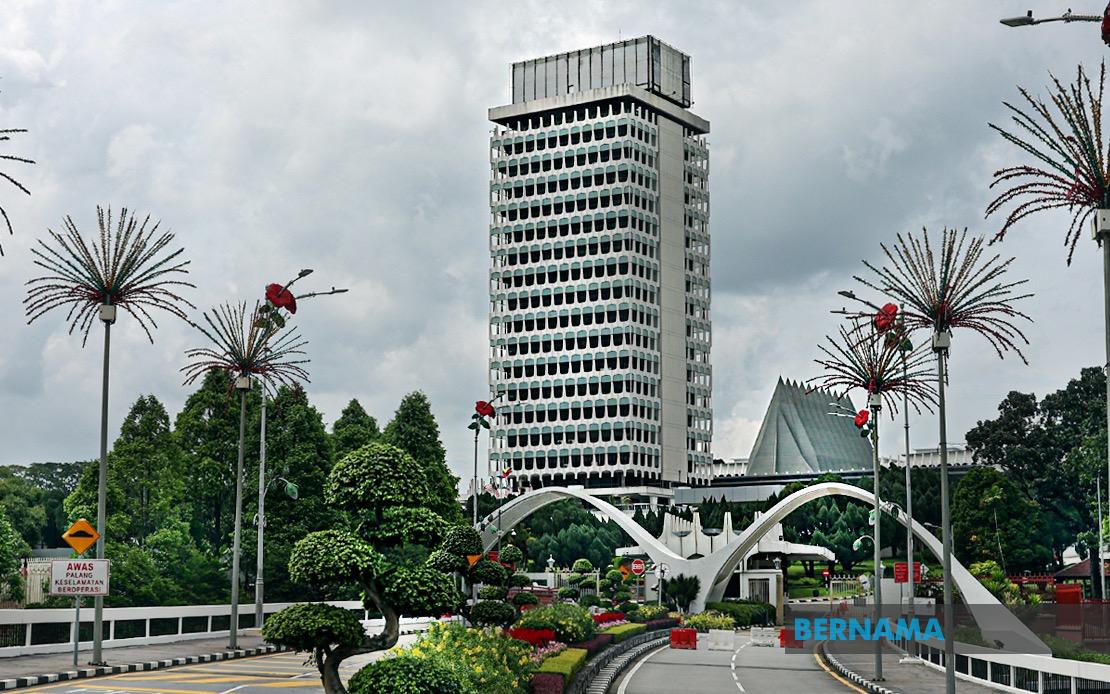
Malaysia's Parliament will turn its attention to two critical national concerns when it sits today: the ripple effects of Middle Eastern instability on the country's lucrative tourism industry and security vulnerabilities along maritime boundaries in the north. The 16-day sitting, which commenced recently and continues until July 16, has programmed questioning and legislative debate that reveals Parliament's focus on economic resilience and border protection at a time of global uncertainty.
The tourism sector's exposure to geopolitical shocks forms the centrepiece of one parliamentary enquiry. Dr Ahmad Fakhruddin Fakhrurazi from Kuala Kedah will probe the Tourism, Arts and Culture Minister on quantifiable impacts of the West Asian conflict on visitor numbers, with particular emphasis on three key markets: the Middle East itself, Europe, and the broader West Asian region. These markets represent significant revenue streams for Malaysia's hospitality and attractions industries. The question signals parliamentary concern that ongoing tensions in the region may deter discretionary travel spending precisely when Malaysia is competing with regional rivals like Thailand and Indonesia for market share.
The government's strategic response to sustain tourism momentum will be equally scrutinised. Malaysia has invested considerably in developing its positioning as a safe, welcoming destination that attracts diverse visitor profiles across leisure, business, and religious tourism segments. Understanding what policy interventions officials have deployed—whether through pricing adjustments, marketing redirections, enhanced safety assurances, or diversification toward non-affected markets—will illuminate the Ministry's adaptive capacity. For Malaysian stakeholders in the tourism value chain, from hotel operators to tour guides and souvenir retailers, this parliamentary exchange may signal whether government support mechanisms are being activated.
Northern border security constitutes the second major parliamentary concern. Langkawi, despite its reputation as a premier island resort destination, occupies strategically vulnerable territory immediately adjacent to Thai waters and sits along established maritime smuggling corridors. Datuk Mohd Suhaimi Abdullah will interrogate the Home Minister on whether security agency assets and personnel are adequately resourced and positioned to counter migration smuggling networks and illicit goods trafficking. This question reflects a persistent challenge facing Malaysian enforcement: the gap between the sophistication of criminal operations and the capacity of frontline security agencies to detect and interdict them.
The enquiry into drone asset deployment carries particular significance. Unmanned aerial vehicles offer persistent surveillance over maritime zones without the operational constraints of manned patrols, enabling 24/7 monitoring of coastal intrusion points and trafficking routes. The fact that a previous application for UAV use has evidently stalled suggests bureaucratic or budgetary obstacles that Parliament now seeks to unblock. For Malaysia's maritime security strategy across the Straits of Malacca and beyond, technological modernisation at Langkawi could represent a proof-of-concept for broader adoption.
Environmental and resource conflicts form a third parliamentary preoccupation. Manndzri Nasib will examine the effectiveness of Ecological Fiscal Transfer funds directed toward reducing human-elephant conflict in states where wildlife habitats and human settlements increasingly overlap. The query encompasses both the financial adequacy of these transfers and the tangible outcomes being achieved through PERHILITAN's community engagement programmes. Escalating human-elephant incidents create acute pressures on rural communities whilst threatening endangered elephant populations, making this a complex sustainability challenge.
The Electric Fencing for Elephants initiative represents innovation in coexistence technology, using electrical barriers to deter elephants from cultivated areas and human settlements without causing lasting harm. Parliamentary interest in expanding SPEG reflects recognition that effective human-wildlife mitigation requires sustained investment and interagency coordination. The question implicitly asks whether multiple government bodies—forestry, wildlife, agricultural, and local government agencies—are adequately aligned in strategy and resource allocation.
Housing affordability emerges as the fourth substantive issue under parliamentary review. Datuk Willie anak Mongin seeks granular data on unsold affordable housing stock disaggregated by state and price tier, alongside homeownership rates among Malaysians under age 35 across different constituencies. This intelligence addresses a persistent political vulnerability: despite government commitments to affordable housing, significant inventories remain unabsorbed whilst young Malaysians struggle with property access. The parliamentary request for disaggregated data suggests MPs want to identify which jurisdictions and price ranges face particular absorption problems, enabling targeted policy responses.
Homeownership rates among younger demographics carry broader economic implications. When young adults cannot transition into property ownership, household formation patterns shift, consumer spending patterns alter, and intergenerational wealth accumulation stalls. For a middle-income country aspiring toward high-income status, the inability of younger generations to access housing markets represents a productivity and social cohesion concern that Parliament is now interrogating more systematically.
Two legislative measures will advance through their parliamentary journey during this sitting. The Sexual Offences against Children Amendment Bill 2026 responds to evolving threats in the digital age, whilst the Employment Insurance System Amendment Bill 2025 addresses labour market protection frameworks. Both measures will receive second reading consideration, allowing Parliament to debate substantive policy changes before potential passage.
The Sexual Offences amendment signals Parliament's determination to strengthen protections for vulnerable minors, whilst the employment insurance revision reflects Malaysia's ongoing engagement with comprehensive social protection architecture. Together with the questioning sessions, these legislative items demonstrate Parliament's attention spanning economic resilience, border security, environmental sustainability, housing equity, and social protection—a remarkably comprehensive agenda reflecting the interconnected challenges facing contemporary Malaysia.

