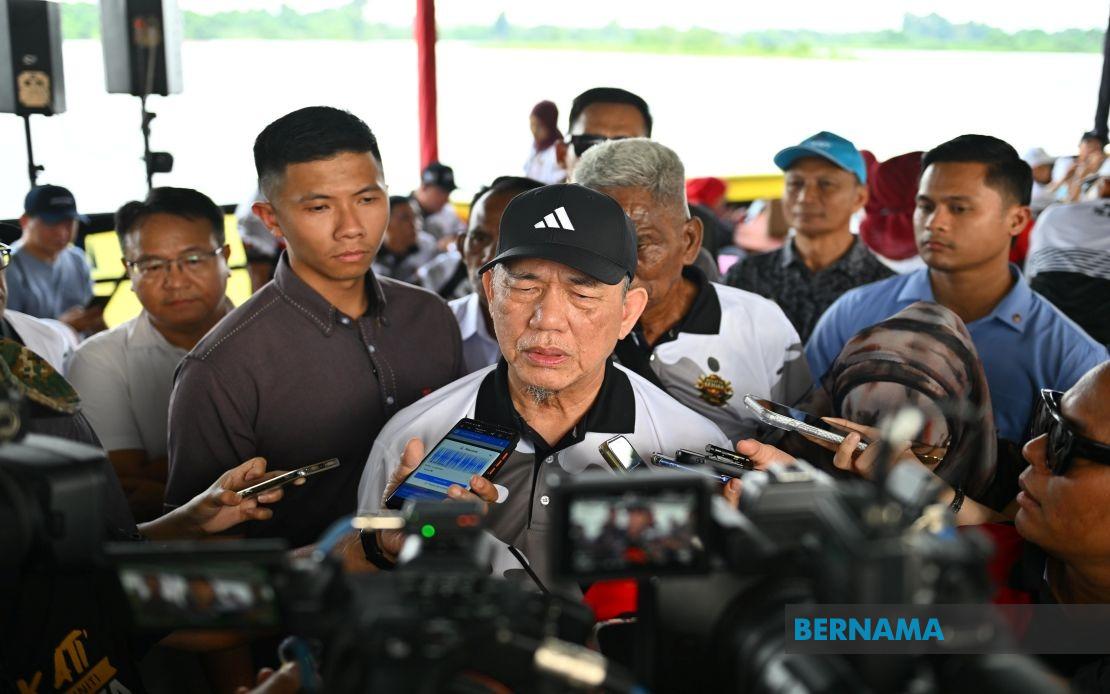
Malaysia's energy supply position remains stable despite rising geopolitical tensions affecting one of the world's most critical oil and gas transit routes, Deputy Prime Minister Datuk Seri Fadillah Yusof confirmed this week. Speaking during a visit to Kuching for the closing ceremony of Regatta 2026, Fadillah reassured the nation that authorities have maintained close surveillance over developments in the Strait of Hormuz, a strategic waterway through which approximately one-third of global maritime petroleum trade passes annually.
The Deputy Prime Minister disclosed that the country is not currently facing any energy supply disruptions, attributing this security to proactive engagement by both Petronas and the office of Prime Minister Datuk Seri Anwar Ibrahim. Through coordinated negotiations operating across multiple diplomatic and commercial channels, Malaysia has managed to preserve its energy access despite international volatility. Fadillah emphasised that Petronas has been instrumental in maintaining these channels of communication and supply arrangements with various international partners.
While the assurances provide some comfort to Malaysian consumers and industries dependent on stable energy inputs, Fadillah acknowledged that the underlying economic picture remains complex. The stability of physical supply does not insulate Malaysia from the broader financial pressures created by global energy markets. Fluctuations in international crude oil and liquefied natural gas prices directly influence economic planning and government fiscal capacity, even when actual shortages do not materialise.
The Strait of Hormuz situation exemplifies a recurring vulnerability for energy-importing nations throughout Southeast Asia. The waterway's strategic importance means that any disruption—whether from geopolitical conflict, maritime incidents, or international sanctions—instantly reverberates through regional fuel markets. Malaysia, as both an energy exporter and consumer, faces a compound challenge: protecting its domestic supply while managing price exposure that affects everything from inflation to transport costs to industrial competitiveness.
Fadillah, who also holds the Energy Transition and Water Transformation portfolio, articulated the fine balance that government must strike. While maintaining subsidies and welfare assistance for citizens experiencing energy-driven price pressures, officials must simultaneously plan for long-term fiscal sustainability. The subsidy programmes that shield ordinary Malaysians from volatile global prices carry significant budgetary costs, particularly during periods of elevated international oil values. This tension between immediate social support and medium-term financial health will likely shape energy policy debates throughout 2024 and beyond.
The diplomatic dimension of Malaysia's energy security cannot be understated. The coordination between Petronas, the Prime Minister's office, and international negotiating partners suggests that Malaysia is pursuing a strategy of sustained engagement rather than passive acceptance of global market forces. Such multilevel diplomacy helps secure preferential supply agreements, access to diverse energy sources, and advance warning of potential disruptions—tools that purely market-based procurement might not provide.
For Malaysian businesses and households, the government's current posture appears to be one of cautious confidence. Supply chains in manufacturing, agriculture, and services depend on predictable energy costs and continuous availability. The assurance that physical supply remains guaranteed addresses immediate operational concerns, though the acknowledged uncertainty around future global pricing warrants contingency planning across both public and private sectors.
The broader context includes Malaysia's ongoing energy transition agenda. While managing immediate supply security and price volatility, the government simultaneously pursues renewable energy development, gas infrastructure investment, and industrial diversification. These longer-term initiatives aim to reduce vulnerability to geopolitical shocks and global price swings. Success in these areas would provide Malaysia with greater insulation from Hormuz tensions or other international supply disruptions in the coming decade.
Regional observers note that Malaysia's relative stability contrasts with potential vulnerabilities affecting other Southeast Asian economies with lower energy self-sufficiency or less developed diplomatic engagement with major suppliers. Singapore, Thailand, and Vietnam all face exposure to Strait of Hormuz disruptions, creating shared interest in maintaining regional stability and diversified energy sourcing arrangements. Malaysia's experiences and policy responses therefore carry implications extending beyond its borders.
Looking forward, the government's attention to multilevel negotiations suggests awareness that energy security increasingly involves not just commercial transactions but strategic partnerships and diplomatic positioning. As global energy markets continue to shift—driven by climate transition, geopolitical realignment, and technological change—nations that maintain robust international relationships and diversified supplier networks will prove more resilient.
The Deputy Prime Minister's public confidence in Malaysia's current supply position, coupled with candid acknowledgment of pricing challenges, reflects a pragmatic communication strategy. Rather than dismissing concerns about global energy developments, officials validate citizen anxieties while affirming that active management is underway. This approach helps maintain public confidence without creating complacency about genuine long-term challenges facing Malaysia's energy security and fiscal management in an increasingly volatile international environment.

