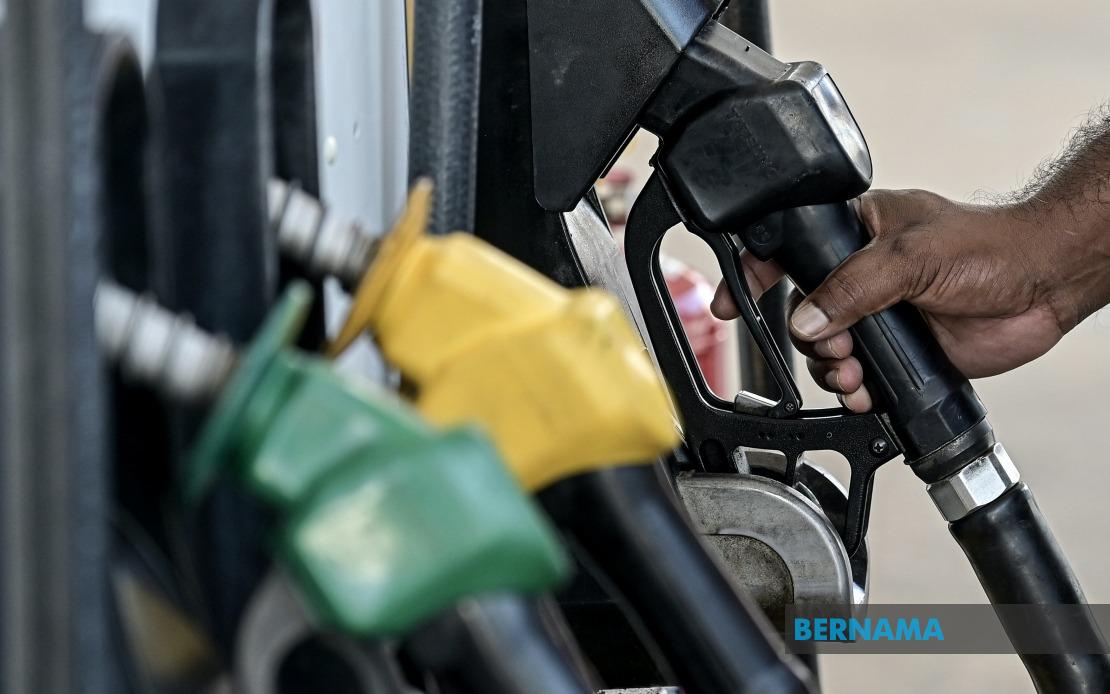
Malaysia's expanded diesel fuel subsidy programme, BUDI MADANI Diesel, commences tomorrow with approximately 700,000 private vehicle owners positioned to benefit from subsidised diesel priced at RM2.10 per litre. The Ministry of Finance announced that the initiative will serve 400,000 private diesel vehicle owners across Peninsular Malaysia, complemented by 300,000 beneficiaries in Sabah, Sarawak, and the Federal Territory of Labuan. This represents a substantial widening of the government's support for diesel consumers, who have faced mounting pressure from fuel price volatility and broader cost-of-living concerns.
The programme marks a significant shift in policy scope compared to its predecessor, BUDI Diesel Individu, which provided direct monthly cash assistance to merely 180,000 recipients in Peninsular Malaysia. By transitioning from a cash-based mechanism to a point-of-purchase subsidy model, the government aims to deliver more immediate relief at petrol stations, streamlining the process for eligible drivers. The structural redesign demonstrates the administration's commitment to simplifying fuel subsidy administration whilst broadening its reach across the country.
Beyond private vehicles, the subsidy framework extends to commercial operators. Approximately 70,000 commercial and goods transport vehicles operating in Sabah, Sarawak, and the Federal Territory of Labuan will now access subsidised diesel at RM2.15 per litre through the SKDS (Subsidised Diesel Control System). The government has also widened eligibility to include company-registered private pickup trucks and jeeps, contingent upon specified conditions. This layered approach acknowledges the differential fuel consumption patterns and economic circumstances of various vehicle categories, recognising that small commercial operators face distinct cost pressures from private drivers.
Early testing of the system in Peninsular Malaysia reveals promising operational performance. Since the initiative's soft launch on June 27, approximately 80,000 transactions have been recorded as of noon on June 30, representing roughly 3.2 million litres of fuel transactions valued near RM7 million. The rollout at RM2.15 per litre during the pilot phase indicates a price floor slightly above the final rate, suggesting administrative adjustments based on early feedback. Significantly, the MyKad verification infrastructure at petrol stations has functioned without substantial disruptions, indicating that the technological backbone can sustain larger transaction volumes when the national launch proceeds.
For families with shared vehicle arrangements, the government has introduced a mechanism permitting BUDI Diesel eligibility transfer among immediate family members. Original beneficiaries may assign their subsidy entitlement to a spouse, parent, child, or sibling, subject to formal verification procedures. Nearly 1,000 transfer applications were already processed by early morning on June 30, suggesting substantial demand from households where vehicles are registered under one family member's name but driven primarily by another. The one-off transfer arrangement addresses a practical reality in many Malaysian households where vehicle ownership and usage do not align perfectly with legal registration.
Pickup and jeep owners granted eligibility can apply for an additional 100 litres of monthly diesel allocation via the BUDI MADANI portal. Initial uptake indicates considerable interest in this supplementary provision, with more than 22,000 applications submitted by mid-morning on June 30. This allocation structure provides a transparent mechanism for monitoring consumption whilst preventing potential system abuse, though the threshold may require calibration based on usage patterns within specific industries and regions.
The Ministry of Finance has simultaneously introduced a three-month ownership transfer fee waiver on diesel vehicles, eliminating charges up to RM100 for individuals seeking to regularise vehicle registration within family units. This concurrent policy change addresses a secondary barrier preventing eligible drivers from accessing subsidies, particularly in cases where vehicles are informally shared among relatives. Road Transport Department (JPJ) offices will operate extended weekend hours from July 4 through July 26, maintaining 8 am to 5 pm accessibility across all state JPJ offices and state UTC JPJ branches, facilitating the anticipated surge in transfer applications.
The subsidy's fiscal impact reflects a deliberate government investment in cost-of-living relief for motorists dependent on diesel fuel. The allocation targets economic sectors crucial to Malaysia's operations, including transportation, logistics, and agricultural services, where fuel costs significantly influence operational viability and final consumer prices. By protecting these sectors from full market-rate fuel exposure, the government seeks to stabilise prices throughout the supply chain, mitigating inflationary pressures beyond the petroleum sector itself.
For Southeast Asian context, Malaysia's approach differs markedly from regional peers. While Indonesia, Thailand, and Vietnam maintain various subsidy mechanisms, Malaysia's combined cash assistance and point-of-purchase subsidy represents a hybrid methodology designed to balance budget sustainability with consumer relief. The regional experience demonstrates that petrol subsidies, though politically popular, require careful targeting to remain fiscally manageable over extended periods. Malaysia's expansion suggests confidence in the programme's economic sustainability, though fuel price movements and broader macroeconomic conditions will determine whether this assessment proves accurate.
The technology infrastructure underpinning BUDI Diesel—particularly the MyKad verification system—represents a significant investment in digital governance. Successful national implementation could establish templates for future subsidy distribution programmes, potentially extending beyond fuel to other essential commodities. However, the system's capacity constraints and cybersecurity requirements will require continuous monitoring as transaction volumes increase post-launch.
Eligible vehicle owners can verify their status and review monthly quotas through designated channels, though the announcement appears truncated on this detail. The government's emphasis on portal-based application processes for pickup and jeep supplementary allocations indicates a broader digital-first administrative orientation, potentially challenging less digitally-engaged demographics. Ensuring accessibility for all eligible beneficiaries, particularly in rural areas with limited internet connectivity, remains an implementation consideration requiring attention beyond the formal announcement.
As implementation commences across Malaysia's diverse geography, operational challenges inevitable in any nationwide subsidy programme will emerge. The balance between managing costs, preventing fraud, and ensuring equitable access to subsidised fuel will define the initiative's long-term sustainability. Initial success metrics suggest the infrastructure can support the intended beneficiary population, though real-world pressures often differ from controlled pilot environments.

