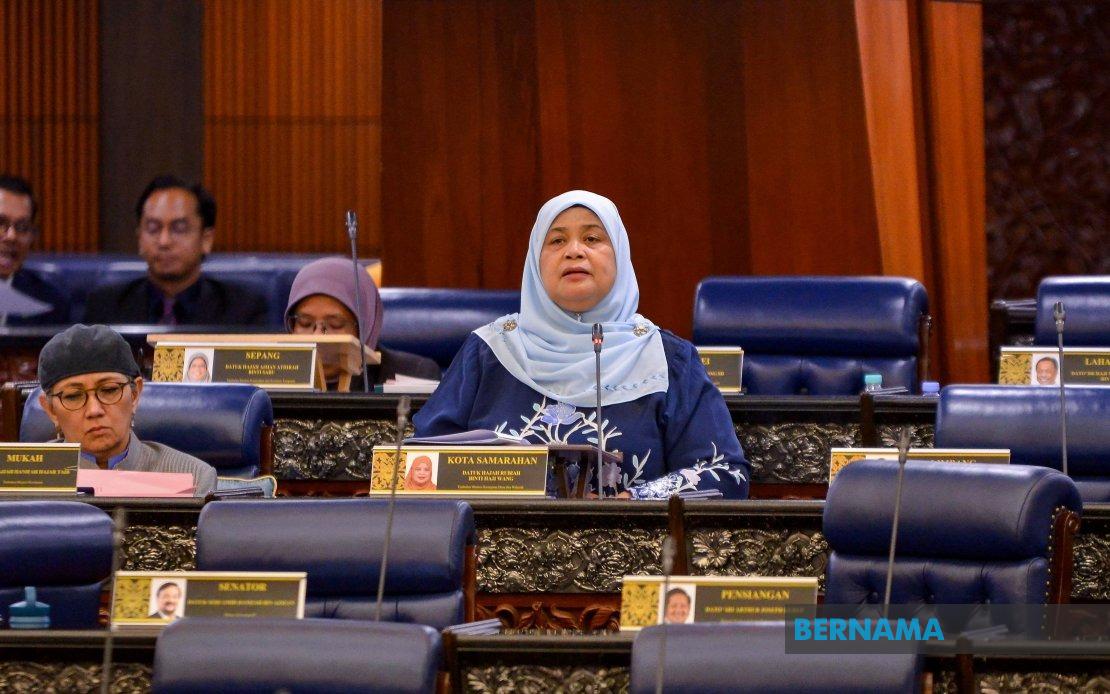
Malaysia is embarking on a significant transformation of its Technical and Vocational Education and Training system through a comprehensive accreditation overhaul designed to forge closer ties between educational institutions and industry leaders. Deputy Minister of Rural and Regional Development Datuk Rubiah Wang revealed the strategic initiative during parliamentary proceedings on July 14, emphasising that the reform will ensure TVET graduates possess skills directly valued by employers while addressing persistent labour market mismatches that have long plagued the sector.
The core challenge driving this transformation stems from a longstanding disconnect between what vocational institutions teach and what industries actually require. By embedding direct industry recognition into the accreditation process, Malaysia aims to create a more responsive system where curriculum development follows genuine employer needs rather than theoretical assumptions. This approach reflects international best practices seen in countries with robust vocational sectors, where industry bodies maintain significant influence over training standards and programme design.
Under the refreshed TVET 2.0 framework, the Ministry of Rural and Regional Development intends to cultivate a generation of technically proficient graduates who transcend traditional vocational boundaries. The vision extends beyond producing skilled workers to nurturing techno-entrepreneurs capable of establishing their own enterprises and contributing meaningfully to rural economic advancement. This entrepreneurial dimension represents a strategic pivot, recognising that rural prosperity increasingly depends on local innovation and enterprise creation rather than solely on attracting external investors to underdeveloped regions.
A particularly innovative component involves the TVET Tahfiz programme, which represents an attempt to balance spiritual and character development with contemporary technological competencies. Rather than treating religious education and technical skills as separate domains, the initiative trains students who master Quranic memorisation whilst simultaneously acquiring expertise in digital technologies and advanced systems. This integration reflects Malaysia's broader approach to human development, acknowledging that a complete workforce requires both moral grounding and technological literacy to navigate increasingly complex professional environments.
The ministry is implementing a specialised approach through dedicated training centres focusing on specific technological domains. TVETMARA Petaling Jaya concentrates on Internet of Things applications, while TVETMARA Besut serves as a centre of excellence for cloud computing training. TVETMARA Pasir Mas has been designated as Malaysia's primary Building Information Modelling hub, enabling students to develop expertise in advanced construction technologies. This targeted geography of specialisation allows institutions to develop deep expertise, attract specialist educators, and forge meaningful partnerships with companies operating in their respective domains.
Complementing these initiatives, the German-Malaysian Institute represents Malaysia's commitment to technological transfer from advanced manufacturing economies. By facilitating the transmission of German industrial expertise, particularly focusing on Industry 4.0 principles, the institution positions Malaysia to adopt manufacturing methodologies developed by one of the world's most sophisticated industrial sectors. This collaboration strengthens Malaysia's competitive positioning in global manufacturing supply chains, where advanced technical knowledge increasingly determines comparative advantage.
At the higher education tier, Universiti Kuala Lumpur has emerged as the flagship institution for advanced TVET programmes, with particular emphasis on artificial intelligence technologies. The establishment of a Bachelor of Artificial Intelligence Technology programme signals Malaysia's recognition that AI competency will define professional relevance across virtually all sectors within the next decade. By embedding AI education within vocational pathways rather than restricting it to elite universities, the initiative democratises access to cutting-edge technical knowledge.
The broader curriculum transformation encompasses mastery of technologies that increasingly define modern economies. Artificial intelligence, Internet of Things, cloud computing, cybersecurity, automation, robotics, and smart manufacturing systems represent the technological frontier where Malaysian graduates must achieve genuine competency. These fields extend beyond manufacturing into healthcare, finance, agriculture, and services, meaning that TVET excellence in these areas positions Malaysia to capture opportunities across multiple economic sectors simultaneously.
For Southeast Asian context, Malaysia's TVET 2.0 transformation carries regional significance. As regional economies compete for manufacturing investment and high-value service provision, workforce technical capacity becomes a decisive competitive factor. Thailand, Vietnam, and Indonesia are simultaneously upgrading their vocational systems, making Malaysia's success in this arena critical to maintaining its regional economic standing. The accreditation transformation signals that Malaysia recognises this competition and is responding with institutional innovation rather than complacency.
The emphasis on employability directly addresses a persistent criticism of previous TVET systems, where graduates sometimes possessed credentials that employers did not recognise or value. By embedding industry recognition directly into the accreditation framework rather than treating it as an afterthought, the reformed system creates accountability mechanisms ensuring institutions remain responsive to labour market evolution. When employers actively participate in accreditation decisions, institutional incentives naturally align toward producing genuinely marketable graduates.
Rural economic development represents another critical dimension often overlooked in discussions of technical education. By positioning TVET as a tool for rural prosperity, Malaysia acknowledges that rural communities require locally-rooted economic opportunities rather than forcing migration to urban centres. Graduates equipped with entrepreneurial capabilities and technical expertise in fields relevant to rural contexts—agricultural technology, rural infrastructure, digital services—can establish enterprises that anchor economic activity in their home regions.
The implementation timeline and resource allocation for this transformation remain important considerations. Successfully executing such comprehensive institutional reform requires sustained funding, educator development, and curriculum revision across multiple institutions. International partnerships, particularly with Germany through the Malaysian-German Institute, provide knowledge transfer channels but require ongoing investment to maintain effectiveness. The government's commitment to these reforms will ultimately be measured through graduate employment outcomes and employer satisfaction metrics.
Moving forward, the success of TVET 2.0 depends fundamentally on maintaining genuine industry engagement throughout the accreditation process. Where industry recognition becomes merely ceremonial rather than substantive, the reform risks replicating previous problems under new branding. Conversely, if implemented with authentic industry partnership, the initiative has genuine potential to transform Malaysia's technical workforce, enhance competitiveness, and demonstrate a model that other Southeast Asian nations may eventually seek to emulate.

