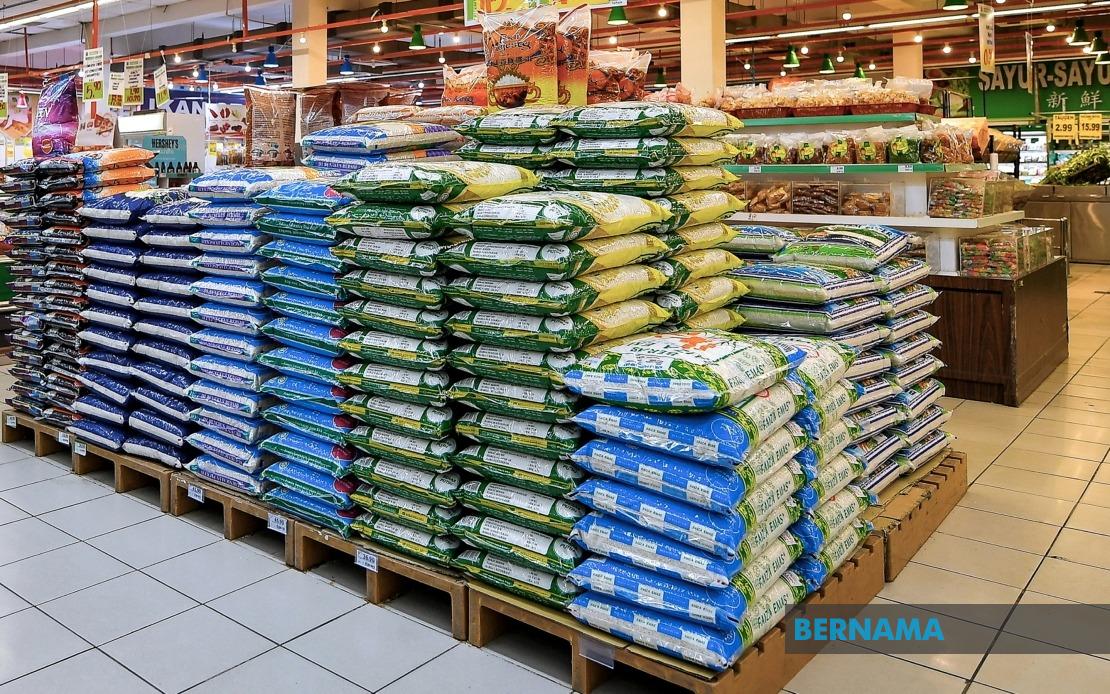
Malaysia's essential rice supply stands on solid ground, with government reserves sufficient to meet domestic consumption for the next six months, Economy Minister Akmal Nasrullah Mohd Nasir announced on July 13. The assurance comes as global food supply chains face mounting pressures, underscoring the importance of domestic stockpiling and prudent resource management in Southeast Asia's region.
The minister's statement reflects growing international anxiety over food security in an increasingly unstable global environment. While other nations grapple with inflation and supply chain disruptions affecting staple commodities, Malaysia has positioned itself defensively through strategic reserves and forward planning. This proactive stance demonstrates how governments in the region are learning from previous crises and investing in buffer stocks to insulate their populations from volatile international markets.
Crucially, the government has committed to maintaining the current price of Local White Rice (BPT) without any increases in the foreseeable future. This price guarantee represents a critical social policy tool, particularly for lower-income households for whom rice consumption constitutes a substantial portion of food expenditure. By locking in prices during a period of global uncertainty, Malaysia is attempting to shield consumers from the inflationary pressures that have forced other nations to accept significant food price hikes.
These pronouncements emerged during a comprehensive briefing on the global supply crisis, where officials outlined the government's multi-pronged approach to maintaining household food security. The strategy balances short-term price controls with longer-term supply chain resilience, recognising that both affordability and availability matter for vulnerable populations. Officials stressed that protecting citizens from "unreasonable price increases" remains a central government priority even as international commodity markets experience volatility.
The policy decisions were discussed and endorsed during a National Economic Action Council (MTEN) meeting chaired by Prime Minister Datuk Seri Anwar Ibrahim at the Parliament building. This high-level engagement underscores how food security issues have risen to the pinnacle of national economic decision-making, reflecting the political sensitivity of food prices across all demographic groups. When prime ministers personally oversee food supply discussions, it signals the gravity with which governments treat any potential disruptions.
Beyond consumer protections, the government has simultaneously directed substantial resources toward supporting the agricultural producers who form the backbone of domestic rice production. A total of RM45.98 million has been distributed to 118,908 paddy farmers in Peninsular Malaysia through the Paddy Farmers Plowing Incentive programme. This direct financial support acknowledges the acute pressures facing farmers, who confront a dual squeeze from climate change impacts and escalating production costs that steadily erode their profit margins.
Climate change poses an increasingly serious threat to regional agriculture, with erratic rainfall patterns, flooding, and drought conditions disrupting planting and harvest cycles. Malaysian paddy farmers, like their counterparts across Southeast Asia, have experienced crop failures and reduced yields due to these climatic shifts. Government incentives for plowing operations help sustain agricultural activity during difficult periods, ensuring that farmers can continue preparing fields even when market conditions seem unfavourable.
Rising production costs compound these environmental challenges. Fertiliser prices have surged globally, labour costs have increased, and mechanisation expenses continue climbing. For smallholder farmers operating on thin margins, these cost increases can mean the difference between profitability and operating at a loss. By providing direct financial support, the government attempts to maintain rural livelihoods while encouraging continued rice production.
Malaysia's approach to rice security demonstrates the interconnected nature of food policy in modern economies. Maintaining stable supplies requires balancing consumer protection through price controls, farmer support through production incentives, and strategic reserve management. The six-month buffer stock provides a temporal cushion, buying time for policy adjustments if international conditions deteriorate further or domestic production faces unexpected shocks.
For Malaysian households, particularly those with limited disposable income, rice price stability offers crucial predictability in household budgeting. Rice comprises a substantial portion of caloric intake across Malaysia's diverse population, making it genuinely essential rather than discretionary. When governments guarantee rice prices during global uncertainty, they provide psychological reassurance alongside tangible economic benefit.
Regionally, Malaysia's food security strategy carries implications for Southeast Asian integration and cooperation. As nations compete for agricultural resources and trading partners, those with secure domestic supplies gain negotiating advantages. Conversely, nations dependent on imports become vulnerable to supply disruptions or price manipulation. Malaysia's strategy of maintaining substantial reserves suggests confidence in long-term stability whilst acknowledging short-term risks.
The government's dual commitment to price stability and farmer support creates a sustainable framework for rice security. Without farmer incentives, domestic production would decline as producers abandon unprofitable operations, eventually forcing greater reliance on imports. Without price controls, consumers would bear inflation costs that could trigger social unrest. The balancing act requires ongoing calibration as circumstances evolve.

