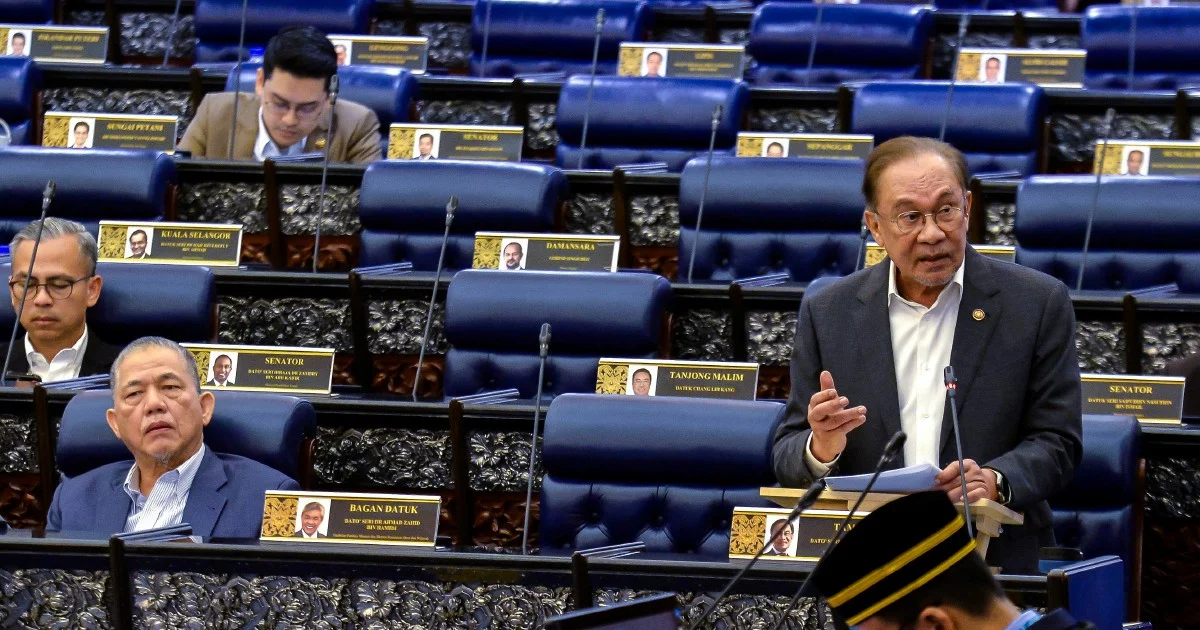
Prime Minister Datuk Seri Anwar Ibrahim has disclosed that Malaysian households are carrying debt totalling RM1.73 trillion as of the end of March 2026, a figure that represents 84.4 per cent of the nation's gross domestic product. This announcement underscores the mounting financial obligations weighing on ordinary Malaysians and reflects broader economic pressures affecting millions of families across the country.
The scale of household indebtedness presents a significant macroeconomic challenge for Malaysia at a critical juncture. When household debt approaches or exceeds 80 per cent of GDP, economists and financial policymakers typically view this as a warning signal that domestic consumption—which traditionally drives economic growth in emerging markets—may face headwinds. The ratio reveals not just the absolute volume of borrowing but also the relative burden these obligations place on the nation's productive capacity. For context, households in Southeast Asia have increasingly relied on credit to finance consumption, mortgages, and business investments, but excessive leverage can amplify economic vulnerabilities during downturns or when interest rates rise.
The composition of this debt matters greatly for understanding household financial stress. Malaysians borrow primarily for property purchases through mortgages, which remain the largest component of household liabilities. However, unsecured lending—including personal loans, credit cards, and buy-now-pay-later financing—has surged in recent years as financial institutions compete aggressively for market share and digital lending platforms proliferate. The proliferation of easily accessible credit has enabled higher consumption patterns but also increased the vulnerability of households with marginal incomes to economic shocks or unexpected expenses.
Several structural factors have contributed to this escalating debt burden. Rising property prices, particularly in urban centres like Kuala Lumpur and Selangor, have forced first-time homebuyers to take on larger mortgages. Stagnating wage growth among middle and lower-income earners has widened the gap between household incomes and the cost of living, prompting families to supplement their income through borrowing. Simultaneously, the cost of education, healthcare, and transport has risen, pushing households further into debt to maintain living standards. Additionally, the transition to digital payment systems and the normalisation of credit consumption have made borrowing feel less consequential to many consumers.
The labour market dynamics further complicate the picture. While unemployment remains relatively low by regional standards, underemployment and income volatility affect significant portions of the workforce. Gig economy workers, contract employees, and those in the informal sector often lack stable income streams but still require credit to manage irregular cash flows. For these groups, servicing debt becomes increasingly precarious, particularly when unexpected events—such as illness, job loss, or family emergencies—disrupt income. The gap between headline employment figures and actual income security masks considerable financial fragility among Malaysian households.
Interest rate movements pose an additional risk factor. The Bank Negara Malaysia's monetary policy decisions directly influence borrowing costs across the economy. As the central bank navigates inflationary pressures and currency stability concerns, any sustained increase in policy rates would raise the debt servicing burden on mortgage holders and borrowers with variable-rate loans. This transmission mechanism from monetary policy to household finances creates a potential feedback loop: higher rates could squeeze disposable incomes, reduce consumption, slow economic growth, and potentially trigger defaults among vulnerable borrowers.
Regional and global economic conditions add another layer of complexity. Malaysia's economy remains exposed to commodity price volatility, trade tensions, and capital flow reversals. An external shock could suppress export revenues, reduce government tax receipts, and trigger retrenchments or wage cuts that would strain household repayment capacities. Elevated household debt reduces the economy's resilience to such shocks because consumers cannot reduce spending further when incomes decline—they become caught between maintaining essential payments and cutting back on other expenses.
The implications for consumer spending and economic growth deserve scrutiny. While debt-financed consumption has temporarily supported GDP growth, unsustainable leverage eventually constrains future consumption as households must allocate growing shares of income to debt servicing. This dynamic can create a low-growth trap where households reduce borrowing to repair balance sheets, thereby reducing aggregate demand and slowing the economy. Malaysia's experience differs from developed economies with deeper financial markets and higher per-capita incomes; the structural conditions that allow high household debt in some countries may not apply equivalently here.
Policymakers face a delicate balancing act. Restrictive measures to curb household borrowing could reduce housing accessibility and consumer spending, weighing on short-term growth. Conversely, allowing debt accumulation to continue unchecked risks financial instability and deeper vulnerabilities. Financial regulators have implemented some safeguards, including loan-to-value ratio limits on mortgages and debt servicing ratio caps for unsecured lending, but enforcement and effectiveness remain ongoing concerns. Credit counselling services and financial literacy initiatives can help, though they address symptoms rather than root causes like stagnant wages and affordability crises.
Looking ahead, Malaysia requires integrated strategies addressing supply-side constraints and demand-side pressures simultaneously. Wage stagnation must be tackled through productivity improvements and skills development that enable higher-value employment. Housing affordability initiatives—including increased supply of affordable units and incentives for developers—could reduce the borrowing required for shelter. Consumer protection measures should ensure that lenders conduct proper credit assessments rather than aggressively pushing loans to marginal borrowers. These multifaceted approaches stand a better chance of stabilising household debt trajectories while maintaining economic dynamism.

