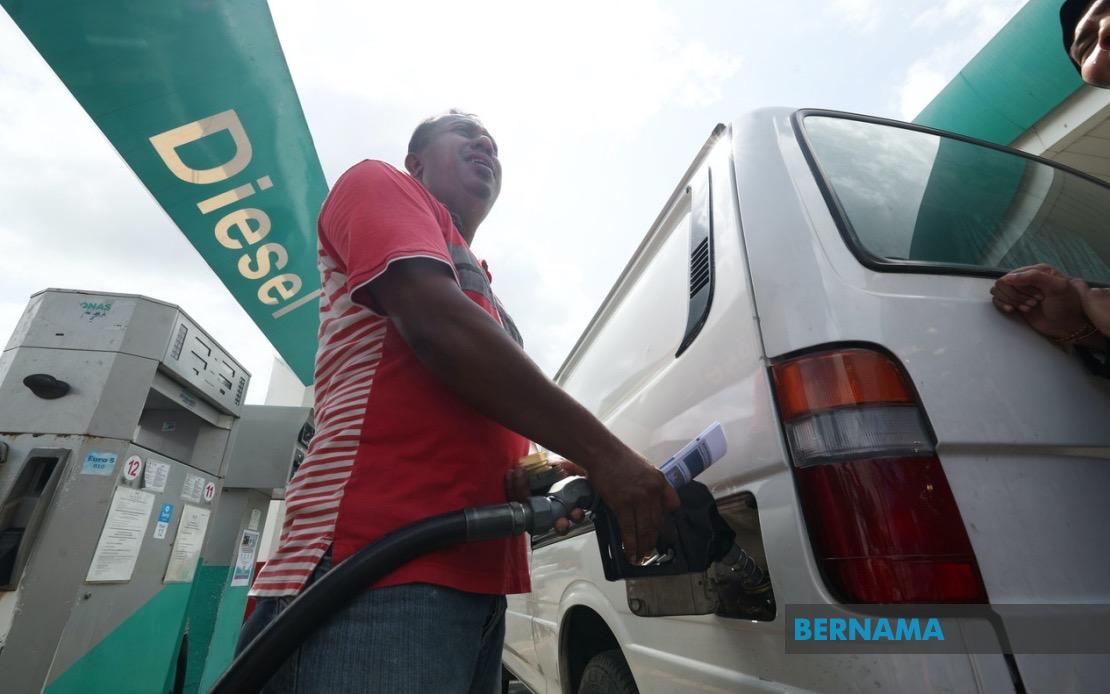
The Malaysian government will lower the price of subsidised diesel to RM2.10 per litre starting in July 2026, Prime Minister Datuk Seri Anwar Ibrahim announced during a ceremony in Bintulu on June 21. The initiative represents a continuation of the administration's fiscal reform agenda, which has increasingly moved towards a more targeted approach to fuel subsidies rather than blanket price controls across the population.
The new pricing structure will operate similarly to the existing BUDI MADANI RON95 programme, which uses MyKad verification to ensure that subsidies reach eligible Malaysian citizens. This mechanism allows the government to better control subsidy expenditure by restricting discounted fuel access to residents while preventing cross-border purchases that have historically drained the subsidy budget. The system represents a shift away from the universal subsidy model that previously applied to all fuel purchases regardless of buyer nationality.
Finance Minister II Datuk Seri Amir Hamzah Azizan was scheduled to elaborate on the implementation details of the new diesel pricing framework during a media briefing in Kuala Lumpur, according to the Prime Minister's statement. Such technical briefings typically address logistical questions about the rollout, the integration of the subsidy system with petrol stations, and the expected fiscal impact on the government's budget allocation. Understanding these mechanics is crucial for consumers, retailers, and industry observers tracking how the policy will function in practice.
The announcement came during the Cheque Handover Ceremony Following the Conversion of Bintulu Port Status from Federal Port to State Port, indicating that fuel subsidy reform remains a significant component of the MADANI administration's broader economic restructuring agenda. The timing of such announcements often reflects the government's effort to maintain momentum on multiple policy fronts simultaneously, embedding economic measures within broader infrastructure and governance initiatives.
This diesel price adjustment carries significant implications for Malaysian households and the transportation sector. Diesel remains the primary fuel for commercial vehicles, public transport, and industrial operations, making its pricing directly consequential for logistics costs, the affordability of goods and services, and ultimately consumer purchasing power. A reduction to RM2.10 per litre represents a meaningful relief for these sectors, though the actual impact will depend on global crude oil market conditions and how the price compares to unsubsidised market rates at the time of implementation.
The shift toward targeted subsidies reflects international best practices and recommendations from multilateral institutions, which have long advocated for means-tested rather than universal subsidy programmes. This approach allows governments to direct limited resources to populations most dependent on fuel subsidies while encouraging efficiency and reducing wasteful consumption. The BUDI MADANI RON95 programme's success in achieving similar objectives with petrol has provided a template that policymakers believe can be successfully adapted to diesel distribution.
For Malaysia's broader economic strategy, fuel subsidy rationalisation forms part of a larger fiscal consolidation effort aimed at reducing government expenditure and creating room for development investments. By adopting verification mechanisms and targeting approaches, the administration aims to maintain social support for vulnerable populations while improving budget sustainability. This balance between affordability and fiscal responsibility has become increasingly critical as Malaysia manages its medium-term economic recovery.
The diesel price announcement also carries regional significance, as Malaysia's fuel pricing decisions influence cross-border trade dynamics with neighbouring countries and affect competitiveness in the logistics and shipping sectors that serve the wider Southeast Asian market. Fuel costs influence the viability of Malaysian ports and transport hubs, making subsidy policy relevant to the nation's trade position within the region.
Industry observers will be monitoring how the targeted subsidy system performs with diesel, particularly regarding implementation efficiency and whether verification mechanisms prevent unintended leakages. The success of similar programmes with RON95 petrol suggests technical feasibility, yet diesel's heavier usage in commercial operations presents different challenges than consumer petrol purchases, potentially requiring refinements to the verification and distribution infrastructure.
The July 2026 implementation date provides several months for preparation, allowing both government agencies and fuel retailers to establish necessary systems and processes. This lead time is critical for ensuring smooth rollout and minimising disruption to the transportation and logistics sectors that depend on predictable fuel pricing and supply chains.
Moving forward, the success of the diesel subsidy reform will likely influence how policymakers approach other cost-of-living measures and broader subsidy restructuring. The model demonstrates the government's commitment to modernising social support systems while addressing fiscal constraints, an approach that may extend to other essential commodities and services as Malaysia continues its economic transformation under the MADANI framework.