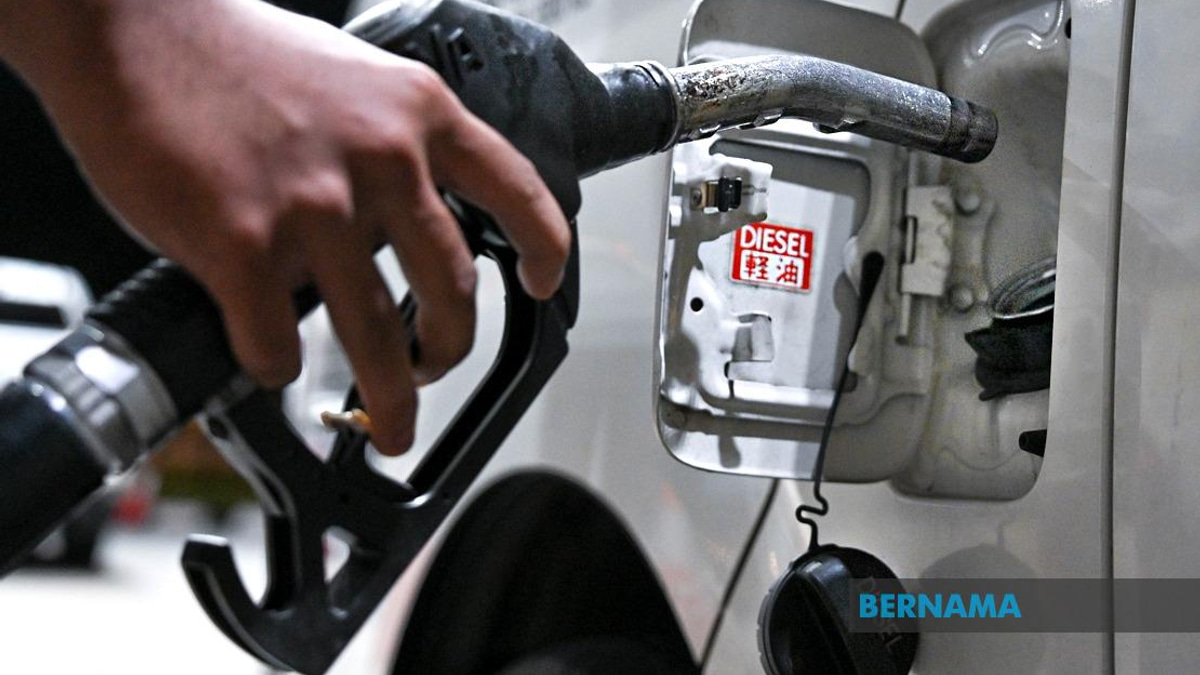
Malaysia is positioning itself more firmly within global energy markets by cultivating relationships with countries that control significant reserves and production capacity, Prime Minister Datuk Seri Anwar Ibrahim revealed today in Bintulu. The comments reflect a broader strategy to insulate the nation from energy volatility and ensure steady access to fuel sources as Southeast Asia's energy demands continue climbing.
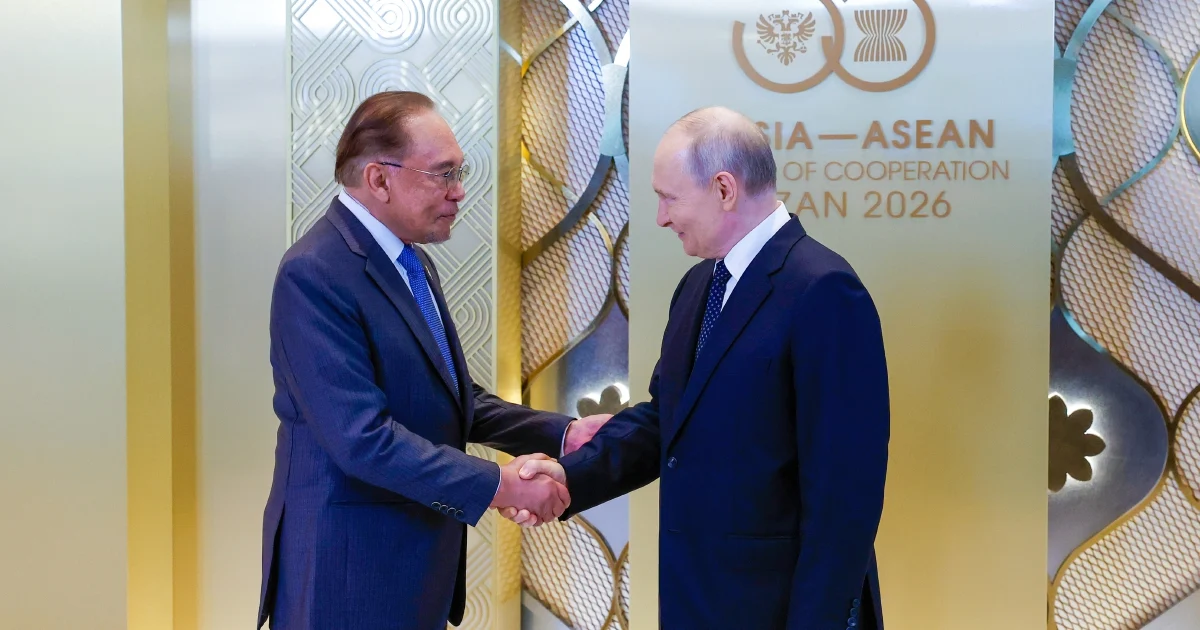
Anwar's remarks appear tied to recent high-level communications with Russian President Vladimir Putin, through which both nations have discussed mechanisms for reliable energy supply arrangements. Such dialogues carry particular weight given the present geopolitical tensions affecting energy flows worldwide and the uneven access to supplies that many countries now experience.
For Malaysia, diversifying energy partnerships addresses genuine supply vulnerabilities. As a major energy consumer with a developing economy and an expanding industrial base, the nation imports substantial quantities of oil and gas while also producing domestically from offshore and onshore fields. Balancing these sources with strategic long-term contracts helps insulate the country from price shocks and supply interruptions that could disrupt manufacturing, power generation, and transportation sectors.
The timing of these overtures to Russia reflects shifting global alignments in energy commerce. Western sanctions have redirected Russian supply relationships, creating opportunities for non-aligned nations to negotiate favourable terms. Malaysia, which maintains pragmatic diplomatic and commercial relationships across geopolitical divides, is well-positioned to leverage such opportunities without facing the political costs that some Western-aligned nations encounter.
Energy security represents a cornerstone of national economic resilience. Unlike countries with extensive domestic reserves, Malaysia must manage the dual challenge of declining onshore production and the high capital costs associated with deepwater exploration. Securing guaranteed supplies through long-term contracts with major producers effectively provides a hedge against market volatility and reduces exposure to sudden price fluctuations that burden consumers and manufacturers alike.
The government has identified energy infrastructure as a priority within its broader economic agenda. Stable, affordable electricity and fuel supplies enable industrial competitiveness, support manufacturing export industries, and reduce costs for ordinary Malaysians. Countries that lack energy certainty often experience industrial relocations and reduced foreign investment, consequences that Kuala Lumpur actively works to avoid.
Russia's position as a major energy exporter, despite recent geopolitical isolation from Western markets, leaves it seeking reliable customers in Asia. Malaysia's engagement therefore represents mutual interest: Russia seeks markets for its production, while Malaysia requires long-term supply security. Such arrangements typically involve multi-year contracts that fix volumes and pricing mechanisms, providing predictability for both parties.
Within Southeast Asia, energy partnerships carry additional strategic weight. Regional countries increasingly compete for limited supplies, and those securing long-term arrangements gain competitive advantages in manufacturing and industrial development. Thailand, Vietnam, and Indonesia similarly pursue diverse energy partnerships, making Malaysia's efforts part of a broader regional scramble for resource security.
The shift toward multi-sourced energy strategies also reflects lessons learned from recent global disruptions. The pandemic exposed vulnerabilities in just-in-time supply chains, while geopolitical tensions have demonstrated how quickly energy routes and supplies can become unreliable. Malaysian policymakers, observing these trends, have concluded that reducing reliance on any single supplier or region enhances national resilience.
Domestically, such energy security measures support the government's development agenda by ensuring manufacturers and exporters maintain reliable access to power and fuel. Malaysia's petrochemical, metal processing, and semiconductor industries consume substantial energy quantities, and supply disruptions carry immediate economic consequences. Long-term supply agreements therefore represent investments in industrial continuity.
The energy sector's importance to Malaysia extends beyond economic metrics. Petronas, the national oil company, represents a significant revenue source for government budgets, funding social programmes and development initiatives. Stable global energy markets and reliable supply relationships support Petronas's operations and profitability, indirectly benefiting public finances.
Looking forward, Malaysia appears committed to maintaining a balanced energy portfolio encompassing diverse sources and suppliers. Renewable energy expansion continues, but fossil fuels will remain central to the national energy mix for years ahead, necessitating continued engagement with traditional energy exporters. Strategic partnerships with Russia, combined with existing relationships with Gulf states and other suppliers, provide the redundancy and flexibility that modern energy security requires.