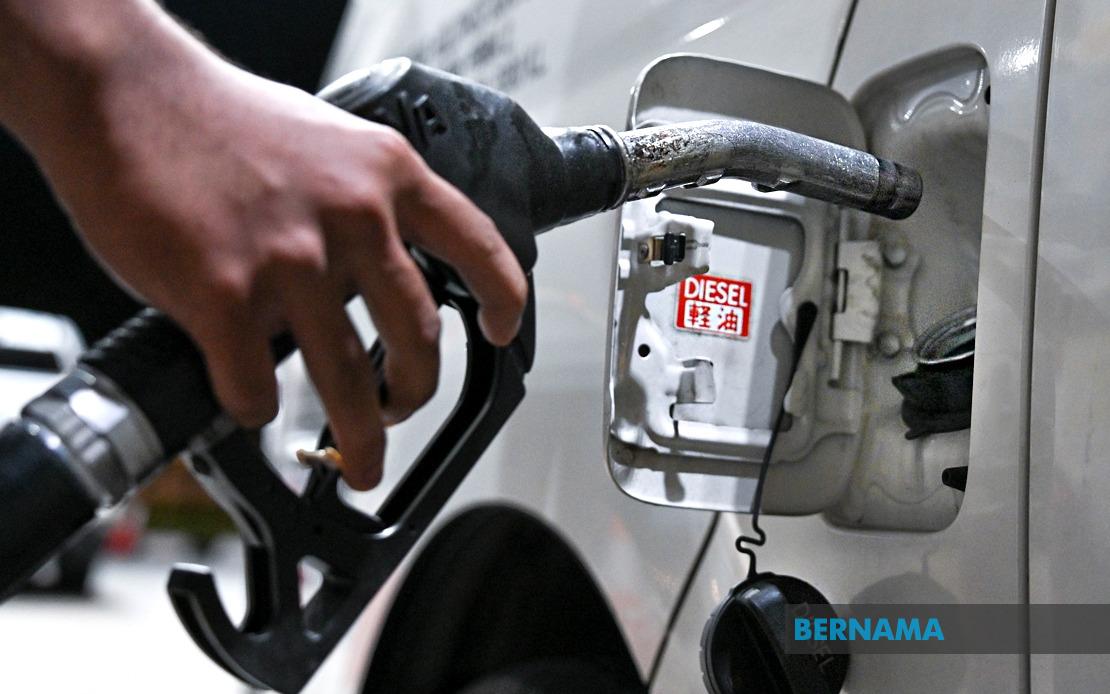
Prime Minister Datuk Seri Anwar Ibrahim has announced that Malaysia will reduce the subsidised diesel price to RM2.10 per litre beginning July 2026, marking a significant shift in the government's fuel subsidy approach. The new pricing structure will operate under a verification system using MyKad, similar to the existing BUDI MADANI RON95 (BUDI95) programme for petrol, ensuring that only eligible Malaysian citizens benefit from the subsidy. This announcement has been widely welcomed by small business operators and commercial users who rely heavily on diesel for their daily operations.
The price reduction represents a substantial concession from the current unsubsidised retail price of RM4.37 per litre in Peninsular Malaysia, though diesel costs marginally more than this in some regions. For many small-scale commercial users, fuel represents one of their largest operating expenses, and the introduction of a subsidised rate promises tangible relief to their bottom line. Second Finance Minister Datuk Seri Amir Hamzah Azizan is expected to provide comprehensive implementation details, addressing how the verification process will function at petrol stations across the country.
One of the most significant aspects of this reform is the standardisation of diesel pricing across all Malaysian territories. Currently, Sabah, Sarawak, and Labuan enjoy a subsidised rate of RM2.15 per litre, while Peninsular Malaysia operates without subsidy. The Ministry of Finance's statement confirms that the new nationwide system will provide uniform access to the same subsidised price and mechanism across these regions, eliminating the regional disparity that has existed for some time. This harmonisation reflects the government's commitment to ensuring equitable resource distribution across the federation.
Night market traders, small contractors, and agricultural operators represent the backbone of Malaysia's informal and semi-formal economy, and their responses to the announcement highlight its practical significance. Mohd Faizal Ahmad, a 43-year-old night market trader from Shah Alam, expressed confidence that the MyKad verification mechanism would direct assistance to those genuinely in need. His cautious optimism reflects a broader concern among small business owners that subsidy systems can be exploited if safeguards are inadequate. The verification requirement, though adding an administrative layer, is intended to prevent non-Malaysians and those outside the intended beneficiary group from accessing the subsidy.
Small contractors and logistics operators stand to gain considerably from this price reduction. Tan Chee Keong, a 52-year-old contractor based in Johor Bahru who operates a four-wheel drive vehicle for maintenance work and construction material delivery, characterised the measure as both positive and fairer than previous arrangements. For such operators, reducing fuel costs directly impacts their competitiveness and profitability, particularly in labour-intensive sectors where margins are often tight. The stability of a subsidised price structure also facilitates business planning and budgeting in ways that volatile market pricing does not.
Agricultural and horticultural enterprises, which depend on regular vehicle usage for product distribution, also stand to benefit significantly from the subsidy. R. Mageswaran, a 38-year-old vegetable farm operator from Sungai Siput, Perak, highlighted how lower diesel costs would help reduce his operating expenses in transporting produce to markets and food outlets on a daily basis. For agricultural businesses in rural areas, fuel costs can consume a substantial percentage of total operating expenditure, making subsidy access particularly valuable. The effectiveness of this policy in supporting rural livelihoods will depend on the simplicity and accessibility of the verification process.
The BUDI MADANI RON95 programme provides a useful template for understanding how the diesel subsidy system is likely to function. That programme restricts subsidised fuel access to verified Malaysian citizens, preventing wastage and ensuring that government resources target the intended population. The adoption of a similar MyKad-based verification system for diesel suggests that authorities have learned lessons from previous subsidy schemes and are implementing mechanisms designed to enhance efficiency and prevent abuse. However, the actual implementation will require coordination among petrol station operators, financial institutions, and regulatory authorities to ensure smooth operation.
The timing of this reform deserves consideration within the broader context of Malaysia's economic management. Fuel subsidies represent a significant fiscal commitment, and their administration requires careful balance between providing relief to citizens and maintaining sustainable public finances. By restricting access through MyKad verification, the government effectively targets subsidy benefits while presumably reducing overall expenditure compared to universal subsidy programmes. This approach reflects contemporary thinking about social protection mechanisms that emphasise means-testing and verification rather than blanket subsidies.
From a Southeast Asian perspective, Malaysia's approach to fuel subsidies merits attention as a case study in balancing economic support with fiscal responsibility. Several regional economies have struggled with the fiscal burden of universal fuel subsidies, prompting policy reforms. Malaysia's movement toward verified, income-targeted diesel subsidies reflects a mature approach to social protection that other regional governments are also exploring. The success or challenges encountered during implementation could influence policy discussions across the region regarding the optimal design of fuel subsidy programmes.
The practical implications for Malaysian consumers and small businesses will become clearer as implementation details emerge over the coming months. The MyKad verification process must be straightforward and accessible, particularly for traders and operators in rural or remote areas who may have limited digital literacy. Petrol stations will require updated systems to manage the verification requirement efficiently, and this transition period could present challenges if infrastructure is inadequate. The government's willingness to address these operational questions, as indicated by the forthcoming detailed briefing from the Second Finance Minister, suggests awareness of the implementation complexities involved.
Longer-term sustainability of this subsidy programme depends on careful monitoring and adjustment as economic conditions evolve. Fuel price volatility on global markets means that the gap between the subsidised rate and actual costs will fluctuate, requiring periodic policy review. The effectiveness of MyKad verification in preventing abuse will determine whether the subsidy reaches those genuinely dependent on diesel for their livelihoods. Transparent communication about programme parameters and periodic public reporting on subsidy uptake and costs will be essential for maintaining public confidence in the system's fairness and efficiency.
The announcement represents a meaningful intervention for Malaysia's small business community and agricultural sector, sectors that often struggle to absorb rising operational costs. However, the true measure of success will lie not merely in the announcement but in how smoothly and equitably the verification system operates once implementation begins in July 2026. For traders, contractors, and farmers already operating on thin margins, the relief provided by this subsidy could make a material difference to their business viability. The government's challenge now involves translating this policy commitment into a functional system that genuinely serves those intended while maintaining fiscal responsibility.