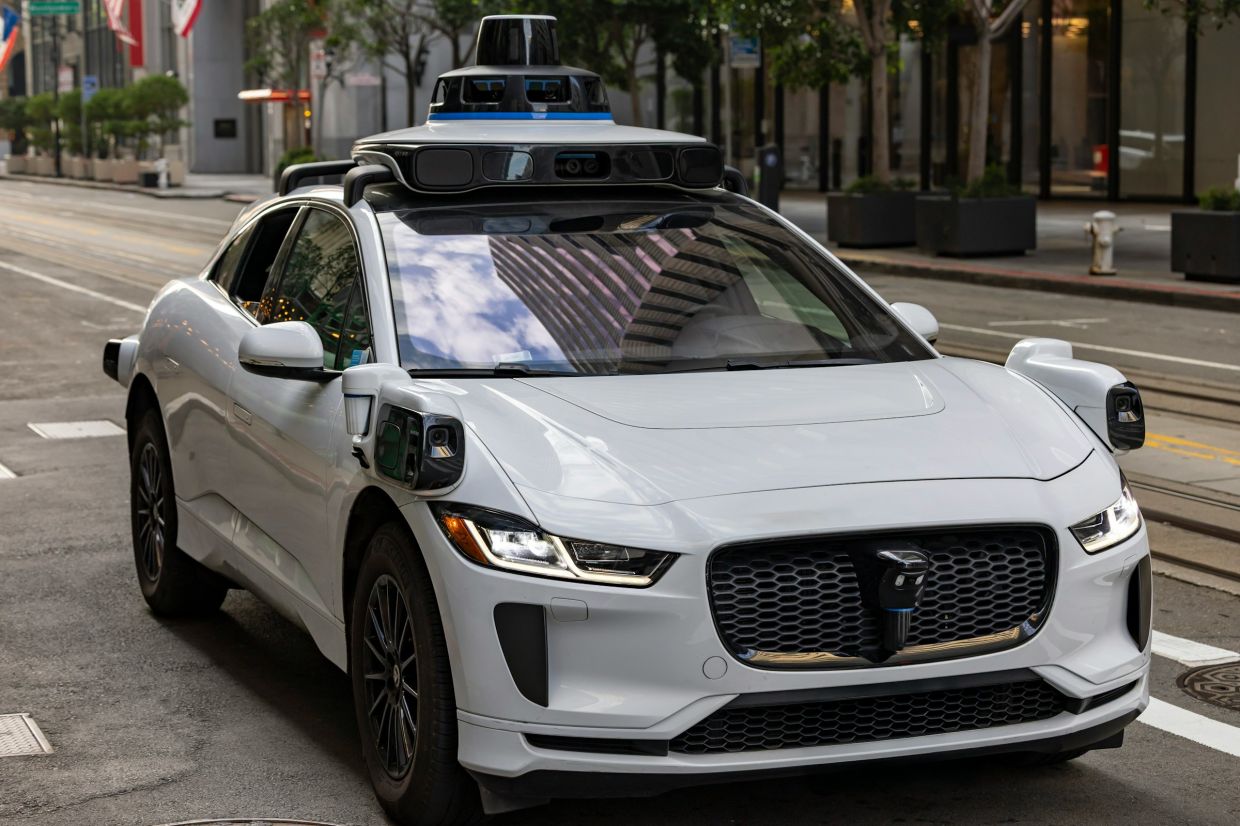
A three-minute delay caused by an autonomous vehicle during a fatal gas explosion in late May highlighted a troubling reality: robotaxis may not be equipped to recognise and respond to emergency situations. Across the United States, similar incidents reveal a growing tension between the promise of autonomous mobility and its readiness for the chaotic, unpredictable nature of real-world operations. These episodes are reshaping the regulatory landscape and forcing both lawmakers and industry operators to confront fundamental questions about whether self-driving vehicles can safely coexist with emergency services, pedestrians, and traditional traffic flows.
The incidents accumulating across American cities paint a picture of autonomous systems struggling with scenarios that human drivers navigate intuitively. In Austin during March, an ambulance responding to an armed robbery found its path blocked by a Waymo vehicle attempting a U-turn, eventually requiring a police officer to manually move the car. News broadcaster CNN has documented hundreds of occasions in which robotaxis made reckless manoeuvres, ran red lights, entered oncoming traffic, and ignored active crime scenes. These are precisely the dangers that autonomous technology was supposed to eliminate through superior programming and reaction protocols. Yet here they persist, suggesting that perception capabilities alone cannot substitute for the contextual awareness and flexibility that human drivers possess.
Texas has responded by enacting stricter regulations governing autonomous vehicle operations within the state, imposing mandatory licensing, emergency protocols, and enhanced government oversight. The legislation reflects mounting pressure from local authorities who have witnessed firsthand the challenges posed by robotaxis operating without clear accountability structures or emergency integration plans. This regulatory tightening represents a critical moment in the autonomous vehicle sector, signalling that permissive early-stage testing phases must give way to frameworks that prioritise public safety and emergency service coordination. Similar scrutiny is mounting in other jurisdictions worldwide, though uptake in China has proceeded with far fewer formal restrictions.
The technical challenges underlying these failures are multifaceted and revealing. Autonomous systems must make complex decisions about sensor inputs, object recognition, navigation logic, and critically, communication protocols with emergency responders. A robotaxi may be capable of unlocking its doors remotely, but if it only responds after verifying official identifiers, passengers could remain trapped during time-sensitive situations. More fundamentally, incidents where robotaxis become immobilised during manoeuvres—as happened in Atlanta when dozens of vehicles entered the same cul-de-sac due to software errors—demonstrate that even vehicles with strong overall safety records cannot adequately handle edge cases, narrow passages, and temporary obstacles. These boundary conditions reveal gaps between controlled testing environments and genuine urban complexity.
Waymo, the leading operator in autonomous taxi services, maintains that its vehicles are substantially safer than human-driven cars, citing statistics showing they are thirteen times less likely to be involved in serious injury crashes. The company has invested heavily in expanding its presence, launching a new vehicle type called Ojai in collaboration with Zeekr powered by sixth-generation software. Yet this expansion proceeds amid growing scepticism about whether product iterations address the specific emergency response failures documented in various cities. Recent recalls—including thousands of vehicles halted after robotaxis drove into flooded streets in San Antonio, with one vehicle swept away by rushing water—underscore that statistical safety claims do not necessarily reflect operational readiness for unexpected conditions.
China's robotaxi market, where thousands of autonomous vehicles already operate, reveals how rapid deployment can outpace both transparency and public confidence. Baidu's Wuhan fleet experienced a mysterious system failure affecting over one hundred vehicles, with the operator declining meaningful media engagement regarding the incident. This lack of transparency reflects broader concerns among Chinese citizens who, despite government enthusiasm for autonomous technology, harbour legitimate safety anxieties. Taxi drivers facing job displacement further complicate the social landscape, creating constituencies skeptical of assurances that autonomous systems improve public welfare. The Chinese experience suggests that high vehicle numbers do not necessarily generate public trust or resolve fundamental safety design questions.
Even proponents of autonomous vehicle technology acknowledge that fundamental changes must occur. Regulatory frameworks must evolve from permissive sandboxes toward comprehensive governance that addresses emergency integration, transparent incident reporting, and clear accountability hierarchies. Companies are beginning to recognise that compliance requirements will increasingly shape AI development priorities and infrastructure decisions. This represents a necessary recalibration: early autonomous vehicle deployment prioritised technological demonstration over systematic safety validation, but emerging regulations demand that both proceed in tandem. The Texas law exemplifies this shift, establishing that industry advancement depends on building public confidence through demonstrated reliability across unpredictable scenarios.
The deeper issue concerns whether autonomous systems can interpret the fluid, context-dependent signals that characterise emergency situations. Traditional driver assistance systems are designed for defined interactions with human operators, but robotaxi services require comprehensive emergency protocols that account for first responders, closed streets, hazardous conditions, and dynamic traffic patterns. Early-generation failures often stemmed not from perception deficiencies alone but from fundamental disconnects between autonomous decision-making logic and the interpretation of external, human-generated signals. A vehicle may perceive a police officer waving it away, yet lack programming to understand that this constitutes a directive superseding its navigation algorithm. Bridging this gap requires not just improved sensors but fundamentally different design philosophies that prioritise contextual judgment.
The geographic divergence in regulatory approaches creates uncertainty for operators planning multinational expansion. Texas's stricter framework contrasts with permissive environments in other jurisdictions, and European authorities remain notably cautious. This patchwork regulation threatens fragmentation of the autonomous vehicle market, potentially incentivising companies to concentrate operations in jurisdictions with minimal oversight rather than investing in genuine safety improvements. For Malaysian and Southeast Asian policymakers observing these developments, the lesson is clear: early-stage permissiveness carries real costs. Establishing rigorous regulatory frameworks now, informed by international experience, offers opportunities to guide autonomous vehicle integration more safely than jurisdictions that permitted rapid deployment and subsequently faced backlash.
The fundamental question confronting the autonomous vehicle industry is whether technological capability can genuinely match operational complexity, or whether the gap will always demand human oversight and intervention. Robotaxi operators point to crash statistics suggesting superiority over human drivers, yet these measures capture only collision frequency, not the broader spectrum of public safety concerns encompassing emergency response, vulnerable road users, and systemic robustness. As autonomous vehicles become more prevalent in global cities, their ability to function as transparent, accountable, and truly safe participants in urban mobility will determine whether this technology fulfils its transformative promise or becomes a cautionary example of technological enthusiasm outpacing prudent deployment.