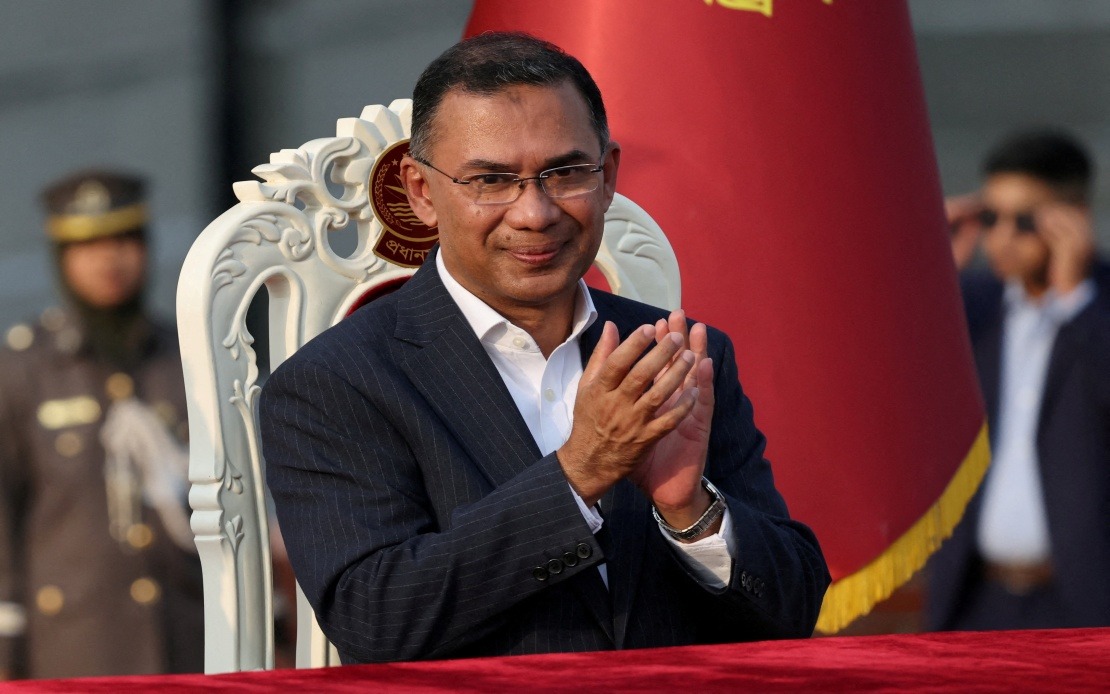
Bangladesh's newly appointed Prime Minister Tarique Rahman is set to touch down in Malaysia on June 22, embarking on what will be his inaugural official bilateral visit to another country since he took office in February 2026. The visit, extended at the personal invitation of Prime Minister Datuk Seri Anwar Ibrahim, signals Malaysia's continued commitment to deepening ties with a strategically important South Asian neighbour while offering Bangladesh a chance to reset and expand its regional partnerships.
The choice of Malaysia as the destination for Rahman's first overseas visit carries symbolic weight. It underscores the importance both nations place on their bilateral relationship and reflects the diplomatic prioritisation of Southeast Asia within Bangladesh's foreign policy calculations. For Malaysia, hosting the fresh Bangladeshi leadership represents an opportunity to shape the trajectory of future cooperation and entrench the kingdom's economic and political influence within the broader South Asian landscape.
Official protocol will be observed in full during the visit. Rahman will receive a formal welcoming ceremony upon arrival, followed by substantive bilateral discussions with Anwar at the Perdana Putra Complex. These talks will focus on reviewing the current state of Malaysia-Bangladesh relations and identifying fresh avenues for collaborative growth across sectors that matter to both economies. The breadth of proposed cooperation demonstrates how diversified modern bilateral relations have become, stretching far beyond traditional trade corridors.
The economic dimensions of the relationship are particularly compelling. In 2025, bilateral trade reached RM12.18 billion, equivalent to approximately US$2.84 billion, positioning Bangladesh as Malaysia's 28th largest trading partner globally. More significantly, Bangladesh ranks second only to India in South Asia for Malaysian trade flows, reflecting the subcontinent's growing importance to Malaysian commerce. Malaysia's export performance has been especially robust, with outbound sales to Bangladesh valued at RM10.08 billion, predominantly driven by petroleum products that form the backbone of this directional trade advantage.
Imports from Bangladesh tell a different story, reflecting the neighbour's manufacturing strengths. Bangladesh shipped RM2.10 billion worth of goods to Malaysia in 2025, with textiles, apparel, and footwear dominating these flows. These sectors represent Bangladesh's competitive advantages built upon labour-intensive production capabilities and established supply chain networks. For Malaysian retailers and distributors, Bangladesh remains a crucial sourcing destination, particularly as companies diversify procurement away from higher-cost producers.
Beyond commerce, the two leaders will examine cooperation in knowledge-intensive and strategic sectors. Semiconductor development, energy projects, human resource management, agricultural advancement, and educational partnerships represent areas where Malaysian expertise and capital can be mobilised to support Bangladesh's development ambitions. These sectors reflect the evolution of bilateral relations from simple trade exchanges toward deeper institutional integration and technology transfer.
Formal instruments will be signed during the visit, cementing the expanded partnership framework. A memorandum of understanding on cultural cooperation will help nurture people-to-people connections and preserve the historical ties between the Muslim-majority nations. Equally significant are the two exchanges of notes addressing counter-terrorism research and investment promotion. The counter-terrorism focus reflects both countries' shared security concerns within an increasingly complex South Asian environment, while the investment promotion agreement aims to reduce friction and build confidence among business communities.
Rahman's delegation composition reveals the seriousness attributed to this mission. His spouse Dr Zubaida Rahman will accompany him, alongside Foreign Minister Dr Khalilur Rahman and a cadre of senior officials. This high-level participation signals that Bangladesh views this visit as foundational rather than ceremonial, with multiple government agencies seeking to establish working relationships and explore sectoral opportunities that will extend far beyond the diplomatic niceties.
The timing of this visit carries geopolitical significance for Southeast Asia. Bangladesh's transition in leadership and its pivot toward the region comes amid broader shifts in South Asian power dynamics. For Malaysia, engaging proactively with Bangladesh's new administration allows it to establish early influence and prevent other regional powers from monopolising Bangladesh's attention. The investment in hospitality—including an official luncheon hosted by Anwar—reflects the courtship necessary when new leaders take office and alliances remain fluid.
Looking forward, this visit could catalyse deeper integration across multiple domains. Malaysian investors eyeing South Asian manufacturing hubs may find Bangladesh increasingly attractive as bilateral frameworks become more robust. Bangladeshi professionals seeking opportunities in Southeast Asian markets could benefit from strengthened educational and labour mobility agreements. The semiconductor and energy sectors represent particularly promising frontiers where Malaysian technological prowess and capital can intersect with Bangladesh's development needs and growing consumer base.
For Malaysian policymakers, Bangladesh represents both opportunity and strategic necessity. With a population exceeding 170 million, Bangladesh is the world's eighth most populous nation and a market of considerable potential. Its textile industry, pharmaceutical sector, and light manufacturing base complement rather than directly compete with Malaysian strengths in petrochemicals, electronics, and services. Constructive bilateral relations also position Malaysia as a bridge between South Asia and Southeast Asia, enhancing the kingdom's diplomatic relevance in connecting these two major regional blocs.
The visit also arrives at a moment when both nations confront shared challenges. Climate change threatens low-lying Bangladesh severely while affecting Malaysian agricultural productivity. Energy security concerns both countries as global markets tighten. Labour migration, a longstanding feature of Bangladesh-Malaysia relations, continues to shape social and economic dynamics in both societies. Bilateral cooperation on these fronts can generate mutual benefits while building resilience against transnational pressures that respect no borders.
As Rahman completes this inaugural visit, the groundwork laid here will likely define the tenor of Malaysia-Bangladesh relations for years ahead. The substantive agenda, high-level participation, and formal agreements all point toward a relationship transcending ceremonial courtesy. For observers monitoring South Asian geopolitics and Southeast Asian regional integration, this visit represents a meaningful development in an increasingly interconnected but strategically complex corner of Asia.
%22%2F%3E%3C%2Fpattern%3E%3C%2Fdefs%3E%3Crect%20width%3D%22100%25%22%20height%3D%22100%25%22%20fill%3D%22url(%23ph29y08g)%22%2F%3E%3Crect%20width%3D%22100%25%22%20height%3D%22100%25%22%20fill%3D%22url(%23ph29y08p)%22%2F%3E%3Ctext%20x%3D%2250%25%22%20y%3D%2250%25%22%20text-anchor%3D%22middle%22%20dominant-baseline%3D%22central%22%20fill%3D%22rgba(255%2C255%2C255%2C0.95)%22%20font-family%3D%22Georgia%2C%20'Times%20New%20Roman'%2C%20serif%22%20font-weight%3D%22700%22%20font-size%3D%22151%22%20letter-spacing%3D%22-0.02em%22%3EMalaysian%3C%2Ftext%3E%3C%2Fsvg%3E)
%22%2F%3E%3C%2Fpattern%3E%3C%2Fdefs%3E%3Crect%20width%3D%22100%25%22%20height%3D%22100%25%22%20fill%3D%22url(%23ph4nq77g)%22%2F%3E%3Crect%20width%3D%22100%25%22%20height%3D%22100%25%22%20fill%3D%22url(%23ph4nq77p)%22%2F%3E%3Ctext%20x%3D%2250%25%22%20y%3D%2250%25%22%20text-anchor%3D%22middle%22%20dominant-baseline%3D%22central%22%20fill%3D%22rgba(255%2C255%2C255%2C0.95)%22%20font-family%3D%22Georgia%2C%20'Times%20New%20Roman'%2C%20serif%22%20font-weight%3D%22700%22%20font-size%3D%22320%22%20letter-spacing%3D%22-0.02em%22%3EKPKT%3C%2Ftext%3E%3C%2Fsvg%3E)