%22%2F%3E%3C%2Fpattern%3E%3C%2Fdefs%3E%3Crect%20width%3D%22100%25%22%20height%3D%22100%25%22%20fill%3D%22url(%23ph29y08g)%22%2F%3E%3Crect%20width%3D%22100%25%22%20height%3D%22100%25%22%20fill%3D%22url(%23ph29y08p)%22%2F%3E%3Ctext%20x%3D%2250%25%22%20y%3D%2250%25%22%20text-anchor%3D%22middle%22%20dominant-baseline%3D%22central%22%20fill%3D%22rgba(255%2C255%2C255%2C0.95)%22%20font-family%3D%22Georgia%2C%20'Times%20New%20Roman'%2C%20serif%22%20font-weight%3D%22700%22%20font-size%3D%22151%22%20letter-spacing%3D%22-0.02em%22%3EMalaysian%3C%2Ftext%3E%3C%2Fsvg%3E)
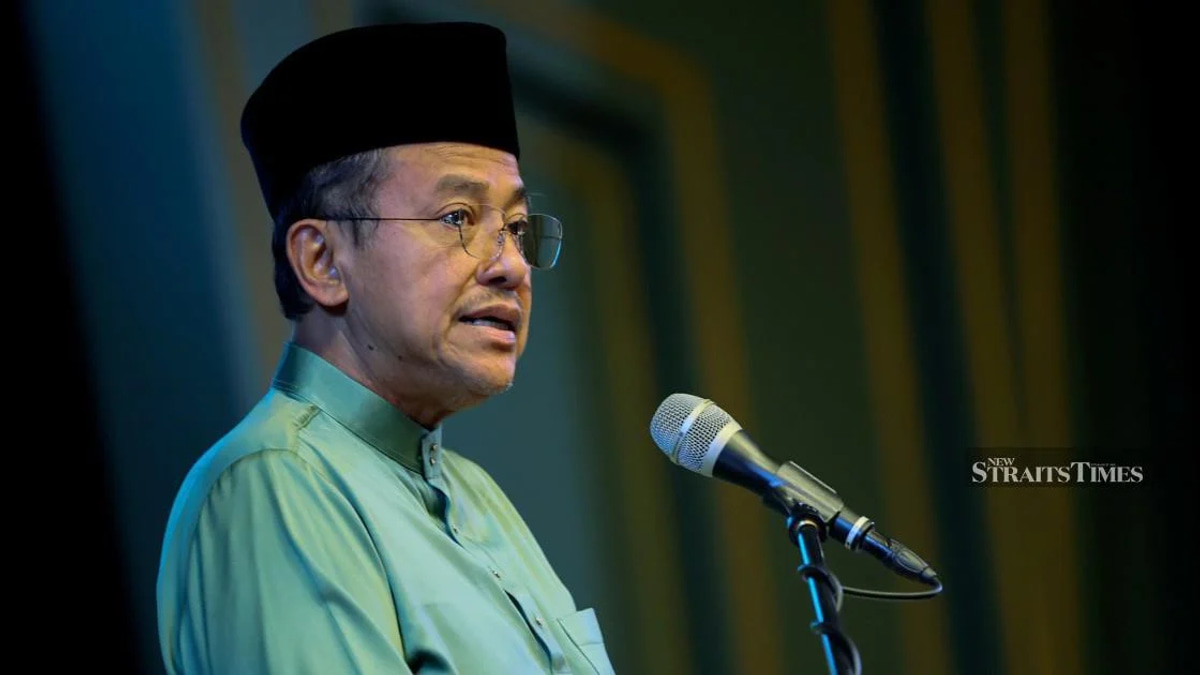
Malaysia's Deputy Prime Ministers and Cabinet ministers have united in honouring fathers across the nation on Father's Day, acknowledging the profound yet frequently underappreciated sacrifices that shape families and society. Datuk Seri Dr Ahmad Zahid Hamidi, who also serves as Rural and Regional Development Minister, and Datuk Seri Fadillah Yusof, Minister of Energy Transition and Water Transformation, led the tributes alongside other government officials, reinforcing the government's recognition of paternal contributions during this annual observance.
In his Father's Day message, Ahmad Zahid reflected on the often-invisible nature of fatherhood, drawing parallels to the film Papazola to illustrate how paternal love typically manifests not through words but through consistent action. He highlighted the multitude of quiet sacrifices fathers undertake—the prayers offered, hardships endured, and countless steps taken—all in service of ensuring their families thrive and their children's futures remain secure. This framing challenges the notion that emotional expression and demonstration of care must be verbal, instead positioning the daily grind of provision and protection as the primary language through which many fathers communicate their devotion.
Ahmad Zahid's intervention carries particular resonance in the Malaysian context, where traditional family structures and cultural expectations around masculine roles have historically discouraged overt emotional expression from men. By publicly validating this quieter form of love, he signals governmental acknowledgment that fatherhood encompasses dimensions beyond financial provision. His call for children to actively cherish their fathers while opportunities remain—through quality time, genuine inquiry into their wellbeing, and articulation of long-suppressed affection—addresses a common regret in many families where meaningful connection occurs too late or not at all.
Fadillah Yusof's contribution expanded this perspective by cataloguing the multifaceted nature of fatherhood across Malaysia's diverse linguistic and cultural landscape. His acknowledgment of the various terms by which fathers are known—bapa, ayah, abah, papa, walid, abi, appa, and apak—reflects the rich tapestry of Malaysian family life spanning Malay, English, Arabic, Tamil, and indigenous nomenclature. This deliberate inclusivity underscores a government message that fatherhood transcends ethnic, religious, and cultural boundaries, serving as a unifying experience across the nation's communities.
Crucially, Fadillah redefined contemporary fatherhood beyond the historical emphasis on breadwinning. His characterisation of fathers as educators, protectors, and role models acknowledges shifting societal expectations and recognises that modern fatherhood involves active participation in children's moral and intellectual development. The assertion that fathers guide their children through life's challenges positions paternity as requiring emotional intelligence and wisdom alongside financial responsibility—a departure from more traditional depictions that confined fatherly duty primarily to earning capacity.
The minister further grounded his message in family stability and social cohesion, linking paternal involvement directly to the foundation of harmonious families and, by extension, a stable society. This framing elevates fatherhood from a private family matter to a public good, suggesting that government recognition of paternal roles reflects broader investment in social stability. In Malaysia's context, where rapid urbanisation, evolving family structures, and competing economic pressures strain traditional family bonds, such governmental validation of fatherhood's importance carries policy implications for how the state approaches family support services.
Communications Minister Datuk Fahmi Fadzil's contribution, though brief, reinforced the unified ministerial message by explicitly thanking fathers for their love, sacrifices, guidance, and dedication. His invocation of divine blessing—praying that fathers continue to experience good health, strength, and happiness—adds a spiritual dimension to the secular recognition of paternal roles, reflecting Malaysia's position as a Muslim-majority nation where religious sentiments underpin public discourse even in nominally secular announcements.
Health Minister Datuk Seri Dr Dzulkefly Ahmad introduced a critical public health angle often absent from Father's Day tributes. His emphasis on fathers maintaining their own health so they might witness their children's achievements and milestones represents a practical intervention linking paternal wellbeing to family outcomes. This message addresses Malaysian men's historically poor engagement with healthcare systems and preventive health practices, reframing health maintenance not as individual self-care but as filial duty—a motivation that resonates in Malaysian culture where family obligation traditionally supersedes personal interest.
The coordinated nature of these ministerial messages suggests deliberate government strategy in using Father's Day as a platform to reinforce particular social values around family stability, emotional expression, and male engagement in caregiving. In Malaysian public discourse, where government communications often carry weight beyond their immediate content, these tributes function as official sanction for reconceptualising fatherhood in less traditionally restrictive ways. For Malaysian men navigating expectations to be simultaneously strong providers and emotionally available parents, such high-level validation provides legitimate space for discussing previously marginalised aspects of paternity.
These statements arrive during a period of societal transition in Malaysia, where economic pressures, rising female workforce participation, and generational shifts challenge conventional family arrangements. The ministerial emphasis on fathers' roles as guides, educators, and moral exemplars—rather than sole earners—reflects government recognition that sustainable family structures require evolution. For younger Malaysian fathers particularly, facing expectations to balance traditional masculinity with modern parenting demands, official acknowledgment of these tensions and celebration of more engaged fatherhood models provides important cultural permission.
The broader implications for Malaysian society rest on whether such high-profile governmental recognition translates into institutional support for fatherhood. While ministerial Facebook posts commemorate paternal contributions, material support through policy—such as extended paternity leave, flexible working arrangements, or family counselling services—remains inconsistent across Malaysia's public and private sectors. The government's rhetorical elevation of fatherhood's importance stands in contrast to structural arrangements that often marginalise male caregiving roles.
Looking forward, these Father's Day tributes signal an important shift in official Malaysian discourse around masculinity and family life. By positioning fathers as emotional participants in children's development and societal foundation-builders rather than mere economic providers, government leaders implicitly acknowledge that sustainable social stability requires men's fuller engagement in family and community life. Whether this rhetorical commitment translates into meaningful policy support remains a question for Malaysian families navigating the country's complex transition toward more egalitarian, emotionally integrated family structures.