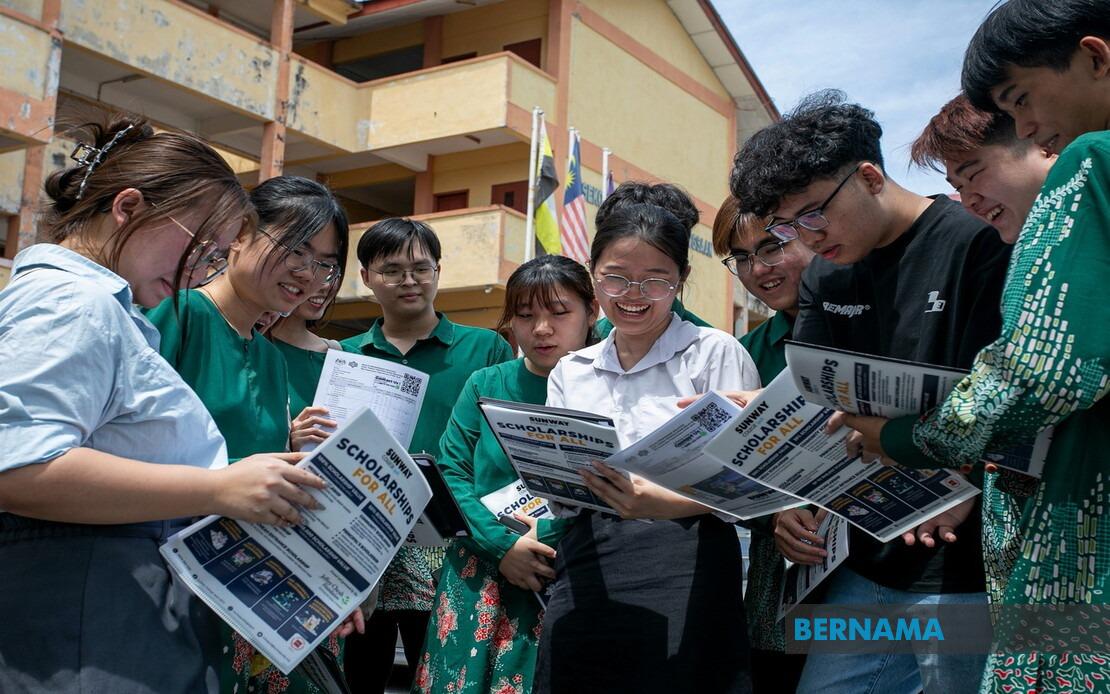
Malaysia's pre-university examination system continues to produce standout scholars from across the country's demographic spectrum, validating the Sijil Tinggi Persekolahan Malaysia (STPM) as a robust and equitable route into tertiary education. Recent award recipients from the Malaysian Examinations Council (MPM) spotlight how the two-year Form Six programme remains not merely viable but genuinely compelling for students seeking academic rigour, affordability, and genuine opportunity—qualities that resonate particularly in an educational landscape where pathways and possibilities matter immensely to families navigating higher learning options.
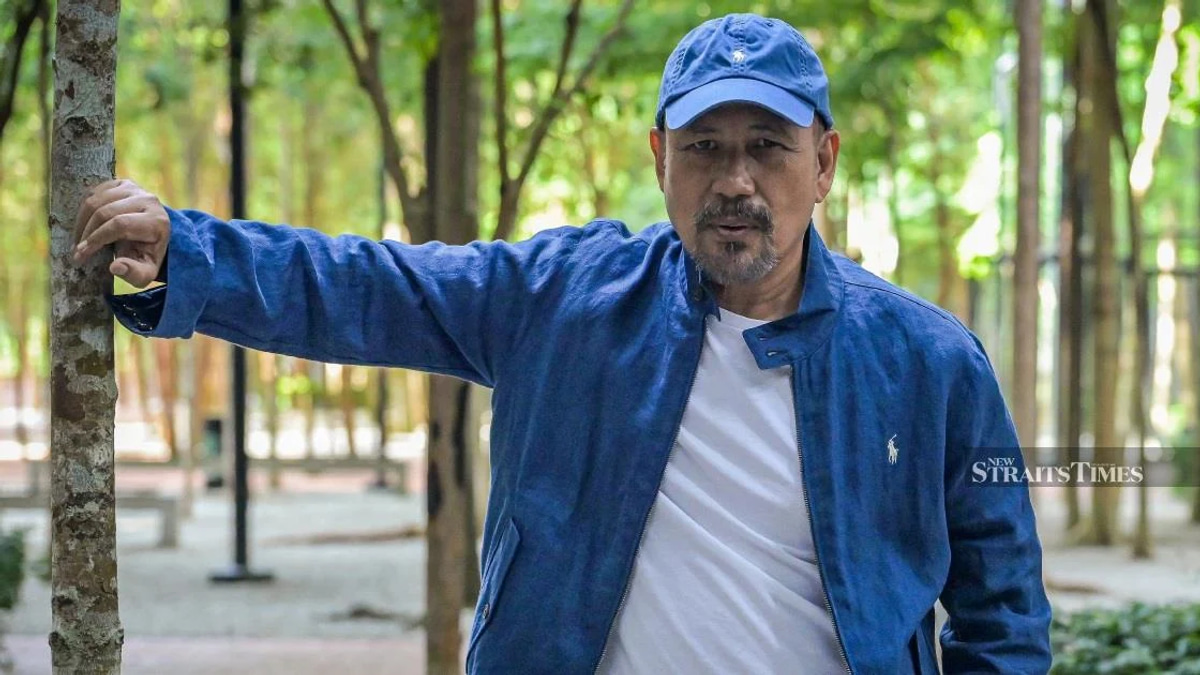
Hazaril Hakimi Hassan's achievement carries profound significance beyond the impressive 4.00 Cumulative Grade Point Average he earned in this year's examination cycle. Hailing from Kampung Paya Mendoi in Kuala Krau, Pahang, and belonging to the Orang Asli community, his success embodies the reality that excellence transcends geography and background when structural support and institutional quality converge. His trajectory through SMK Temerloh illustrates a critical narrative often obscured in discussions about Malaysian education: that Form Six, despite historical perceptions favouring alternative qualifications, genuinely equips motivated learners with both intellectual foundation and credential weight. Hazaril's plan to read Malay Language Education at Universiti Putra Malaysia and subsequently pursue lecturing demonstrates how STPM success translates directly into professional aspiration and career pathways aligned with national development priorities.
The financial dimension of STPM merit particular emphasis for Malaysian families contemplating their children's educational investment. Ng Yu Yong's candid reflection on Form Six as the economically sensible choice addresses a reality that shapes educational decisions across middle and lower-income households nationwide. His observation that pursuing STPM while targeting academic excellence creates a powerful dual advantage—combining affordability with competitive rigour—reframes the qualification not as a second-tier option but as strategically intelligent. Having achieved five A grades including in Physics and Biology whilst at SMK Tsung Wah in Kuala Kangsar, Perak, Ng's subsequent admission target of MBBS at Universiti Malaya underscores that competitive universities regard STPM qualifications as entirely credible preparation for demanding professional programmes. His encouragement to younger cohorts speaks to an authentic voice from within the system rather than institutional promotion alone.
The international recognition of STPM carries weight beyond domestic university admissions. Ng's articulation of Form Six as a platform for accessing tertiary education at leading institutions abroad—a claim substantiated by STPM's acceptance at universities across Commonwealth countries and beyond—addresses mobility concerns pertinent to Malaysian students seeking global education experiences. This internationalisation factor, often underemphasised in local discourse, positions STPM holders competitively against students bearing alternative qualifications when applying to prestigious overseas universities. For a nation invested in producing globally mobile talent, this credential portability represents genuine strategic value.
The case of Yeoh Chwen Yih introduces accessibility and inclusion dimensions that modern education systems must systematically address. As a visually impaired student achieving the same 4.00 CGPA as peers while attending St John's Institution, Yeoh's experience demonstrates that Form Six institutions have implemented assistive technology infrastructure—specifically screen-reading software—enabling disabled learners to access materials more rapidly and effectively than traditional braille-dependent methods. This technological integration represents institutional commitment beyond mere compliance rhetoric. Yeoh's observation that visually impaired students face limited pathway options, with STPM emerging as the more inclusive alternative, raises important questions about how other educational routes accommodate students with disabilities and whether systemic disparities persist elsewhere in Malaysia's educational architecture.
The learning effectiveness gains Yeoh identified through screen-reading technology merit deeper consideration. Accessibility in education extends beyond tokenistic inclusion; genuine inclusive pedagogy requires institutions to deploy tools that demonstrably enhance learner outcomes. When assistive technology accelerates material access and comprehension, disabled students do not merely participate—they compete authentically and succeed genuinely. Yeoh's aspiration to pursue law studies, informed by confidence gained through STPM's inclusive learning environment, illustrates how institutional quality in accessibility translates into expanded vocational horizons and professional ambition for previously excluded cohorts.
These three student narratives collectively challenge persistent misconceptions about Form Six that continue circulating despite contradictory evidence. The perception that STPM represents a less rigorous or less respected pathway compared to international qualifications like A-Levels or International Baccalaureate lacks support when examined against actual university admission patterns and labour market outcomes. Malaysian universities explicitly accept STPM qualifications alongside international equivalents, whilst local employers recognise the credential as signalling solid academic foundation. The cost differential—STPM being substantially cheaper than overseas-accredited alternatives—compounds the qualification's practical appeal without sacrificing academic integrity or advancement potential.
The MPM's formal recognition of these students through excellence awards serves broader institutional purposes beyond individual celebration. By highlighting achievers from diverse socioeconomic, ethnic, and ability backgrounds, the Council demonstrates that STPM success reflects individual capability and institutional quality rather than privileged demographic advantage. This public visibility helps reshape narrative framings that sometimes position Form Six as reactive or remedial, when evidence increasingly suggests it functions as a proactive choice for academically ambitious learners.
For parents and secondary school graduates contemplating educational pathways, these case studies illuminate practical realities often obscured by generalisations. Form Six offers legitimate competitiveness without prohibitive cost. It provides internationally recognised credentials whilst remaining anchored in Malaysian educational contexts. It implements assistive technologies enabling disabled student participation. Simultaneously, selection requires genuine academic commitment—achieving 4.00 CGPA demands sustained discipline, rigorous subject engagement, and strategic learning approach rather than passive institutional participation. STPM thus distinguishes itself not through lowered standards but through genuine accessibility combined with maintained academic rigour.
The outcomes achieved by Hazaril, Ng, and Yeoh project beyond individual achievement into systemic implications. Each pathway they pursue—Orang Asli lecturer representation, medical professional from provincial Perak background, disabled lawyer—addresses specific representation gaps within Malaysia's professional structures. Educational pathways constitute not merely personal advancement mechanisms but also channels through which previously marginalised cohorts enter leadership, professional, and intellectual positions where their perspectives and experiences shape institutional cultures and policy frameworks. From this perspective, STPM's inclusive competitiveness carries significance exceeding examination statistics.
As Malaysia's education sector continues evolving amid globalisation pressures and technological transformation, the STPM case demonstrates that rigorous, affordable, inclusive pathways remain not historical artifacts but contemporary necessities. International qualifications certainly offer value and will continue attracting students able to afford them. However, a robust educational ecosystem requires multiple competitive pathways serving diverse populations and circumstances. Form Six, by this measure, remains precisely the kind of differentiated provision that equitable, quality education systems must sustain and strengthen. The challenge lies not in questioning STPM's viability but in ensuring sufficient resourcing, consistent quality, and continuous adaptation to contemporary learning needs.