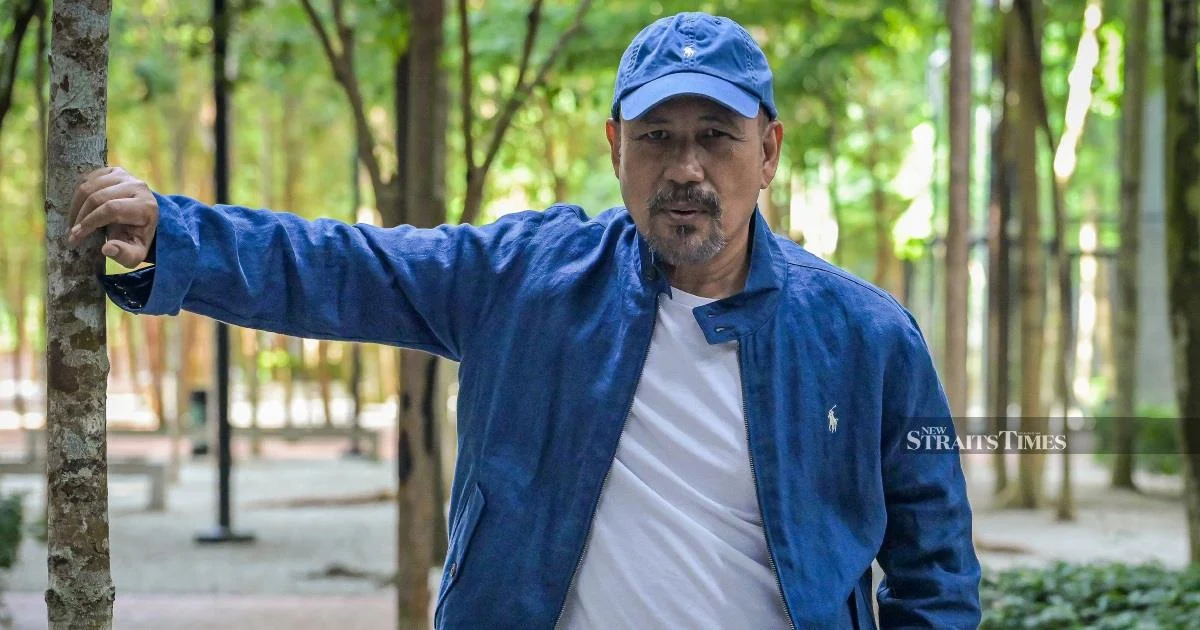
Renowned Malaysian music maestro Datuk M. Nasir is pressing ahead with a RM5 million lawsuit against MyTeksi Sdn Bhd, the operator of Grab Malaysia, alleging that the company used his name without permission to market a beverage product. The celebrated songwriter and performer has chosen to remain guarded about the specifics of the dispute, but has made clear his determination to protect what he describes as his fundamental rights.
The case represents a significant development in ongoing discussions about celebrity rights and intellectual property protection in Malaysia's entertainment and commercial sectors. As one of the nation's most respected music figures, M. Nasir's willingness to pursue the matter through legal channels signals the seriousness with which he views the alleged breach. His stance reflects broader concerns among Malaysian entertainers about unauthorised commercial exploitation of their names, images, and personal brands.
MyTeksi Sdn Bhd operates the Grab ride-hailing platform in Malaysia, making it one of the region's most visible consumer-facing technology companies. The scale of the lawsuit—set at RM5 million—suggests M. Nasir and his legal team view the infringement as substantial and warranting significant compensation. Such amounts typically reflect not merely the direct commercial benefit obtained through unauthorised use, but also the damage to reputation and loss of control over one's personal brand.
The beverage marketing dimension adds particular interest to this case. Product endorsements represent a crucial revenue stream for entertainment personalities across Asia, and unauthorised association with consumer goods can damage both earning potential and brand reputation. M. Nasir's assertion that he possesses a "moral right" to control how his name is used commercially touches on principles increasingly recognised in intellectual property law across Southeast Asia.
Malaysia's legal framework has evolved considerably in recent years regarding personality rights and the protection of names and likenesses in commercial contexts. While the country's copyright and trademark systems offer certain protections, cases involving unauthorised celebrity endorsement often involve complex questions about the intersection of commercial law, privacy, and personality rights. M. Nasir's decision to pursue litigation will likely provide important clarification on these evolving legal boundaries.
The ride-hailing sector has expanded dramatically across Malaysia and the broader region, with companies increasingly diversifying into adjacent commercial activities. Grab in particular has extended its operations beyond transportation into food delivery, financial services, and other ventures. This expansion, while economically sensible, creates numerous opportunities for misunderstandings or disputes regarding brand usage and commercial partnerships, particularly when celebrity associations are involved.
From an entertainment industry perspective, the lawsuit underscores the importance of securing explicit written agreements before any public figure's name or likeness is used for commercial purposes. Industry professionals and legal experts have long emphasised this principle, yet disputes continue to arise, particularly when larger corporations interact with individual artists and entertainers who may not have dedicated legal teams constantly monitoring their intellectual property.
The case also reflects M. Nasir's enduring prominence in Malaysian popular culture and commerce. Decades into his career, the musician's name retains significant commercial value—precisely why companies might seek to associate their products with him. This commercial appeal, however, must be paired with his consent and appropriate compensation, principles that form the foundation of ethical marketing practices.
The beverage industry has long relied heavily on celebrity endorsements to establish brand credibility and consumer appeal. In Malaysia's competitive consumer goods market, the association with a respected figure like M. Nasir could constitute genuine marketing value. This reality strengthens the case for compensation if such association occurred without permission, as the company would have benefited commercially from the connection while the artist bore reputational risk.
M. Nasir's willingness to defend his rights publicly sends a message to the broader Malaysian entertainment community about the importance of protecting intellectual property and personal brands. As digital commerce expands and consumer companies increasingly seek viral marketing opportunities, maintaining clear boundaries about unauthorised use becomes increasingly vital for creative professionals.
The resolution of this dispute will likely influence how Malaysian companies approach celebrity endorsements and brand associations moving forward. Whether through settlement or court judgment, the case represents an important moment in clarifying the legal and ethical standards governing the commercial use of public figures' names in Malaysia's rapidly evolving marketplace.
Beyond the immediate legal question, the lawsuit exemplifies broader tensions between corporate growth and individual rights in Southeast Asia's digital economy. As companies expand their commercial reach into new product categories and marketing channels, ensuring proper authorisation and compensation for celebrity associations remains both a legal obligation and an ethical imperative that protects the creative professionals who have built Malaysia's entertainment industry.
%22%2F%3E%3C%2Fpattern%3E%3C%2Fdefs%3E%3Crect%20width%3D%22100%25%22%20height%3D%22100%25%22%20fill%3D%22url(%23phyc2bg)%22%2F%3E%3Crect%20width%3D%22100%25%22%20height%3D%22100%25%22%20fill%3D%22url(%23phyc2bp)%22%2F%3E%3Ctext%20x%3D%2250%25%22%20y%3D%2250%25%22%20text-anchor%3D%22middle%22%20dominant-baseline%3D%22central%22%20fill%3D%22rgba(255%2C255%2C255%2C0.95)%22%20font-family%3D%22Georgia%2C%20'Times%20New%20Roman'%2C%20serif%22%20font-weight%3D%22700%22%20font-size%3D%22170%22%20letter-spacing%3D%22-0.02em%22%3EMalaysia%3C%2Ftext%3E%3C%2Fsvg%3E)