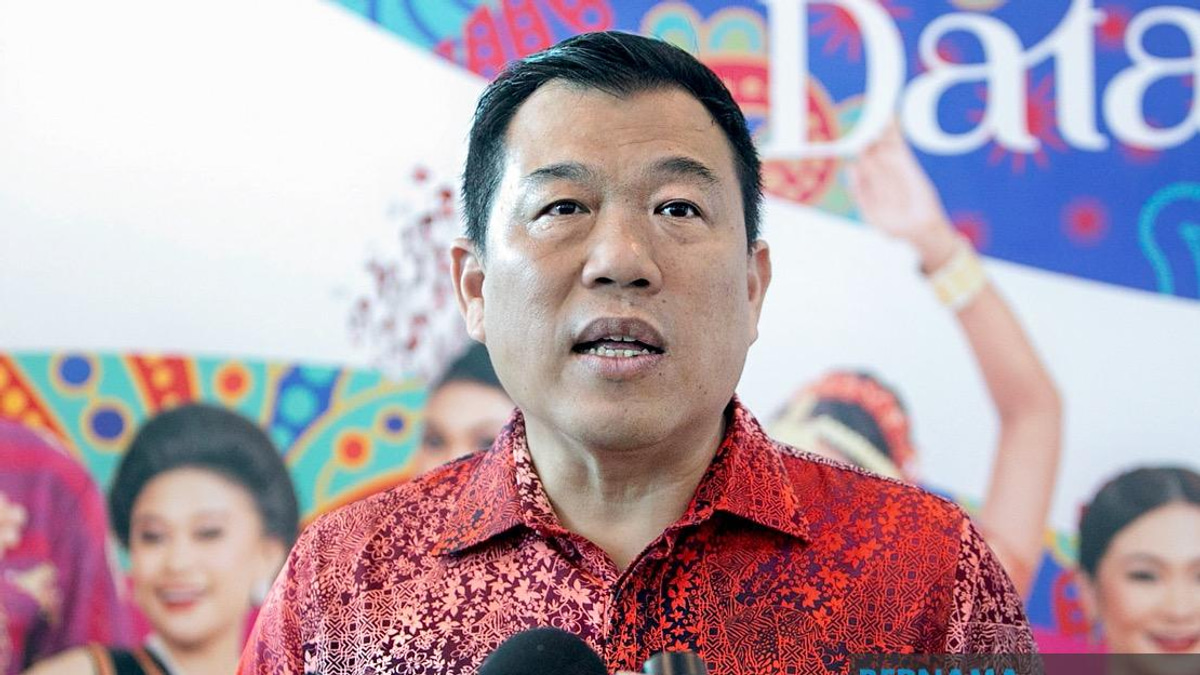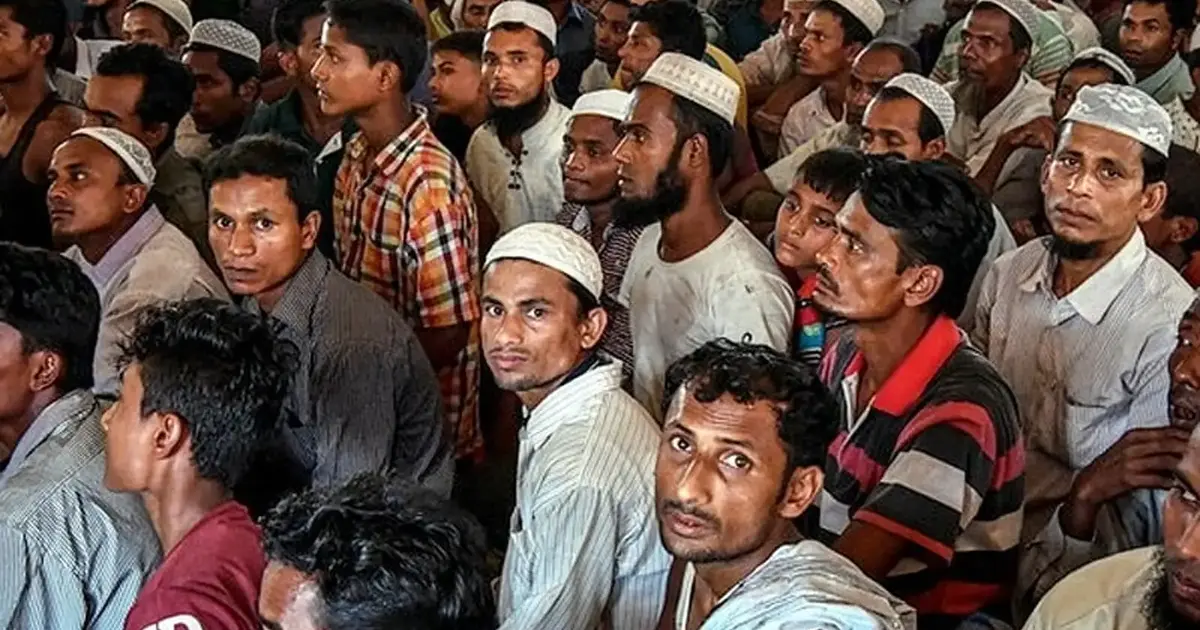
The Rohingya Ulama Council has publicly dismissed recent allegations suggesting the stateless community is mounting an organised campaign to obtain Malaysian citizenship, with chairman Rahimullah Hussain describing the claims as entirely without foundation. His statement represents a direct rebuttal to narratives that have circulated in recent weeks, which he characterised as deliberately designed to stoke animosity toward the Rohingya population already residing in Malaysia.
Rahimullah Hussain's denial comes amid broader regional tensions surrounding the Rohingya crisis, a humanitarian emergency that has displaced hundreds of thousands of people since violence erupted in Myanmar's Rakhine State. Malaysia has emerged as one of the primary destinations for Rohingya refugees fleeing persecution, hosting one of the world's largest populations of stateless Rohingya people outside the camps of neighbouring Bangladesh and refugee settlements elsewhere in Southeast Asia.
The allegations being refuted appear designed to capitalise on existing social sensitivities around refugee populations and citizenship policy in Malaysia, where questions of national identity and immigration have become increasingly prominent in public discourse. By framing the Rohingya as seeking rapid integration through citizenship pathways, critics may be attempting to weaponise fears about demographic change and resource allocation, particularly in an environment where public services remain under pressure.
The council's response demonstrates the precarious position occupied by Rohingya leadership within Malaysia. Organisational bodies such as the Rohingya Ulama Council serve vital functions in representing community interests and advocating for humanitarian protections, yet they operate in a context where any perceived assertiveness about rights or integration can become fodder for xenophobic narratives. By preemptively denying these allegations, Rahimullah Hussain appears to be attempting to insulate the community from reputational damage that could translate into policy restrictions or social ostracism.
The timing of such allegations, whether from media reports, social media claims, or political commentary, warrants scrutiny. In Southeast Asia, anti-Rohingya sentiment has periodically intensified around sensitive political moments or amid broader conversations about immigration policy. The emergence of claims about citizenship drives suggests an attempt to inject urgency into existing anxieties by implying coordinated action rather than isolated individual aspirations, which would be a natural phenomenon among any refugee population seeking long-term stability.
Malaysia's relationship with its Rohingya population remains complex and contested. While the country has absorbed vastly more refugees than wealthier nations have accepted, public opinion regarding the community's presence has become increasingly divided. Economic pressures, labour market competition, and debates about resource allocation have provided fertile ground for narratives that characterise Rohingya settlement as problematic. Within this environment, allegations of citizenship-seeking could be weaponised to argue for stricter controls or repatriation initiatives.
The Rohingya Ulama Council's assertion that such claims are fabricated reflects the community's awareness that reputational management is essential to maintaining the humanitarian space they occupy in Malaysia. Unlike established immigrant communities with long histories in the country, the Rohingya remain culturally and linguistically distinct, religiously identifiable, and politically vulnerable. Misrepresentations or exaggerations of community intentions can quickly metastasise into policy consequences, as recent debates in other Southeast Asian nations have demonstrated.
For Malaysian policymakers and society more broadly, the distinction between actual community aspirations and fabricated allegations carries genuine importance. The Malaysian government has maintained a pragmatic approach to the Rohingya presence, allowing informal settlement and work permissions in many contexts while stopping short of formal citizenship pathways. This arrangement reflects an implicit understanding that permanent settlement remains contested politically while temporary refuge remains tolerable. Any credible evidence of organised citizenship campaigns would challenge this implicit equilibrium, potentially triggering policy tightening.
The statement from Rahimullah Hussain also invites broader consideration of how narratives about refugee communities are constructed and circulated. In an era of rapid information dissemination through social media and online networks, allegations need not be substantiated to acquire apparent credibility or to influence public perception. The Rohingya Ulama Council's intervention suggests awareness that silence in the face of false claims can itself become tacit confirmation in the eyes of skeptical audiences.
Moving forward, the credibility of the Rohingya Ulama Council's denial will likely depend on sustained transparency about community structures, leadership objectives, and advocacy priorities. Organisations representing stateless populations operate with limited institutional power and must instead rely on moral authority and perceived truthfulness to maintain influence with host governments and sceptical publics. For the broader Rohingya community in Malaysia, the stakes of this reputational moment extend beyond the specific citizenship question to encompass their long-term security and integration prospects in a country that remains deeply ambivalent about their presence.