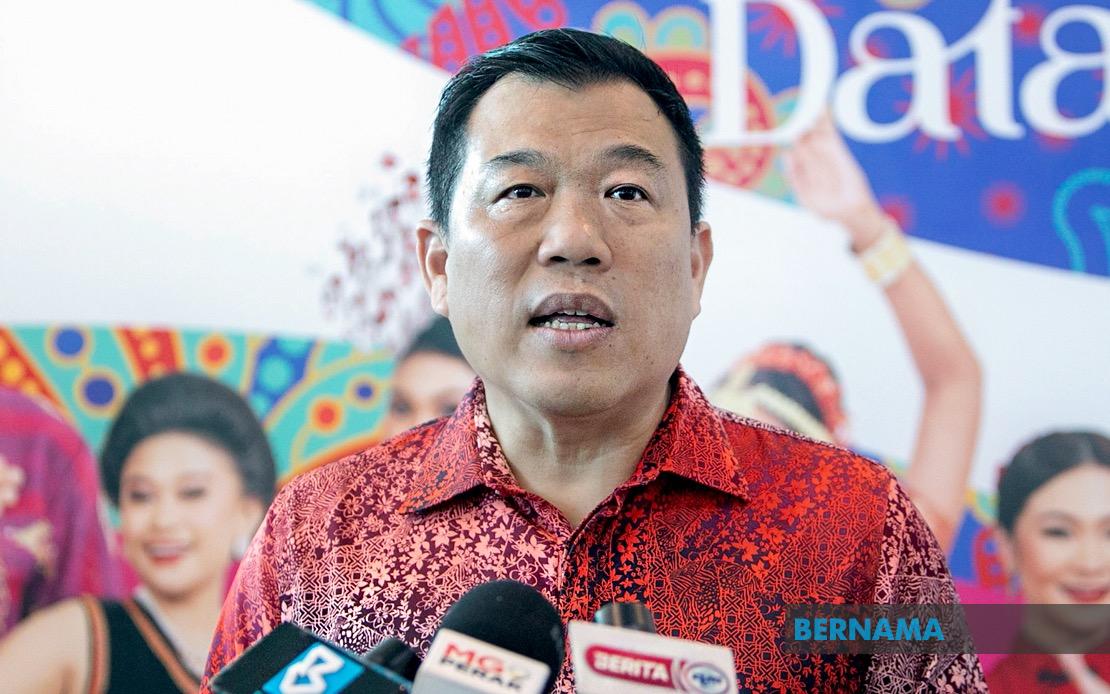
Perak has emerged as a bright spot for domestic tourism in Malaysia, with overnight arrivals growing to 10.4 million in 2024 from 10.2 million the previous year, according to Loh Sze Yee, the state's Tourism, Industry, Investment and Corridor Development Committee chairman. However, this positive domestic trend masks a concerning weakness in the state's international appeal, with foreign visitor numbers declining by approximately 1.5 per cent during the same period.
The divergence between domestic and international performance reveals a fundamental shift in Malaysia's tourism landscape as the nation rebounds from pandemic-related disruptions. While local travellers increasingly explore domestic destinations, the state is grappling with structural challenges that deter overseas visitors. Loh attributed the international decline to two key factors: the discontinuation of direct flight services on the Singapore-Ipoh route and broader headwinds affecting global aviation stemming from elevated oil prices and economic uncertainty in the aviation sector.
Within Malaysia's broader tourism hierarchy, Perak maintains a respectable position as the third-most visited state by domestic travellers. According to Chief Statistician Datuk Seri Dr Mohd Uzir Mahidin, Selangor dominates with 36.4 million domestic visitors, trailed by Kuala Lumpur with 35.1 million. Perak's 23.6 million domestic arrivals place it ahead of most other states, demonstrating the enduring appeal of its attractions to Malaysian holidaymakers seeking alternatives to overcrowded urban centres. This ranking underscores Perak's importance within Malaysia's domestic tourism ecosystem, particularly for visitors from surrounding regions seeking cultural experiences and natural attractions.
The loss of the Singapore-Ipoh flight route represents a significant strategic vulnerability. Direct air connectivity is crucial for attracting price-sensitive international tourists who otherwise face lengthy overland journeys or expensive connecting flights through Kuala Lumpur. Southeast Asian visitors, particularly Singaporeans who traditionally comprised a substantial share of Perak's foreign arrivals, now encounter considerable friction in reaching the state. This connectivity gap has cascading effects throughout Perak's tourism economy, from hotel occupancy rates to restaurant patronage and cultural attraction visitor numbers.
The broader aviation sector challenges have compounded Perak's connectivity problems. Global jet fuel prices remain elevated, forcing airlines to scrutinise route profitability more rigorously. Regional short-haul routes like Singapore-Ipoh, which generate lower per-seat revenues than longer international flights, become casualties of cost-consciousness. This structural shift in airline economics means that even prosperous regional destinations like Perak struggle to justify service restoration without substantial external incentives or dramatic demand stimulation.
Meanwhile, Tourism Malaysia is leveraging Ipoh's strategic geographic position to broaden the appeal of eastern coastal states. The selection of Ipoh to host Pantai Timur Fest 2026 reflects recognition that the city functions as a natural gateway and distribution hub for visitors exploring Kelantan, Terengganu, and Pahang. Mohd Amirul Rizal Abdul Rahim, Tourism Malaysia's director-general, highlighted that Ipoh's central location enables showcasing the distinctive cultural and natural assets of the East Coast to visitors from Peninsular Malaysia's northern, central, and southern regions.
This strategic positioning transforms Perak from a standalone destination into a tourism corridor anchor. The Pantai Timur Fest 2026, featuring 30 exhibition booths from East Coast tourism operators, exemplifies this integrated approach. By concentrating East Coast tourism marketing through Ipoh, Tourism Malaysia addresses a chronic visibility problem: the East Coast's unique attractions—pristine beaches, traditional batik production, heritage craft demonstrations, and regional cuisine—remain undermarketed to potential domestic visitors in other regions.
The festival's programming reveals the industry's sophisticated understanding of contemporary consumer preferences. Beyond static exhibitions, the event incorporates cultural performances, traditional craft demonstrations, and heritage food experiences that generate social media content and create experiential value. Interactive activities and special travel package discounts tied to the Visit Malaysia 2026 campaign strategically align promotional efforts with broader national tourism ambitions while providing immediate incentive structures for holiday bookings.
The participation of travel agencies, hotels, theme parks, and online travel agents within a single curated event reduces friction in the travel planning process. Visitors can simultaneously research, compare, and book experiences without navigating multiple touchpoints. This integrated marketplace approach acknowledges that modern tourists, particularly younger domestic travellers, prioritise convenience and comprehensive information access.
For Malaysian policymakers and industry stakeholders, Perak's experience illuminates both opportunities and vulnerabilities in the post-pandemic tourism recovery. Domestic tourism demonstrates resilience and growth, suggesting Malaysian consumers prioritise local experiences and cultural exploration. However, international visitor vulnerability exposes dangerous dependence on air connectivity factors beyond state governments' direct control. Addressing this requires coordinated strategies: promoting alternative access routes through improved bus and rail connections to Singapore, attracting low-cost regional carriers through infrastructure investments or incentive schemes, and positioning Perak as an essential component of broader East Coast tourism circuits.
The challenge ahead involves sustaining domestic momentum while strategically rebuilding international visitation. Perak's positioning within Visit Malaysia 2026 offers a vehicle for this balancing act, but success requires complementary infrastructure improvements, enhanced marketing to regional markets where air connectivity remains intact, and innovative tourism product development that justifies increased travel investment. Without addressing the underlying connectivity gaps, Perak risks becoming increasingly isolated as competitors strengthen their regional connectivity and international appeal.