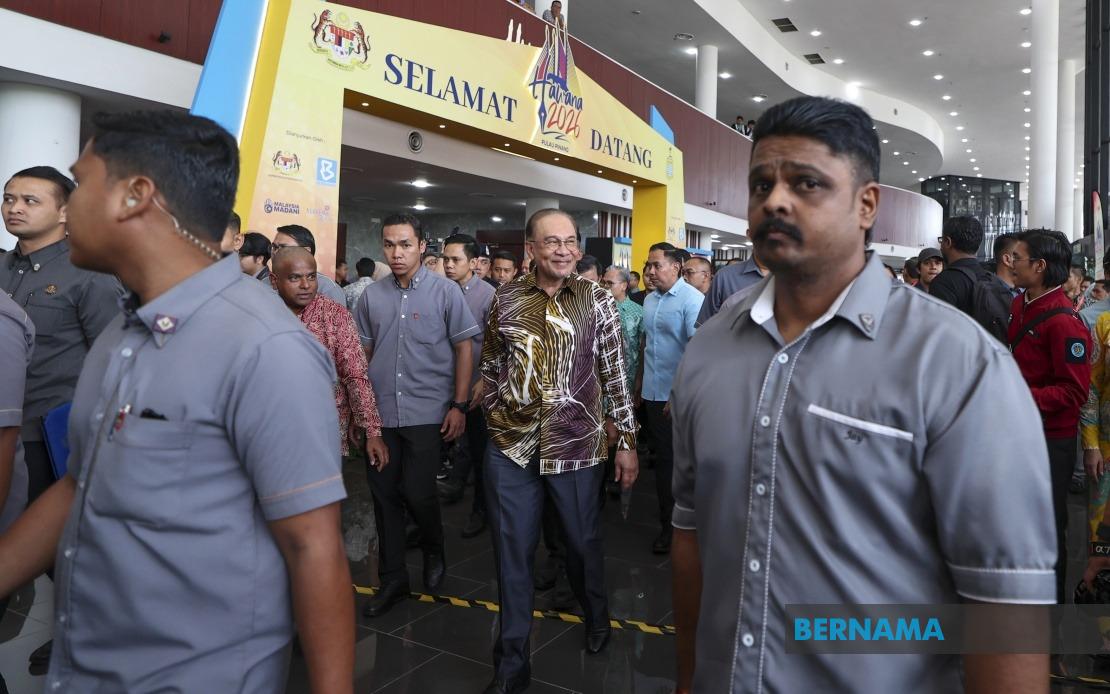
Prime Minister Datuk Seri Anwar Ibrahim has officially opened the HAWANA 2026 National Journalists' Day celebration at the PICCA Convention Centre @ Butterworth Arena in Penang, marking a significant gathering for Malaysia's media profession. His arrival at 2.40 pm on June 20 was met by Penang Chief Minister Chow Kon Yeow, Communications Minister Datuk Fahmi Fadzil and Communications Ministry secretary-general Datuk Abdul Halim Hamzah, underscoring the event's importance within the broader government communications framework.
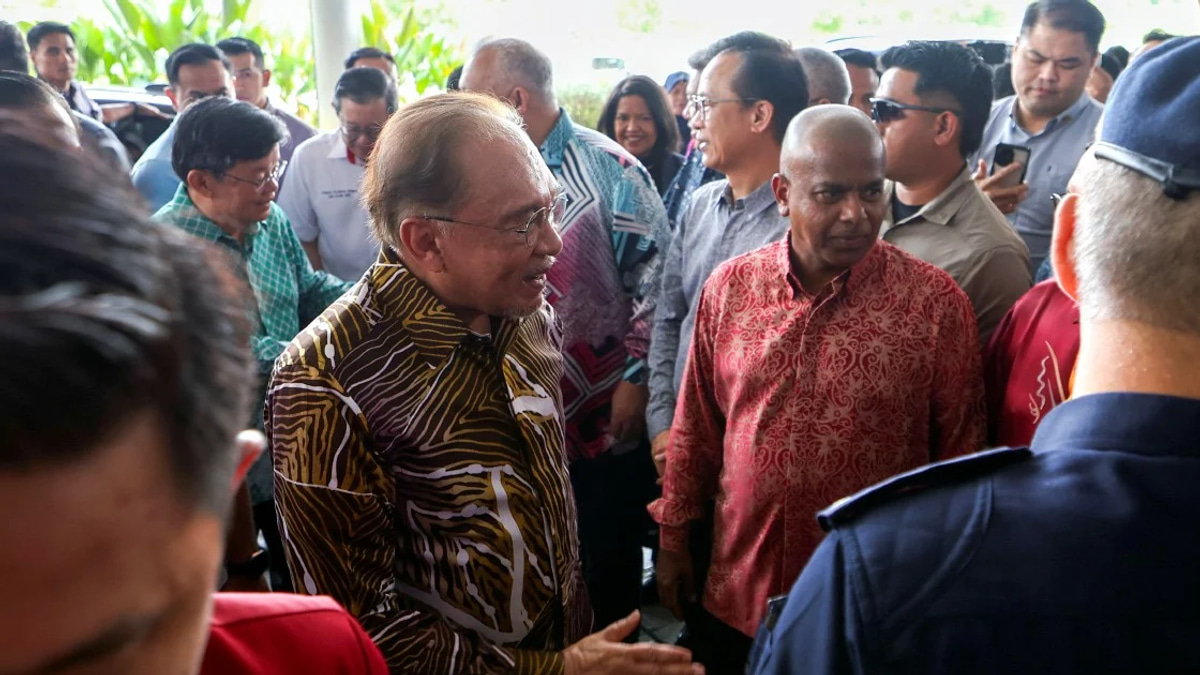
The Prime Minister's engagement extended beyond ceremonial formalities. Upon arriving at the venue, he toured the exhibition booths and visited the HAWANA 2026 Photo Gallery installed in the foyer, demonstrating direct engagement with the various initiatives and displays celebrating journalism's role in Malaysian society. This hands-on approach reflected the government's commitment to acknowledging the media profession during an era when journalism faces mounting pressures globally.
The gathering assembled an impressive array of Malaysian media leadership and institutional representatives. Malaysian National News Agency (Bernama) chairman Datuk Seri Wong Chun Wai, chief executive officer Datin Paduka Nur-ul Afida Kamaludin, editor-in-chief Arul Rajoo Durar Raj and deputy editor-in-chief Mohd Shukri Ishak all participated in directing the proceedings. Their presence reflected Bernama's role as the implementing agency under the Ministry of Communications' stewardship of the event.
What distinguished HAWANA 2026 was its pronounced international character, with ASEAN representation occupying a central position in the gathering. Timor-Leste sent Secretary of State for Social Communication Expedito Loro Dias Ximenes, while Cambodia dispatched Undersecretary of State at the Ministry of Information Prak Thaveak Amida. Laos' Permanent Secretary of the Cabinet Office of the Ministry of Technology and Communications, Phuangpasert Keosouvanh, also attended, signalling the deepening regional cooperation on media matters among Southeast Asian governments.
The regional news agencies themselves sent senior delegations. Timor-Leste's news agency TATOLI was represented by president Noemio Mateus Soares Falcao and deputy president Madalena DE JCP Carlos. These representatives participated in substantive discussions about journalism standards and information dissemination across the wider region, reflecting how HAWANA has evolved into a platform for ASEAN media cooperation.
International participants extended beyond ASEAN borders. The Vietnam News Agency (VNA), Indonesia's Antara News Agency, Xinhua News Agency and professional journalist associations including Indonesia's Asosiasi Wartawan Indonesia (PWI) and the Malaysia-Indonesia journalists' fellowship organisation Ikatan Setiakawan Wartawan Malaysia-Indonesia (ISWAMI) all sent representatives. This breadth of participation positioned the event as a significant forum within the global journalism landscape.
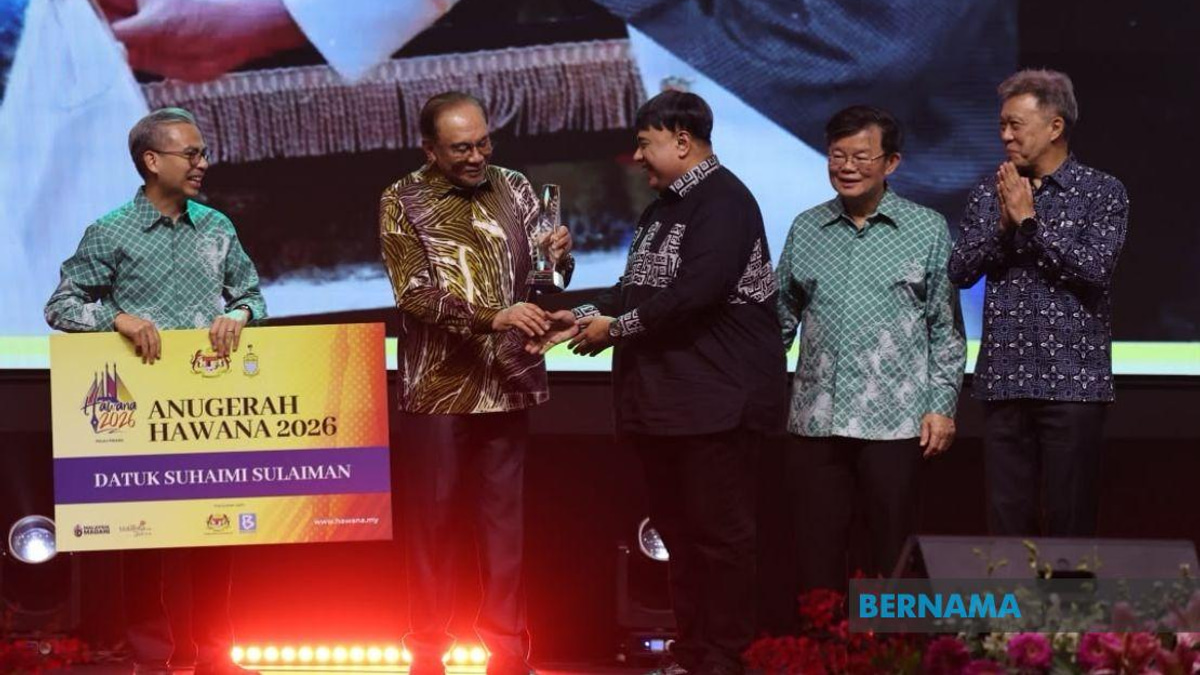
The event's central programmatic elements focused on professional recognition and financial support for the journalism community. Prime Minister Anwar was scheduled to present the HAWANA Award and the Special HAWANA Award to individuals whose contributions have shaped the profession and influenced public discourse. Additionally, the Kasih@HAWANA Fund would distribute contributions to veteran media practitioners facing hardship, establishing a concrete mechanism through which the government and media industry affirm their commitment to the profession's welfare.
Operating under the thematic umbrella of "Media Integrity Strengthens Credibility," HAWANA 2026 sought to address foundational challenges confronting modern journalism. In an environment where misinformation proliferates and public trust in media institutions fluctuates, the event's emphasis on integrity represented a deliberate attempt to recalibrate journalism's social contract. The gathering of approximately 1,000 media practitioners from Malaysia and internationally created a substantive space for examining how newsrooms can maintain standards amid technological disruption and shifting information consumption patterns.
The Ministry of Communications' decision to position HAWANA as a strategic platform reflects the Malaysian government's recognition that journalism's health directly correlates with democratic governance quality. By convening practitioners, policymakers and international colleagues, the event functioned as more than ceremonial recognition—it served as a working forum to generate conceptual frameworks and practical approaches for contemporary journalism. This positioning acknowledges that media evolution requires ongoing dialogue between industry professionals, regulatory authorities and the broader public sphere.
For Malaysia's regional standing, hosting such an assembly carries significance beyond domestic media considerations. HAWANA 2026 demonstrated Malaysia's capacity to facilitate ASEAN-level media cooperation and to position itself as a centre for thoughtful discussion about journalism's future. In a region where media landscapes vary considerably in terms of regulatory environment and commercial viability, creating neutral ground for regional media leaders to exchange perspectives enhances mutual understanding and establishes frameworks for potential future collaboration on cross-border journalism standards.
The convergence of government ministers, Bernama institutional leaders, ASEAN representatives and international media organisations at HAWANA 2026 underscores shifting perceptions about journalism's institutional importance. Rather than treating the profession as peripheral to governance, the high-level political participation and regional diplomatic engagement signal recognition that media practitioners occupy a central position in shaping how societies understand themselves and their relationship to power structures. The event's scale and composition indicated that Malaysian media leadership views journalism not merely as commercial enterprise but as public institution requiring investment and periodic institutional renewal.