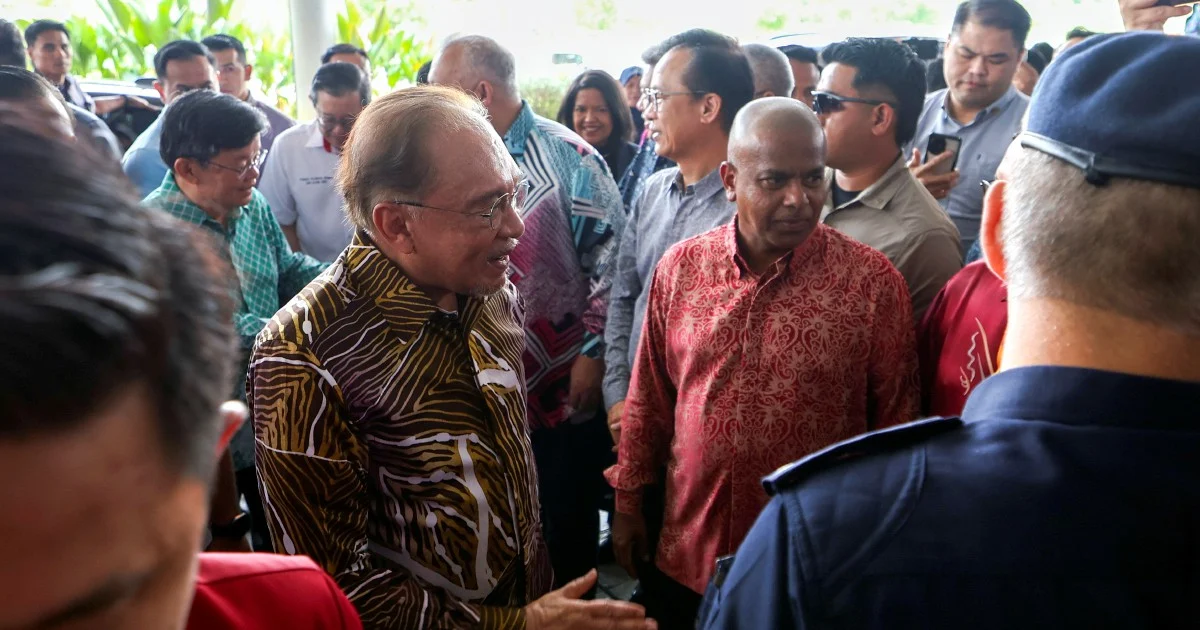
Prime Minister Datuk Seri Anwar Ibrahim has celebrated Petronas's breakthrough in securing two substantial gas field concessions from Turkmenistan, framing the development as a watershed moment for Malaysia's energy security infrastructure. Speaking at Permatang Pauh, the premier underscored the strategic importance of diversifying the nation's hydrocarbon sourcing beyond domestic reserves, which have been experiencing gradual depletion over the past decade.
The acquisition represents a significant geographical expansion for Petronas into Central Asia, a region increasingly pivotal to global energy dynamics. By establishing operations in Turkmenistan, Malaysia's national oil and gas company gains access to one of the world's largest proven natural gas reserves, positioned to supply both regional and international markets. This move strengthens Petronas's portfolio across multiple continents and reduces dependence on ageing domestic fields in the South China Sea and Sarawak.
For Malaysia's broader economic strategy, the deal carries implications extending well beyond energy production. Securing resource partnerships in strategically important nations enhances Malaysia's diplomatic standing within international energy forums and creates leverage in bilateral relationships. Turkmenistan, a Central Asian energy superpower with limited Western engagement, represents both a commercial opportunity and a geopolitical positioning that aligns with Malaysia's regional influence aspirations.
The timing of this announcement coincides with growing global transitions in energy consumption patterns. While many developed nations pursue renewable energy targets, countries across Southeast Asia and Central Asia continue expanding fossil fuel infrastructure to meet rising electricity demand and industrialisation needs. Petronas's involvement in these fields ensures Malaysia remains a substantial player in conventional energy markets during this prolonged transition period.
Energy security has become increasingly critical for Malaysian policymakers given the nation's vulnerability to supply disruptions and price volatility. Domestically produced energy reduces reliance on imports and stabilises manufacturing costs for energy-intensive industries such as petrochemicals, fertilisers, and heavy manufacturing. The Turkmenistan concessions will supplement domestic production and potentially create export revenue through liquefied natural gas sales to third markets.
Petronas's operational capabilities in challenging international environments demonstrate Malaysia's technical expertise and engineering capacity. The company's track record in deep-water exploration, harsh-climate operations, and complex commercial arrangements makes it a credible partner for resource-rich nations seeking experienced operators. This reinforces Malaysia's positioning as a regional centre of energy expertise, attracting further investment and partnership opportunities.
The geopolitical dimension warrants attention for Malaysian stakeholders monitoring regional dynamics. Turkmenistan's energy relationships typically span Russian, Chinese, and occasionally Western interests. Malaysia's entry into this landscape as a neutral, commercially-focused operator without Cold War baggage offers Turkmenistan diversified partnership options. This neutrality, coupled with proven technical delivery, enhances Southeast Asia's collective standing in Central Asian affairs.
For Malaysian investors and industries dependent on stable energy supplies, the deal promises medium-term supply assurance and potentially competitive pricing through Petronas's internal allocation mechanisms. Petrochemical manufacturers, power generators, and heavy industrial operators facing rising global gas prices can anticipate more stable sourcing arrangements as these fields come online and contribute to global supply.
The commercial structure of these concessions will likely involve production-sharing arrangements typical of international petroleum agreements, requiring Petronas to invest substantially in field development, processing infrastructure, and export logistics. Such expenditures inject capital into Malaysia's engineering and construction sectors while creating employment opportunities for skilled workers in engineering, project management, and technical roles.
Longer-term implications suggest Malaysia is positioning itself within global energy markets beyond 2030, when many nations will have transitioned portions of their energy mix away from hydrocarbons. Maintaining substantial hydrocarbon reserves and production capacity ensures Malaysia remains a valued energy partner throughout extended energy transition periods, potentially extending into the 2040s for certain industries and markets.
The Petronas achievement also underscores Malaysia's capacity to execute complex international negotiations and secure competitive commercial terms against rival bidders from larger economies. This capability enhances Malaysia's broader commercial reputation and signals to international investors that Malaysian companies possess genuine competitive advantages in resource development and management.
Moving forward, analysts will monitor how rapidly Petronas mobilises these concessions toward production and whether initial development timelines align with Petronas's public commitments. The success of Turkmenistan operations will substantially influence Petronas's future competitiveness in bidding for additional international concessions, particularly across Africa, the Middle East, and other regions where Malaysia seeks to strengthen its energy portfolio during the pivotal coming decades.
%22%2F%3E%3C%2Fpattern%3E%3C%2Fdefs%3E%3Crect%20width%3D%22100%25%22%20height%3D%22100%25%22%20fill%3D%22url(%23ph4tykpg)%22%2F%3E%3Crect%20width%3D%22100%25%22%20height%3D%22100%25%22%20fill%3D%22url(%23ph4tykpp)%22%2F%3E%3Ctext%20x%3D%2250%25%22%20y%3D%2250%25%22%20text-anchor%3D%22middle%22%20dominant-baseline%3D%22central%22%20fill%3D%22rgba(255%2C255%2C255%2C0.95)%22%20font-family%3D%22Georgia%2C%20'Times%20New%20Roman'%2C%20serif%22%20font-weight%3D%22700%22%20font-size%3D%22272%22%20letter-spacing%3D%22-0.02em%22%3EJohor%3C%2Ftext%3E%3C%2Fsvg%3E)
%22%2F%3E%3C%2Fpattern%3E%3C%2Fdefs%3E%3Crect%20width%3D%22100%25%22%20height%3D%22100%25%22%20fill%3D%22url(%23ph1ni6dg)%22%2F%3E%3Crect%20width%3D%22100%25%22%20height%3D%22100%25%22%20fill%3D%22url(%23ph1ni6dp)%22%2F%3E%3Ctext%20x%3D%2250%25%22%20y%3D%2250%25%22%20text-anchor%3D%22middle%22%20dominant-baseline%3D%22central%22%20fill%3D%22rgba(255%2C255%2C255%2C0.95)%22%20font-family%3D%22Georgia%2C%20'Times%20New%20Roman'%2C%20serif%22%20font-weight%3D%22700%22%20font-size%3D%22272%22%20letter-spacing%3D%22-0.02em%22%3EMedia%3C%2Ftext%3E%3C%2Fsvg%3E)
%22%2F%3E%3C%2Fpattern%3E%3C%2Fdefs%3E%3Crect%20width%3D%22100%25%22%20height%3D%22100%25%22%20fill%3D%22url(%23ph4o0rkg)%22%2F%3E%3Crect%20width%3D%22100%25%22%20height%3D%22100%25%22%20fill%3D%22url(%23ph4o0rkp)%22%2F%3E%3Ctext%20x%3D%2250%25%22%20y%3D%2250%25%22%20text-anchor%3D%22middle%22%20dominant-baseline%3D%22central%22%20fill%3D%22rgba(255%2C255%2C255%2C0.95)%22%20font-family%3D%22Georgia%2C%20'Times%20New%20Roman'%2C%20serif%22%20font-weight%3D%22700%22%20font-size%3D%22320%22%20letter-spacing%3D%22-0.02em%22%3E95%3C%2Ftext%3E%3C%2Fsvg%3E)