%22%2F%3E%3C%2Fpattern%3E%3C%2Fdefs%3E%3Crect%20width%3D%22100%25%22%20height%3D%22100%25%22%20fill%3D%22url(%23ph4o0rkg)%22%2F%3E%3Crect%20width%3D%22100%25%22%20height%3D%22100%25%22%20fill%3D%22url(%23ph4o0rkp)%22%2F%3E%3Ctext%20x%3D%2250%25%22%20y%3D%2250%25%22%20text-anchor%3D%22middle%22%20dominant-baseline%3D%22central%22%20fill%3D%22rgba(255%2C255%2C255%2C0.95)%22%20font-family%3D%22Georgia%2C%20'Times%20New%20Roman'%2C%20serif%22%20font-weight%3D%22700%22%20font-size%3D%22320%22%20letter-spacing%3D%22-0.02em%22%3E95%3C%2Ftext%3E%3C%2Fsvg%3E)
Ninety-five newly appointed MADANI Community leaders from Kedah and Perlis have been formally commissioned to serve as intermediaries between the government and local communities, marking an expansion of Prime Minister Datuk Seri Anwar Ibrahim's strategy to strengthen governance communication at the grassroots. The appointment ceremony, held in Alor Setar on June 20, distributed letters to 68 leaders from Kedah and 27 from Perlis, signalling the administration's intent to deepen its reach into communities across northern Malaysia.
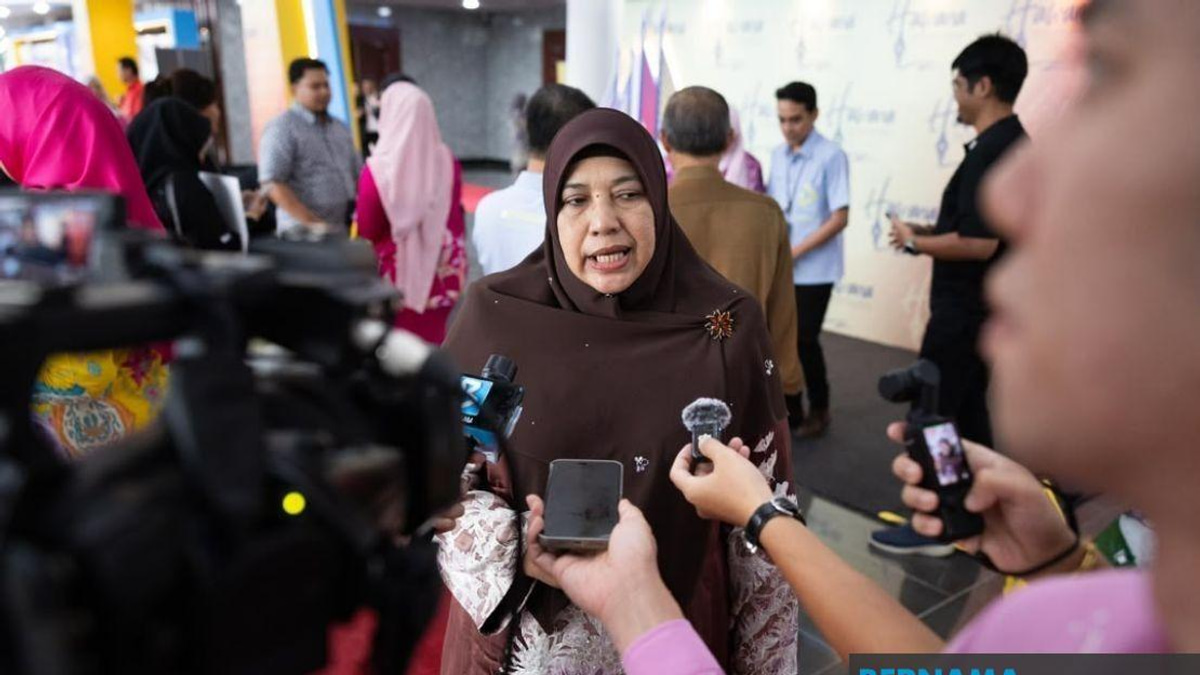
Abdullah Izhar Mohamed Yusof, the Political Secretary to the Communications Minister, framed this initiative as fundamentally about moving beyond mere information transmission. In his remarks at the Jiwa MADANI Programme event, he emphasised that effective governance communication requires ensuring that messages are not only conveyed but genuinely comprehended, trusted, and ultimately converted into tangible improvements in citizens' lives. This distinction reflects a recognition within government circles that broadcasting policy announcements differs markedly from fostering genuine public understanding and engagement with those policies.
The structural role assigned to these community leaders positions them as critical connectors within Malaysia's governance ecosystem. Rather than serving as passive recipients of top-down directives, they function as multidirectional channels—transmitting government initiatives downward to residents while simultaneously elevating community concerns, challenges, and feedback upward to decision-makers. This dual function addresses a persistent challenge in developing democracies: ensuring that policy implementation remains responsive to actual conditions on the ground rather than remaining trapped within bureaucratic assumptions about what communities need.
One immediate practical application of these leaders involves facilitating the delivery of targeted financial assistance programmes that the MADANI government has prioritised. The Sumbangan Tunai Rahmah (STR), Sumbangan Asas Rahmah (SARA), and Budi MADANI support schemes all require effective mechanisms to identify eligible recipients and ensure benefits reach intended beneficiaries without duplication or leakage. Community leaders, embedded within their neighbourhoods and familiar with local circumstances, are positioned to validate eligibility criteria and prevent eligible households from being inadvertently excluded—a particularly crucial function given Malaysia's commitment to inclusive development.
Yet Abdullah Izhar identified a second critical mandate for these appointed leaders: combating the rapidly evolving landscape of digital misinformation. The proliferation of deepfake technology, synthetic media, and artificial intelligence-generated content has created an environment where distinguishing authentic recordings from fabricated ones has become increasingly difficult for ordinary citizens. By positioning community leaders as digital literacy advocates, the government is attempting to build local capacity to help residents critically evaluate information before sharing it through social networks. This grassroots approach to digital resilience acknowledges that top-down fact-checking initiatives alone prove insufficient against the scale and sophistication of contemporary disinformation campaigns.
The appointment of community leaders in Kedah and Perlis reflects broader governance patterns visible across Southeast Asia. As governments contend with fragmented media environments, declining trust in official institutions, and competition from alternative information sources, many are investing in community-level engagement strategies. What distinguishes Malaysia's approach is the explicit integration of digital literacy responsibilities alongside traditional policy communication functions, suggesting awareness that contemporary misinformation challenges cannot be addressed through conventional public relations methods alone.
For Malaysian readers, particularly those in rural and semi-urban areas where government services may feel distant, these community leaders represent potential points of access to information and assistance. Their effectiveness will depend substantially on their legitimacy within their communities—a factor that extends beyond formal appointment. Leaders who maintain credibility through transparent communication, demonstrated competence, and responsiveness to community concerns will likely generate greater engagement with government initiatives. Conversely, those perceived as partisan or self-interested may inadvertently reinforce public cynicism about government communication efforts.
The initiative also carries implications for how Malaysia positions itself within broader Southeast Asian governance trends. Regional democracies increasingly recognise that effective policy implementation requires more than legislative passage or bureaucratic promulgation. Building citizen understanding, securing voluntary compliance, and fostering public participation in development planning demands sustained investment in communication infrastructure at community level. The MADANI appointment scheme represents a deliberate choice to prioritise this dimension of governance capacity, even as budget constraints limit other areas of public spending.
Looking ahead, the success of this initiative will likely depend on several factors beyond initial appointment. Adequate training to equip leaders with communication skills, understanding of current government programmes, and strategies for addressing misinformation will be essential. Providing these leaders with regular updates as policies evolve and new programmes launch will prevent their information becoming outdated. Perhaps most critically, creating genuine feedback mechanisms through which community leaders can influence policy implementation—rather than serving merely as one-way conduits for government messaging—will determine whether they become trusted intermediaries or perceived as government representatives lacking real influence.
The expansion into Kedah and Perlis signals that this approach, if successful, may extend to other states, potentially creating a nationwide network of community-level communicators. For citizens, this could represent improved access to reliable information and government services. For policymakers, it offers channels to understand how policies are received and experienced at the ground level. In an era of information overload and declining institutional trust, such deliberate investments in human-centred communication infrastructure may prove as strategically important as digital platforms or traditional media relations.