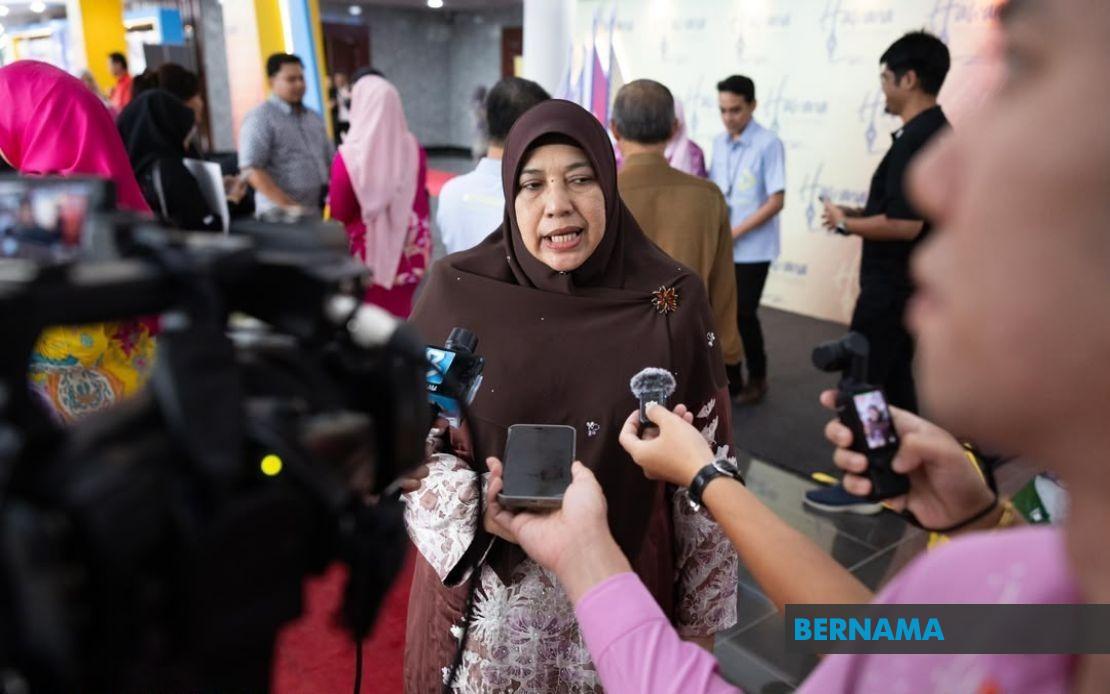
The Malaysian National News Agency (Bernama) has reinforced its credentials as a capable event organizer following the triumphant conclusion of the National Journalists' Day (HAWANA) 2026 Grand Finale in Butterworth, Penang. The event, held at PICCA Convention Centre @ Butterworth Arena and attended by Prime Minister Datuk Seri Anwar Ibrahim alongside state and federal officials, drew together approximately 1,000 media practitioners including journalists from several ASEAN nations. The gathering underscored the importance of HAWANA as an established annual occasion bringing together Malaysia's diverse media community to address pressing industry issues and celebrate professional achievements.
Bernama chief executive officer Datin Paduka Nur-ul Afida Kamaludin expressed considerable satisfaction with the execution of the event, emphasizing the agency's internal capacity to manage complex logistics and creative production without external contractors. In her capacity as chair of the HAWANA 2026 Working Committee, she commended the dedication demonstrated by personnel across multiple sub-committees who collectively delivered what she characterized as a seamless and impactful occasion. Her remarks reflected broader institutional confidence that the agency possesses sufficient technical expertise and organizational infrastructure to handle major national events.
Among the standout accomplishments of this year's celebration was Bernama's successful production of its first live broadcast created entirely through internal capabilities. This achievement marks a significant milestone for the agency's operational independence and demonstrates the depth of technical proficiency among its staff. The production encompassed not merely the live transmission itself but also the creation of supporting materials, including artificial intelligence-generated video content, promotional posters, and layout designs. This comprehensive approach to content creation and distribution reveals the growing sophistication of Bernama's digital and creative divisions.
The theme selected for HAWANA 2026, "Media Integrity Strengthens Credibility," proved particularly resonant given ongoing global concerns about misinformation and erosion of public trust in journalism. By anchoring the celebration around this principle, Bernama signaled its commitment to reinforcing professional standards within Malaysia's media landscape. The gathering provided an opportunity for practitioners across television, radio, print, and digital platforms to engage in substantive dialogue about maintaining ethical journalism practices amid rapidly evolving information environments.
Nur-ul Afida revealed that Bernama has maintained the implementing agency role for HAWANA for six consecutive years, a testament to the Communications Ministry's sustained confidence in the organization's management capabilities. This extended tenure reflects consistent performance and the ministry's satisfaction with how Bernama has stewarded the event through multiple iterations. She indicated that the agency aspires to continue this partnership, viewing it as both a responsibility and an opportunity to shape Malaysia's media culture through a respected annual platform.
Looking forward, Bernama has indicated intentions to rotate future HAWANA celebrations across different Malaysian states, a strategy designed to foster geographic engagement with the journalism community while simultaneously providing opportunities for media practitioners to familiarize themselves with various regions. This approach recognizes the value of decentralizing the event beyond the federal capital, allowing participating journalists from around the country to network while experiencing different state capitals and media environments. The rotational model also positions HAWANA as a vehicle for promoting cultural and professional exchange across Malaysia's regions.
The positive reception from attending media practitioners has already generated preliminary interest regarding subsequent editions, with some industry colleagues enquiring about venue locations for future years. This early enthusiasm suggests that HAWANA has successfully established itself as a valued fixture in Malaysia's professional media calendar rather than merely a government-sponsored obligation. The organic interest in future events indicates that the platform has genuine relevance and appeal within the journalism community.
For Malaysia's broader media landscape, Bernama's demonstrated capability carries implications extending beyond event management. The agency's proven ability to produce sophisticated content in-house, including leveraging artificial intelligence tools for creative production, suggests that government media infrastructure is evolving to meet contemporary standards. This capacity building within Bernama could influence how public-sector news organizations throughout the region approach digital transformation and content innovation. The agency's willingness to invest in staff training and technological systems positions it competitively within an increasingly crowded media environment.
The gathering of approximately 1,000 journalists, including regional participants from ASEAN nations, underscores HAWANA's significance as a cross-border professional occasion. The inclusion of international media practitioners broadens the event's reach and creates opportunities for knowledge exchange regarding journalism practices across the region. For Malaysian media professionals, this international dimension provides exposure to contemporary approaches to reporting and news production employed by peer organizations in neighboring countries.
Bernama's institutional pride in successfully managing HAWANA 2026 internally reflects a broader confidence in Malaysian public sector capacity to execute sophisticated undertakings. The agency's transparent articulation of its in-house capabilities serves both as affirmation of existing competencies and as implicit advocacy for sustained investment in government media infrastructure. For Malaysian policymakers, the success suggests that strategic development of public news agencies yields tangible benefits in terms of institutional capability and professional credibility.
The event also carried symbolic weight regarding media professionalism in Malaysia during a period when journalistic independence and integrity remain subjects of public discussion. By gathering the nation's journalists under a theme emphasizing credibility, Bernama implicitly demonstrated institutional commitment to supporting and celebrating the journalism profession. For practitioners grappling with economic pressures, digital disruption, and changing business models, such occasions provide reaffirmation that their professional contributions are recognized and valued at the national level.
Moving forward, the success of HAWANA 2026 establishes a template for how government agencies can effectively organize large-scale professional gatherings while maximizing internal expertise and minimizing external dependencies. As Bernama continues pursuing additional iterations of the event across different states, the organization will accumulate further experience managing complex logistics and creative production. This accumulated capability promises to enhance the quality and sophistication of future celebrations, potentially establishing HAWANA as a model for government-sponsored professional conferences throughout Southeast Asia.