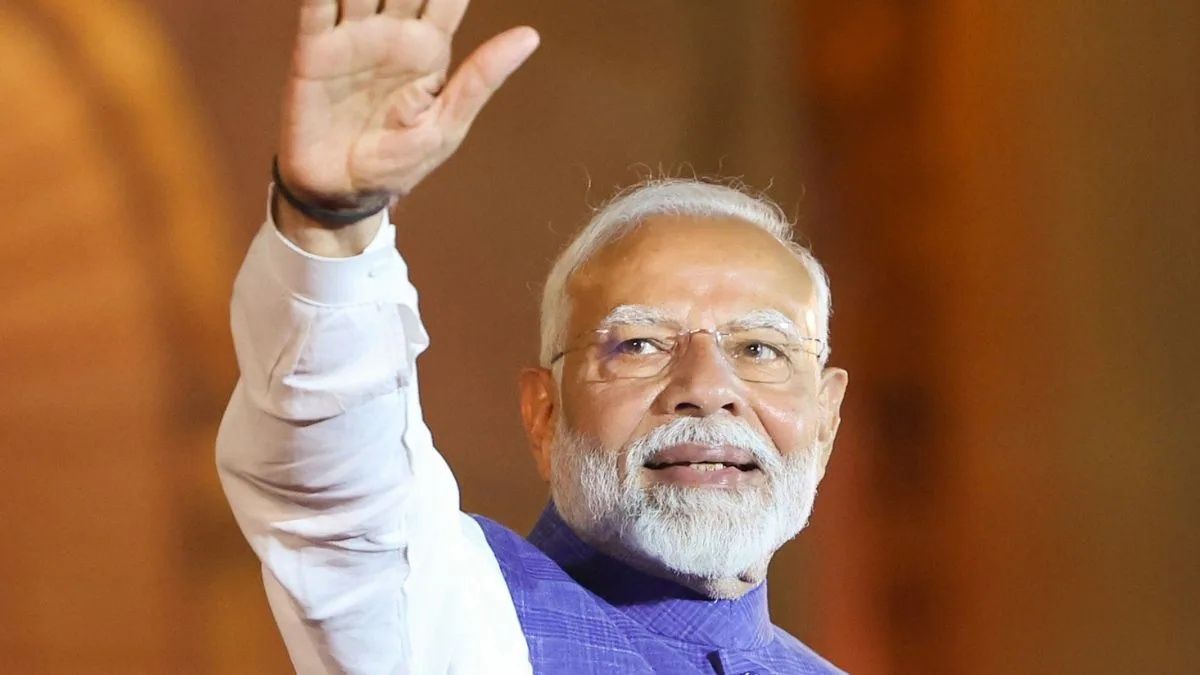
Prime Minister Narendra Modi will lead India's observance of the 12th International Day of Yoga from Kolkata's Red Road on June 21, underscoring his commitment to promoting physical and mental wellness through the ancient practice. The main celebration, scheduled for early morning, will feature mass demonstrations of the Common Yoga Protocol with thousands of participants, including government dignitaries and ordinary citizens, making it a significant show of support for yoga as a cornerstone of public health policy.
The choice of Kolkata as the principal venue carries considerable political weight. The West Bengal capital hosts the celebrations shortly after the Bharatiya Janata Party's decisive victory in the state assembly elections, reflecting the Modi administration's strategic focus on consolidating its presence in a region traditionally dominated by other political forces. Senior party leaders have signalled that development initiatives and resource allocation will prioritise West Bengal in the coming years, positioning Sunday's event as both a cultural gathering and a statement of intent regarding the Centre's engagement with the state.
Red Road itself holds symbolic importance as one of Kolkata's most significant public spaces, intertwining threads of military history, civil demonstrations, and environmental initiatives. By selecting this venue, organisers are framing yoga not merely as a personal wellness practice but as part of a broader civic movement encompassing health, responsibility, and collective well-being. Event planners anticipate unprecedented attendance, suggesting strong community response to the initiative.
The scale of this year's International Day of Yoga reflects the Indian government's systematic expansion of the wellness movement beyond symbolic gestures. The Ministry of Ayush's Yoga Sangam Portal has registered approximately 600,000 organisations, an extraordinary figure demonstrating institutional embrace of yoga across schools, workplaces, community centres, and religious institutions. This registration milestone enables coordinated simultaneous practice sessions nationwide, amplifying the message that yoga represents mainstream health infrastructure rather than niche spirituality.
Globally, India's yoga diplomacy continues to gain momentum, with around 2,500 organised events taking place across the world and participation coordinated through 211 Indian diplomatic missions. This international dimension transforms what began as a domestic health initiative into a soft power tool, positioning India as the custodian of ancient wellness wisdom while leveraging yoga's universal appeal to strengthen cultural connections and diplomatic relationships across continents.
The theme for this year's celebration—"Yoga for Healthy Ageing"—addresses a pressing demographic challenge facing both developed and developing nations. As life expectancy increases globally, ensuring that additional years translate into active, independent, and fulfilling lives has become a critical public health priority. Union Minister of State for Ayush Prataprao Jadhav emphasised that yoga provides evidence-based pathways to maintaining physical vitality, mental resilience, and social engagement during advancing age, distinguishing between merely living longer and living well.
The Ministry of Culture is complementing the primary celebration by organising yoga programmes at 100 iconic locations nationwide, deliberately bridging India's spiritual and cultural heritage with contemporary wellness science. This approach acknowledges that yoga's effectiveness stems partly from its grounding in India's philosophical traditions while remaining compatible with modern healthcare frameworks and scientific research. The integration of cultural heritage into health promotion resonates particularly in Southeast Asia, where similar traditions inform local wellness practices and where India's emphasis on traditional knowledge carries credibility.
Preparations in Kolkata have been intensive, with the West Bengal government mandating participation by all state employees across their workplaces, residential areas, and designated venues. This administrative mobilisation ensures broad visible participation and establishes yoga practice as part of official institutional culture. For Malaysian observers, such state-level coordination demonstrates how India implements national health policy through cascading administrative structures, a model worth considering as Southeast Asian governments develop their own preventive health initiatives.
The "Daud Se Dhyan 2026" initiative that preceded the main event integrated yoga with the Swachhata Se Swagat cleanliness programme, highlighting how India connects multiple development objectives—wellness, environmental responsibility, and civic participation—through integrated campaigns. This holistic approach reflects contemporary public health thinking that recognises interconnections between physical health, environmental sustainability, and community engagement.
For regional context, India's ambitious yoga expansion carries implications for Southeast Asia's health policy landscape. As the region grapples with lifestyle diseases, ageing populations, and healthcare cost pressures, India's evidence-based promotion of yoga as preventive medicine offers an alternative framework to purely pharmaceutical or hospital-centric approaches. The successful mobilisation of 600,000 organisations suggests scalable implementation models that resource-constrained health systems might adapt.
The International Day of Yoga has evolved from a symbolic observance into a sophisticated instrument of health promotion, cultural diplomacy, and political messaging. By anchoring this year's celebration in Kolkata and achieving unprecedented organisational participation, Modi's government demonstrates commitment to mainstream yoga within India's health infrastructure while projecting Indian wellness philosophy globally. The convergence of ancient practice, modern health science, and strategic political communication at Sunday's gathering illustrates how India navigates contemporary development challenges through culturally rooted solutions.
Moving forward, the success of this 12th International Day of Yoga will likely encourage further institutionalisation of yoga within Indian public health systems and possibly inspire emulation across South and Southeast Asia. The precedent of coordinating 600,000 organisations for simultaneous health activities establishes yoga not as an optional lifestyle choice but as part of national health security, setting standards for how governments can mobilise institutional resources around preventive wellness at unprecedented scale.