India's examination system faced one of its most serious integrity crises in recent memory when authorities were forced to scrap the National Eligibility cum Entrance Test in May after evidence emerged that the question paper had been leaked to candidates before the test began. The incident prompted 2.2 million hopeful medical students to return for a supervised retest on Sunday, conducted under what officials described as the most stringent security protocols ever implemented for such an examination. The scale of the undertaking underscores both the critical importance of this gateway exam to India's medical education system and the fundamental vulnerabilities that organised criminal networks have been able to exploit.
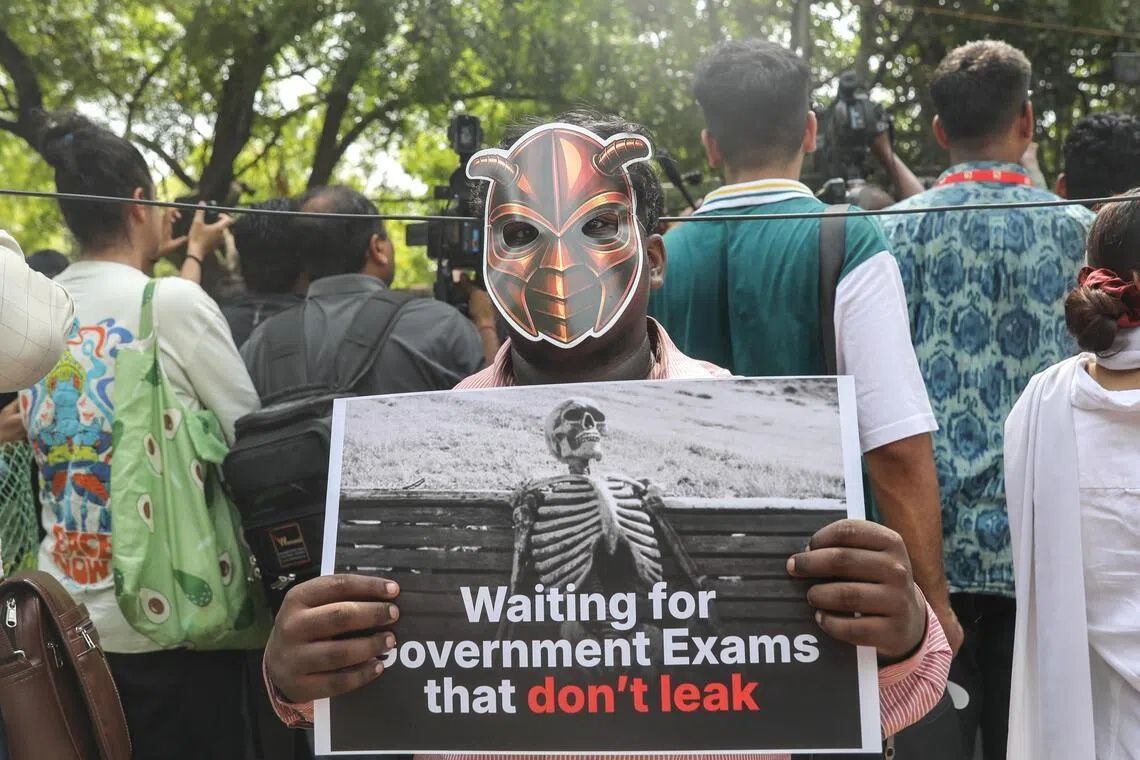
The leaked-paper controversy triggered a cascade of consequences that extended far beyond disappointed test-takers. Student groups and parents launched angry demonstrations demanding accountability, with Indian media reports documenting several teenage suicides linked to the stress and uncertainty surrounding the exam's cancellation. The scandal exposed not merely a technical oversight but what many saw as systemic negligence in safeguarding one of India's most consequential educational assessments. Compounding the crisis, a parallel controversy erupted involving the online marking system used to grade tests taken by nearly two million high school students, with widespread allegations that grades had been incorrectly assigned or matched to wrong candidates, further eroding public confidence in the examination machinery.
The National Testing Agency responded by deploying more than 200,000 officials across test centres nationwide, including dedicated police presence to prevent infiltration and tampering. Beyond physical security measures, the agency implemented what it termed a "multi-layered security framework" incorporating biometric authentication to verify test-taker identity, artificial intelligence-enabled camera surveillance to monitor examination halls in real time, and GPS tracking systems attached to question paper bundles to monitor their movement and prevent unauthorised distribution. These technological interventions represented a significant escalation from standard examination protocols and reflected the authorities' determination to prevent any recurrence of the previous breach.
The communications landscape became another battleground in the fight against cheating. Authorities moved to restrict access to the Telegram messaging application, recognising that the National Testing Agency had identified such platforms as primary channels through which cheating networks coordinated their activities and distributed leaked examination content to paying candidates. However, Telegram's founder Pavel Durov publicly questioned the effectiveness of such app-specific bans, arguing that restricting a single platform merely redirected cheating operations to alternative messaging services rather than addressing the fundamental problem. Durov pointed instead to the underlying vulnerability: individuals working within the examination system itself who sold confidential materials to criminal networks, a supply-side problem that no amount of app-blocking could solve without institutional reform.
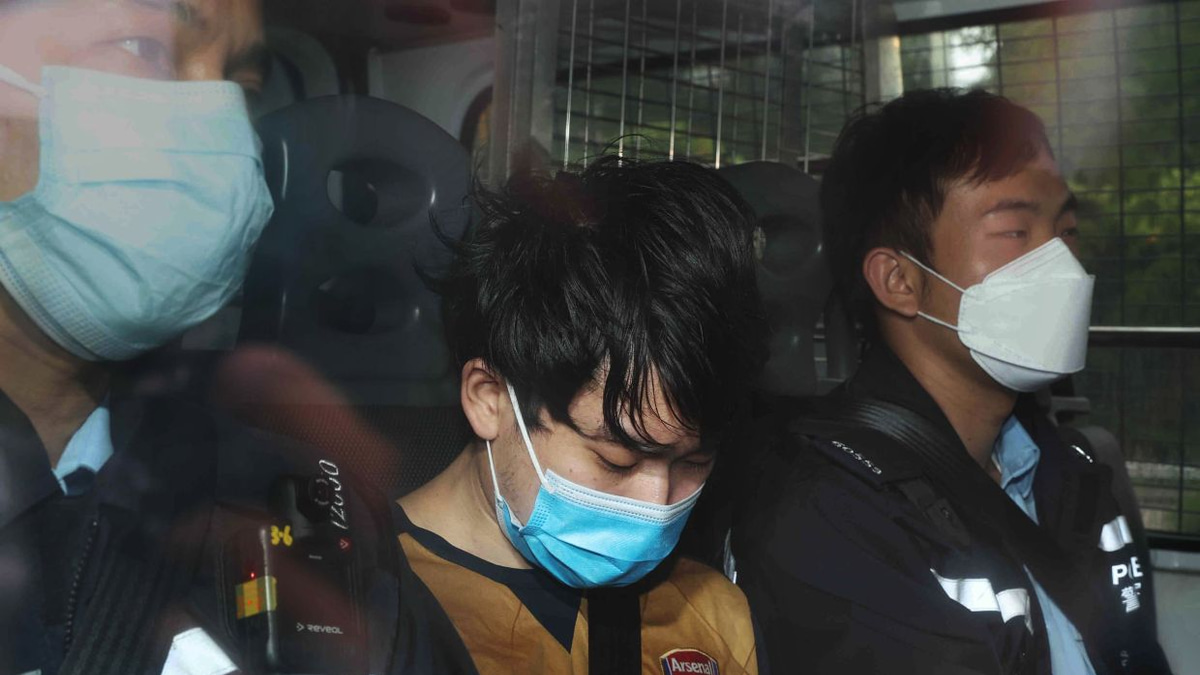
Investigative authorities made significant headway in pursuing the criminal network behind the leak. India's Central Bureau of Investigation arrested whom it identified as the mastermind orchestrating the scheme, a chemistry lecturer whose access to examination materials and professional credibility made him an ideal insider collaborator. This arrest provided crucial evidence that the breach involved systematic corruption reaching into educational institutions themselves rather than representing merely a technological security lapse. The existence of such organised criminal networks specialising in examination fraud reflects a broader challenge across South Asian education systems, where high competition for limited university seats creates enormous demand among desperate families willing to pay substantial sums for examination assistance.
The underlying economics driving examination fraud deserve attention from policymakers across the region. India's competitive entrance examination system creates an extraordinarily narrow funnel through which millions of students attempt to access prestigious institutions: approximately 2.2 million candidates compete annually for just over 100,000 undergraduate medical seats, generating competition ratios that make success feel impossible for most participants. This intense pressure has spawned a massive coaching industry charging substantial fees, while simultaneously creating lucrative opportunities for criminals willing to broker access to leaked papers or arrange other forms of examination fraud. Malaysian policymakers monitoring their own university entrance systems should note how such extreme competition ratios can catalyse systemic vulnerabilities and criminal exploitation.
The political fallout extended beyond institutional circles into popular culture and grassroots activism. A satirical movement termed the "Cockroach People's Party" emerged in May and rapidly accumulated millions of social media followers, using humour and mockery to express public frustration with governmental competence and education system failures. The movement explicitly demanded the resignation of Education Minister Dharmendra Pradhan, reflecting broader public perception that examination failures represented not technical glitches but failures of ministerial oversight and accountability. Such pressure from online activism represents an increasingly significant factor in Indian politics and demonstrates how examination scandals can generate sustained political momentum for reform.
The retest scheduling for 2 pm local time on Sunday aimed to minimise variables and ensure standardised conditions across all examination centres, though coordinating such a massive operation across India's vast geography and diverse infrastructure remains logistically challenging. The security apparatus assembled for this single examination represented an extraordinary commitment of resources and personnel, suggesting that authorities recognised the reputational stakes involved. A second failure would have been catastrophic for institutional credibility and would likely have intensified demands for ministerial resignation and systemic overhaul.
From a Southeast Asian perspective, India's examination crisis offers instructive lessons about the vulnerabilities inherent in high-stakes, competition-driven education systems. Malaysia, with its own university entrance mechanisms and competitive examinations, should note how examination integrity failures can rapidly erode public confidence in educational institutions and governmental competence. The incident also illustrates how globalised digital communication tools can facilitate examination fraud at unprecedented scale, requiring security responses that balance technological surveillance with protection of individual privacy and civil liberties. As regional education systems become increasingly competitive and digitised, governments must invest proactively in examination security frameworks before crises force emergency responses. India's deployment of biometric authentication, AI surveillance, and GPS tracking represents one approach, though questions remain about whether such measures address root causes or merely symptoms of systemic vulnerabilities rooted in excess demand and insufficient institutional safeguards.