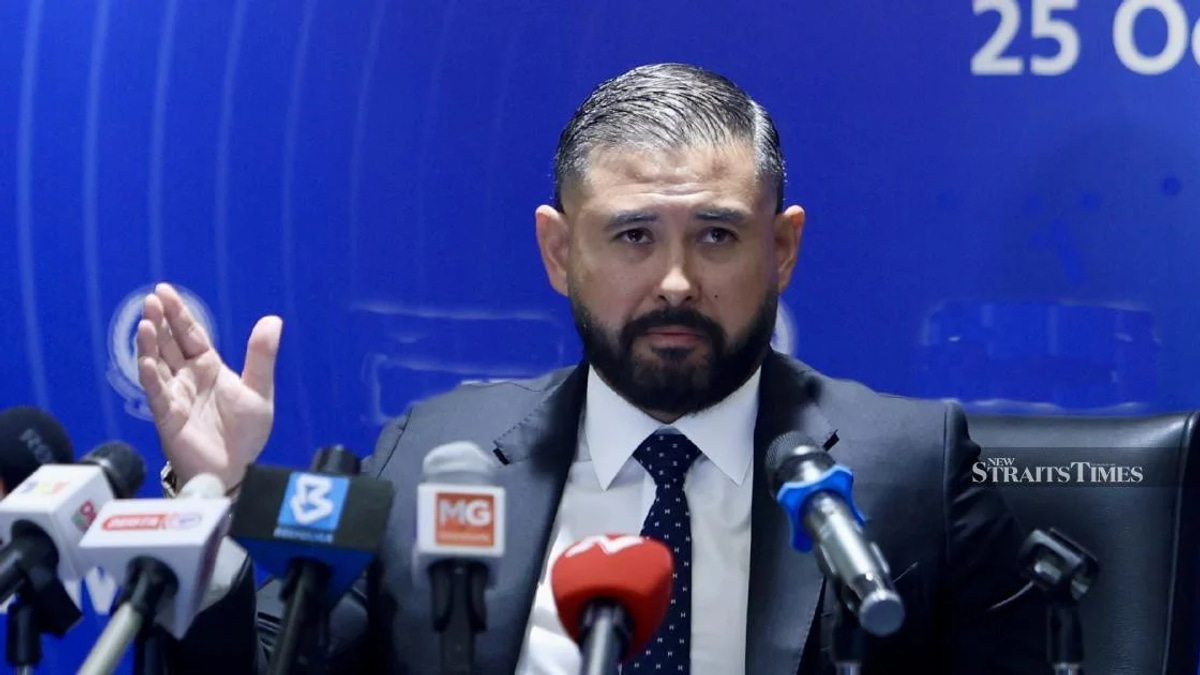
With state elections looming in Johor and Negeri Sembilan, Gerakan president Dominic Lau has sounded a clear warning about the perils of internal discord within the Perikatan Nasional coalition. Speaking to party members and observers, Lau emphasised that the immediate task facing the opposition alliance must be to keep its ranks unified rather than allow fissures to emerge during what promises to be a fiercely contested electoral period.
The timing of Lau's statement reflects growing concern among coalition partners about the fragile nature of opposition politics in Malaysia. Perikatan Nasional has long grappled with questions about durability and shared strategic vision, particularly when individual parties harbour divergent interests or regional priorities. Johor and Negeri Sembilan represent significant battlegrounds where the coalition's ability to present a coherent front will be tested against Barisan Nasional and, in some constituencies, PKR-led forces.
For Gerakan specifically, these state contests carry particular weight. As a smaller component of the PN alliance, the party's fortunes depend heavily on the coalition maintaining sufficient momentum and organisational cohesion to mount competitive challenges in target seats. A divided PN would inevitably disadvantage parties like Gerakan, which lack the grassroots machinery of larger players such as PAS or PKR.
The emphasis on preventing a coalition split underscores a fundamental vulnerability in Malaysian opposition politics. Previous attempts to build broad anti-government alliances have repeatedly fractured over power-sharing arrangements, ideological disagreements, or disputes over candidate selection and campaign strategy. The 2022-2023 period saw multiple iterations of coalition realignment, leaving many political observers sceptical about the capacity of opposition parties to maintain sustained unity.
Johor, historically a Barisan Nasional stronghold, represents a particularly high-stakes contest. The state remains economically significant and politically symbolic, with its representation in Parliament and state assembly carrying influence disproportionate to its population. A strong PN showing in Johor would signal momentum heading into any future general election, whereas a poor performance could trigger internal recriminations and accelerated coalition disintegration.
Negeri Sembilan, meanwhile, presents a different calculus. The state has demonstrated greater electoral volatility in recent contests, with voters showing willingness to shift allegiances between major coalitions. This unpredictability means that effective coordination between PN partners becomes even more critical; localised campaign missteps or rival parties poaching candidates could easily cost the coalition marginal seats.
Lau's intervention reflects a broader recognition that electoral success requires not merely policy platforms or charismatic leadership, but meticulous coordination of campaign machinery, careful negotiation over candidate deployment, and sustained messaging discipline. In both Johor and Negeri Sembilan, evidence of internal PN bickering—whether over ticket allocation, campaign financing, or strategic priorities—would provide ammunition for Barisan Nasional and potential rivals, potentially swaying undecided voters toward the established ruling coalition.
The Malaysian electoral context gives particular weight to such unity appeals. Unlike two-party systems where coalition discipline is somewhat simpler, Malaysia's multi-party landscape means that divided opposition coalitions easily hand victories to the incumbent. Split opposition votes in individual constituencies translate directly into lost seats, a dynamic that has repeatedly benefited Barisan Nasional despite declining overall popularity in many regions.
Gerakan's position as coalition advocate for unity also carries implicit messaging about the party's own relevance. By positioning itself as a stabilising force concerned with collective success rather than individual party advantage, Gerakan attempts to justify its continued membership in an alliance where it commands limited leverage. This framing serves internal party purposes as well, providing Lau with grounds to demand discipline from Gerakan divisions and constituencies.
Looking ahead, the success of Lau's unity messaging will be tested during candidate selection processes and campaign phases. These periods historically trigger maximum tension within opposition coalitions, as individual parties seek to maximise their representation and senior figures compete for prominent campaign roles. Maintaining the coalition discipline that Lau advocates will require sophisticated political management and genuine commitment from all PN partners to subordinate narrow interests to broader electoral objectives.
The stakes extend beyond immediate state election outcomes. How Perikatan Nasional performs in Johor and Negeri Sembilan will substantially influence the coalition's credibility heading into any future federal election. A cohesive campaign producing respectable results would vindicate the coalition model and strengthen arguments for opposition unity at the national level. Conversely, another episode of visible coalition fracturing would further erode public confidence in the opposition's capacity to govern and likely trigger a fresh round of coalition realignment among Malaysian political parties seeking maximum electoral advantage.