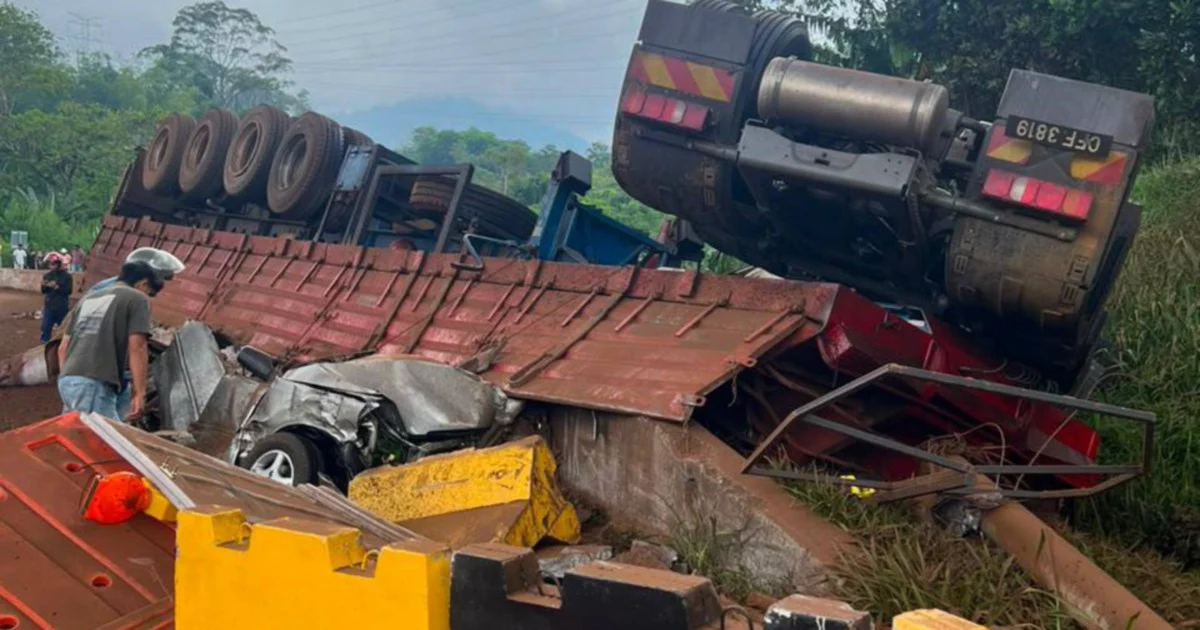
A trailer driver connected to one of the year's deadliest road accidents on the Karak Expressway has walked free on police bail as investigators continue piecing together the circumstances that led to the catastrophic collision. The driver, who was detained following the June 14 incident near Bentong that claimed four lives, was released pending further developments in the police inquiry and possible prosecution proceedings.
The fatal crash has intensified scrutiny of safety standards along the heavily trafficked Karak Expressway, a critical corridor linking Kuala Lumpur with the east coast that sees hundreds of articulated vehicles daily. The expressway, despite its importance to Malaysian commerce and regional connectivity, has developed a reputation for serious collisions involving large vehicles. The June 14 tragedy underscores persistent concerns about driver fatigue, vehicle maintenance, and speed enforcement on this vital transport artery, issues that have plagued Malaysian highways for years.
Police investigations typically extend over weeks when fatalities are involved, particularly with commercial vehicles where mechanical failure, driver conduct, and compliance with regulations must be thoroughly examined. The decision to release the driver on bail suggests investigators have gathered sufficient preliminary evidence to proceed without holding the individual in custody, though authorities retain the option to file charges depending on their findings. The police bail arrangement allows the investigation to continue while the driver remains available for questioning and further legal processes.
In Malaysia, road traffic fatalities involving commercial vehicles often raise questions about compliance with safety regulations, mandatory rest periods, and fitness-to-drive standards. Large vehicles such as trailers require specialized licensing and adherence to strict operational guidelines, yet enforcement remains inconsistent across different states. The Karak Expressway's design, with its challenging terrain and curves in certain sections, compounds risks when drivers are fatigued or vehicles are improperly maintained. Each serious incident provides evidence that current safety frameworks may require strengthening.
The loss of four lives in a single crash represents a significant tragedy for affected families and a stark reminder of road safety vulnerabilities in Malaysia. Statistics consistently rank the country among those with elevated road fatality rates in the Asia-Pacific region, prompting repeated calls from safety advocates for enhanced enforcement, driver training improvements, and infrastructure modifications. The Bentong collision adds to a growing body of incidents that demonstrate the consequences when critical safety systems fail or are circumvented.
Investigators will likely examine multiple factors in determining accountability. Vehicle inspection records, driver logbooks documenting rest periods, weather conditions at the time, and whether speed limits were observed all form part of standard crash investigations. Forensic analysis of the trailer and any vehicle it collided with, combined with witness statements and accident reconstruction, will help establish the sequence of events. Only after such comprehensive examination can authorities determine whether negligence, mechanical failure, or other factors precipitated the disaster.
The bail release indicates the investigation has progressed beyond initial fact-gathering, yet remains incomplete. Police in Malaysia typically maintain discretion regarding bail decisions in cases where evidence is still being compiled. The driver's availability for further questioning and potential court appearances will be essential as prosecutors determine whether sufficient grounds exist for formal charges. This procedural stage is standard but carries significant implications for all involved parties, as the outcome will partly depend on investigative findings over coming weeks.
Road safety remains a pressing public health concern across Malaysia, where preventable accidents claim thousands of lives annually. Commercial vehicle operators face mounting pressure to implement advanced safety technologies, enforce stricter driver training protocols, and maintain vehicles to the highest standards. The Karak Expressway's role as a major commercial corridor means that accidents involving heavy vehicles carry wider economic implications for businesses dependent on timely freight movement. Enhanced safety measures would benefit both public welfare and commercial interests.
The Bentong tragedy will likely reignite discussions within transport safety circles about regulatory reforms and enforcement intensity. Authorities have periodically launched crackdowns on traffic violations and vehicle standards, but sustainability of such initiatives remains questionable. The relatively frequent recurrence of fatal collisions on major expressways suggests that temporary campaigns prove insufficient without systemic, long-term improvements to infrastructure, regulation, and driver accountability mechanisms.
As the investigation progresses, the case will test Malaysia's judicial and investigative capacity to handle complex commercial vehicle accidents fairly and thoroughly. The outcome will send signals to the transport industry about enforcement expectations and potential legal consequences of breaching safety standards. For Malaysian road users, the incident reinforces the unpredictable dangers inherent in sharing expressways with large commercial vehicles, particularly when safety systems are inadequate or poorly enforced.
The police bail arrangement leaves the door open for prosecution if evidence warrants such action, ensuring that justice processes remain active. The coming weeks will determine whether charges are filed and, if so, what legal consequences the driver may face. Meanwhile, transport authorities should use this opportunity to revisit expressway safety protocols and consider measures that might prevent similar tragedies, reflecting a commitment to protecting the lives of drivers and other road users who depend on Malaysian highways daily.