Beijing police have dismantled a major fraudulent health centre operation that systematically exploited more than 100 elderly residents, extracting over 10 million yuan (US$1.5 million) through deceptive medical treatments and psychological manipulation. The breakthrough came when the family of a woman in her 60s, identified as Li, discovered she had spent 700,000 yuan (US$103,000) at a single clinic before authorities intervened. Investigators have arrested more than 30 individuals suspected of orchestrating the scheme, which operated across multiple districts in China's capital using a network of more than 20 illicit health centres masquerading as legitimate medical facilities.
The scam's ingenuity lay in its multifaceted approach to exploiting vulnerable seniors. Operators would position themselves as compassionate healthcare providers, meticulously remembering clients' birthdays and displaying attentiveness calculated to fill an emotional void in their lives. Many victims were affluent retirees living alone or emotionally isolated despite having adult children, making them prime targets for this predatory model. The clinics deliberately sought out gathering places frequented by the elderly, such as senior centres, offering complimentary "expert" medical consultations to lure unsuspecting participants into their web. This initial contact established trust and credibility before the actual exploitation began.
Once seniors became regular patrons, the fraudsters escalated their tactics by convincing them they suffered from serious health conditions requiring expensive, prolonged treatment protocols. Each session could cost tens of thousands of yuan, with some victims undergoing repeated treatments spanning months or years. The psychological pressure was relentless; when one victim attempted to cease treatment due to financial constraints, clinic staff reportedly urged her to pawn her gold bracelet, callously suggesting that material possessions were worthless compared to her supposed medical needs. This coercive language deliberately undermined victims' rational judgment and financial self-interest, normalising increasingly extravagant spending.
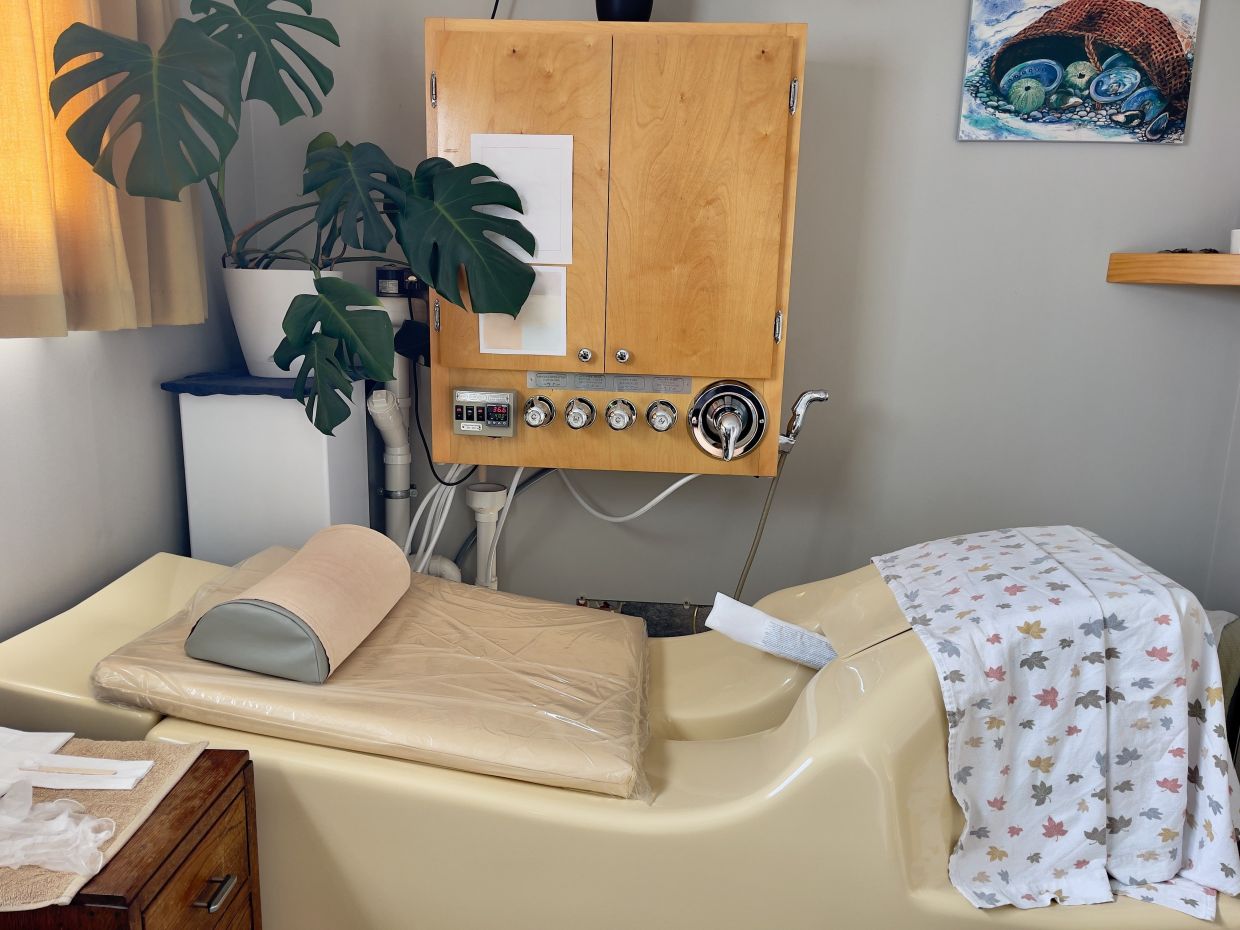
The centrepiece of the deception involved a fraudulent intestinal cleansing procedure. To convince seniors they harboured dangerous bodily toxins, perpetrators spiked the cleansing liquid with dark soy sauce, a common cooking ingredient used in Chinese cuisine for colouring food. When the liquid emerged visibly discoloured, victims interpreted the darkness as evidence of purported toxins being flushed from their bodies, reinforcing the narrative that they desperately needed ongoing treatment. This crude but effective theatrical element provided tangible "proof" of the supposed pathology, leveraging victims' limited understanding of medical procedures and their tendency to trust visual evidence presented by authority figures.
The operation achieved staggering financial success before unravelling. The combined turnover of the fraudulent network exceeded 30 million yuan (US$4.5 million), an abnormally high figure for legitimate small-scale health providers, which ultimately alerted authorities to suspicious activity. Individual cases revealed the scale of individual victimisation; one elderly person was fleeced of more than 2 million yuan (US$295,000). The architects of this scheme clearly understood that accumulated small transactions from multiple victims would prove less conspicuous than occasional large swindles, enabling the operation to persist longer before triggering regulatory scrutiny.
The vulnerability of China's elderly population provides crucial context for understanding why such schemes flourish. By the end of 2025, approximately 323 million Chinese citizens aged 60 and above constitute 23 percent of the nation's population. Within this demographic, roughly 60 percent are classified as empty-nesters, individuals either without children or whose adult children live separately, often in different cities pursuing economic opportunities. This structural separation creates profound loneliness and unmet emotional needs among seniors, whom the fraudsters systematically identified and targeted. The combination of financial resources, diminished social connection, and susceptibility to authority figures makes this population particularly susceptible to sophisticated exploitation schemes.
The Beijing case illustrates how conventional regulatory oversight often fails to protect vulnerable populations from predatory practices operating in grey zones between legitimate wellness services and outright criminal activity. Health centres, particularly those claiming to offer alternative or complementary treatments, frequently operate with minimal government supervision, allowing charlatans to establish credibility through professional-looking facilities and persuasive rhetoric. The involvement of multiple outlets across various districts suggests a coordinated criminal enterprise rather than isolated fraud, indicating the sophistication and scale of organised elder-targeting operations throughout urban China. Such networks deliberately fragment their operations geographically to reduce the likelihood of any single location accumulating sufficient complaints to trigger investigation.
The psychological manipulation tactics employed represent perhaps the most troubling dimension of this scam. Beyond financial exploitation, the perpetrators deliberately cultivated emotional dependency, positioning themselves as more attentive and caring than victims' own children. This deliberate cultivation of artificial familial bonds creates powerful psychological barriers to victims recognising the fraud, even when objective evidence emerges. Many seniors likely rationalised their expenditures as investments in health rather than recognising them as theft, making them reluctant to acknowledge victimisation or report crimes to family or authorities. The exploitation thus inflicts emotional damage alongside financial loss, eroding victims' trust in relationships and institutions.
The case underscores urgent need for comprehensive regulatory frameworks protecting China's rapidly ageing population from predatory health-related schemes. Industry observers emphasise that numerous similar operations continue functioning, offering free gifts and dubious wellness services to snare vulnerable seniors. Without strengthened oversight mechanisms, professional licensing requirements for health practitioners, and public education campaigns warning seniors of common fraud tactics, such operations will continue adapting their methods while targeting increasingly isolated elderly populations. The proliferation of alternative health services, often marketed through social media and community networks rather than formal channels, creates additional enforcement challenges for authorities attempting to distinguish legitimate practitioners from criminals.
For Malaysian and Southeast Asian readers, the Beijing case carries significant relevance as regional populations age rapidly and healthcare consumption patterns shift toward both conventional and alternative medicine. Similar fraudulent schemes targeting seniors have emerged across Southeast Asia, exploiting comparable demographic vulnerabilities and cultural reverence for authority figures in medical contexts. The sophistication of the Beijing operation, with its coordinated network spanning multiple locations and its psychological manipulation techniques, represents a template that criminal enterprises might replicate across the region. Regional governments and consumer protection authorities should note the necessity for proactive monitoring of health-related services targeting elderly populations, particularly those operating outside conventional medical frameworks.