%22%2F%3E%3C%2Fpattern%3E%3C%2Fdefs%3E%3Crect%20width%3D%22100%25%22%20height%3D%22100%25%22%20fill%3D%22url(%23ph2dkjhg)%22%2F%3E%3Crect%20width%3D%22100%25%22%20height%3D%22100%25%22%20fill%3D%22url(%23ph2dkjhp)%22%2F%3E%3Ctext%20x%3D%2250%25%22%20y%3D%2250%25%22%20text-anchor%3D%22middle%22%20dominant-baseline%3D%22central%22%20fill%3D%22rgba(255%2C255%2C255%2C0.95)%22%20font-family%3D%22Georgia%2C%20'Times%20New%20Roman'%2C%20serif%22%20font-weight%3D%22700%22%20font-size%3D%22272%22%20letter-spacing%3D%22-0.02em%22%3EAnwar%3C%2Ftext%3E%3C%2Fsvg%3E)
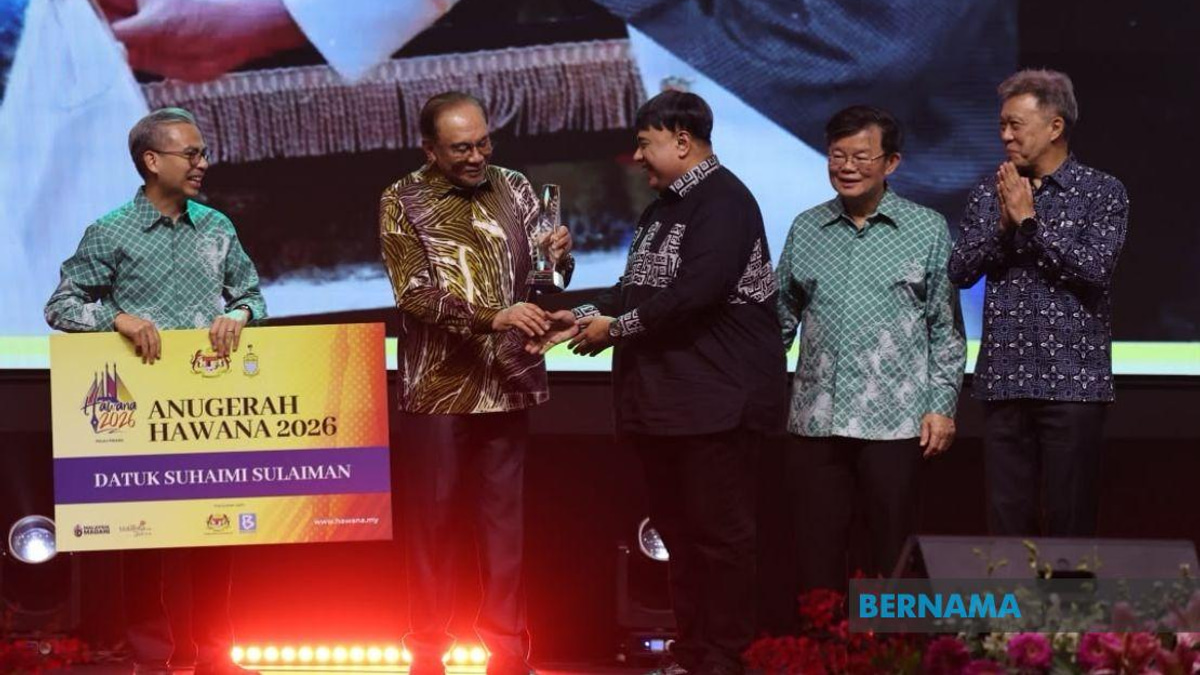
Prime Minister Datuk Seri Anwar Ibrahim is set to present the HAWANA journalism prizes alongside special commendation awards to journalists at the PICCA Convention Centre in Butterworth, marking a significant occasion for Malaysia's media industry. The event underscores the government's commitment to recognising exceptional work in journalism and strengthening ties between political leadership and the fourth estate at a time when media credibility and public trust remain central to democratic discourse.
The HAWANA awards represent one of the country's principal honours for journalistic excellence, celebrating reporters, editors, and media organisations that have demonstrated outstanding professionalism, investigative rigour, and contribution to public interest journalism. By presenting these accolades himself, Anwar signals the administrative priority placed on supporting quality journalism and fostering an environment where media professionals can execute their responsibilities with integrity. The inclusion of special awards alongside the main HAWANA prizes suggests recognition of additional merit across diverse categories within the profession.
The venue choice of the PICCA Convention Centre in Butterworth, located in Penang's commercial heartland, reflects deliberate geographic consideration. Butterworth serves as a key economic and administrative hub in the northern corridor, and hosting the awards ceremony there demonstrates commitment to recognising journalistic excellence beyond the capital, while also strengthening media-government relations across different states. The northern region has produced significant media contributions, and this platform acknowledges that excellence in journalism extends throughout Malaysia's diverse landscape.
For Malaysian journalists, such recognition carries practical and symbolic weight. Awards ceremonies that elevate professional standards encourage younger practitioners to pursue investigative work and quality reporting despite economic pressures facing the media industry. The government's visible endorsement of journalism through such events can help restore public confidence in media institutions during periods when trust in traditional news outlets faces challenges from misinformation and digital alternatives. Recognition by the highest political office validates the journalist's role as a crucial democratic institution.
The timing of the event also merits consideration within Malaysia's broader political context. As Anwar's administration continues implementing various policy initiatives and economic reforms, engaging directly with the media community and honouring journalistic excellence demonstrates receptiveness to scrutiny and accountability. Such gestures build constructive working relationships between government and press, essential for effective communication of policy decisions and their impacts to the Malaysian public. When political leaders publicly celebrate journalism, they implicitly accept the watchdog function media institutions perform in democratic systems.
The special awards component alongside traditional HAWANA prizes suggests differentiated recognition across various journalistic disciplines. Excellence in investigative reporting, business journalism, political coverage, and multimedia journalism likely each command individual consideration. This approach acknowledges that journalism encompasses diverse specialisations, each requiring distinct skill sets and contributing differently to public understanding. Malaysian journalists working across print, broadcast, and digital platforms would find representation in such comprehensive recognition frameworks.
For Southeast Asian journalists observing Malaysian developments, government-sponsored recognition of media excellence provides an encouraging signal about the region's commitment to press freedom and professional standards. Malaysia's approach to honouring journalism contributes to broader discussions about media development across ASEAN nations, many of which grapple with balancing press freedom with other governance priorities. Leadership that visibly supports journalistic excellence establishes benchmarks others might emulate.
The broader implications for Malaysian civil society extend beyond individual journalists receiving awards. When government leaders engage positively with media institutions, acknowledge their contributions, and celebrate professional achievement, they reinforce norms supporting independent journalism. These occasions remind audiences that journalism serves democratic values, investigates matters of public concern, and holds institutions accountable. In an era where media literacy requires constant reinforcement, such official recognition helps position quality journalism as a public good worthy of audience trust and financial support.
The awards ceremony also provides an opportunity for government officials and journalists to engage in substantive dialogue about emerging challenges within the profession. Economic sustainability of quality journalism, competition from social media, digital transformation, and protecting journalists from harassment represent ongoing concerns that formal occasions can address through panel discussions, networking, and direct conversation. Such engagement often produces more constructive outcomes than adversarial relationships between government and press.
For media organisations competing for the HAWANA prizes, winning represents validation of editorial decisions, resource allocation, and professional standards that guided their award-winning work. Recognition translates into recruitment and retention advantages, as journalists aspire to work for organisations that receive industry acknowledgement. This competitive dynamic elevates journalistic quality across the media landscape as organisations vie for recognition and talent gravitates toward excellence-focused outlets.
Anwar's participation emphasises that press freedom and professional journalism remain compatible with strong government engagement. Rather than viewing media with suspicion, the administration demonstrates confidence in journalism's role supporting informed public discourse. This approach contrasts with leadership models that restrict media access or criticise journalists as antagonists. By presenting awards directly, the Prime Minister positions his government as supportive of the institutions that scrutinise its performance.
The PICCA Convention Centre event will likely attract significant attendance from Malaysia's media fraternity, creating networking opportunities and professional community strengthening. Such gatherings reinforce professional identity among journalists and editors, fostering collegial relationships across competing news organisations united by shared professional standards. These communities prove valuable when journalists collectively address threats to press freedom or establish industry best practices.
Ultimately, the HAWANA awards ceremony represents more than ceremonial recognition. It embodies a government statement about valuing journalism's democratic functions, supporting professional excellence, and investing in media development. For Malaysian journalism and the broader Southeast Asian media landscape, such visible support from political leadership encourages continued commitment to quality reporting and investigative standards essential for informed democratic participation.