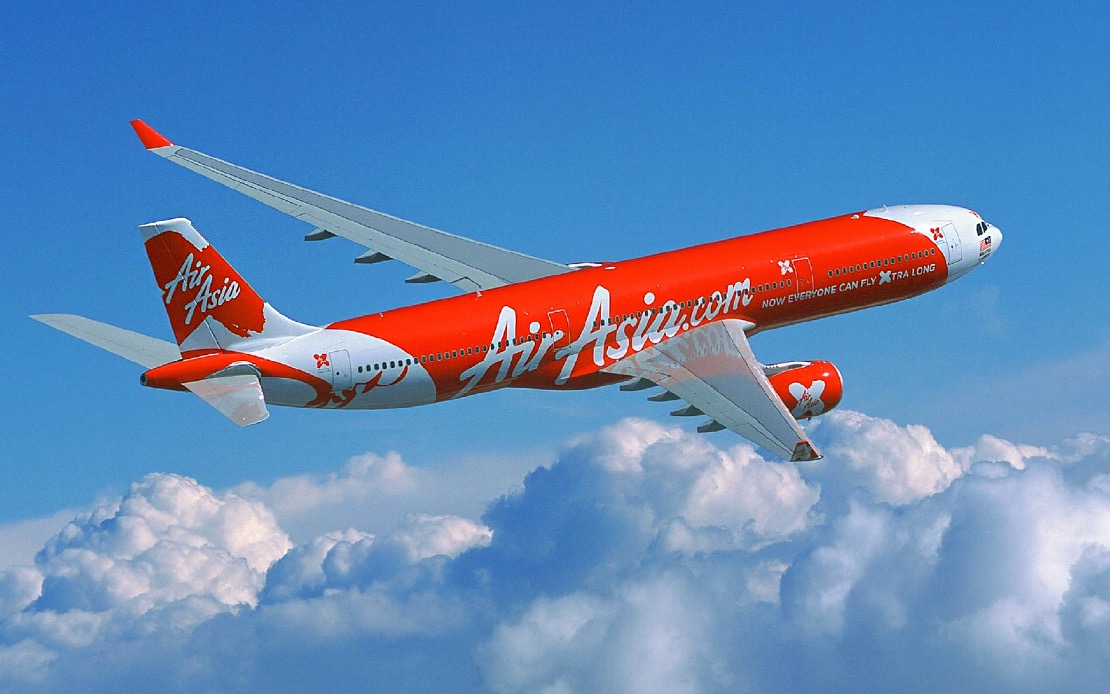
AirAsia has launched a direct air link between Jakarta and Kota Bharu, marking a significant development in Malaysia's regional connectivity strategy as the country prepares for the Visit Malaysia 2026 campaign. The inaugural flight AK2354, operated by a 180-seat Airbus A320, touched down at Sultan Ismail Petra Airport on June 18, carrying 117 passengers and achieving a load factor of approximately 63 per cent. The service represents a tangible effort to harness closer ties with Indonesia, one of Malaysia's most important source markets for tourism and business travel.
The opening of this route reflects a deliberate strategy to enhance accessibility to Kelantan's distinctive cultural and heritage offerings. With direct air access now available from Indonesia's capital, Kota Bharu is positioning itself as a gateway for Indonesian visitors seeking to experience authentic Malaysian tourism experiences. Tourism Malaysia has emphasised that the connection will facilitate easier market penetration for attractions such as Pasar Siti Khadijah, the historic Kampung Laut Mosque, traditional craftwork villages like Kampung Kraftangan, and the Stong Geopark, which collectively showcase Kelantan's rich traditions and natural heritage.
The timing of this route launch aligns strategically with Malaysia's broader Visit Malaysia 2026 agenda, which aims to consolidate the nation's competitive position in Southeast Asian tourism. Mohd Amirul Rizal Abdul Rahim, director-general of Tourism Malaysia, characterised the new service as instrumental in strengthening Malaysia's connectivity profile across the region. He highlighted that the direct link removes geographical and logistical barriers that previously deterred casual visitors from neighbouring Indonesia, potentially opening pathways for significantly higher visitor flows than previously achievable through indirect routing.
Beyond leisure tourism, industry officials have identified complementary economic opportunities embedded within this connectivity initiative. The route is expected to stimulate medical tourism, a high-value segment where Indonesian patients travel to Malaysia for specialised healthcare services. Additionally, the improved access facilitates business travel and trade activities, leveraging the proximity and cultural similarities between Kelantan and Indonesian regions. These multidimensional benefits extend beyond simple visitor numbers, potentially creating employment and revenue streams across multiple sectors including hospitality, retail, healthcare, and transportation services.
Kelantan's tourism director Azwan Ab Rahman has articulated a broader regional vision for the route's impact. Beyond serving as a destination endpoint, Kota Bharu can function as a transit hub for travellers onward to southern Thailand's attractions or East Coast resort islands such as Perhentian and Redang. This positioning transforms Kelantan from a standalone destination into a critical node within a broader regional travel network, potentially increasing visitor dwell times in the area and encouraging multi-destination itineraries that distribute economic benefits across the entire East Coast.
The load factor of 63 per cent on the inaugural flight suggests reasonable market demand, though substantial growth potential remains. The passenger composition—including visitors from Indonesia, Thailand, and the Philippines alongside Malaysian returnees—indicates that the route appeals to diverse traveller segments rather than serving a narrow niche market. This diversity should provide a stable foundation for route viability while allowing capacity adjustments as demand patterns stabilise and market awareness increases.
From an aviation perspective, AirAsia's commitment to this route reflects broader industry trends favouring point-to-point connectivity over hub-and-spoke models. Datuk Captain Fareh Mazputra's statement regarding the airline's focus on underserved destinations with major regional hubs underscores a commercial strategy that identifies Kota Bharu as having sufficient latent demand to justify direct service. This positioning challenges earlier assumptions that secondary cities could only sustain traffic through major hub connections, potentially opening opportunities for other Malaysian cities with strong cultural or economic fundamentals.
Regional capacity statistics reveal substantial air connectivity infrastructure between Malaysia and Indonesia. As of April 2026, 634 weekly flights operate across the bilateral route network, offering combined weekly capacity exceeding 114,806 seats. The addition of AirAsia's Jakarta–Kota Bharu service, though incrementally modest in scale, reflects ongoing confidence in the growth trajectory of bilateral travel demand. This expanded capacity suggests both governments view enhanced people-to-people connectivity as strategically important for strengthening economic and cultural relationships.
The implications for Malaysian tourism policy extend beyond Kelantan's borders. The success of this route could validate the Visit Malaysia 2026 strategy's emphasis on distributing international visitor flows beyond Kuala Lumpur and established corridor destinations. If the Jakarta–Kota Bharu service achieves sustainable growth, it may encourage both AirAsia and competing carriers to evaluate similar connections to other secondary cities possessing distinctive cultural or natural assets. This would align with global tourism trends favouring authentic, locally-rooted experiences over standardised urban tourism products.
From an Indonesian perspective, the route facilitates emerging demand among middle-class consumers for cultural tourism experiences. Kelantan's Islamic heritage sites, traditional crafts, and Malay-Muslim cultural expressions hold particular appeal for Indonesian visitors seeking destinations that reinforce cultural identity while offering geographic novelty. This cultural affinity, combined with competitive Malaysian pricing and healthcare quality, positions the Kota Bharu market as attractive for Indonesian consumer spending that might otherwise remain domestically circulated.
Sustaining momentum from the inaugural service will require coordinated effort across multiple stakeholders. Tourism promotion, hospitality infrastructure development, and strategic pricing by AirAsia will collectively determine whether the 63 per cent load factor expands toward industry-standard 80 per cent targets. Kelantan state authorities should capitalise on this connectivity window to enhance visitor amenities and market the destination more aggressively within Indonesia.
Looking forward, the Jakarta–Kota Bharu connection represents a testing ground for Malaysia's ability to internationalise secondary cities through targeted air connectivity. If this route becomes financially sustainable and generates measurable economic benefits, it may catalyse further aviation development across the East Coast region, fundamentally transforming regional tourism geography and economic opportunity distribution.