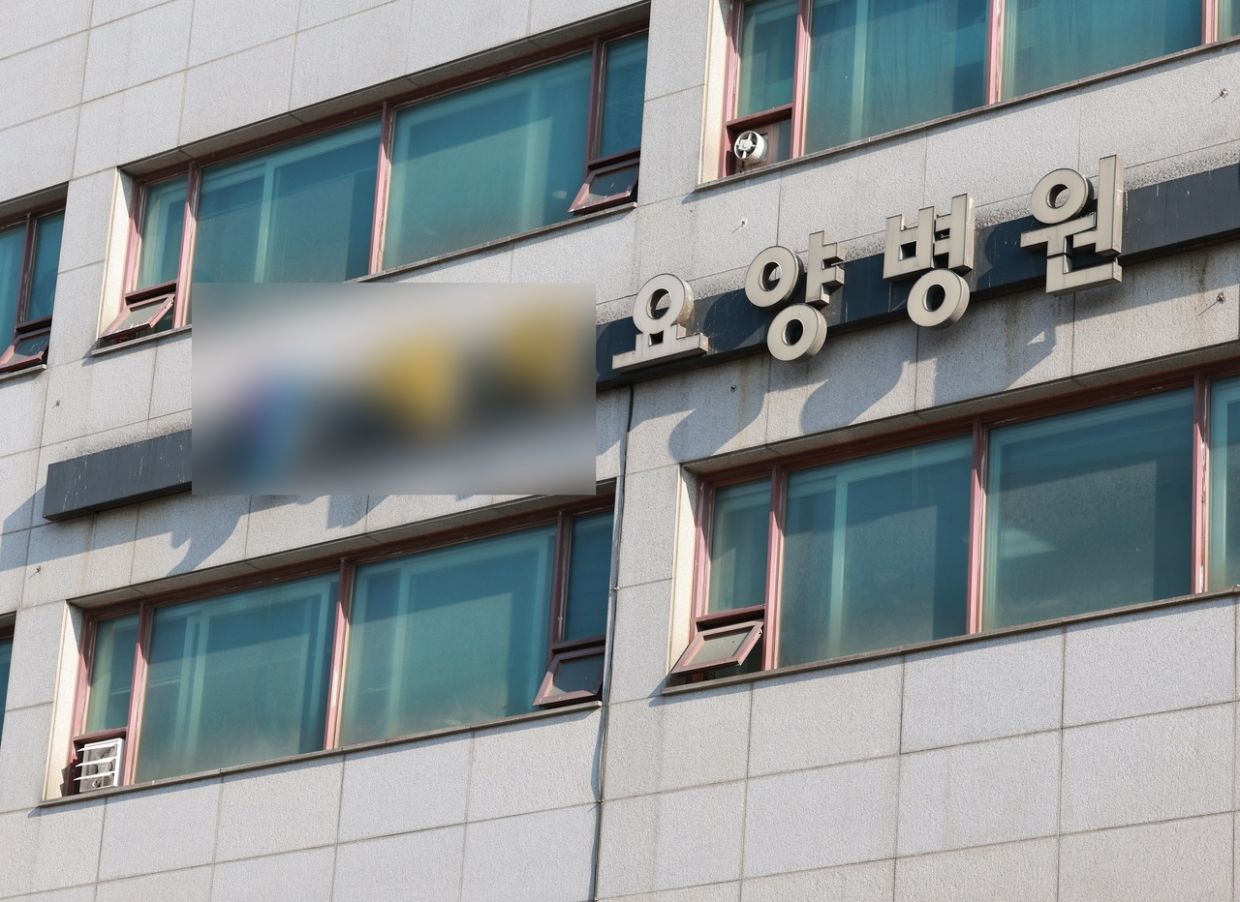
Police in Incheon have concluded their investigation into a severed human leg discovered at a recycling facility last month, determining that the limb was inadvertently thrown away as waste by a local nursing hospital rather than disposed of through proper medical channels. The discovery, made on June 10 at the Southern Regional Resource Recovery Centre, prompted authorities to launch a formal inquiry that has now revealed significant lapses in how the medical facility handled its biological waste protocols.
The leg belonged to an elderly female patient in her 80s who underwent amputation at a Jung-gu nursing hospital in Incheon. According to police accounts released on Friday, June 19, a member of the hospital's cleaning staff in their 60s made the critical error of placing the amputated limb among general refuse destined for recycling, mistakenly believing it to be part of a mannequin or similar inanimate object. This misidentification set in motion a chain of events that would expose serious procedural shortcomings within the facility's waste management system.
The discovery process itself highlights the role that recycling facilities play as unexpected checkpoints in public safety. When the leg was found at approximately 2.28 pm on June 10, workers immediately alerted authorities, prompting the National Forensic Service to conduct preliminary analysis. Forensic experts confirmed that the limb belonged to an adult, which then allowed investigators to establish a direct connection to the Jung-gu hospital. Subsequent DNA testing verified that the leg matched the patient's biological profile, confirming the hospital's own admission that the body part originated from their facility.
The case has thrown into sharp relief the regulatory framework governing medical waste disposal in South Korea. Under the nation's Wastes Control Act, medical waste must be segregated from general refuse and placed in government-designated containers, a requirement that was clearly not followed in this instance. The nursing hospital's failure to properly classify and dispose of the amputated limb represents a straightforward breach of these statutory obligations, exposing the institution to potential legal consequences and raising questions about the training and supervision of its cleaning staff.
Beyond waste management violations, police are now examining whether the hospital contravened the Medical Service Act in connection with the amputation procedure itself. Unconfirmed allegations suggest that the nursing facility may lack the necessary medical equipment and infrastructure to legally perform such surgical procedures, a matter that investigators are treating with considerable seriousness. The implications of such a finding would be far more severe than simple waste disposal errors, potentially indicating that the patient underwent a major surgical intervention in a facility not properly licensed or equipped for such intervention.
The circumstances surrounding the patient's admission add another dimension to the inquiry. According to testimony provided by the patient's family members, the elderly woman was transferred to this nursing hospital only after other medical institutions refused to accept her due to her declining health status. This detail raises troubling questions about healthcare access for elderly and vulnerable patients in South Korea, and whether financial or administrative constraints may have pushed the family toward a facility with questionable capabilities. The decision to proceed with amputation in such circumstances requires thorough review by appropriate authorities.
Investigators have determined that the discovery of the leg does not suggest any criminal foul play or intentional wrongdoing on the part of hospital personnel. The sequence of events appears to stem from genuine misunderstanding and procedural negligence rather than deliberate misconduct. However, negligence that results in public health hazards remains a serious matter warranting formal accountability, particularly when it involves human remains in public spaces.
Police officials acknowledged during their Friday briefing that they have not yet identified a specific provision within the Medical Service Act that would permit criminal prosecution, but authorities are far from closing the matter. Instead, investigators plan to consult extensively with multiple stakeholders including the Korean Medical Association, the Ministry of Health and Welfare, and legal experts before formulating their final conclusions. This consultative approach reflects the complexity of the case and the potential jurisdictional overlaps between waste management regulations and healthcare licensing laws.
For Malaysia and other Southeast Asian nations with similar healthcare regulatory systems, this case serves as a cautionary example of how procedural breakdowns at individual facilities can create broader public health and safety concerns. The incident underscores the importance of comprehensive staff training, clear segregation protocols for medical waste, and robust internal auditing to ensure compliance with statutory requirements. Many developing healthcare systems in the region operate under resource constraints that can lead to similar shortcuts and oversights, making the South Korean case a relevant reference point for policymakers and hospital administrators seeking to strengthen institutional safeguards.
The nursing hospital in question now faces an uncertain regulatory future as various government agencies conduct overlapping investigations into its operational standards. Whether the institution will face administrative penalties, licence restrictions, or more severe sanctions remains to be determined, pending consultation with relevant professional and governmental bodies. The case also highlights the need for South Korean healthcare authorities to clarify and strengthen accountability mechanisms for facilities that provide care to elderly and medically vulnerable populations.


%22%2F%3E%3C%2Fpattern%3E%3C%2Fdefs%3E%3Crect%20width%3D%22100%25%22%20height%3D%22100%25%22%20fill%3D%22url(%23ph32kpdg)%22%2F%3E%3Crect%20width%3D%22100%25%22%20height%3D%22100%25%22%20fill%3D%22url(%23ph32kpdp)%22%2F%3E%3Ctext%20x%3D%2250%25%22%20y%3D%2250%25%22%20text-anchor%3D%22middle%22%20dominant-baseline%3D%22central%22%20fill%3D%22rgba(255%2C255%2C255%2C0.95)%22%20font-family%3D%22Georgia%2C%20'Times%20New%20Roman'%2C%20serif%22%20font-weight%3D%22700%22%20font-size%3D%22170%22%20letter-spacing%3D%22-0.02em%22%3EMalaysia%3C%2Ftext%3E%3C%2Fsvg%3E)