%22%2F%3E%3C%2Fpattern%3E%3C%2Fdefs%3E%3Crect%20width%3D%22100%25%22%20height%3D%22100%25%22%20fill%3D%22url(%23phhvlbg)%22%2F%3E%3Crect%20width%3D%22100%25%22%20height%3D%22100%25%22%20fill%3D%22url(%23phhvlbp)%22%2F%3E%3Ctext%20x%3D%2250%25%22%20y%3D%2250%25%22%20text-anchor%3D%22middle%22%20dominant-baseline%3D%22central%22%20fill%3D%22rgba(255%2C255%2C255%2C0.95)%22%20font-family%3D%22Georgia%2C%20'Times%20New%20Roman'%2C%20serif%22%20font-weight%3D%22700%22%20font-size%3D%22320%22%20letter-spacing%3D%22-0.02em%22%3E24%3C%2Ftext%3E%3C%2Fsvg%3E)
Twenty-four Filipino nationals held in Russian custody for approximately nine months touched down at Ninoy Aquino International Airport early Sunday morning, concluding a diplomatic effort that saw President Ferdinand R. Marcos Jr personally advocate for their release during high-level talks with Russian President Vladimir Putin. The detainees arrived in two separate waves via the Thai capital, with the first group of six disembarking from Philippine Airlines Flight PR737 shortly after midnight, followed by the remaining eighteen passengers aboard flight PR733. The successful repatriation marks a rare diplomatic win amid rising geopolitical tensions and underscores the renewed engagement between Manila and Moscow at governmental level.
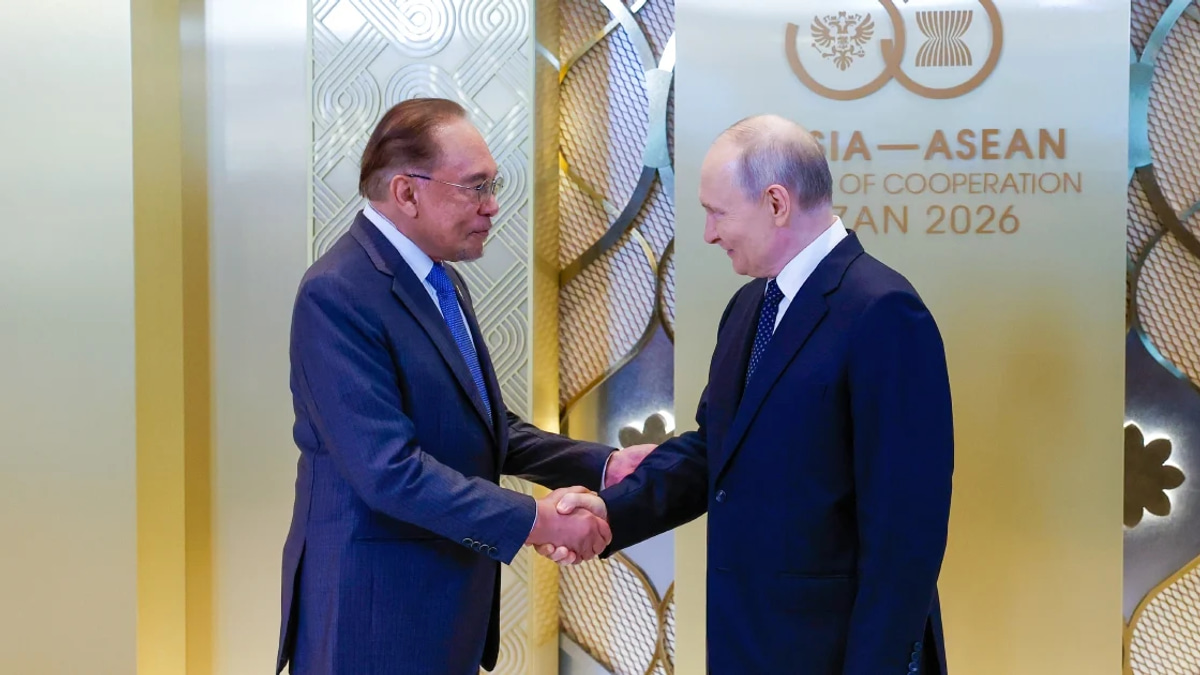
The return of these nationals was secured following Marcos's bilateral meeting with Putin on the sidelines of the ASEAN-Russia Commemorative Summit held in Kazan earlier this week. During their encounter, the Philippine president directly addressed the detention case, prompting Putin's administration to facilitate the coordinated release with Philippine authorities. This intervention demonstrates how personal diplomatic channels between heads of state can yield tangible results for ordinary citizens caught in complex legal situations abroad, a lesson particularly relevant for Southeast Asian nations with significant diaspora populations vulnerable to international complications.
Foreign Affairs Secretary Maria Theresa Lazaro and Migrant Workers Secretary Hans Cacdac received the returning Filipinos at the airport, signalling the high-level governmental attention accorded to their homecoming. The repatriation operation itself required careful coordination between multiple Philippine agencies, including the Department of Foreign Affairs, the Department of Migrant Workers, and the Overseas Workers Welfare Administration, working in tandem with Russian counterparts to execute the smooth transfer of detainees across international borders.
The detained individuals had been held in Irkutsk, a major city in southeastern Siberia, where they languished without formal charges being filed against them. Initial investigations by Philippine officials suggested these workers may have become ensnared in trafficking schemes, unwitting victims of illegal recruitment operations that promised lucrative employment abroad before delivering them into a precarious and illegal immigration status. Such cases illuminate the persistent vulnerability of migrant workers who venture overseas seeking better economic prospects, only to encounter unscrupulous intermediaries who exploit information asymmetries and desperation.
The circumstances surrounding their detention reveal a disturbing pattern common across Southeast Asia, where organised networks profit from luring economically disadvantaged workers with false promises. These Filipinos were apparently transported to Russia under fraudulent pretences, then apprehended for immigration violations rather than being identified as trafficking victims requiring protection and assistance. The distinction matters significantly, as framing them as offenders rather than victims can delay repatriation and complicate their reintegration process back home.
Marcus extended formal gratitude to Putin and the Russian government for their cooperation in resolving the matter, a diplomatic gesture that reflects Manila's desire to maintain constructive bilateral relations despite broader geopolitical fractures. Russia's willingness to release these nationals without extensive legal proceedings suggests receptiveness to humanitarian considerations, though observers note such goodwill may fluctuate depending on diplomatic relations and broader international circumstances.
The Philippine government has committed to providing comprehensive reintegration support for the returnees, recognising that nine months of arbitrary detention in a foreign country creates profound psychological, social, and economic trauma. Authorities plan assistance programmes to facilitate their readjustment to civilian life in the Philippines while simultaneously launching formal investigations into the recruitment networks and traffickers responsible for their predicament. Such investigations are essential not merely for individual accountability but for dismantling organised recruitment schemes that continue victimising other potential migrants.
This incident carries significant implications for Southeast Asia's broader migrant worker ecosystem. The Philippines alone has roughly twelve million nationals working abroad, remitting hundreds of billions of dollars annually that sustain economic activity across the region. Protecting these workers from exploitation, trafficking, and legal entrapment remains a critical development challenge that demands coordinated regional action, stronger vetting mechanisms for overseas employers, and more robust diplomatic intervention protocols when citizens face detention abroad.
The successful repatriation also highlights the importance of maintaining diplomatic channels with countries like Russia, even amid global tensions and sanctions regimes. While geopolitical competition intensifies, humanitarian issues affecting ordinary citizens transcend ideological divides and provide opportunities for pragmatic cooperation. For Malaysia and other Southeast Asian nations, the Philippine case study demonstrates that sustained high-level diplomatic engagement, when coupled with institutional coordination between labour, foreign affairs, and welfare ministries, can achieve positive outcomes for citizens caught in international legal predicaments.
Moving forward, the regional lesson extends to preventive measures. Southeast Asian governments would benefit from enhanced pre-departure briefings for migrant workers, stronger partnerships with reputable international recruitment agencies, and rapid-response diplomatic mechanisms that activate when citizens face detention or trafficking situations abroad. The Philippines' experience with these 24 nationals underscores both the possibilities and limitations of diplomatic intervention, ultimately affirming that protection begins at home through rigorous vetting of employment opportunities and awareness-raising among vulnerable populations considering overseas work.