The escalating debate over pre-election leadership announcements in Johor has intensified with PKR vice-president Datuk Seri Dr Zaliha Mustafa launching a pointed critique at Johor Barisan Nasional chairman Datuk Onn Hafiz Ghazi. Her challenge centres on what she characterises as an inconsistent and contradictory approach to the timing and necessity of naming political leadership before voters head to the polls in the southern state.
Zaliha's intervention signals deepening tensions within Malaysia's political establishment over campaign conventions and transparency. The dispute has moved beyond routine electoral positioning into questions about the legitimacy and strategic value of frontloading leadership announcements—a matter that carries broader implications for how opposition coalitions and ruling alliances approach voter engagement in competitive state contests.
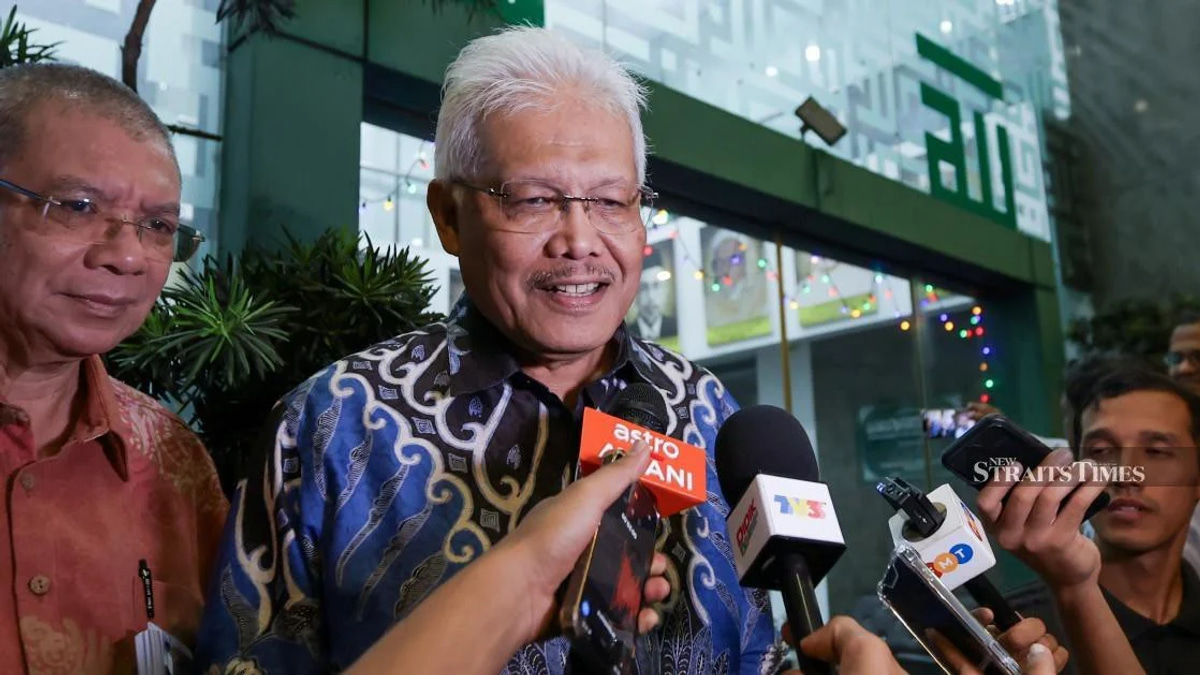
Onn Hafiz has persistently demanded that Pakatan Harapan publicly declare its menteri besar candidate before the Johor election, framing this disclosure as essential information voters deserve. This public stance has become a central talking point in his campaign messaging, with the BN figure presenting early announcement as a mark of transparency and democratic accountability that the opposition coalition allegedly lacks.
However, Zaliha's rejoinder exposes what she views as a fundamental inconsistency in this position. Her questioning implicitly highlights that Barisan Nasional itself has not necessarily adhered to the same standard in previous electoral cycles, and that the demand placed upon Pakatan Harapan may reflect tactical advantage-seeking rather than genuine principle. By asking "which is it," Zaliha forces observers to examine whether such demands are universal commitments or selective political weaponry deployed when circumstances favour one coalition over another.
The timing of this exchange carries significance beyond rhetoric. Johor remains a crucial battleground in Malaysian politics—historically a BN stronghold that has nonetheless come under renewed opposition pressure in recent election cycles. Any state-level contest there reverbates across the peninsula, influencing perceptions of momentum and viability for both major coalitions as they prepare for eventual federal-level contests.
For Pakatan Harapan, early announcement of a menteri besar candidate carries distinct risks and benefits. Naming a figure prematurely could invite sustained personal attacks, allow opponents to coalesce messaging against a specific individual, or expose the coalition to defection attempts targeting their designated leader. Conversely, maintaining flexibility on leadership selection until closer to polling day preserves strategic options and prevents premature crystallisation of intra-coalition tensions over the prize.
Barisan Nasional's public insistence on transparency from the opposition may partially reflect confidence in Onn Hafiz's own standing as the presumed BN candidate for the role, allowing the coalition to project incumbency advantages and establish their leadership narrative early. Yet as Zaliha's critique suggests, this demand sits uneasily with historical BN practice when the situation was reversed—raising questions about whether the standard represents genuine conviction or contextual convenience.
The broader Malaysian electorate has shown increasing sophistication in distinguishing between substantive policy commitments and tactical positioning. Voters in Johor, particularly those in urban centres and younger demographics, increasingly expect clarity on governance plans and leadership credentials regardless of which coalition puts them forward. Both BN and PH face pressure to demonstrate that their leadership choices will translate into effective state administration rather than factional reward or personal advancement.
Zaliha's intervention also reflects evolving dynamics within PKR and Pakatan Harapan more broadly. As a senior party figure and vice-president, her willingness to directly challenge BN framing suggests the coalition is adopting a more assertive communications strategy rather than appearing defensive about its internal processes. This represents a shift from earlier periods when opposition coalitions might have simply capitulated to such demands or remained silent.
The menteri besar question ultimately encapsulates deeper anxieties about coalition stability and governance legitimacy in Malaysia's current political environment. Which coalition can promise voters not merely electoral victory but sustained, unified governance after polling day? Johor's particular sensitivity—as a state with historical significance to BN and a proving ground for opposition expansion—means that how this leadership question resolves will influence broader perceptions of both alliances' readiness to govern.
As Johor moves closer to eventual electoral contest, expect intensifying scrutiny of both coalitions' governance capacity and leadership credentials. Zaliha's challenge to Onn Hafiz suggests that Pakatan Harapan will not simply accept the BN narrative frame uncritically. Instead, opposition figures will increasingly highlight inconsistencies in their rivals' positions, forcing voters to evaluate competing claims about transparency and accountability against each side's actual track record.