%22%2F%3E%3C%2Fpattern%3E%3C%2Fdefs%3E%3Crect%20width%3D%22100%25%22%20height%3D%22100%25%22%20fill%3D%22url(%23ph2z69fg)%22%2F%3E%3Crect%20width%3D%22100%25%22%20height%3D%22100%25%22%20fill%3D%22url(%23ph2z69fp)%22%2F%3E%3Ctext%20x%3D%2250%25%22%20y%3D%2250%25%22%20text-anchor%3D%22middle%22%20dominant-baseline%3D%22central%22%20fill%3D%22rgba(255%2C255%2C255%2C0.95)%22%20font-family%3D%22Georgia%2C%20'Times%20New%20Roman'%2C%20serif%22%20font-weight%3D%22700%22%20font-size%3D%22194%22%20letter-spacing%3D%22-0.02em%22%3EUnusual%3C%2Ftext%3E%3C%2Fsvg%3E)
An uncommon weather phenomenon struck the Bercham area of Ipoh yesterday evening, leaving a trail of destruction across multiple residential zones. Ipoh Barat Member of Parliament M. Kulasegaran, who serves as Deputy Minister in the Prime Minister's Department (Law and Institutional Reform), described the incident as unprecedented for the region, with preliminary assessments showing more than 240 residential properties and eight commercial premises sustaining damage. The storm, which meteorologists believe was caused by a landspout—a rare and localised vortex typically associated with severe weather conditions—has prompted a coordinated emergency response from federal and state authorities.
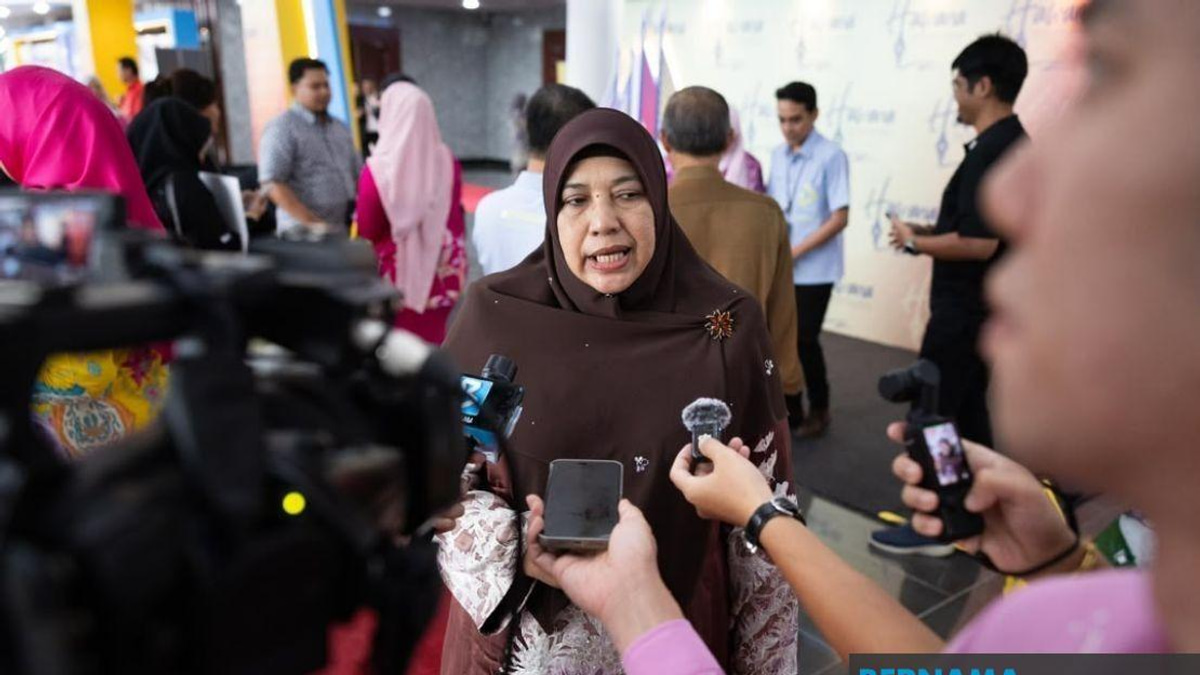
Kulasegaran's inspection of victim registration centres revealed the scale of the unprecedented event. Speaking at Dewan Senator Dato' Shamsuddin in Kampung Tersusun Tasek, the legislator emphasised that residents of Bercham had not experienced such destructive weather in living memory. Whilst the region has weathered storms previously, those incidents primarily resulted in fallen trees and minor structural damage. By contrast, the June 19 event demonstrated the violent force of a small typhoon, with roofs torn away, utilities damaged, and entire neighbourhoods disrupted within minutes. The storm struck at approximately 3 pm, a time when many residents were at home and in their yards, though fortunately no fatalities were reported.
The coordination of relief efforts has involved multiple government agencies working in tandem to address immediate needs. The Social Welfare Department (JKM) has partnered with village headmen and local authorities to distribute emergency assistance to affected households. Kulasegaran has advised residents to file police reports documenting their losses, a crucial step that facilitates the processing and distribution of government aid packages. The police are maintaining detailed records of damages to ensure comprehensive coverage and prevent duplication of relief efforts across the affected zones.
According to Ipoh district police chief ACP Muhammad Najib Hamzah, authorities had recorded 121 formal damage reports as of the morning after the incident, though the actual figure is likely considerably higher. Some homeowners remain away on vacation, whilst others have rented their properties to tenants who may not yet have assessed the full extent of damage. This temporary gap in reporting means that final casualty figures for homes and property losses could increase substantially once all occupants have returned and completed inspections. The police have strategically closed access to affected areas and stationed patrols to maintain security and facilitate repair work, preventing looting or further accidents in the disrupted neighbourhoods.
Repair and reconstruction efforts have begun with remarkable speed. The Implementation Coordination Unit (ICU) of the Prime Minister's Department mobilised contractors immediately, with Kulasegaran indicating that repair operations commenced urgently given the threat of continued rainfall. Many homes now lack proper roofs, leaving residents vulnerable to water infiltration during monsoon conditions. This immediate action to secure damaged properties represents a critical priority, as delayed repairs could compound the initial damage and place additional financial strain on households already grappling with unexpected losses.
The Perak Civil Defence Force (APM) has deployed its specialist teams to manage the immediate aftermath. Captain (PA) C. Sehgar, the APM's special operations chief, confirmed that the force responded to numerous reports of uprooted trees, compromised electrical infrastructure, and structural damage to residential buildings. Significantly, the majority of these hazards have already been addressed, preventing secondary incidents and casualties. The Ipoh City Council (MBI) is conducting comprehensive clean-up operations with APM support, clearing debris and restoring basic services to affected neighbourhoods. This multi-agency approach ensures that safety risks are contained whilst reconstruction can proceed.
The phenomenon that caused this damage—a landspout—represents a meteorologically distinct event from conventional tornadoes or derechos. Landspouts typically form when atmospheric conditions create rapidly rotating columns of air near the ground, often developing from otherwise benign-appearing weather systems. The Bercham incident suggests that localised atmospheric instability combined with specific topographical features in the Perak region may have created optimal conditions for this rare weather event. Understanding why such phenomena occur in previously unaffected areas has implications for regional climate resilience planning and early warning systems across Malaysia.
For residents across Ipoh and the broader Perak state, the Bercham storm serves as a sobering reminder of nature's unpredictability and the vulnerability of established communities to sudden extreme weather. Whilst Malaysia experiences frequent tropical storms and heavy monsoon rainfall, violent rotational phenomena of this magnitude remain rare and have historically received less attention in disaster preparedness planning than flooding or landslides. The response to this event may prompt meteorological services and civil defence agencies to enhance monitoring capabilities and develop more sophisticated early warning systems for localised severe weather events.
The economic impact of this disaster extends beyond the immediate housing damage to encompass broader community disruption. Affected residents must navigate insurance claims, sourcing materials amid potential supply constraints, and temporary accommodation arrangements. Small business owners who suffered damage to their commercial premises face lost revenue during repair periods. The coordinated government response aims to minimise these cascading effects through rapid assistance distribution and contractor mobilisation, though individual recovery will require sustained effort over weeks or months. For Malaysian policymakers, the Bercham incident underscores the necessity of maintaining adequate disaster response capacity and pre-positioned resources for rapid deployment when unusual weather events strike.
Authorities have urged public cooperation and vigilance as investigations continue. Residents are encouraged to report additional damage, provide weather observations, and comply with temporary access restrictions to damaged areas. This collaborative approach between government agencies and the affected community will be essential for documenting the full scope of the disaster and ensuring that relief efforts reach all those in need. As Bercham residents begin the lengthy process of rebuilding their homes and restoring their community, the response to this unprecedented event will likely influence how Malaysia approaches extreme weather preparedness in future years.