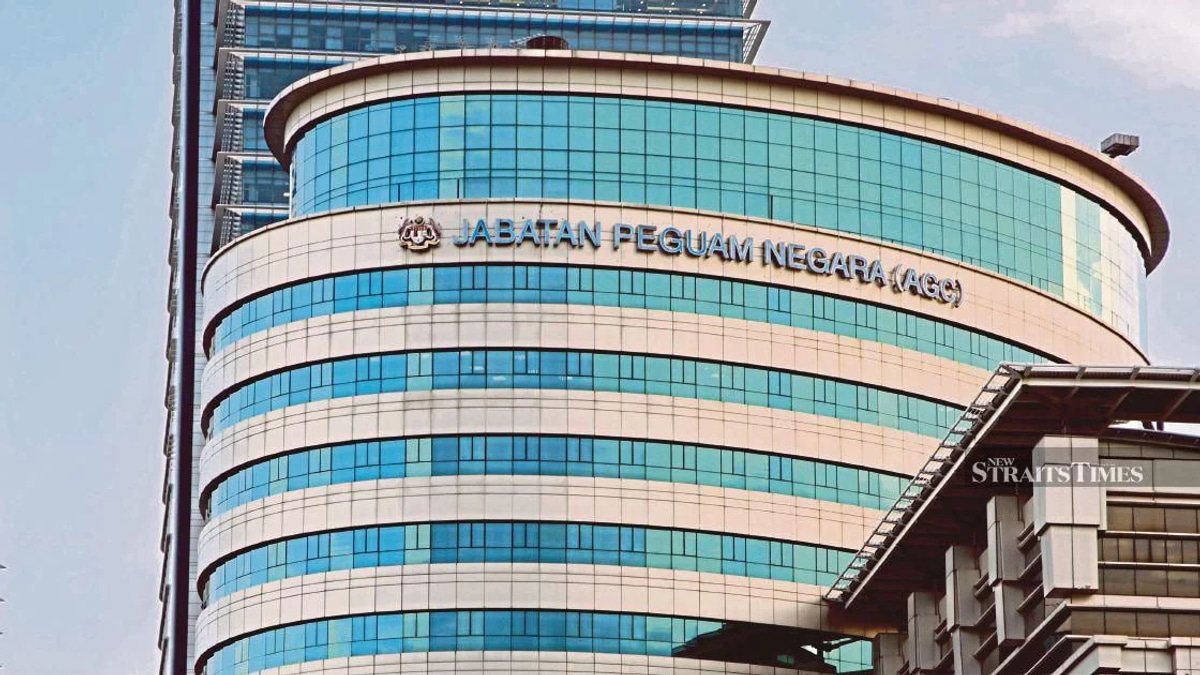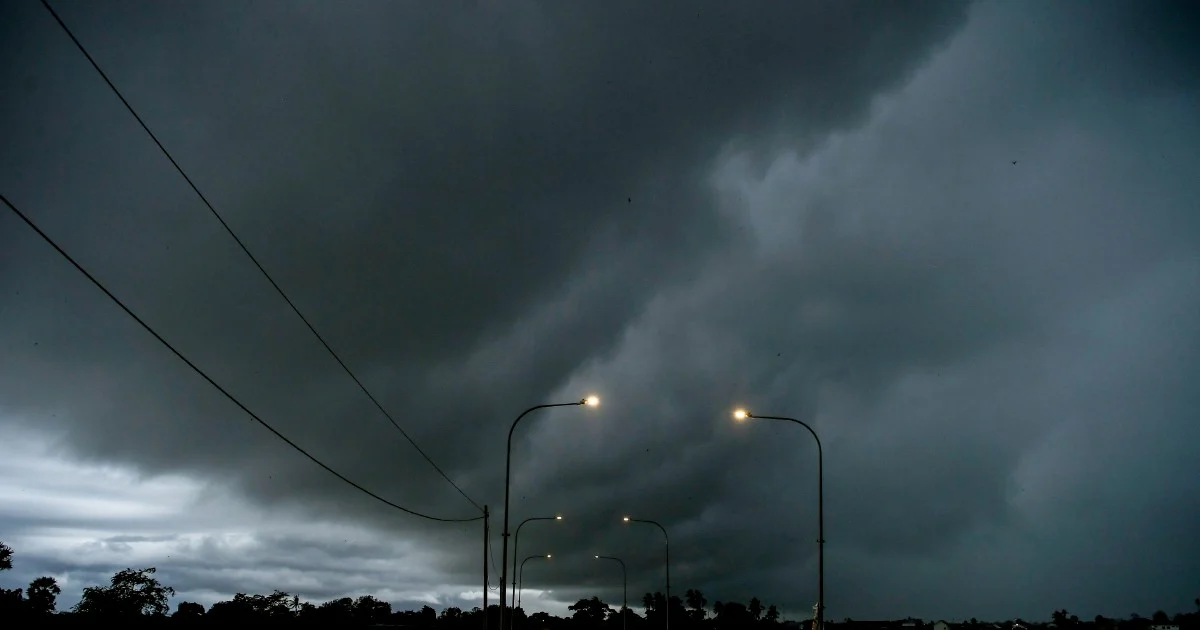
Malaysia's weather forecasting authority, the Malaysian Meteorological Department or MetMalaysia, has raised alarm about severe atmospheric conditions developing across the country today, with a weather alert covering thunderstorms coupled with torrential rainfall and damaging wind gusts expected to persist until 5pm.
The warning encompasses a broad geographic footprint spanning Peninsular Malaysia as well as the East Malaysian states of Sabah and Sarawak, reflecting the widespread nature of the weather system moving across the region. Such comprehensive alerts indicate that meteorologists have identified atmospheric instability affecting multiple regions simultaneously, a situation that typically demands public vigilance and preparedness across diverse areas.
Thunderstorms of this magnitude pose considerable risks to the Malaysian public and infrastructure. Beyond the immediate discomfort of heavy rainfall, these weather events frequently trigger secondary hazards including flash flooding in low-lying areas, landslide risks in hilly terrain, and dangerous lightning strikes that can prove fatal. Strong winds accompanying such systems can uproot trees, damage structures, and create hazardous conditions for motorists navigating highways and urban roads.
For residents in affected areas, the timing of the warning through 5pm today suggests that commuters heading home during peak hours should exercise heightened caution. Evening rush traffic combined with reduced visibility from heavy rain creates compounding safety challenges. Pedestrians are similarly vulnerable to sudden wind gusts and lightning, necessitating a shift indoors until conditions stabilise.
The meteorological department's decision to issue this alert reflects sophisticated weather monitoring systems that track atmospheric patterns in real time. Modern forecasting integrates satellite imagery, radar data, and atmospheric modelling to provide lead time that enables public authorities and citizens to take protective measures. Such warnings, when heeded, can significantly reduce casualties and infrastructure damage.
Thunderstorm activity during Malaysia's tropical monsoon seasons represents a predictable yet serious weather phenomenon. The high humidity, intense solar heating, and convergence of wind patterns characteristic of equatorial regions create ideal conditions for rapid thunderstorm development. During the southwest and northeast monsoon periods particularly, these systems can intensify quickly with limited warning, though established forecasting protocols have improved the reliability of predictions.
Public agencies responsible for disaster management and traffic control typically activate contingency protocols upon receipt of severe weather warnings. These may include deploying additional emergency response teams, heightening surveillance of flood-prone areas, and in some instances temporarily restricting traffic in vulnerable zones. Utilities companies may also prepare restoration teams for potential power disruptions caused by lightning strikes or fallen trees on transmission lines.
For businesses and commercial activities, thunderstorm warnings necessitate operational adjustments. Open-air markets, construction sites, and outdoor events may require suspension or relocation of activities. Supply chains dependent on road transport face potential delays as drivers naturally reduce speed in hazardous conditions. Service sectors including transportation and logistics typically experience reduced efficiency during severe weather periods.
Residents should prepare by securing loose outdoor items, ensuring drainage systems around homes are clear, and stockpiling essential supplies. Those in flood-prone areas should have evacuation plans prepared and remain alert to local authority updates. Farmers and agricultural workers must also take precautions to protect crops and livestock from the impending severe conditions.
The Malaysian Meteorological Department recommends that the public monitor official weather updates regularly and avoid unnecessary travel during the warning period. Driving through flooded roads poses serious risks including vehicle submersion, while venturing outdoors exposes individuals to lightning hazards. Staying indoors in a safe location represents the most prudent response to thunderstorm warnings.
Breaking monsoon patterns and shifting global climate conditions have observers noting increased variability in tropical weather systems. While thunderstorms remain an expected feature of Malaysia's climate, understanding evolving atmospheric behaviour helps authorities refine forecasting accuracy and public preparedness strategies for increasingly severe weather events.
Residents and commuters should maintain contact with MetMalaysia's official channels for updated information as the warning period progresses. Real-time alerts via official weather apps and local radio and television broadcasts provide the most current guidance regarding weather conditions in specific locations, enabling individuals to make informed decisions about outdoor activities and travel plans throughout the afternoon.