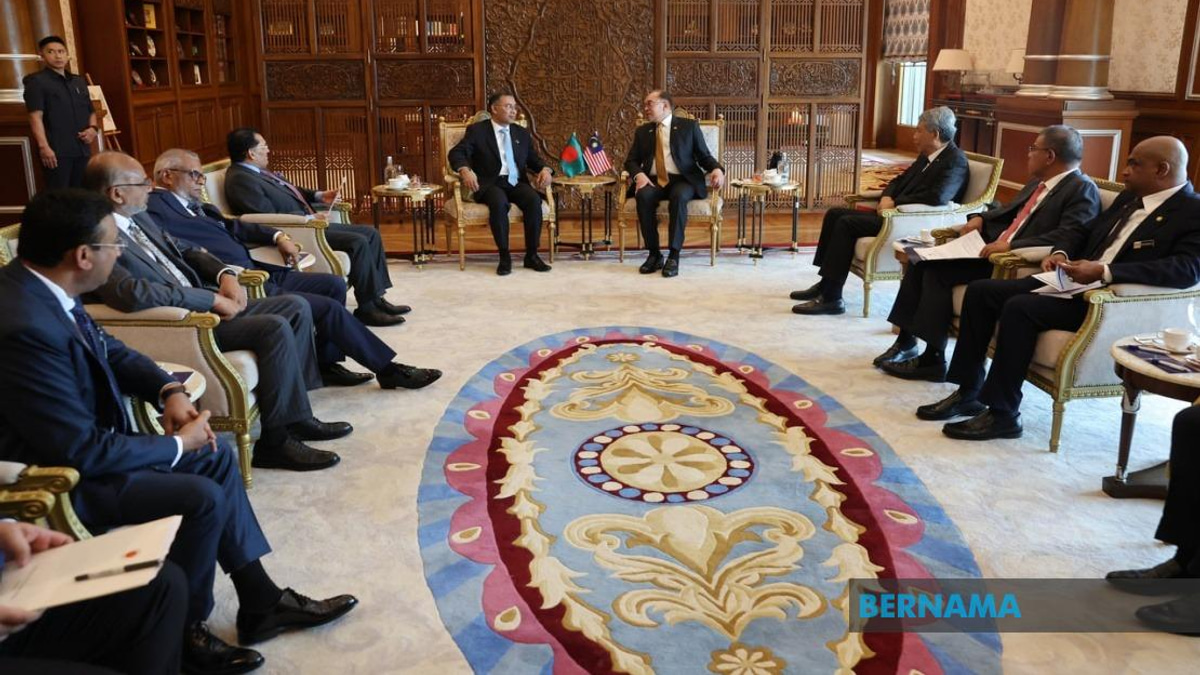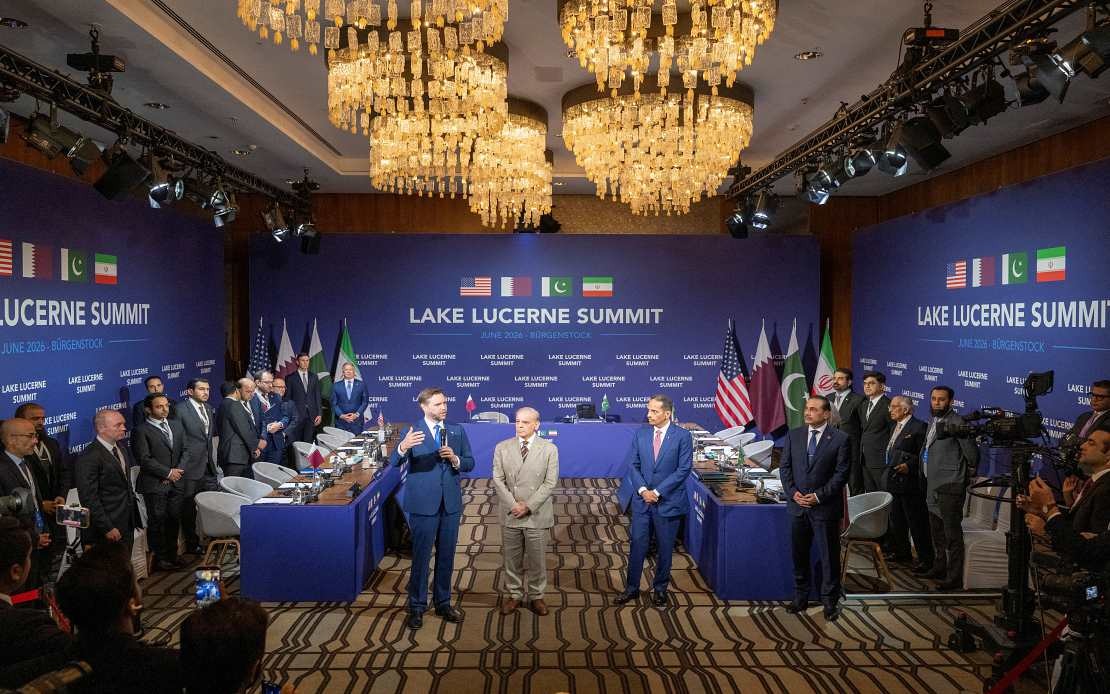
Hopes for renewed diplomatic progress between Washington and Tehran have been bolstered following the first round of high-level talks at the Lake Lucerne Summit in Switzerland, according to a joint statement issued by Qatar and Pakistan on Monday. The two nations, acting as key mediators in the protracted negotiations, characterised the opening session as constructive and positive, signalling that substantive movement has been achieved on multiple fronts. This development marks a meaningful turning point in efforts to resolve longstanding tensions between the United States and Iran, issues that have profound implications not only for the Middle East but for global energy markets and maritime security throughout the Indian Ocean region.
The establishment of a structured mechanism for ongoing technical discussions represents one of the most tangible outcomes from the summit. Beyond ceremonial declarations, both parties have moved to create formal channels through which specialists can address the intricate technical dimensions of any potential agreement. This institutional approach suggests that negotiators have moved beyond preliminary positioning and are now engaging with the substance of contested issues. The creation of such frameworks typically indicates that both sides believe sufficient common ground exists to warrant detailed technical engagement, a prerequisite for meaningful progress on complex matters involving nuclear programmes and international sanctions regimes.
Equally significant is the formation of a high-level political committee charged with overseeing the broader mediation process. This body will receive regular briefings from lead negotiators and exercise supervision over specialised working groups addressing three critical areas: the Iranian nuclear programme, sanctions-related matters, and mechanisms for dispute resolution. The existence of such oversight structures is important because it ensures that technical negotiations remain aligned with political objectives and that any agreements reached at the specialist level can be efficiently elevated for policy-level approval. This separation of labour between technical and political tracks has proven effective in previous international negotiations.
The parties have agreed on an ambitious but specific timeline, with a 60-day roadmap established as the target for finalising a comprehensive agreement. This deadline provides concrete motivation for negotiators while remaining realistic enough to allow for the thorough deliberation necessary on matters involving nuclear security, regional stability, and complex financial mechanisms. The establishment of such timeframes demonstrates that both the United States and Iran, through their respective mediators, are treating this process with genuine urgency rather than allowing talks to drift indefinitely. For regional observers, particularly in Southeast Asia where concern about global oil price volatility and maritime disruption runs high, the prospect of a near-term resolution offers some reassurance.
A particularly noteworthy development is the establishment of a direct communication channel between the parties to reduce the risk of accidental escalation or misunderstanding. This channel has been configured specifically to address the Strait of Hormuz, one of the world's most critical chokepoints for global energy supplies. Through this mechanism, both sides commit to ensuring safe passage for commercial vessels transiting this crucial waterway. For Malaysia and other Southeast Asian nations heavily dependent on stable energy supplies and unobstructed maritime trade, the Strait of Hormuz represents a vital interest. Any mechanism that reduces the likelihood of miscalculation or confrontational incidents in this region has immediate relevance to regional prosperity and security.
The memorandum of understanding referenced in the joint statement, signed the previous week, provides the foundational document upon which current technical discussions are building. This instrument appears to contain sufficient specificity that both sides felt confident moving forward with implementation mechanisms and enforcement frameworks. The fact that Qatar and Pakistan emphasise the implementation aspects suggests that the memorandum is not merely aspirational but contains actionable commitments and operational procedures. The working groups established to manage dispute resolution will be critical in determining whether any agreement can survive the inevitable tensions that arise during complex international implementation.
The involvement of Qatar and Pakistan as lead mediators reflects their unique diplomatic positioning in relation to both the United States and Iran. Qatar, with its significant regional influence and established relationships, brings Gulf perspectives to the negotiating table. Pakistan, with its historical ties to Iran and relationships across South Asia, contributes a different but complementary diplomatic lens. Their joint announcement of progress carries particular weight because both nations have strong incentives to facilitate genuine resolution rather than merely orchestrating public relations exercises. Their credibility with both Washington and Tehran has been built over years of engagement, making their assessment of progress worthy of serious consideration.
The nuclear programme remains at the heart of these discussions, reflecting the fundamental concern that sparked international sanctions and diplomatic isolation of Iran. The establishment of specialised working groups focused specifically on this dimension indicates that negotiators are attempting to develop technically sophisticated solutions that address security concerns while potentially providing pathways toward sanctions relief. The complexity of verifying nuclear compliance, managing inspector access, and establishing confidence-building measures means this working group faces perhaps the most consequential technical challenges.
Sanctions-related discussions represent the economic dimension of any potential agreement. International sanctions imposed on Iran have created considerable economic hardship and resentment, making sanctions relief central to any arrangement that might win domestic support within Iran. However, the United States and other parties have their own concerns about which sectors should remain restricted and what verification mechanisms must be in place before sanctions can be lifted. The working group addressing these matters must balance competing economic and security interests while remaining transparent about implementation timelines.
For Malaysia and broader Southeast Asia, the implications of US-Iran détente extend beyond regional security considerations. Any resolution that stabilises relations between Washington and Tehran could influence global energy markets, potentially affecting oil prices and refining margins that are important to the region's petrochemical industries. Additionally, reduced US-Iran tensions may diminish the likelihood of regional proxy conflicts that occasionally disrupt shipping and create broader geopolitical volatility. The Lake Lucerne Summit discussions therefore carry significance for Southeast Asian economic interests and strategic calculations.
The 60-day timeline, while compressed, reflects urgency without demanding impossible speed. Negotiators will need to move quickly but methodically through complex technical details. Any breakthrough within this timeframe would represent a significant diplomatic achievement and would mark a turning point in one of the most consequential international disputes of the past two decades. For now, the announcement of encouraging progress and the establishment of substantive negotiating mechanisms suggest that serious movement is occurring behind the headlines of routine diplomatic announcements.
%22%2F%3E%3C%2Fpattern%3E%3C%2Fdefs%3E%3Crect%20width%3D%22100%25%22%20height%3D%22100%25%22%20fill%3D%22url(%23ph435ojg)%22%2F%3E%3Crect%20width%3D%22100%25%22%20height%3D%22100%25%22%20fill%3D%22url(%23ph435ojp)%22%2F%3E%3Ctext%20x%3D%2250%25%22%20y%3D%2250%25%22%20text-anchor%3D%22middle%22%20dominant-baseline%3D%22central%22%20fill%3D%22rgba(255%2C255%2C255%2C0.95)%22%20font-family%3D%22Georgia%2C%20'Times%20New%20Roman'%2C%20serif%22%20font-weight%3D%22700%22%20font-size%3D%22320%22%20letter-spacing%3D%22-0.02em%22%3EKing%3C%2Ftext%3E%3C%2Fsvg%3E)