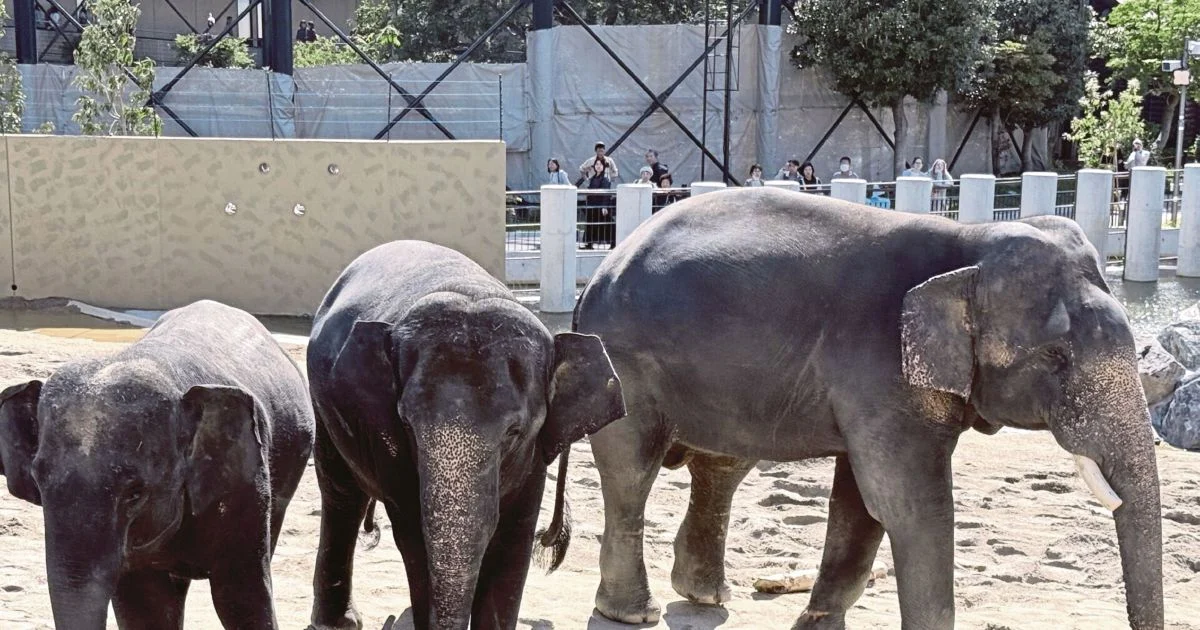
The Malaysian Anti-Corruption Commission has launched a formal inquiry into the circumstances surrounding the relocation of three Asian elephants from Zoo Taiping to Tennoji Zoo in Osaka, Japan, marking a significant development in a transfer that has drawn scrutiny from various stakeholders in the country.
The investigation underscores growing concerns about the decision-making processes governing international wildlife transfers and the movement of animals held in Malaysian public institutions. Zoo Taiping, one of the country's oldest and most established zoological parks, has long been a custodian of endangered Asian elephants, making the transfer of these three creatures a matter of considerable public interest and institutional accountability.
The decision to investigate suggests that MACC officials believe there may be irregularities warranting examination under Malaysia's anti-corruption framework. Such inquiries typically focus on whether proper procedures were followed, whether transparency was maintained throughout the process, and whether all relevant parties acted with appropriate governance standards in mind. The involvement of a high-profile government agency like MACC elevates the matter beyond routine administrative oversight.
International animal transfers involve complex diplomatic, legal, and ethical considerations. When Malaysian wildlife institutions engage in such arrangements, questions naturally arise about the justification for relocating animals, the benefits to the species or institutions involved, and whether domestic welfare concerns were adequately addressed. The inquiry may examine documentation related to how the decision was made, which officials approved it, and what consultation occurred with relevant ministries and conservation bodies.
Tennoji Zoo in Osaka is a well-regarded facility, but the transfer nonetheless raises questions about whether keeping these elephants in Malaysia serves broader national interests. Conservation experts often debate whether relocating animals strengthens international breeding programmes or primarily benefits overseas institutions at the expense of local wildlife programmes. The geographical distance between Malaysia and Japan means ongoing monitoring of the elephants' welfare becomes considerably more challenging for Malaysian authorities.
For Zoo Taiping specifically, the transfer represents a significant loss of one of its most iconic attractions. The zoo has historically served as an important educational institution for Malaysians, particularly visitors from the northern region, and the presence of Asian elephants has been central to its mission. The removal of these animals raises practical questions about the zoo's operations, visitor expectations, and its long-term conservation strategy.
This investigation also reflects broader governance challenges within Malaysian public institutions. Concerns about proper decision-making processes, transparency, and adherence to established protocols are not unique to wildlife management but represent systemic issues that Malaysian authorities have been working to address through strengthened anti-corruption mechanisms. The MACC's involvement signals that concerns about the transfer rose to a level requiring investigation.
The timing and scope of the inquiry remain to be determined, but such investigations typically require examining financial records, administrative decisions, correspondence between institutions, and testimony from officials involved in approving and executing the transfer. International cooperation may also be necessary, particularly if questions arise about agreements between Malaysian and Japanese authorities or the terms under which the elephants were relocated.
For the broader wildlife conservation community in Southeast Asia, this matter carries implications beyond the immediate transfer. It touches on questions about regional cooperation in animal welfare, the balance between international breeding programmes and local conservation priorities, and how developing nations should evaluate proposals involving the relocation of endangered species held in public trust.
The investigation also comes at a time when Malaysian civil society and international conservation groups are increasingly vocal about environmental governance and wildlife protection standards. Public institutions managing endangered species face growing scrutiny regarding their decision-making processes, and expectations for transparency and proper consultation have risen substantially in recent years.
Stakeholders including animal welfare advocates, conservation scientists, and concerned citizens are likely watching developments closely. The outcome of MACC's investigation could set important precedents for how future international animal transfers are evaluated and approved within Malaysia's institutional framework.
Pending the investigation's conclusions, the case highlights the necessity for robust oversight mechanisms in wildlife management and the importance of maintaining public confidence in the decision-making processes of government-managed institutions. As Malaysia continues developing its governance standards and anti-corruption capacity, cases like this provide opportunities to strengthen institutional accountability across all sectors, including the stewardship of the nation's natural heritage.