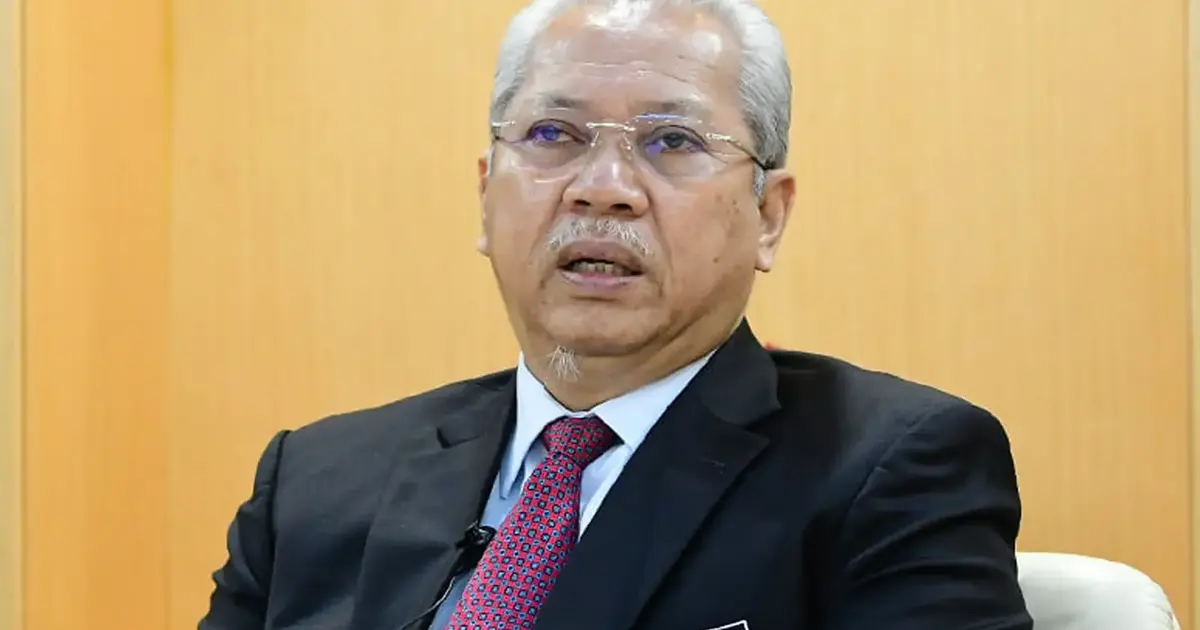
Perikatan Nasional faces a critical juncture this week as it moves to settle mounting tensions within the coalition, with the Supreme Council scheduled to address the contentious logo dispute and determine seat distributions for the impending Johor and Negeri Sembilan state elections. Information chief Annuar Musa signalled that Monday's meeting will serve as the forum for resolving questions that have roiled the coalition in recent weeks, particularly regarding Bersatu's continued membership within PN and the rights to deploy the coalition's official symbol in electoral contests.
The timing of this intervention underscores the urgency facing the coalition as campaign periods loom. PN must finalize nomination lists and campaign machinery well before nomination day, leaving little margin for protracted internal wrangling. The Supreme Council's role as arbiter reflects the gravity of disputes that lower-level negotiations have apparently failed to resolve, suggesting fractures run deeper than routine disagreements over seat allocations.
Bersatu's status within the coalition has emerged as the flashpoint, with implications extending well beyond administrative procedures. The party's presence within PN carries symbolic and strategic weight across multiple dimensions—it affects the coalition's representational claims, resource distribution, and messaging coherence. Questions about Bersatu's future commitment to the alliance, meanwhile, raise broader concerns about PN's stability during a competitive electoral period when unified messaging and coordinated campaigning prove essential.
The logo dispute itself carries both practical and symbolic dimensions that Malaysian coalition politics frequently generates. Coalition symbols serve as the visual language through which parties communicate shared identity and common purpose to voters, yet they also become focal points for disputes over hierarchy, recognition, and resource allocation. The inability to resolve such matters swiftly suggests underlying tensions about how power and representation should be distributed within PN's structure.
For Johor and Negeri Sembilan specifically, seat allocation disagreements typically intensify during state-level contests where proportional representation of coalition components becomes more transparent and contested. State elections force coalitions to demonstrate tangible power-sharing arrangements, as voters evaluate not just individual party candidates but also the balance of influence within governing arrangements. Parties seeking expansion within state governments naturally press for additional seat allocations, while established members resist dilution of their strength.
Annuar Musa's statement reflects the formal hierarchy through which PN's leadership attempts to manage such disputes. By elevating these matters to the Supreme Council level, PN signals that solutions require consensus-building among the coalition's most senior figures rather than bilateral negotiations between disputing components. This approach carries risks, as formal high-level interventions occasionally produce decisions that some parties experience as imposed rather than negotiated, potentially deepening resentment even as they technically resolve immediate disputes.
The Supreme Council's agenda this week will require balancing competing pressures. PN must avoid appearing to favor any single coalition component, yet also needs to reach decisions quickly enough to allow campaign preparations. Extended debates could consume time better spent on campaign strategy and voter mobilization, disadvantaging PN against potential rivals in these contests. The council will likely face pressure to find solutions that all parties can publicly endorse, even if internal satisfaction remains incomplete.
Bersatu's specific situation within this broader context warrants attention. As a relative newcomer to PN compared to other components, and as a party whose leadership and policy positioning have sometimes diverged from partner parties, Bersatu occupies a somewhat precarious position within the coalition. Questions about its future direction or commitment levels inevitably arise during resource allocation moments, particularly when seat distributions seem unfavorable to Bersatu's interests or growth ambitions.
For Malaysian politics observers, these disputes illuminate how multi-party coalitions function during the critical periods immediately preceding elections. Coalition management requires constant negotiation and recalibration, with disagreements that seem minor to external observers carrying substantial implications for internal power dynamics and party morale. The fact that logo usage and seat allocations demand Supreme Council attention demonstrates how comprehensively these technical questions become entangled with questions of respect, recognition, and strategic positioning.
The Monday meeting will likely set the template for how PN navigates the Johor and Negeri Sembilan campaigns and establishes precedent for managing future state-level contests. Decisions reached will signal to party members and coalition partners alike how PN's leadership resolves internal conflicts and whether the coalition remains sufficiently cohesive to compete effectively in competitive environments. These state elections, while focused on state-level governance, thus carry implications for PN's broader credibility and functionality as an organized political force.
For regional observers tracking Malaysian political dynamics, PN's ability to resolve these tensions rapidly and convincingly will influence assessments of coalition stability and electoral prospects. Coalition disputes that spill into public view can undermine voter confidence and dampen campaign enthusiasm among party activists. Conversely, swift and decisive resolution, presented as evidence of mature political management, can strengthen party narratives about organizational competence and unified purpose.