The proposed memorandum of understanding between the United States and Iran represents a potential turning point for global oil markets, with Malaysian officials cautiously optimistic that the agreement could help stabilise fuel prices domestically. However, policymakers are tempering expectations about how quickly the benefits will materialise, acknowledging that the complex mechanics of energy markets mean improvement will unfold gradually rather than immediately.
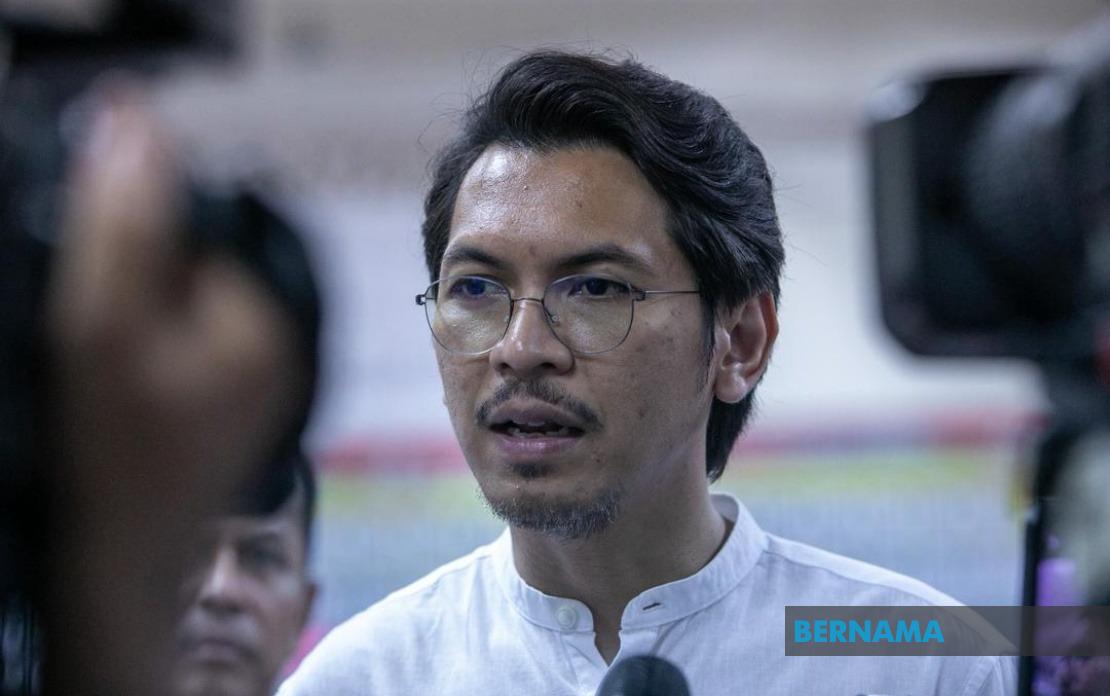
Muhammad Kamil Abdul Munim, Political Secretary to Malaysia's Minister of Finance, outlined the government's assessment of how a US-Iran accord would reshape the regional energy landscape. While welcoming the diplomatic breakthrough, he stressed that the pathway to sustained price stability remains uncertain and could extend well beyond the initial agreement phase. The underlying challenge stems not from whether the deal will occur, but from the accumulated damage to supply chains and the residual costs embedded across the logistics industry after months of heightened tensions.
The Strait of Hormuz, through which roughly one-third of the world's seaborne oil transits, has been a flashpoint for regional instability. Reopening reliable shipping corridors would remove a significant risk premium from oil prices and restore confidence among traders and shipping companies. Beyond the immediate price effect, however, lies a more complex recovery process. Insurance premiums for vessels operating through contested waters take time to decline, and transport companies must work through their backlog of deferred shipments and rerouted cargo movements. These friction costs accumulate across the supply chain, ultimately feeding into the final price consumers pay at the pump.
Malaysia, as a trade-dependent economy with substantial energy imports, has particular interest in this resolution. The government has sheltered domestic consumers from international price volatility through fuel subsidies, maintaining RON95 petrol at RM1.99 per litre—a policy that distinguishes Malaysia's approach from regional peers who have allowed prices to float more freely. This protective measure reflects the government's awareness of inflation risks and the political sensitivity of fuel costs, especially given their cascading effects through transportation and food prices that ultimately influence the cost of living for ordinary Malaysians.
Prime Minister Datuk Seri Anwar Ibrahim has signalled confidence in the negotiation process, though the timeline remains compressed. The two parties have committed to reaching a final comprehensive agreement within 60 days of the initial MoU, a deadline that creates urgency but also underscores the complex remaining issues. Even if this schedule holds, the energy markets would not immediately respond; traders and operators require sustained certainty before fundamentally altering investment and hedging positions.
The government's approach to managing the transition period reveals sophisticated thinking about sequencing policy interventions. Officials have indicated that across the coming four to six months—the period most likely to see disruption from any lingering tensions or negotiation delays—the Economic Action Council will monitor conditions to prevent households from bearing excessive inflation burdens. This suggests policymakers expect the acute phase of the crisis to persist even after an agreement, with full normalisation requiring time for market participants to adjust their expectations and behaviour.
The BUDI MADANI RON95 initiative, which provides eligible Malaysians with subsidised petrol at a capped volume of 200 litres monthly, represents a more sophisticated form of fuel support than blanket subsidies. The government has signalled readiness to review and potentially expand this programme depending on how the global oil market evolves in the coming weeks. This flexibility indicates awareness that different price scenarios will require calibrated policy responses rather than rigid predetermined measures.
Beyond the immediate oil market implications, Malaysian officials are simultaneously pursuing a broader energy diversification strategy. The Prime Minister's planned visit to Russia reflects interest in strengthening energy partnerships beyond traditional suppliers, recognising that over-reliance on any single sourcing region creates vulnerability. For a small trading nation like Malaysia, the geopolitical logic is straightforward: cultivating relationships with major energy producers across different regions reduces exposure to any particular regional conflict and provides optionality if supply disruptions occur.
Russia presents particular strategic interest given its substantial oil and natural gas reserves, advanced energy infrastructure, and willingness to engage with Asian trading partners outside traditional Western economic frameworks. The bilateral relationship encompasses not only energy but also broader trade and diplomatic dimensions, suggesting Malaysia is positioning itself to benefit from economic relationships that transcend Western-led financial and trade structures. This reflects a pragmatic assessment that Southeast Asian nations must maintain flexibility and diversified partnerships to protect economic interests.
The timing of these various policy initiatives—the acknowledgement of gradual oil price improvement, the maintenance of fuel subsidies, the review of targeted assistance programmes, and the cultivation of alternative energy partnerships—reflects a coherent strategy responding to both immediate crisis management and longer-term structural positioning. Malaysian policymakers understand that while a US-Iran agreement represents genuine progress, the transition from crisis to normalcy involves sequential phases, each with distinct policy requirements.
Market participants will watch both the diplomatic trajectory and the economic indicators that signal whether agreement-induced optimism translates into concrete supply improvements and cost reductions. The oil tanker tracking data, shipping insurance indices, and actual flows through the Strait of Hormuz will provide concrete measures of whether the promised benefits materialise on the anticipated timeline. Until these metrics shift decisively, the government will likely maintain supportive fuel pricing policies while building strategic options for the medium term.
%22%2F%3E%3C%2Fpattern%3E%3C%2Fdefs%3E%3Crect%20width%3D%22100%25%22%20height%3D%22100%25%22%20fill%3D%22url(%23ph1ugl4g)%22%2F%3E%3Crect%20width%3D%22100%25%22%20height%3D%22100%25%22%20fill%3D%22url(%23ph1ugl4p)%22%2F%3E%3Ctext%20x%3D%2250%25%22%20y%3D%2250%25%22%20text-anchor%3D%22middle%22%20dominant-baseline%3D%22central%22%20fill%3D%22rgba(255%2C255%2C255%2C0.95)%22%20font-family%3D%22Georgia%2C%20'Times%20New%20Roman'%2C%20serif%22%20font-weight%3D%22700%22%20font-size%3D%22226%22%20letter-spacing%3D%22-0.02em%22%3ETengku%3C%2Ftext%3E%3C%2Fsvg%3E)

%22%2F%3E%3C%2Fpattern%3E%3C%2Fdefs%3E%3Crect%20width%3D%22100%25%22%20height%3D%22100%25%22%20fill%3D%22url(%23ph48y62g)%22%2F%3E%3Crect%20width%3D%22100%25%22%20height%3D%22100%25%22%20fill%3D%22url(%23ph48y62p)%22%2F%3E%3Ctext%20x%3D%2250%25%22%20y%3D%2250%25%22%20text-anchor%3D%22middle%22%20dominant-baseline%3D%22central%22%20fill%3D%22rgba(255%2C255%2C255%2C0.95)%22%20font-family%3D%22Georgia%2C%20'Times%20New%20Roman'%2C%20serif%22%20font-weight%3D%22700%22%20font-size%3D%22320%22%20letter-spacing%3D%22-0.02em%22%3EPKR%3C%2Ftext%3E%3C%2Fsvg%3E)