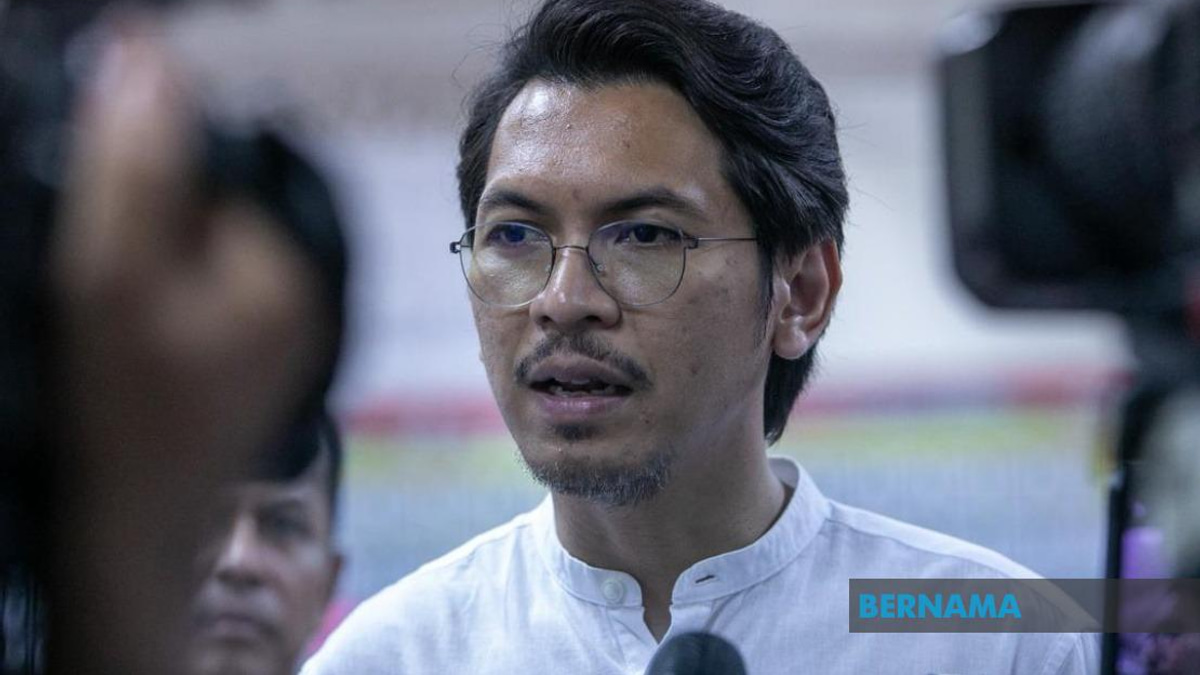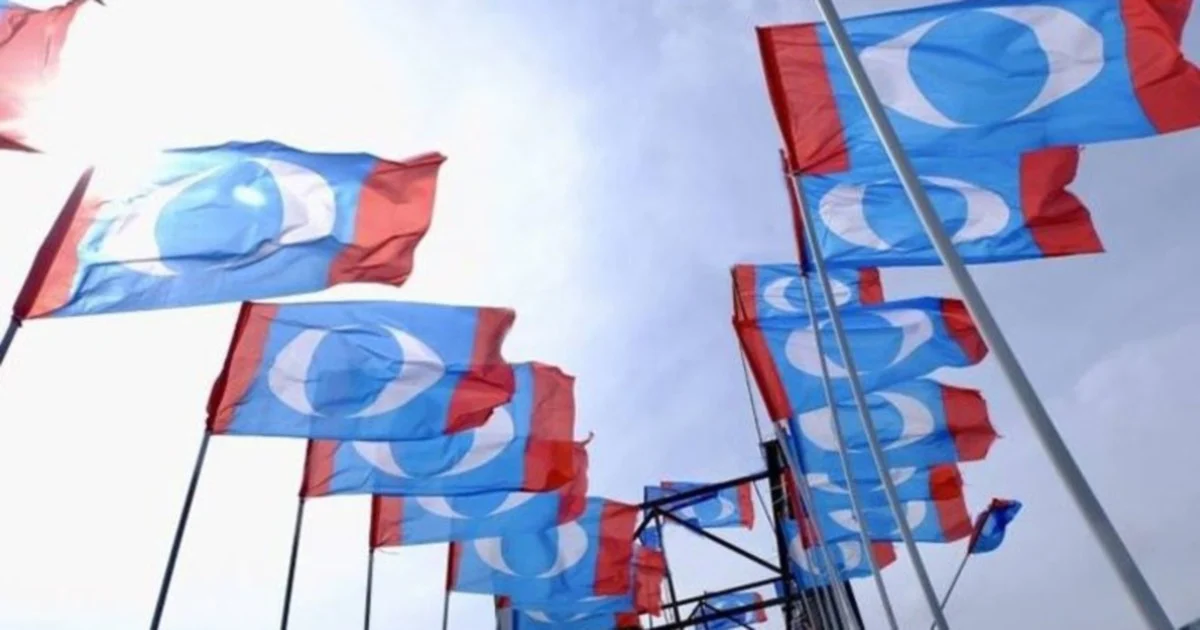
The People's Justice Party has substantially completed its candidate selection process for the forthcoming Johor and Negri Sembilan state elections, with only minor adjustments remaining before formal announcement, according to party secretary-general Datuk Dr Fuziah Salleh. The near-finalised roster places PKR in an advanced stage of preparation as both state assemblies move closer to scheduled electoral contests, signalling the coalition's determination to strengthen its representation across the two key peninsular states.
PKR's accelerated nomination timeline reflects the party's strategic positioning within the broader political landscape of Malaysia's coalition government. As a core component of the ruling Pakatan Harapan alliance, the party recognises the importance of fielding competitive candidates who can both defend existing seats and contest marginal constituencies. The 99 per cent completion rate suggests meticulous internal vetting processes have filtered prospective nominees across the target constituencies, balancing grassroots representation with electoral viability.
Johor remains a critical battleground for any national coalition seeking to strengthen parliamentary dominance. The state, home to approximately 1.9 million voters, has historically swung between competing political blocs, making candidate selection particularly consequential. PKR's candidate determination for the 56 state assembly seats reflects calculations about demographic shifts, incumbent performance, and demographic vulnerabilities that could influence the overall outcome. The party's thoroughness in finalising its list ahead of nomination periods demonstrates institutional discipline and confidence in its ground game across the state.
Negri Sembilan, by contrast, presents different strategic considerations. The state's 36 assembly seats encompass a more diverse socio-economic profile, blending urban constituencies with traditional strongholds and rural communities. PKR's candidate strategy for Negri Sembilan typically emphasises representation of diverse ethnic communities and religious backgrounds, reflecting the state's demographic composition. The near-completion of the nomination process indicates the party has navigated potentially sensitive selections without triggering the public friction that sometimes accompanies candidate finalisation within coalition partners.
The timing of Fuziah Salleh's announcement carries significance for party morale and external stakeholder confidence. By publicly confirming the advanced state of preparations, PKR simultaneously reassures its own membership that leadership has maintained organisational discipline, whilst signalling to opposition parties that the ruling coalition possesses operational coherence heading into potentially significant electoral contests. The specificity of the 99 per cent figure—rather than a rounded estimate—suggests precise tracking of nomination requirements and candidate confirmation protocols.
Within the Pakatan Harapan framework, PKR's candidate readiness interacts with parallel preparations by Democratic Action Party and Amanah across the same electoral battlegrounds. Coalition dynamics require careful coordination to avoid contested nominations within friendly parties, and the precision of PKR's timeline suggests inter-coalition communication has proceeded smoothly thus far. Any last-minute adjustments required in the final one per cent could involve resolving overlapping regional preferences or addressing candidate availability issues that emerged during the vetting phase.
The electoral context in which PKR prepares these two state contests remains volatile. National political realignments continue to reshape traditional political alignments, with strategic defections and coalition recalibrations creating uncertainty about baseline electoral strength. By completing candidate lists in advance of nomination deadlines, PKR effectively locks in its competitive structure and demonstrates organisational capability that some observers view as correlated with electoral prospects. Early nomination also permits the party to commence campaigning activities, building momentum during the period between announcement and actual polling days.
Candidates selected through this process will face particular pressures to deliver beyond typical state election expectations. Opposition parties, particularly Perikatan Nasional blocs, will contest aggressively in both states, compelling PKR nominees to articulate compelling policy platforms addressing constituency-specific issues. Johor voters have demonstrated willingness to shift political allegiances in recent contests, whilst Negri Sembilan's traditionally more mixed political landscape complicates assumptions about incumbent advantages.
Fuziah Salleh's role as party secretary-general positions her as the administrative architect of the nomination process. Her public confirmation of progress suggests she anticipates no significant procedural impediments during final approval stages. The remaining one per cent of nominations likely involves minor refinements rather than contentious rewrites, indicating substantive consensus within party leadership regarding candidate selections across both states. This internal alignment, if genuine, represents an organisational strength that opposition parties must account for when designing competitive strategies.
PKR's candidate preparation timeline contributes to broader perceptions about coalition stability heading into electoral contests that observers increasingly view as referendums on Pakatan Harapan's governance record. The party's demonstrated organisational capacity to finalise extensive candidate slates signals confidence, though electoral outcomes ultimately depend on voter reception of both nominated candidates and the coalition's broader political messaging. The finalised roster will provide clarity to stakeholders about the calibre of representation PKR intends to deploy across Johor and Negri Sembilan, enabling comprehensive assessment of coalition competitiveness in both states.