Pakatan Harapan has reaffirmed its commitment to preserving the constitutional role of Johor's Sultan in appointing the Menteri Besar, positioning this respect for royal prerogative as central to its governance philosophy should voters grant the coalition authority to form the state government. The declaration represents a calculated response to mounting pressure within the electoral campaign and reflects deeper constitutional principles that underpin Malaysia's federal system and the special status of the Johor sultanate.
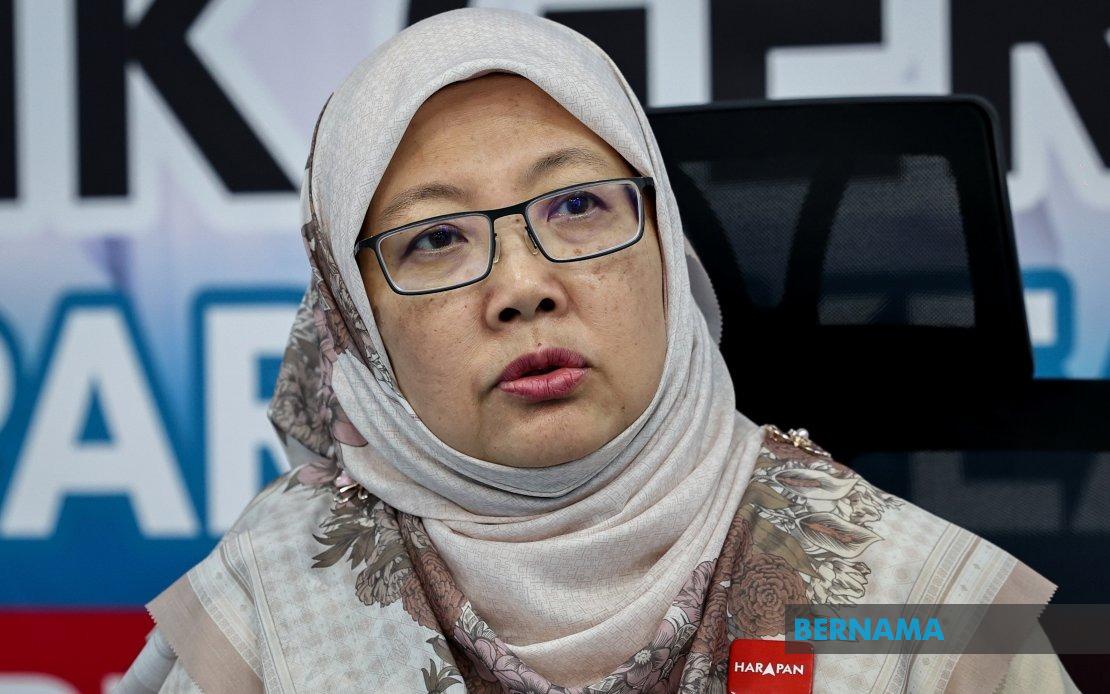
Datak Seri Dr Zaliha Mustafa, who leads Johor PKR, made the commitment explicit in a statement released in Johor Bahru on June 19, emphasising that PH harbours no intention to circumvent or diminish the Sultan of Johor's established constitutional powers. By anchoring this pledge directly to the Johor State Constitution 1895, the coalition sought to frame its position not as a concession but as a principled adherence to historical governance frameworks that have shaped Johor's institutional development for over a century.
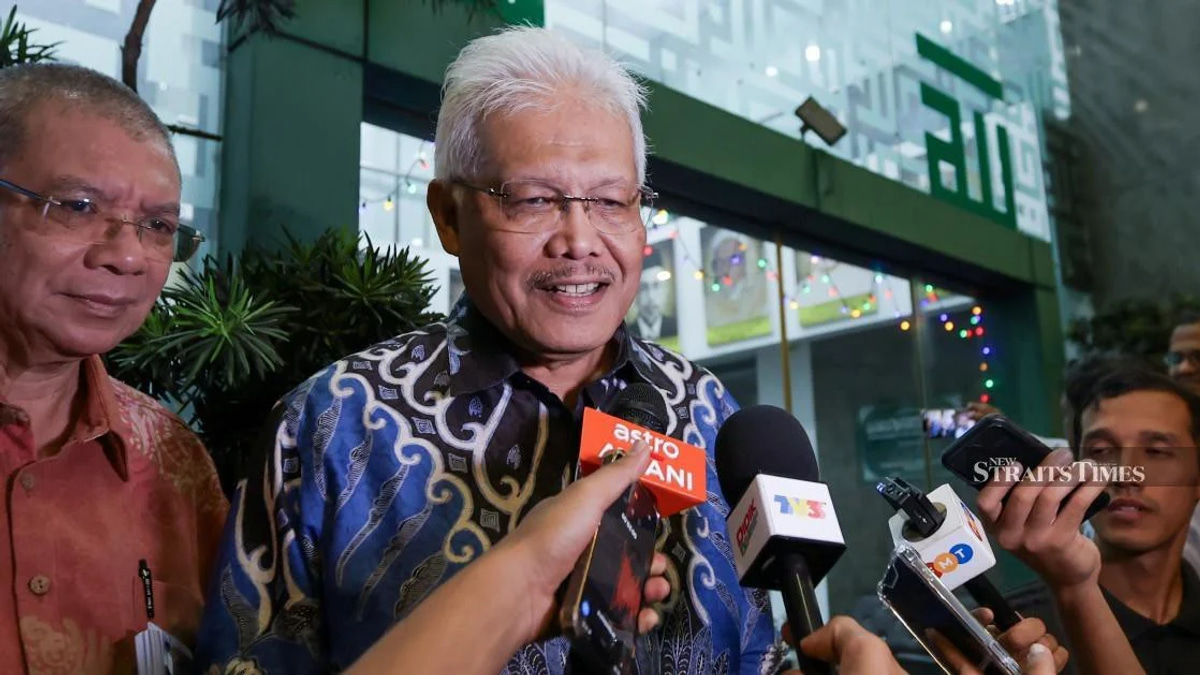
The timing of PH's statement was strategic, arriving in direct response to Datuk Onn Hafiz Ghazi, the incumbent Menteri Besar, who had publicly called on PH to declare its preferred candidate for the chief minister's post ahead of the election. This request touched upon a sensitive aspect of Malaysian politics: the tension between electoral mandates and royal discretion in the appointment of chief executives. Onn Hafiz's intervention effectively attempted to force PH's hand by compelling the coalition to either name a candidate—potentially limiting the Sultan's flexibility—or remain silent and appear evasive to voters.
Dr Zaliha's response strategically declined to accept this framing, arguing that the Menteri Besar appointment should not dominate campaign discourse. Instead, she redirected public attention toward substantive policy platforms, suggesting that voters should prioritise PH's economic and social proposals over personality politics or procedural debates. This rhetorical move attempted to position PH as focused on governance outcomes rather than power accumulation, a distinction that carries particular weight in Malaysian electoral contexts where institutional legitimacy remains contested.
The coalition's insistence that its leadership bench includes multiple candidates capable of administering Johor reflects a broader political calculation. By avoiding the designation of a single candidate, PH preserved maximum flexibility in post-election negotiations with the Sultan's office while simultaneously projecting an image of institutional depth and institutional strength. This approach acknowledges that in Malaysia's constitutional monarchies, the Sultan retains genuine discretionary power, and coalitions must navigate this reality rather than attempt to override it through electoral mathematics alone.
Understanding the stakes of this positioning requires grasping the particular constitutional history of Johor. Unlike most Malaysian states where direct political evolution occurred under British colonial administration, Johor maintained greater autonomy and a more developed state apparatus. The 1895 constitution that PH invoked represents this legacy, embodying principles of sultanate authority that predate modern democratic electoral systems. When PH pledges fidelity to this framework, it simultaneously acknowledges Johor's distinctive constitutional status and signals acceptance of a power-sharing model between electoral legitimacy and royal prerogative.
For Malaysian and Southeast Asian observers, this exchange illuminates ongoing structural tensions within hybrid constitutional systems. Malaysia combines strong democratic institutions with preserved monarchical authority, creating scenarios where electoral victory does not automatically confer complete executive control. PH's approach—accepting and even celebrating this constitutional reality—contrasts with political strategies that might seek to minimise or marginalise royal roles. Whether this stance reflects genuine commitment to constitutionalism or tactical positioning to avoid additional campaign complications remains subject to interpretation.
The focus on policy delivery rather than candidate declaration also addresses substantive voter concerns in Johor. Economic pressures, employment quality, infrastructure development, and cost-of-living challenges affect households across the state regardless of which qualified leader ultimately serves as Menteri Besar. By elevating these concerns above personality-driven campaigns, PH attempted to reclaim campaign narrative ownership and resonate with voters prioritising material improvements over elite power arrangements.
However, this strategy carries inherent risks. By deferring the Menteri Besar question to post-election negotiations with the Sultan, PH potentially opened itself to accusations of democratic evasion or lack of transparency. Voters accustomed to direct candidate selection might perceive this approach as elitist or insufficiently accountable. Incumbent authorities, meanwhile, can utilise such ambiguity to suggest that PH harbours unspecified intentions or lacks confidence in its leadership pool.
The broader Southeast Asian context adds another dimension. Regional democracies increasingly navigate tensions between electoral mandates and institutional prerogatives—whether royal, military, or judicial. How coalition partners resolve these tensions, and whether they do so through confrontation or accommodation, influences democratic legitimacy and stability. PH's deference to royal appointment authority, even if tactically motivated, reinforces a model of constrained democracy that many Southeast Asian citizens inhabit.
Moving forward, PH's commitment to honouring the Sultan's appointment authority will likely face continued scrutiny from multiple directions. Political opponents may question whether this reflects genuine constitutionalism or merely expedience. Coalition members might themselves harbour differing interpretations regarding the scope and exercise of this royal prerogative. And ultimately, voters will assess whether PH's emphasis on policy substance rather than candidate clarity represents responsible democratic practice or inadequate electoral transparency. How these questions resolve during and after the Johor election will carry implications extending well beyond a single state poll.