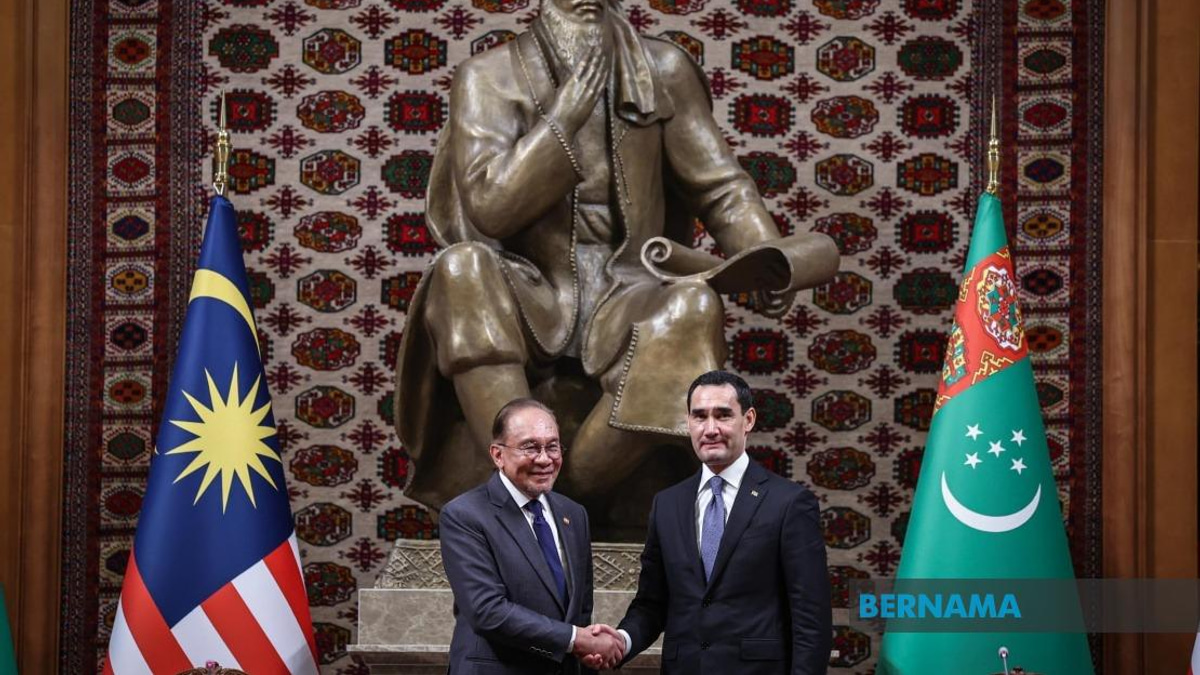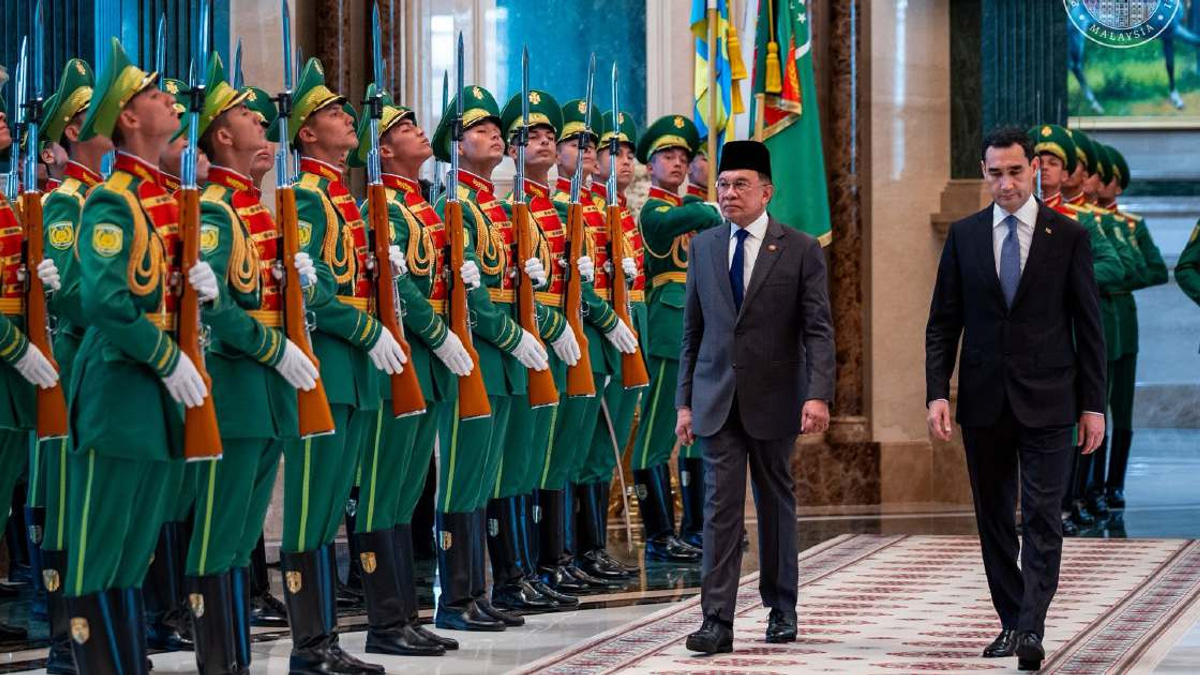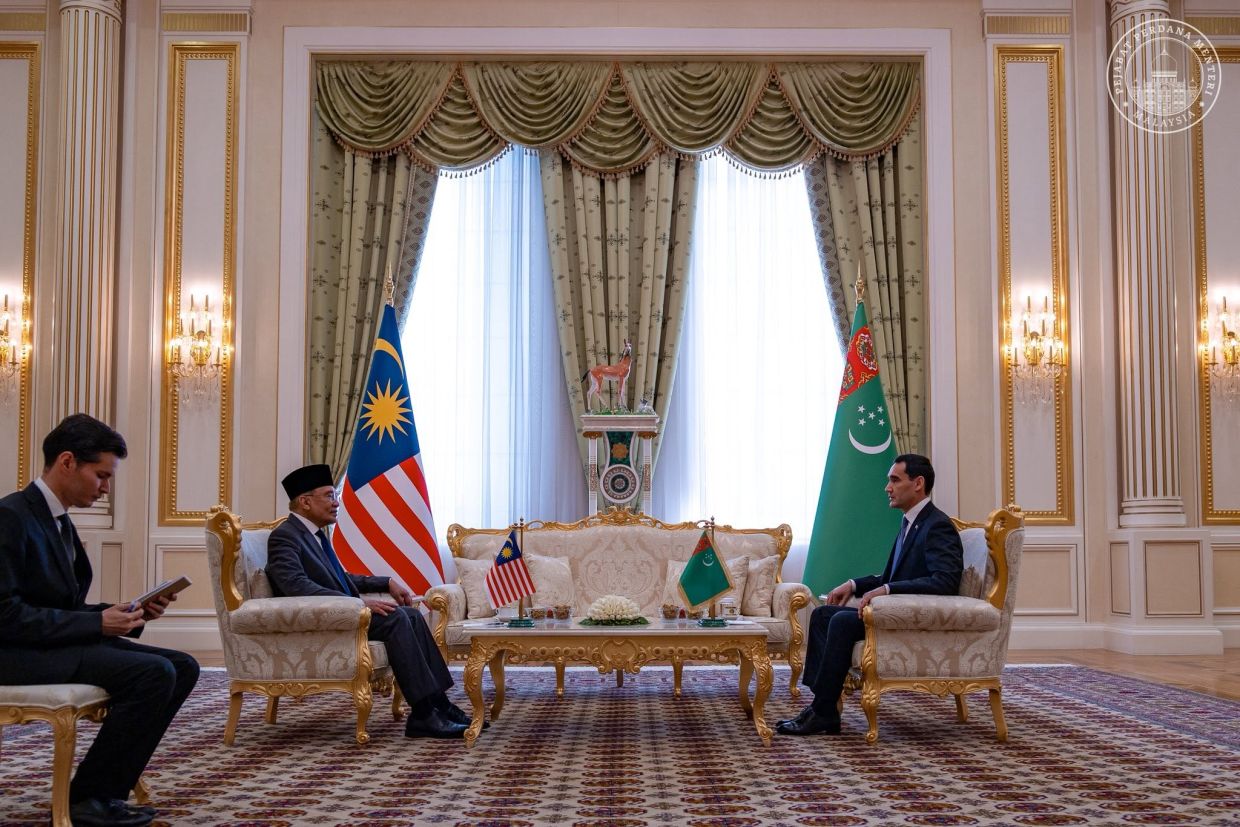
During an official visit to Ashgabat, Prime Minister Datuk Seri Anwar Ibrahim and Turkmenistan President Serdar Berdimuhamedov presided over the formal signing of a strategic partnership between Malaysia's national oil company PETRONAS and Turkmenistan authorities, positioning the agreement as a watershed moment for economic and energy cooperation between the two countries.
The accord arrives at a significant juncture, coinciding with three decades of bilateral collaboration in the energy sector—a relationship that has formed the bedrock of Malaysia-Turkmenistan ties since the mid-1990s. This milestone demonstrates the durability and mutual benefit of energy partnerships forged during the early days of Petronas's international expansion into Central Asia.
According to the Prime Minister's Office, the partnership transcends conventional commercial arrangements, instead functioning as a catalyst for broader economic advancement. The statement emphasised that the relationship strengthens diplomatic bonds while simultaneously driving economic growth, human capital development, and the exchange of technical expertise and innovation—benefits that flow bidirectionally between the two nations.
A particularly significant dimension of the partnership centres on Turkmenistan's hydrocarbon endowment. The country sits atop some of the world's most substantial natural gas reserves, representing both an immediate commercial opportunity and a strategic long-term asset. The partnership agreement explicitly targets the exploration and development of these vast energy resources, positioning Malaysia and PETRONAS to participate in expanding Turkmenistan's energy sector during a period of global energy transition and shifting geopolitical dynamics.
The accord also reflects international recognition of Malaysia's technical capabilities and competitive standing in energy and strategic industries. Officials framed the partnership as validation that Malaysian expertise, skilled workforce, and technological prowess can operate effectively at the global level, contributing meaningfully to energy security and economic development beyond Southeast Asia. This international endorsement carries domestic significance, reinforcing the government's narrative about Malaysian competitiveness in specialized sectors.
The MADANI government characterised the development as aligned with its broader economic vision, viewing the partnership not merely as a bilateral energy arrangement but as a foundation for expanded investment cooperation and economic opportunities extending into subsequent years. This perspective reflects a strategic reorientation toward deepening engagement with Central Asian economies, a region historically overshadowed by Southeast Asia in Malaysian foreign policy attention.
Trade metrics underscore the commercial substance of the Malaysia-Turkmenistan relationship. During 2025, Turkmenistan ranked as Malaysia's fourth-largest trading partner among Central Asian nations, with bilateral commerce valued at RM75.80 million. Malaysian exports to the country reached RM75.50 million, representing a nine percent year-on-year increase and indicating growing commercial momentum between the economies despite the modest absolute trade volumes.
PETRONAS's historical commitment to Turkmenistan development proves equally instructive. The company has accumulated total investments amounting to RM52.73 billion in the country since establishing operations in 1996, making Turkmenistan a cornerstone of PETRONAS's Central Asian portfolio. This three-decade investment trajectory demonstrates sustained corporate confidence in the country's hydrocarbon potential and operating environment, despite the region's periodic geopolitical volatility.
The timing of this partnership announcement carries geopolitical significance for Malaysian policymakers. As global energy markets undergo structural transformation driven by renewable energy transitions and climate imperatives, securing access to natural gas reserves in strategically important regions like Central Asia remains relevant for energy security calculations. Turkmenistan's geographical position, situated between Russia and China, underscores its importance for energy flows across Eurasia.
For Petronas specifically, the partnership represents an opportunity to leverage its operational expertise accumulated across multiple geographical and geological contexts. The company's experience managing complex upstream projects in Southeast Asia, the Middle East, and Africa provides technical foundations applicable to Turkmenistan's hydrocarbon development, potentially enabling the company to capture additional value from resource development partnerships.
The bilateral meeting between Anwar and Berdimuhamedov, following formal ceremonies at the Presidential Palace, provided opportunity for broader diplomatic engagement beyond energy matters. Such high-level engagements typically encompass discussions on regional cooperation, investment frameworks, and cultural exchanges, though specific details of these conversations remain undisclosed.
Looking forward, the partnership framework positions both governments and PETRONAS to navigate the complexities of contemporary energy markets. For Malaysia, deepening engagement with Central Asian energy producers diversifies supply chain relationships and reduces regional concentration risk. For Turkmenistan, PETRONAS's technological expertise and international operational networks offer pathways for improved resource monetisation and market access.