The anxiety gripping India's medical school aspirants extends far beyond the typical exam jitters. Over 2 million students will retake one of the nation's most gruelling entrance examinations on Sunday, June 21, through circumstances entirely beyond their control — a situation that has sparked a mental health crisis among an already high-stress population of young people competing for an extraordinarily limited number of places.
The National Eligibility cum Entrance Test, or NEET, represents the sole gateway to medical education in India, making it one of the world's highest-stakes standardised assessments. Originally administered on May 3, the entire examination was invalidated and scheduled for retake after allegations surfaced on social media that question papers had been circulated in advance of the test. The decision to scrap months of preparation and force students through the entire ordeal again has exposed systemic vulnerabilities in India's examination infrastructure that extend well beyond this single incident.
The statistical reality of NEET's brutality cannot be overstated. Merely 5 to 6 per cent of candidates who sit the examination ultimately secure places at medical schools, making it a competition where success depends not only on knowledge but also on psychological resilience and freedom from disruption. For the overwhelming majority of aspirants, NEET represents one of the most consequential moments in their academic lives, often preceded by years of intense coaching and sacrifice. When that preparation is rendered potentially worthless through administrative failure, the emotional toll extends well beyond disappointment.
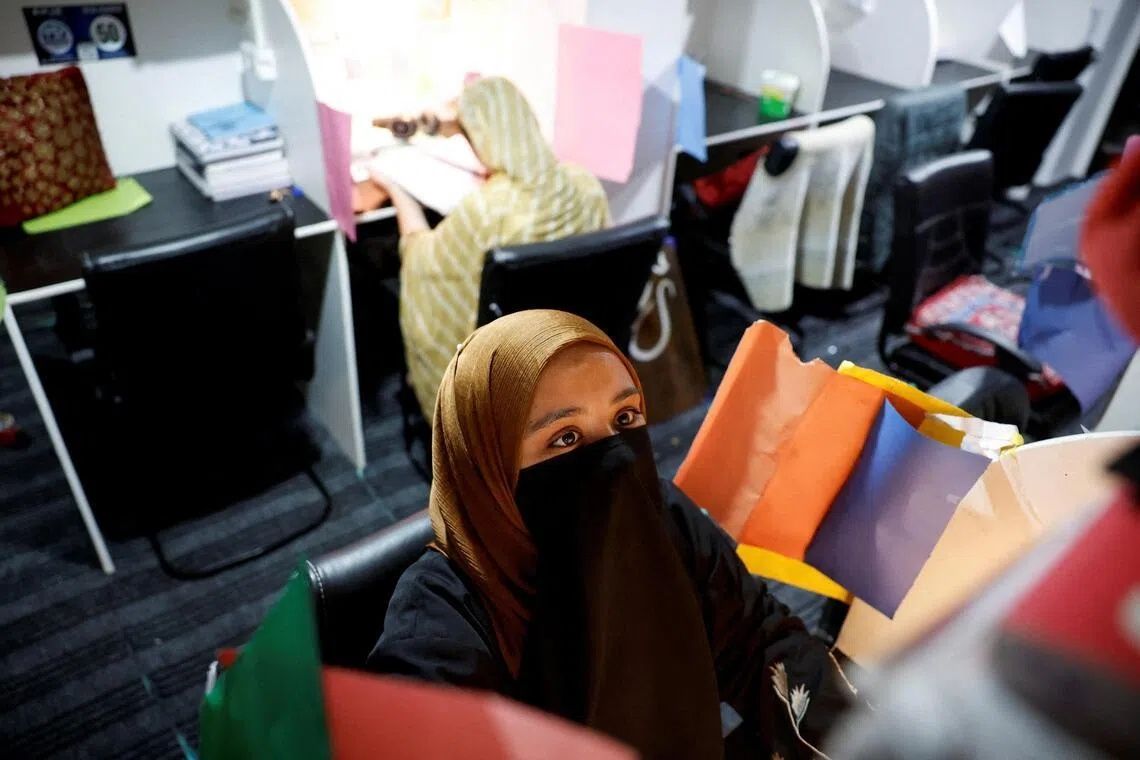
Students themselves have articulated the profound strain they now endure. Alima Javed, a 20-year-old candidate from Srinagar, captured the sentiment affecting millions when she described examination day as a mentally exhausting ordeal that demands years of concentrated effort, only to have those efforts negated through a security breach entirely outside student control. The psychological weight of restarting this gruelling process has driven some candidates to seek professional psychiatric intervention. Aliya Jalaal, another 20-year-old test-taker, reported that the prospect of retaking the examination has generated such severe anxiety that she has turned to mental health support, suggesting that the exam leak's consequences extend into the realm of clinical psychological distress.
The crisis has transcended educational concerns to become a significant political challenge for Prime Minister Narendra Modi's administration. Student-led protests have erupted across multiple Indian cities, including the capital New Delhi, with hundreds of demonstrators mobilising to demand accountability and reforms. Opposition politicians have seized upon the scandal to criticise government competence, while some media outlets and political figures have asserted connections between examination-related stress and student suicides, claims that remain difficult to independently verify but have nonetheless amplified public concern about the system's integrity.
Education Minister Dharmendra Pradhan has publicly committed to ensuring that the retaken examination will operate under conditions of fairness and transparency, yet such assurances have not substantially reduced student anxiety. The government has implemented extraordinary measures to prevent further breaches, including a temporary nationwide block on the Telegram messaging application, which will remain in effect through examination completion. Authorities justified this drastic step by noting Telegram's encryption features and the ease with which blocked channels can be recreated, positioning the app as presenting unique security risks that other platforms do not.
The Telegram blockade itself has triggered significant controversy. On June 19, an Indian court rejected Telegram's legal challenge to the ban, upholding the government's assertion that the blocking order was legally justified and reasonable. This judicial endorsement, however, has drawn sharp criticism from digital rights advocates and free speech activists who contend that restricting access to an entire communication platform sets a problematic precedent for government power over the internet. The ban represents one of the most dramatic responses to examination security concerns ever undertaken in India, underscoring how seriously authorities regard preventing further breaches.
Beyond the Telegram blockade, investigators have launched a comprehensive multi-agency inquiry into the alleged question paper leak. Authorities are examining financial transactions linked to suspected cheating networks and attempting to trace the leak's origin through forensic and intelligence-based investigation methods. Arrests have already been made in several Indian states, with government officials warning of significantly harsher penalties for individuals involved in examination malpractice, signalling an intent to impose deterrent punishments that may exceed those imposed for comparable offences in previous years.
The government has also unveiled a suite of institutional reforms designed to prevent future breaches. Enhanced surveillance at examination centres, more rigorous protocols governing question paper handling, and newly implemented digital tracking systems represent technological and procedural responses to demonstrated vulnerabilities. These measures acknowledge that the May examination's compromise resulted not from random misfortune but from systematic inadequacies in existing security protocols — inadequacies that are now receiving urgent attention from multiple government agencies.
Yet despite these officially announced protections, many students remain unconvinced that meaningful improvement has occurred. The very fact that such extensive security measures were deemed necessary after the fact suggests that the original examination arrangements were demonstrably insufficient, raising questions about whether hastily implemented reforms can genuinely restore confidence in the system's integrity. For students who had already endured the emotional labour of preparing for and sitting one examination, the prospect of repeating the experience within weeks, with only marginally altered procedures, offers limited psychological reassurance.
The NEET crisis illuminates broader structural issues within India's competitive examination system. When success rates hover around 5 to 6 per cent, the stakes become extraordinary enough that substantial portions of the student population experience clinically significant anxiety. When systemic failures compound that pressure by requiring re-examinations, the cumulative psychological burden can become unbearable for vulnerable individuals. The retake on June 21 will proceed, but the underlying problems that created this crisis — both the security vulnerabilities and the extreme competitiveness of the system itself — remain unresolved.