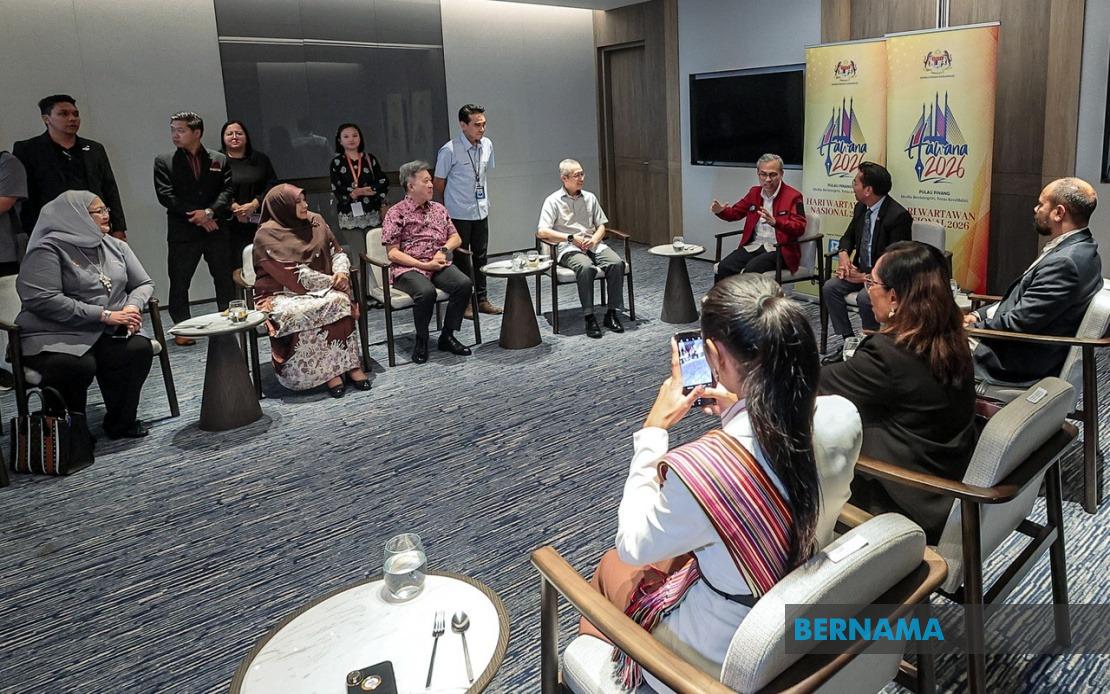
Malaysia is moving to strengthen its media partnership with Timor-Leste, with Communications Minister Datuk Fahmi Fadzil outlining plans to deepen institutional cooperation between national broadcasters and news agencies of the two countries. The initiative emerged from discussions with a high-level Timor-Leste delegation led by Secretary of State for Social Communication Expedito Loro Dias Ximenes, who visited Malaysia to participate in the HAWANA 2026 conference in Butterworth.
The proposed collaboration involves Malaysia's premier news agency Bernama and the national broadcaster Radio Televisyen Malaysia (RTM) working more closely with their Timor-Leste counterparts, including the national news agency Agencia Noticiosa de Timor-Leste (TATOLI). Heading the Timor-Leste delegation alongside Ximenes were TATOLI president Noemio Mateus Soares Falcao and deputy president Madalena DE JCP Carlos. Fahmi suggested that Malaysia's Tun Abdul Razak Broadcasting and Information Institute (IPPTAR) could play a key role by hosting training programmes for Timorese journalists, creating a capacity-building avenue that reflects Malaysia's experience in media operations and professional development.
An intriguing dimension of the bilateral discussions centred on press freedom rankings, where Timor-Leste has recently outpaced Malaysia in the Reporters Without Borders (RSF) World Press Freedom Index. Timor-Leste currently ranks first across Southeast Asia and 30th globally out of 180 countries, while Malaysia sits second regionally. This contrast is noteworthy given that Southeast Asia has long struggled with media freedom challenges, making Timor-Leste's achievement particularly significant for a young nation that gained independence only two decades ago.
Fahmi acknowledged the impressive performance of Timor-Leste and indicated that Malaysia has drawn insights from understanding how the country achieved such strong positioning in the index. The minister framed the discussion not as competition but as mutual learning, highlighting that Malaysia's own trajectory has improved substantially during the MADANI Government's tenure compared with previous administrations. This acknowledgment reflects a broader strategy by the current administration to demonstrate commitment to press freedom and media independence as core governance values.
Malaysia's position in the RSF index has indeed improved noticeably over the past three to four years, according to Fahmi's assessment. However, he stressed that there remains considerable scope for further advancement through enhanced policies, regulatory frameworks, and institutional practices. The government continues to pursue initiatives aimed at elevating Malaysia's standing, suggesting recognition that press freedom remains an area requiring sustained attention and reform. This candid admission of room for improvement contrasts with previous Malaysian administrations and aligns with the MADANI Government's stated reform agenda.
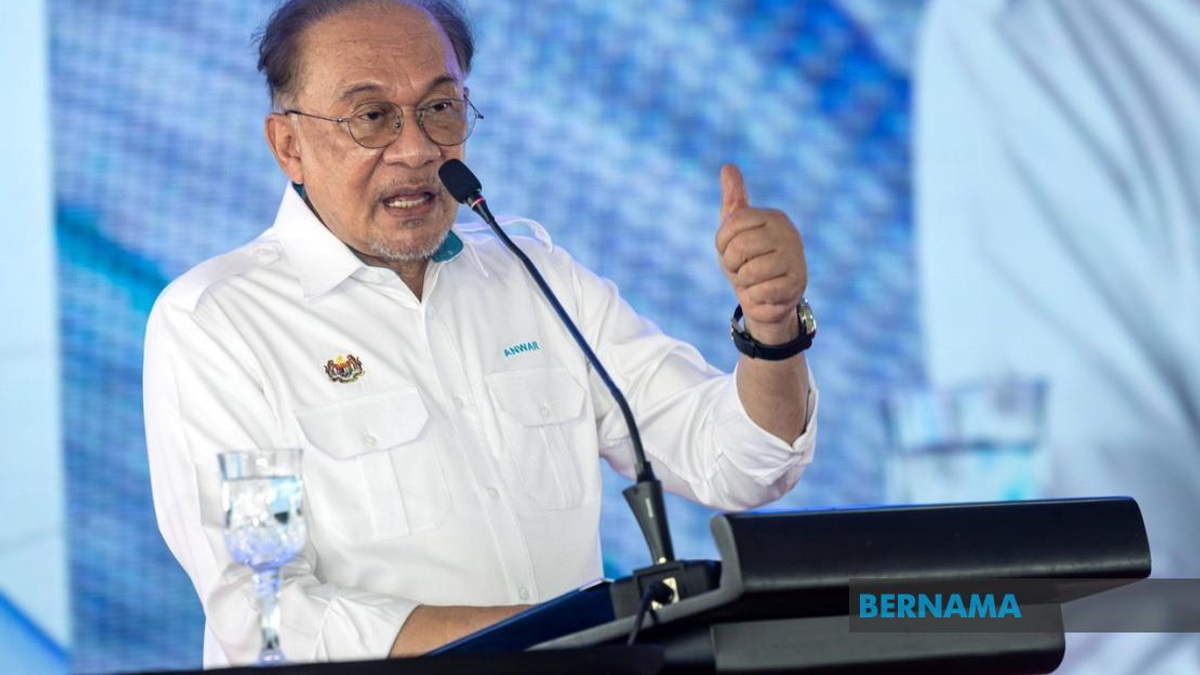
The Timor-Leste delegation's presence in Malaysia coincided with the HAWANA 2026 conference, a major regional media gathering now in its sixth iteration. Held at the PICCA Convention Centre @ Butterworth Arena, the conference drew approximately 1,000 local and international media practitioners under the thematic focus of 'Media Integrity Strengthens Credibility'. Prime Minister Datuk Seri Anwar Ibrahim was scheduled to deliver the opening remarks at 3 pm, underscoring the government's high-level engagement with media sector issues.
The bilateral media cooperation initiative arrives at a moment when Southeast Asian nations are increasingly recognising the strategic importance of strong institutional relationships in the information ecosystem. Timor-Leste's trajectory in press freedom rankings suggests that developing nations can establish credible, independent media sectors despite resource constraints and institutional challenges. Malaysia's interest in learning from Timor-Leste's experience, while simultaneously offering technical training and institutional support, reflects a pragmatic approach to regional diplomatic and media relations.
The proposed journalist training initiatives through IPPTAR could serve multiple objectives beyond skill development. Such programmes typically facilitate personal networks among media professionals across borders, fostering informal channels of collaboration and information exchange that reinforce regional media standards. They also provide Malaysia with soft power benefits by positioning the country as a media sector leader committed to elevating professional standards across Southeast Asia, which carries implications for Malaysia's broader regional influence agenda.
The involvement of senior Malaysian government officials in the bilateral discussions underscores institutional commitment to the initiative. Present at the meeting were Communications Ministry secretary-general Datuk Abdul Halim Hamzah, deputy secretary-general Datuk Bahria Mohd Tamil, Bernama chairman Datuk Seri Wong Chun Wai, Bernama chief executive officer Datin Paduka Nur-ul Afida Kamaludin, Broadcasting director-general Ashwad Ismail, and Bernama editor-in-chief Arul Rajoo Durar Raj. This high-level representation demonstrates that the cooperation framework operates with full governmental backing and institutional seriousness.
For Malaysian readers and the broader Southeast Asian context, this development signals several important trends. First, it reflects growing recognition that media cooperation can become a substantive component of bilateral relations alongside traditional trade and political engagement. Second, Timor-Leste's superior press freedom ranking, while achieved through its own institutional mechanisms, now serves as a reference point for Malaysia's own aspirations, suggesting that regional peer comparison increasingly influences domestic policy discussions. Third, the MADANI Government's willingness to publicly acknowledge both Timor-Leste's achievements and Malaysia's ongoing challenges represents a shift toward greater transparency in discussing media freedom issues that had previously been more politically sensitive.
The cooperation framework also reflects practical recognition that media institutions across Southeast Asia face common challenges: ensuring financial sustainability, maintaining editorial independence amid economic pressures, developing professional capacity, and serving their respective publics with accurate, credible information. Bilateral and multilateral mechanisms to share best practices and provide training offer cost-effective solutions while building regional networks that strengthen the broader ecosystem.
Looking forward, the success of this initiative will likely depend on translating high-level political commitment into concrete collaborative projects. Training programmes, news exchange arrangements, and institutional partnerships between Bernama and TATOLI, as well as between RTM and Timor-Leste's broadcasters, will require sustained resourcing and administrative support. The initiative also opens possibilities for Malaysia to formalise media cooperation arrangements with other ASEAN neighbours, establishing a broader framework for regional media institution building.

%22%2F%3E%3C%2Fpattern%3E%3C%2Fdefs%3E%3Crect%20width%3D%22100%25%22%20height%3D%22100%25%22%20fill%3D%22url(%23ph2dkjhg)%22%2F%3E%3Crect%20width%3D%22100%25%22%20height%3D%22100%25%22%20fill%3D%22url(%23ph2dkjhp)%22%2F%3E%3Ctext%20x%3D%2250%25%22%20y%3D%2250%25%22%20text-anchor%3D%22middle%22%20dominant-baseline%3D%22central%22%20fill%3D%22rgba(255%2C255%2C255%2C0.95)%22%20font-family%3D%22Georgia%2C%20'Times%20New%20Roman'%2C%20serif%22%20font-weight%3D%22700%22%20font-size%3D%22272%22%20letter-spacing%3D%22-0.02em%22%3EAnwar%3C%2Ftext%3E%3C%2Fsvg%3E)