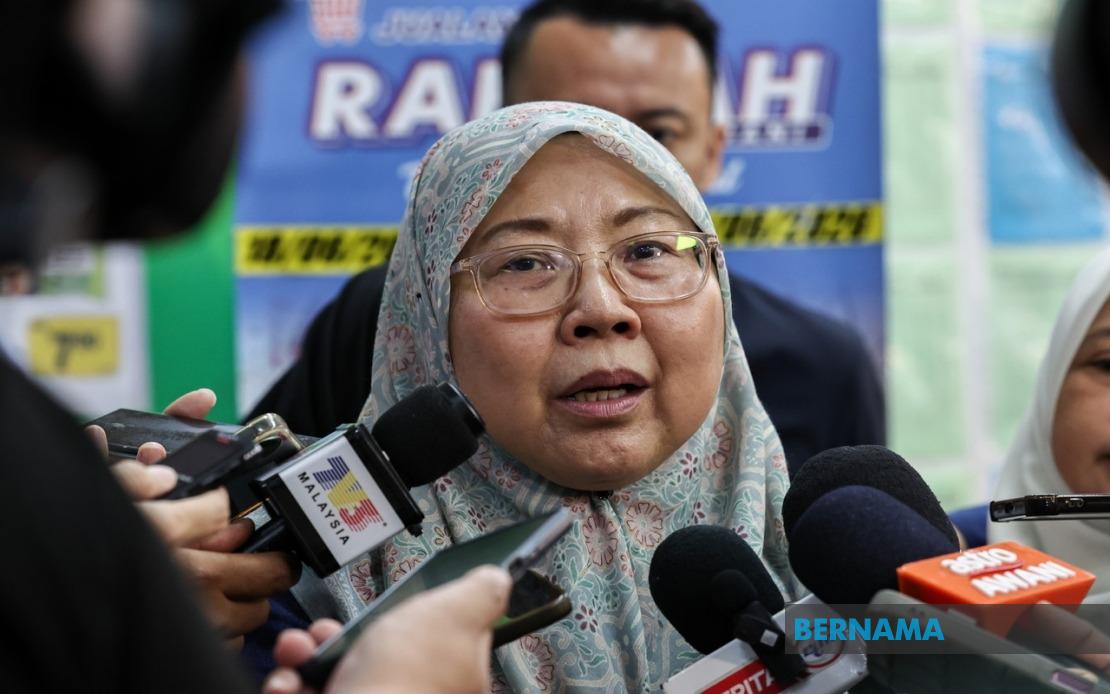
With elections scheduled for Johor and Negeri Sembilan states drawing closer, the Ministry of Domestic Trade and Cost of Living (KPDN) has moved to reassure the public that the availability of essential goods will not be compromised by the anticipated surge in demand from election officials and visiting citizens. Deputy Minister Datuk Dr Fuziah Salleh made the declaration during an inspection in Johor Bahru on June 19, emphasizing that the ministry has implemented comprehensive contingency measures to insulate the supply chain from disruptions, particularly given the volatile global freight environment created by ongoing tensions in West Asia.
The escalating costs of international logistics, a direct consequence of regional instability, have created headwinds for supply chains across Southeast Asia. Malaysia, as a trade-dependent economy, remains vulnerable to such external shocks. However, KPDN has taken proactive steps to ring-fence critical supplies during the election period. The ministry has redesigned its distribution network for subsidised cooking oil, establishing a direct pathway from repackers to retail points of sale without intermediary wholesale involvement. This streamlining reduces both costs and potential bottlenecks in the supply chain.
Johor's monthly allocation of subsidised cooking oil stands at over 3,000 metric tonnes, a figure that has been maintained despite global pressures. The distribution infrastructure now encompasses 18 licensed repackers working in tandem with 95 designated points of sale, including major retailers such as Econsave supermarkets. During her site inspection at Econsave Taman Daya, Fuziah verified that inventory levels remained robust, with approximately 100 cartons of subsidised cooking oil being made available daily to serve local households. This hands-on verification sends a signal to consumers that government oversight of supply chains during critical periods remains vigilant.
To prevent the diversion of subsidised goods to non-qualifying recipients—a chronic challenge in subsidy management across the region—KPDN has implemented stringent verification protocols at checkout points. These include mandatory application-based scans and MyKad identity card checks, ensuring that only Malaysian citizens can access subsidised products. Such measures address a persistent leak in Malaysia's subsidy system where goods intended for domestic consumers sometimes find their way into informal cross-border markets or are purchased by ineligible parties. The technology-driven approach reflects a broader shift towards digitised subsidy administration.
Beyond cooking oil, the broader Rahmah MADANI Sales Programme (PJRM) has served as a vehicle for delivering affordable essentials to households nationwide. Between January 1 and June 13, 2026, the programme has conducted 13,692 events across Malaysia, generating over 2.3 million customer visits in Johor alone across all 56 state constituencies. The Johor component of the programme, comprising 920 individual sessions, produced more than 1.46 million transactions. These figures underscore the programme's penetration into the market and its success in reaching consumers where they shop.
The PJRM model represents a targeted intervention designed to alleviate cost-of-living pressures without creating permanent fiscal distortions through blanket subsidies. Rather than maintaining price caps indefinitely, which can discourage production and create supply bottlenecks, the programme uses time-limited and location-specific pricing reductions. For Malaysian consumers already grappling with inflation in housing, transport, and utilities, such initiatives provide tangible relief, particularly for lower-income households.
The timing of this supply assurance announcement is politically significant. Johor, Malaysia's southern manufacturing and commercial hub, plays a crucial economic role in the nation's overall performance. Any disruption to essential goods supply during elections could generate public anxiety and dampen consumer confidence. By front-loading commitments to maintain supply stability, KPDN attempts to preserve market psychology and prevent panic buying, which itself can create artificial shortages. The narrative of preparedness also reflects positively on government competence during an election cycle.
The election schedule itself compounds logistical demands. Nomination day falls on June 27, with early voting on July 7 and main polling on July 11. This compressed timeline means that election personnel, ballot materials, and crowds of voters will converge on polling stations, potentially disrupting normal commercial patterns. The ministry's advance planning demonstrates awareness of these contingencies.
Regionally, Malaysia's experience managing supply chains during election periods offers lessons for other Southeast Asian democracies facing similar challenges. Thailand, Indonesia, and the Philippines have all struggled with supply disruptions during major electoral events. Malaysia's use of digital verification systems and direct distribution channels, while not novel, represents practical governance innovation applicable across the region. As supply chain vulnerabilities become more pronounced due to geopolitical fragmentation and climate-related disruptions, such systematic approaches to maintaining essential goods availability during critical periods will grow increasingly important for political stability and social cohesion.